Q-Engineering Versus Q-Science
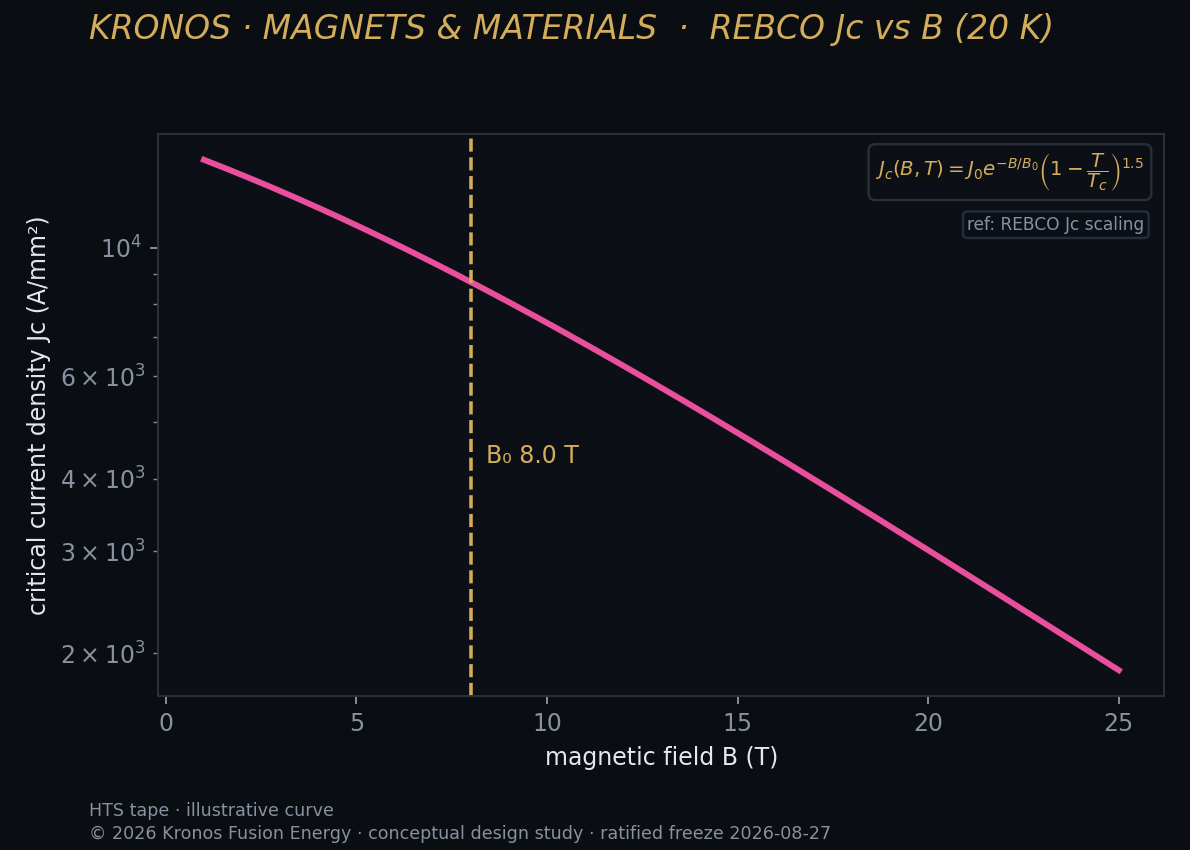
Scientific gain counts fusion against heating; engineering gain subtracts all recirculating power, and it is the honest test for the burner.
Two different questions
Qsci (scientific gain) is fusion power divided by the external heating power delivered to the plasma. QE (engineering gain) is net electrical output divided by total electrical input, after conversion efficiency and every recirculating draw — plug sustainment, injectors, cryogenics, and balance of plant. A machine can have Qsci above one and QE below one.
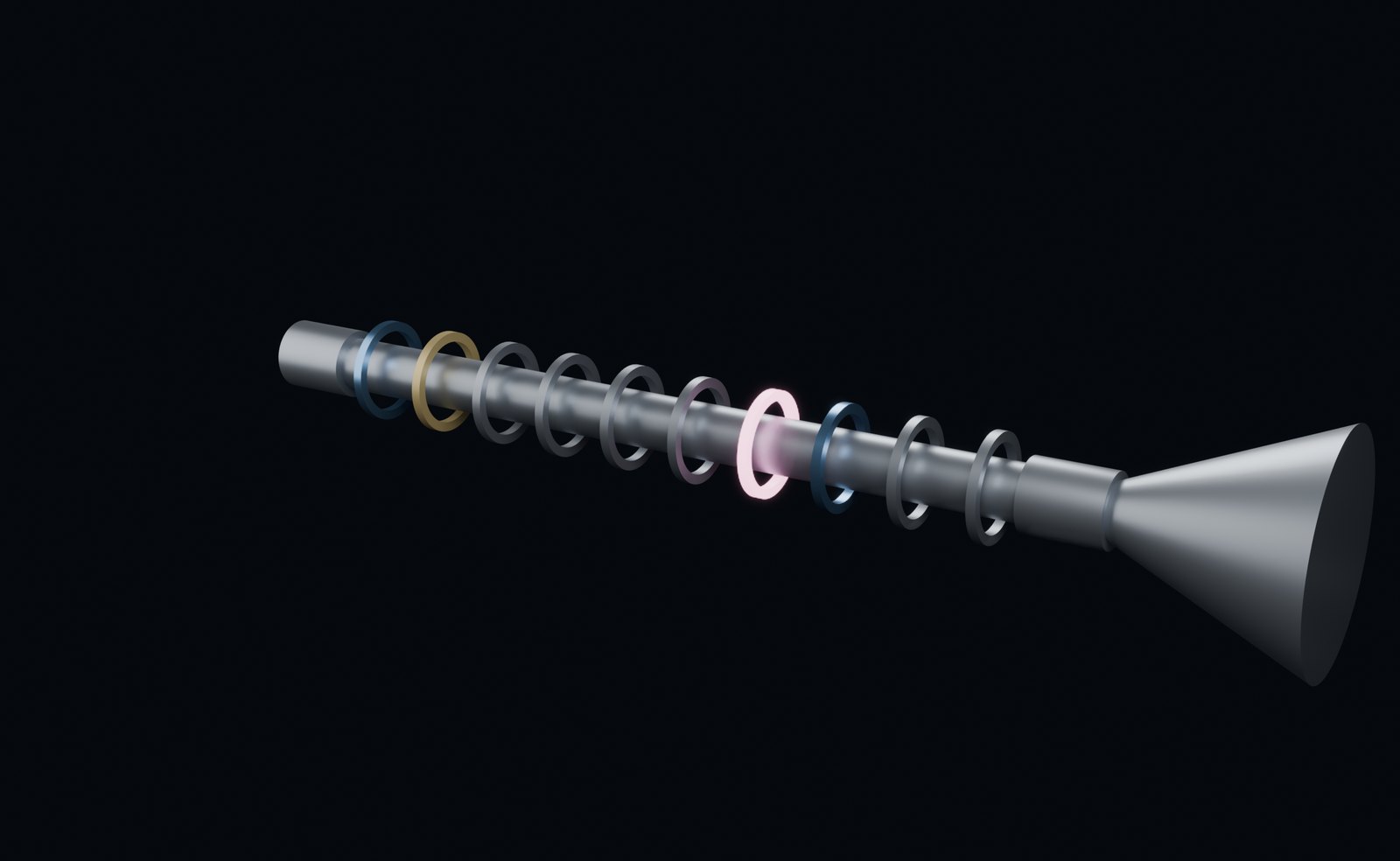
For the burner this distinction is not academic. The tandem mirror spends significant power holding its end plugs — the same power that builds the confining potential. That recirculating draw sits inside QE but not Qsci. Direct energy conversion helps QE by converting the charged output at high efficiency, but the plug and injector power is charged against it.
The honest headline
We judge the burner on QE, because that is what a power source must satisfy. The plug-regime and coil gates directly threaten QE: if the plug cannot be sustained efficiently at the design field, the recirculating power grows and net gain shrinks. Reporting Qsci alone would flatter the machine; we do not.
Because the plug power is both what confines the plasma and what erodes the engineering gain, QE is unusually sensitive to plug performance in a tandem mirror — more so than in machines where heating and confinement are separate. That sensitivity is why the coil-stress and plug-regime gates are not abstract concerns but direct threats to whether the burner can be a net power source at all.
- Qsci = fusion / heating power
- QE = net electric / total electric input
- Plug + injector power sits inside QE
- QE is the honest test for a power source