Auxiliary Power & House Load
House load runs the cryoplant, vacuum, cooling, and controls; auxiliary power keeps it available across all plant states.
House load is the power the plant consumes to run itself — continuously, whether or not it is generating. Cryogenic refrigeration, vacuum pumps, cooling circulation, controls, and instrumentation all draw house load. Auxiliary power systems make sure this load is served in every plant state, including startup and shutdown.
Continuous demand
The cryoplant is the largest continuous consumer because the superconducting coils must stay cold at all times. Vacuum and cooling also run continuously to hold the machine in a safe, ready state. This is why Aegis is designed to serve its own house load, including in islanded and blackstart conditions.
Priority and shedding
- Safety-relevant loads have the highest priority and backup
- Non-essential loads shed first during supply shortfalls
- Transfer to standby supply is automatic for critical systems
- Uninterruptible supplies bridge transfer transients
Availability link
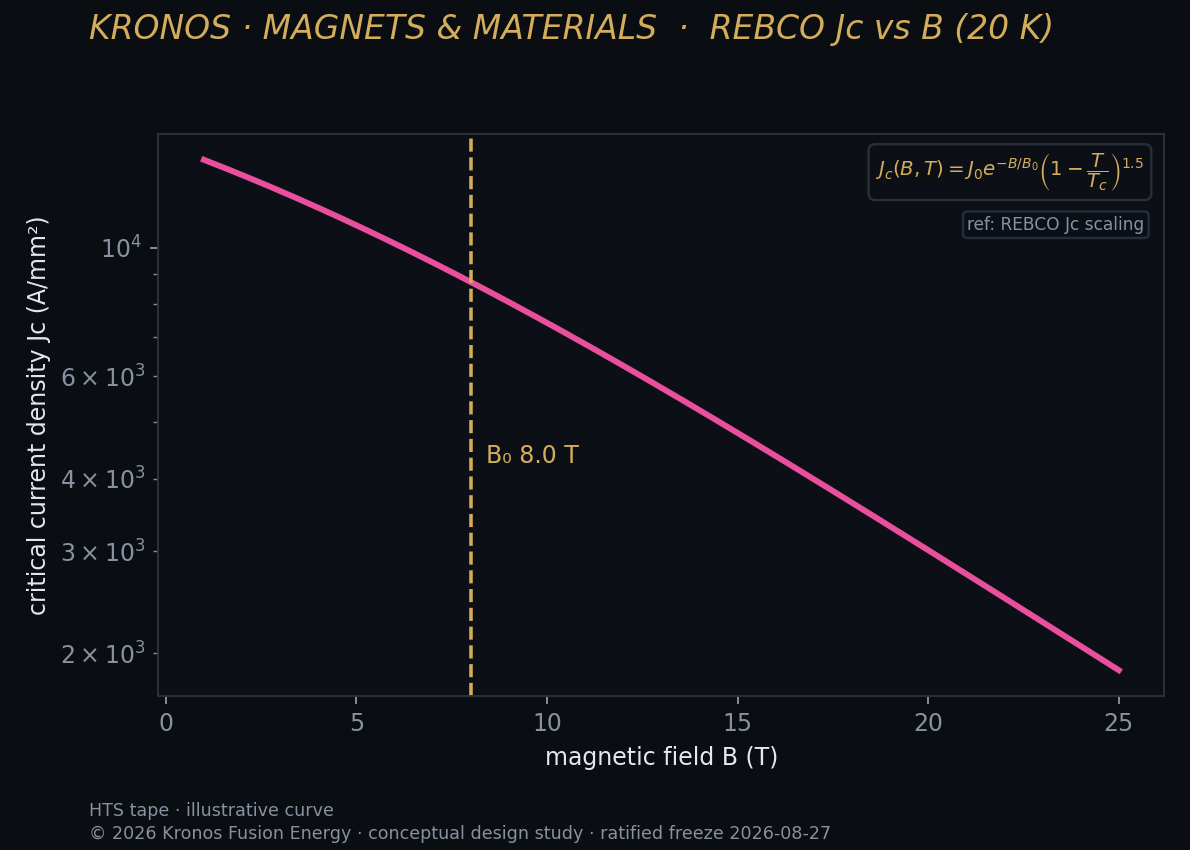
Because losing house load can force a magnet discharge and a machine trip, auxiliary power redundancy is an availability investment as much as a safety one. The chart above is illustrative of relative shares, not measured values; house-load engineering follows the frozen design at design stage.