Site Selection
Site selection balances structural, thermal, electrical, and access requirements for a fixed low-signature generator.
A fixed installation is chosen, not moved. Site selection therefore front-loads the constraints that are expensive to change: bearing capacity for a heavy shielded hall, room for heat rejection, a firm electrical tie or islanded distribution, and controlled access for oversized module delivery.
Primary criteria
- Geotechnical bearing capacity and low seismic amplification for the reactor hall
- Space and ambient conditions for heat rejection (dry or hybrid cooling)
- Electrical interconnection or a defined islanded load
- Transport corridor for module rigging (road/rail clearances)
- Water availability for makeup and auxiliary systems
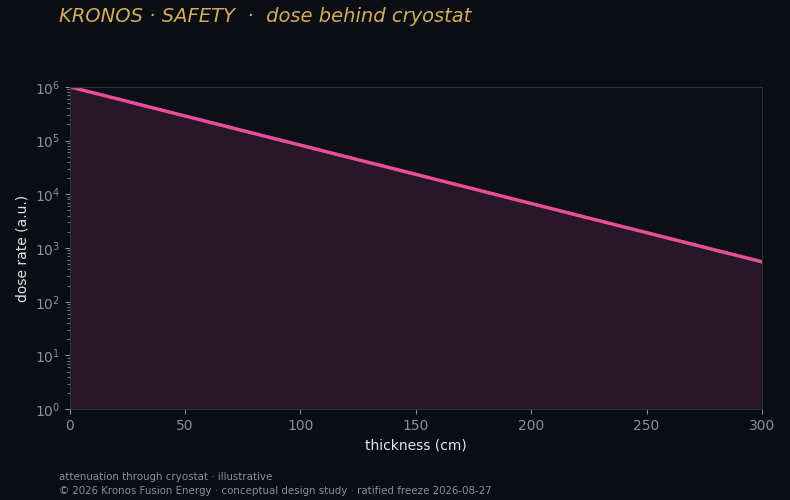
- Setback and shielding geometry for radiological protection
Low-signature siting
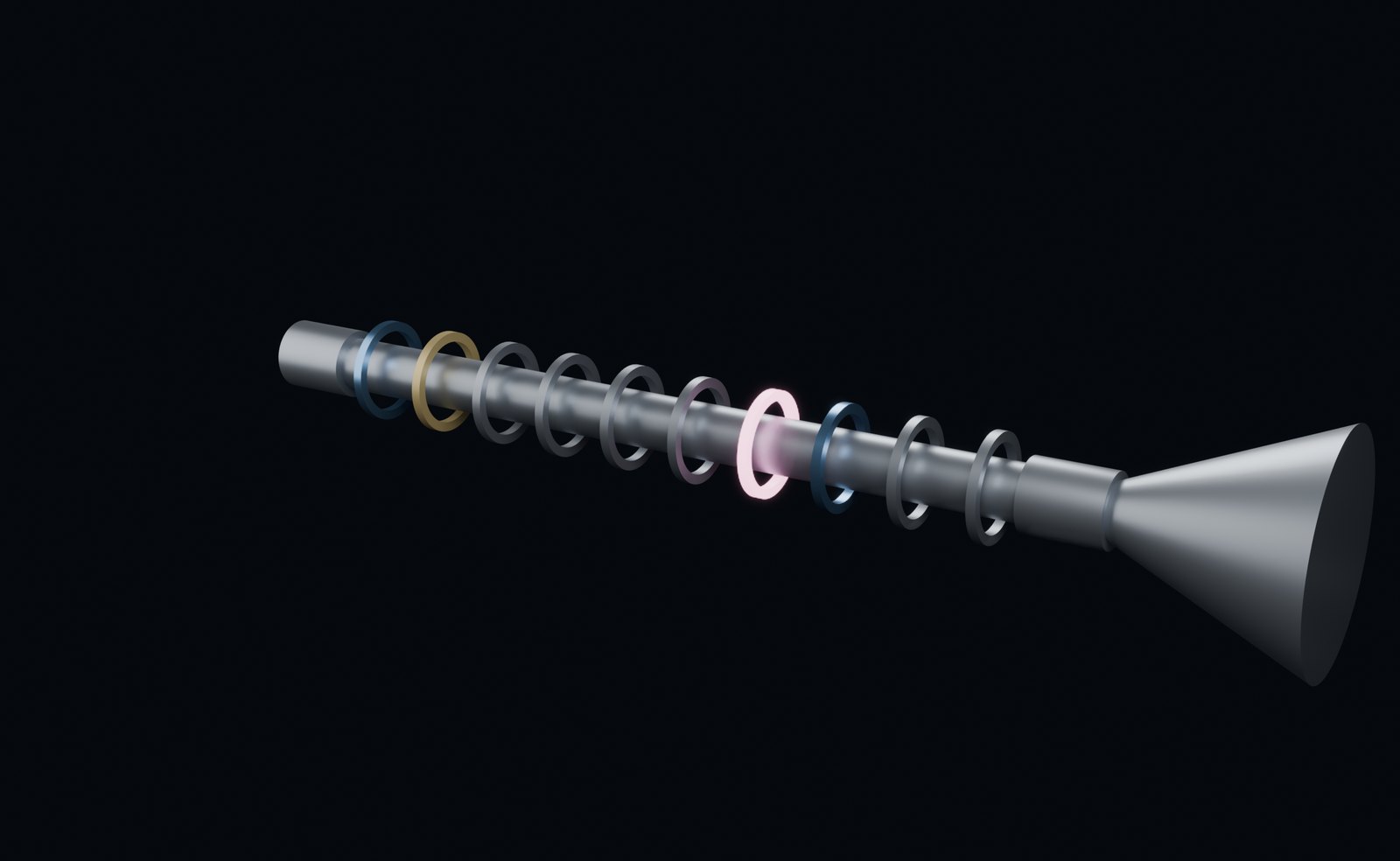
Aegis is intended to deliver resilient, low-signature, sovereign power for fixed installations. Siting favors compact footprints, restrained thermal and acoustic plumes, and hardened services. The linear machine plus DEC end is arranged so the reactor hall, control building, and utilities form a defensible, screened compound.
Interfaces set early
Selection fixes the grid or islanded interconnection point, the heat-rejection method, and the fuel-handling location for D-³He. These choices propagate into the balance-of-plant design, so they are locked before civil design proceeds. Because the machine is at design stage, siting studies are performed as engineering scenarios against the frozen tandem-mirror configuration (26.49 T plug, 17 T throat, DEC end).