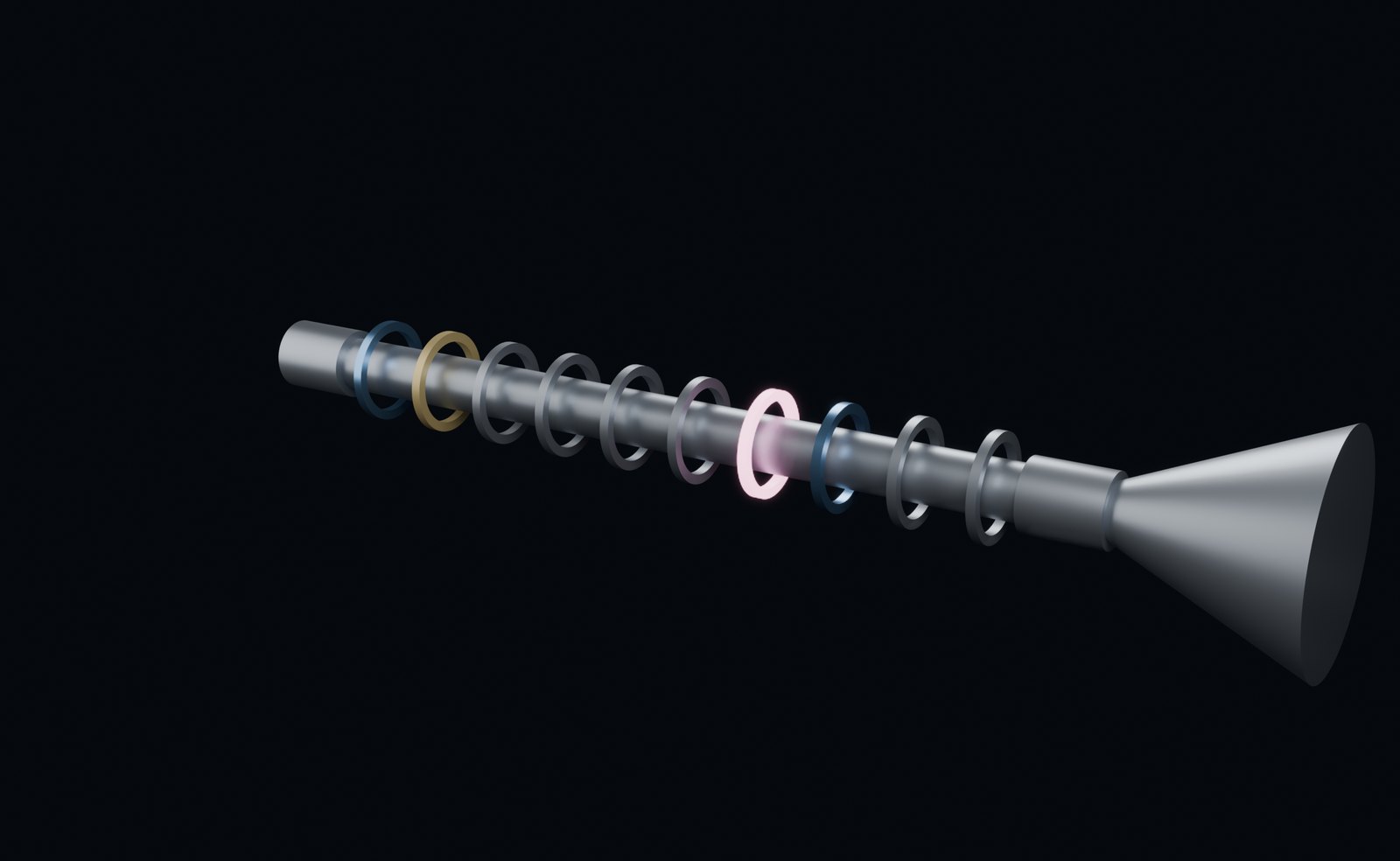
Vacuum Vessel Installation
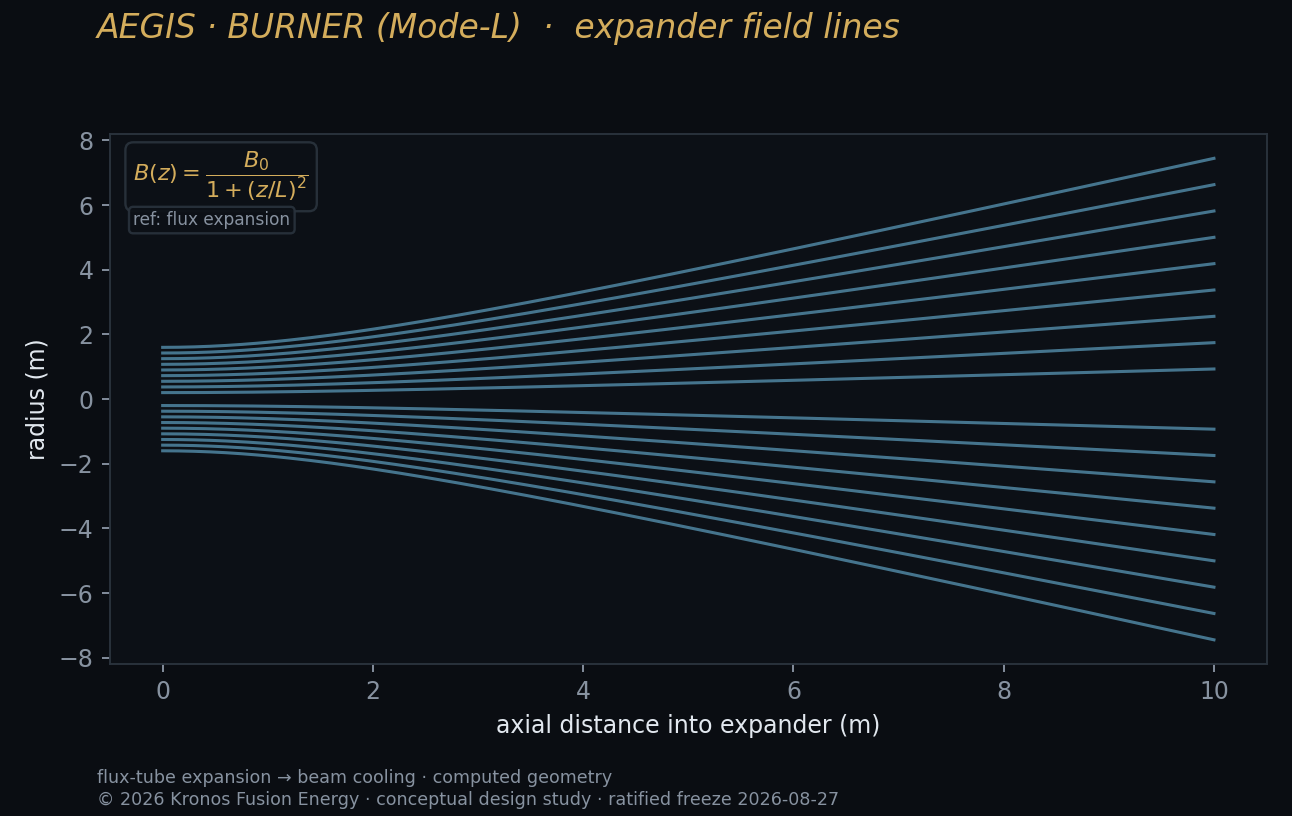
The vacuum boundary is assembled, sealed, and leak-verified to reach and hold the ultra-high vacuum the tandem mirror requires.
A magnetic-confinement machine runs in ultra-high vacuum. The vacuum vessel and its extensions — central cell, plug regions, throat, and expander tank — form a continuous boundary that must be assembled, sealed, and proven leak-tight before any plasma work.
Boundary continuity
The vessel is delivered as sections matching the machine modules. Field joints are completed and inspected, and every penetration — for pumping, fueling, diagnostics, and current leads — is sealed and cataloged. Each penetration is a potential leak and a potential radiation-streaming path, so both concerns are checked together.
Leak verification
- Rough pumping to a mechanical base pressure
- Helium mass-spectrometer leak testing of every joint
- Documented leak rate against acceptance limits
- Bakeout to drive off surface water and adsorbed gas
Cleanliness and vacuum quality
Ultimate vacuum quality depends on the cleanliness of interior surfaces and the effectiveness of bakeout and conditioning. Handling protocols during rigging protect vacuum-facing surfaces; conditioning later removes the residual gas load. The vessel design and installation target the pressures the D-³He plasma requires for stable central-cell operation.
As with the rest of Aegis, this is the installation plan for a design-stage machine; the vacuum boundary is specified and simulated against the frozen configuration.