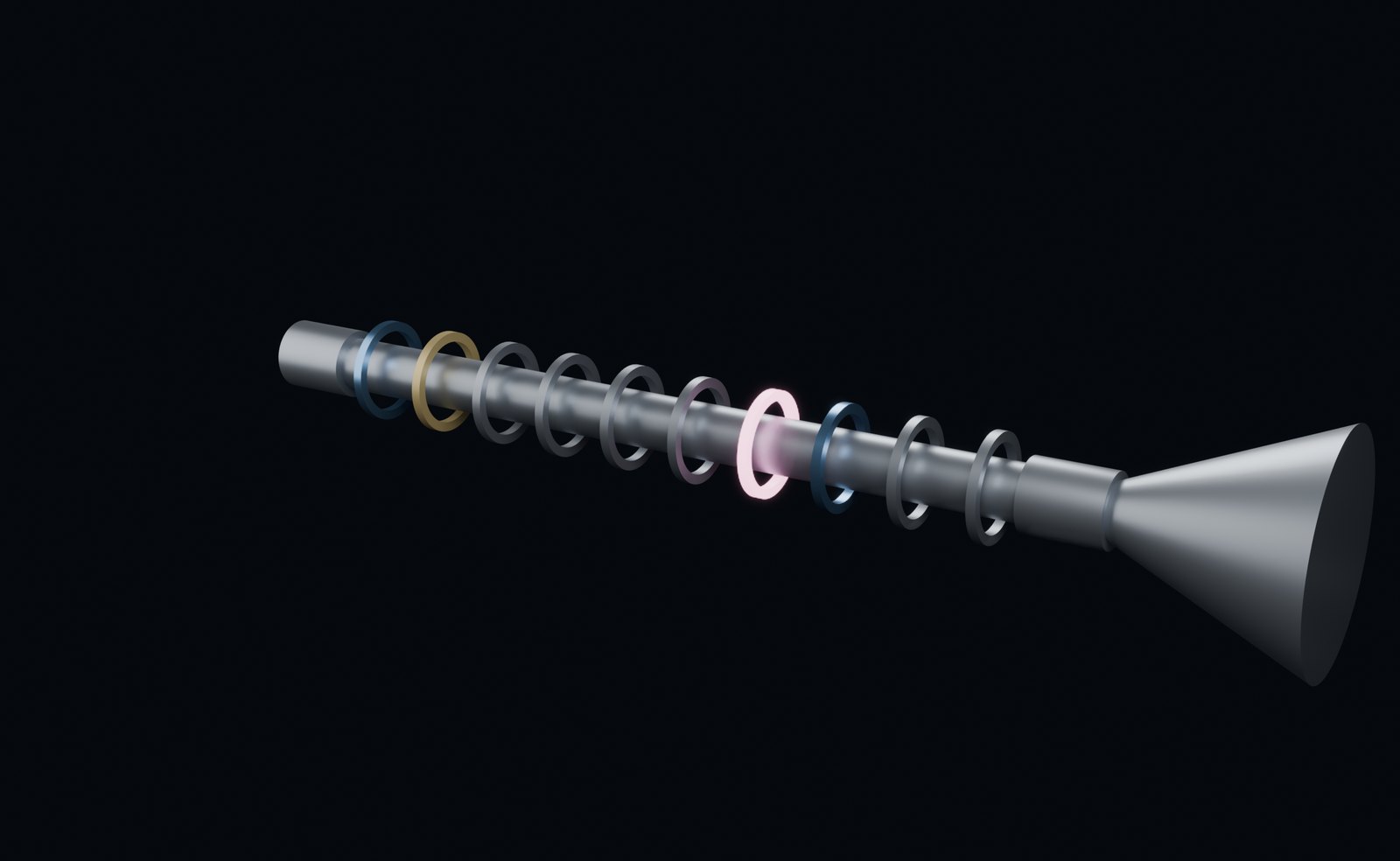
Startup Sequence
Startup proceeds from a cold, evacuated, safe machine through magnet energization to plasma initiation and the operating point.
Startup is the ordered transition from a safe, standby machine to steady operation. Each step confirms readiness before enabling the next, so the plasma is never approached until the vacuum, cryogenics, magnets, and protection systems are verified. The sequence is reversed for shutdown.
Pre-plasma readiness
- Safe state confirmed: interlocks set, personnel clear of controlled areas
- Vacuum verified at operating base pressure
- Coils cold and cryoplant stable
- Protection and safety systems armed and tested
Magnet energization
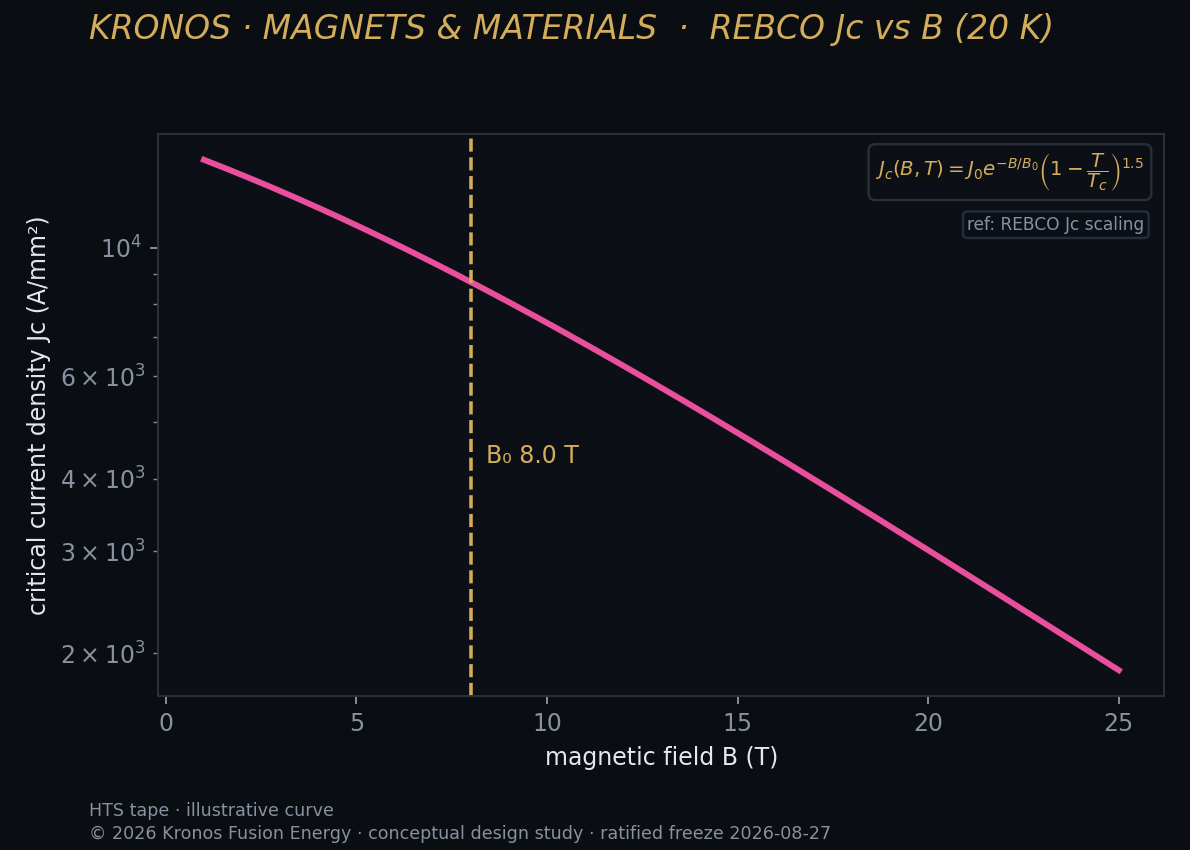
The magnets are ramped in a controlled sequence with quench protection live. The plug coils (26.49 T class) and throat coils (17 T) reach their field before plasma work, establishing the mirror field profile that will confine the burn. The ramp is slow enough to respect thermal and mechanical limits.
To the operating point
Plasma is initiated in the central cell, the end plugs are formed to build the confining potential, heating brings the plasma to conditions, and fueling holds composition. The plant then settles at the design operating point. Startup is engineered at design stage; the first test burner (~2032) is where the sequence is first exercised on hardware.