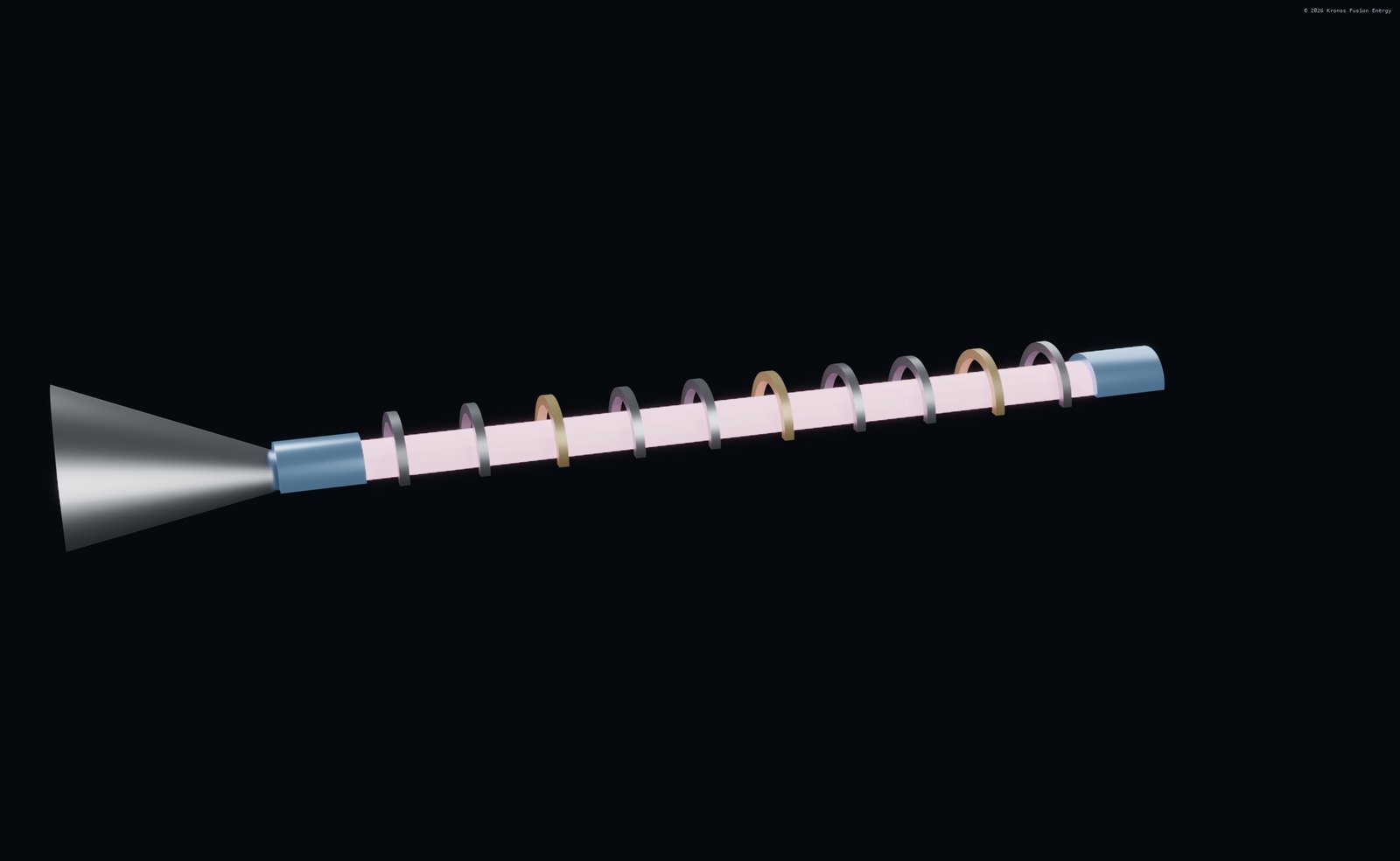
Fuel Mix & Neutron Yield
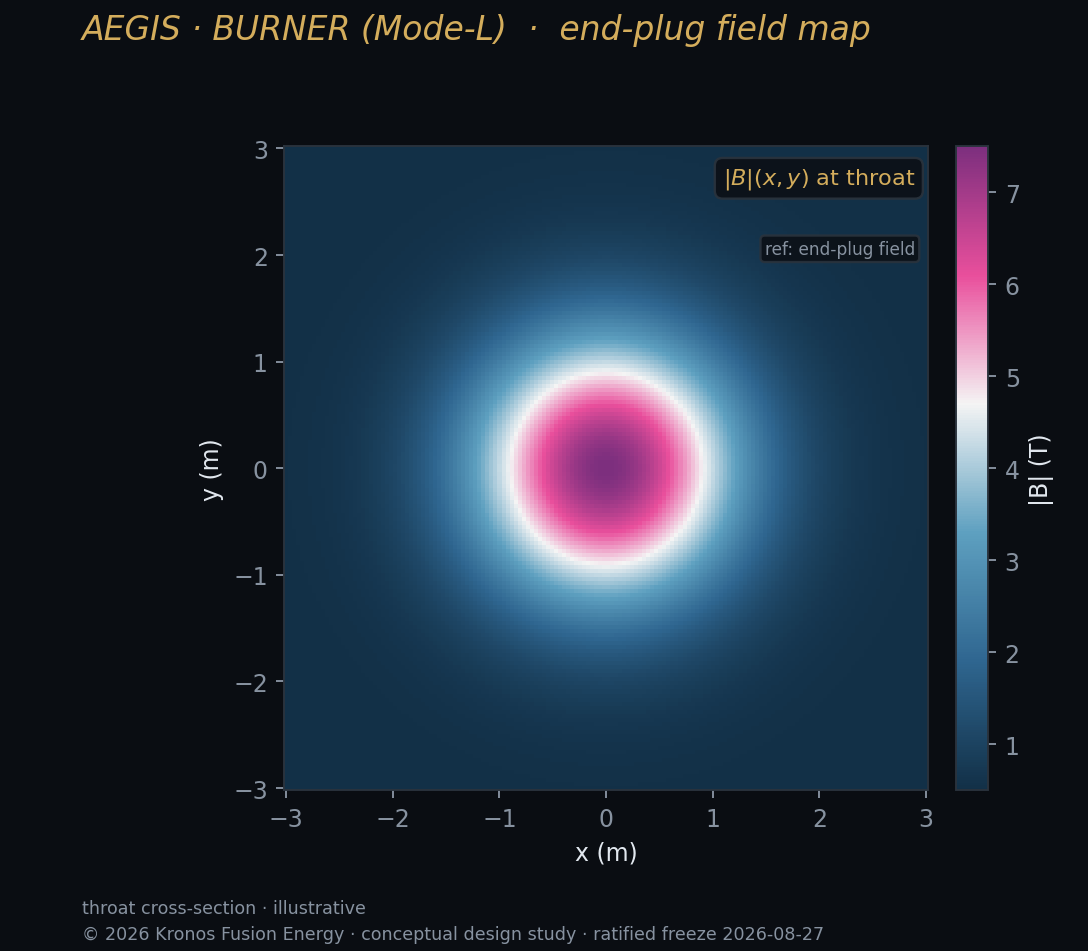
The deuterium-to-helium-3 ratio trades neutron fraction against helium-3 demand; a He-3-rich mix runs cleaner but needs more scarce fuel.
The lever between neutrons and fuel
The neutron fraction is not a single fixed number of physics — it depends on the fuel mix. More deuterium relative to helium-3 raises the rate of D–D side reactions and pushes the neutron fraction up; more helium-3 suppresses D–D and lowers it, at the expense of consuming more of a fuel that is scarce at terrestrial scale. The burner's 5.44% is the design-point value for its chosen mix.
This coupling ties the physics directly to the fuel-supply gate. Running cleaner (lower neutron fraction, less activation) means burning more helium-3, which worsens the ~400× supply shortfall per commercial unit. Running with more deuterium eases fuel demand but raises the neutron load on structures. There is no mix that escapes both constraints.
Why the design point sits where it does
5.44% represents a balance: low enough to keep direct conversion worthwhile and activation modest, rich enough in deuterium to keep helium-3 demand from being even more extreme. It is an honest compromise, not an optimum that removes either problem.
Because the same mix sets both the neutron load and the helium-3 draw, the design cannot minimise both at once; it can only choose a defensible point on the trade curve. The 5.44% point reflects that honesty — it is neither the cleanest nor the most fuel-frugal mix, but the balance that keeps direct conversion worthwhile without making the already-severe supply gate worse.
- Neutron fraction rises with deuterium content
- He-3-rich mix runs cleaner but needs more fuel
- 5.44% is the chosen design-point balance
- Couples directly to the He-3 supply gate