Skid-Integrated Subsystems
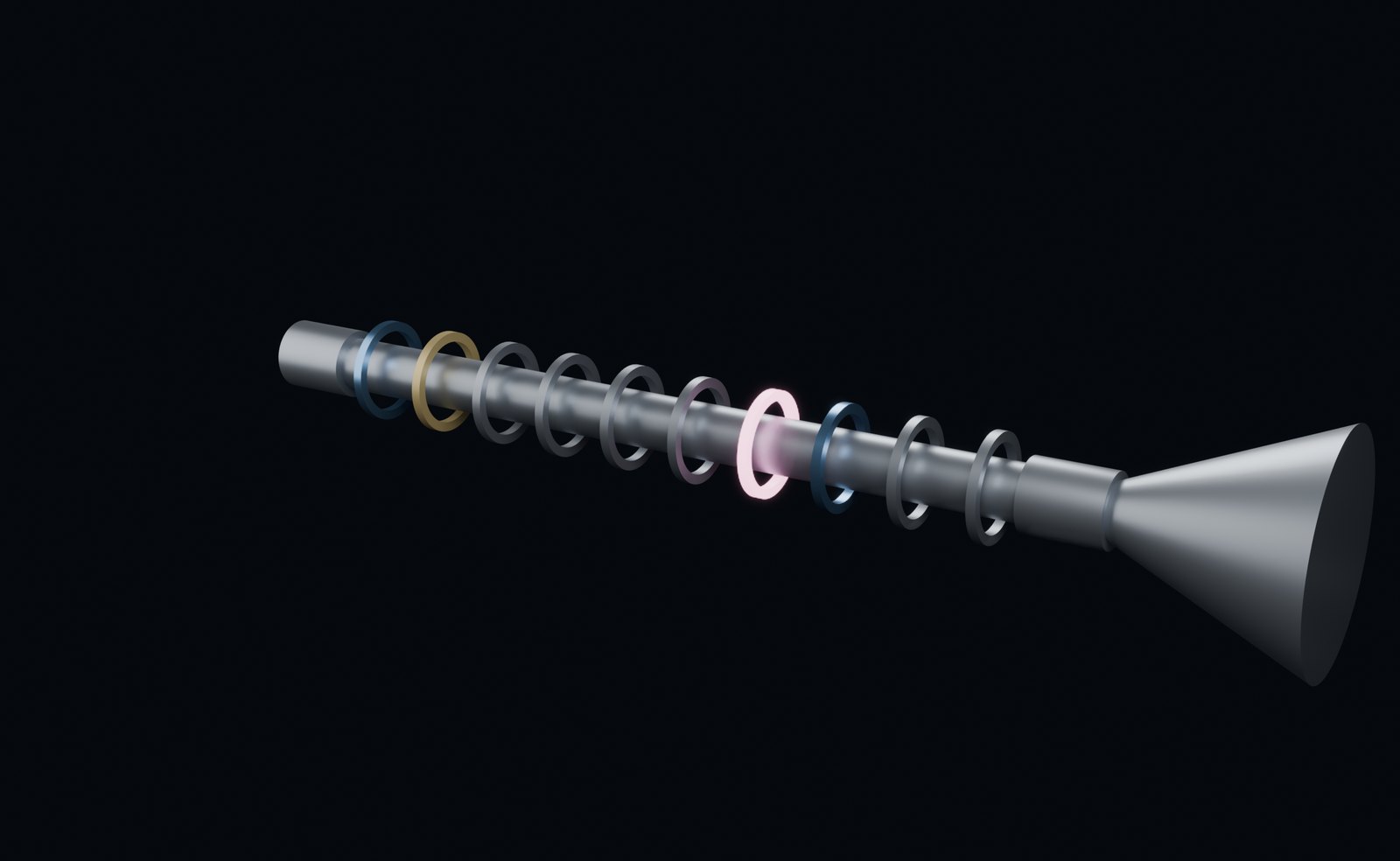
Support subsystems — cryoplant, heating, pumping, power conditioning — are packaged as pre-built skids that connect to the machine on site.
Around the machine axis sit the support subsystems that keep it running: the cryogenic refrigeration plant, the neutral-beam and RF heating systems, the vacuum pumps, and the power-conditioning equipment. Rather than building these in place, the burner packages them as skids — pre-assembled, pre-tested modules with defined interfaces — that are delivered and connected like the machine modules themselves.
Skid packaging extends the module-first philosophy from the machine to its plant. Each skid is a self-contained functional unit: it arrives tested, is set near its point of use, and is connected through standard interfaces for coolant, power, vacuum, and control. This shortens commissioning and makes the support plant repeatable across units.
Skid interfaces
- Coolant connections to the cryogenic and heat-rejection loops
- Electrical interfaces for supply and for DEC output
- Vacuum and gas connections to the machine
- Control and instrumentation links
- Physical footprint and access on the site layout
- Standardized connection points for faster commissioning
Standard interfaces are what make a skid swappable: a replacement arrives with the same connection points as the unit it replaces, so a maintenance swap does not require re-engineering the connections. That repeatability is what lets later units reuse the same skid designs rather than re-designing the support plant each time.
Why skids
Skids move complexity into the factory, reduce on-site labor and risk, and give each subsystem a clean maintenance boundary — a faulty skid can be serviced or swapped as a unit. Together with the machine modules, the skids make the whole installation a set of connected, tested blocks rather than a one-off assembly. This is a design-and-logistics property; no economic figures are implied.
All figures are design and validation values for a machine not yet built.