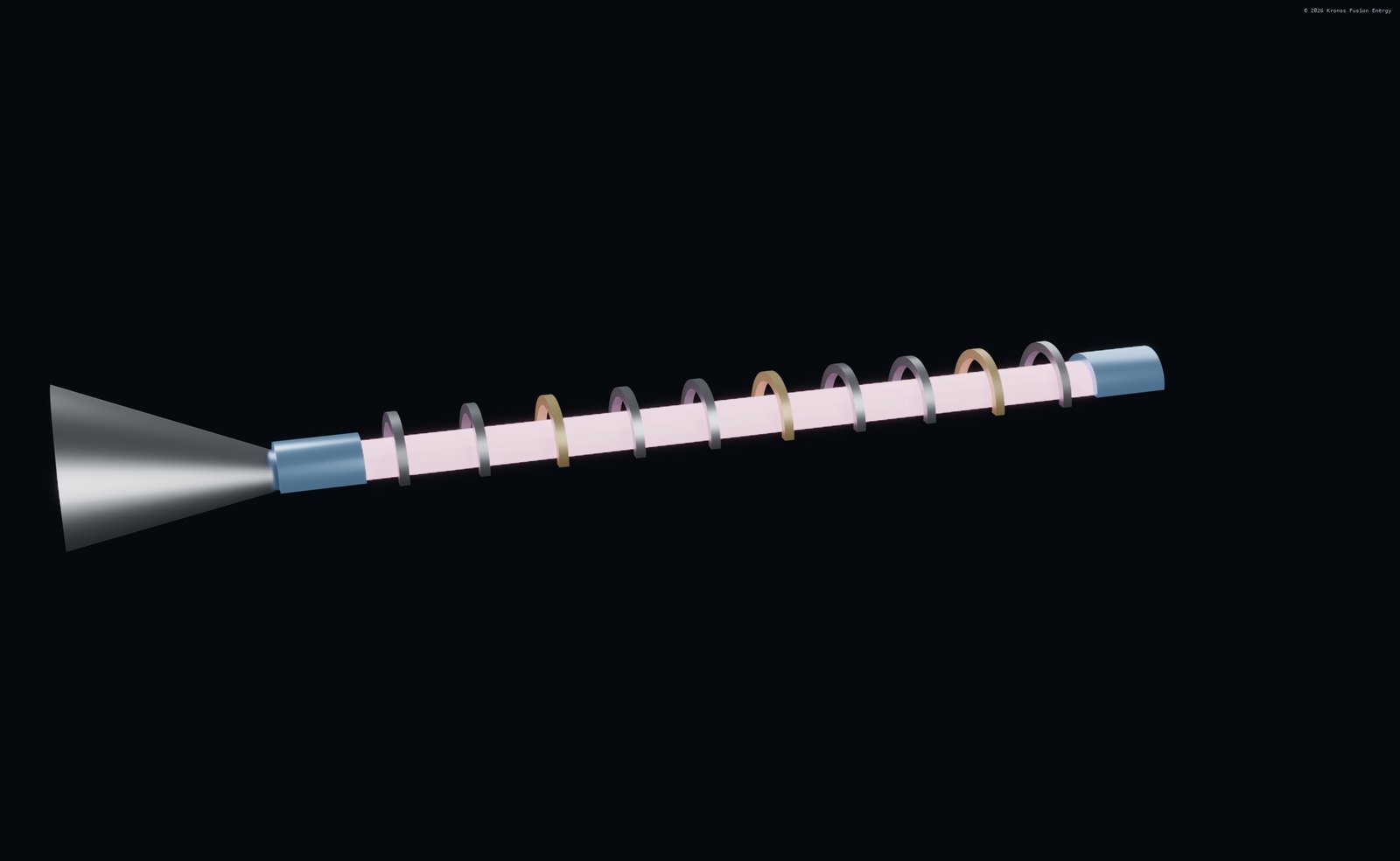
Fuel-Cycle Instrumentation and Monitoring
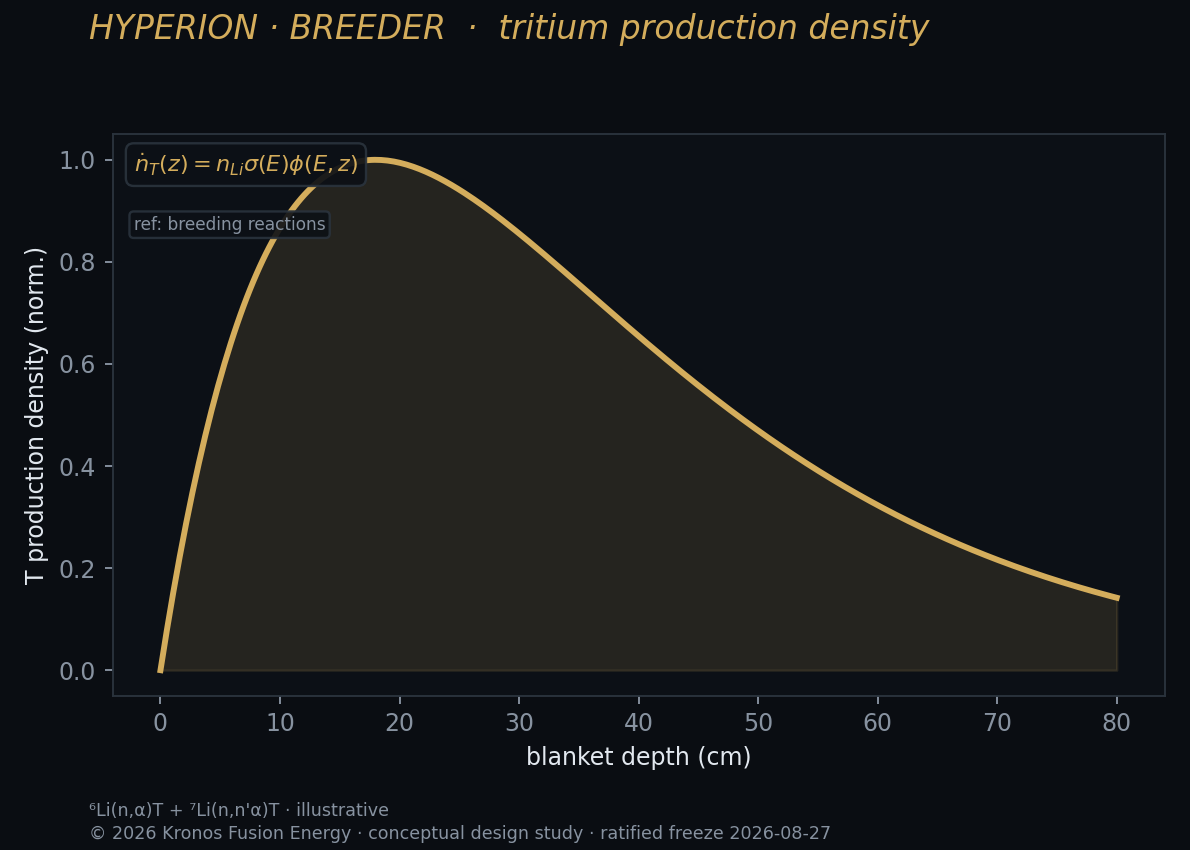
Sensors along the fuel cycle measure flow, composition, purity, and inventory, turning fuel handling into a measured, accountable process.
Measuring the whole loop
Every claim made about the fuel cycle — the mix ratio, the purity, the reserve, the mass balance — rests on measurement. Instrumentation is distributed along the loop: flow meters on injection and exhaust, composition analyzers before and after the plasma, purity monitors after separation, and inventory gauges on storage. Together they turn fuel handling from an assumed process into a measured, auditable one.
What the data drives
The measurements serve three systems. Plasma control uses real-time flow and composition to hold the density and mix ratio. Fuel accountancy uses inventory and flow data to keep the helium-3 mass balance closed. Quality assurance uses purity and composition data to gate each batch. Because helium-3 is a scarce, bred, tritium-derived material, this monitoring also supports the material-tracking discipline expected of it — the same sensors that optimize the burn also account for the resource.
- Flow, composition, purity, and inventory measured around the loop
- Feeds plasma control, fuel accountancy, and quality assurance
- Closes the helium-3 mass balance in real time
- Supports material tracking of a bred, tritium-derived resource
Instrumentation is the connective tissue of the fuel section: it is what makes every other page's claim — purity, ratio, reserve, balance — a measured fact rather than an assumption, and it is where the fuel supply meets the burner's control brain.