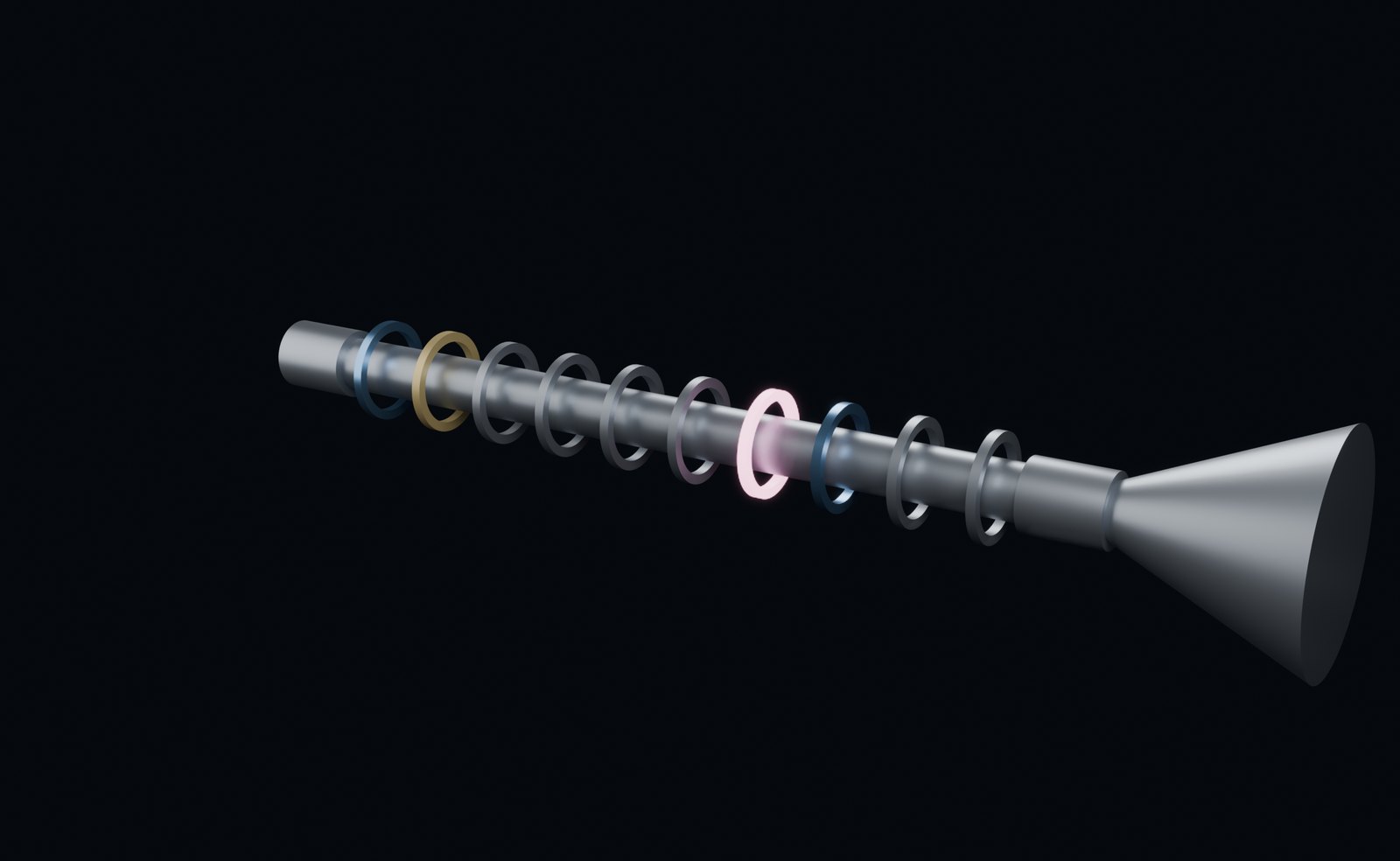
Gate Three in Depth: Helium-3 Supply
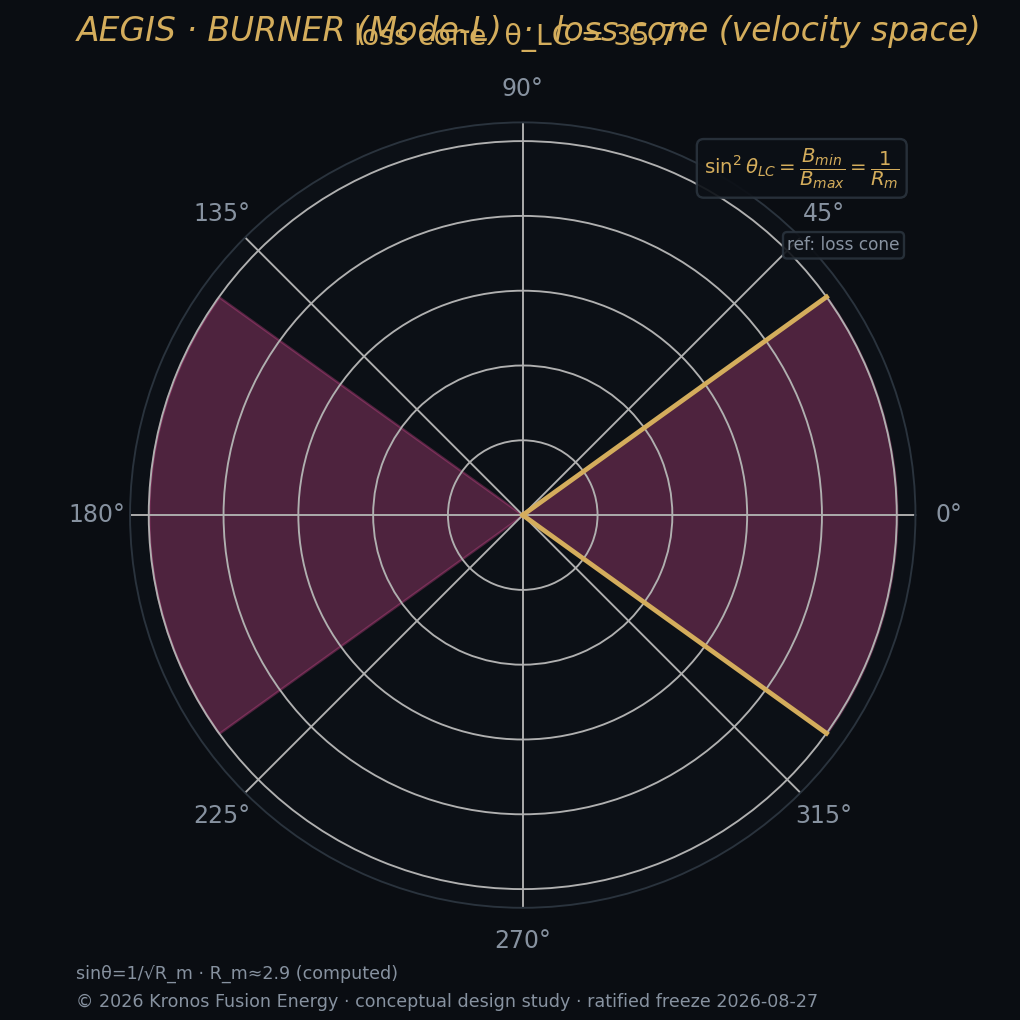
A single commercial burner would demand roughly 400 times today's entire domestic helium-3 supply, so the fuel does not yet exist at terrestrial scale.
The supply gap
Deuterium is effectively unlimited; helium-3 is not. Today's domestic helium-3 comes mainly from tritium decay in aging stockpiles and is measured in small quantities. One commercial Aegis unit at steady state would need about 400x that entire supply. There is no market you can simply buy this from.
Why this shapes the whole program
This gate is the reason the breeder comes first. Hyperion breeds tritium at a ~4 kg/yr class, and that tritium decays into helium-3 (~1.97 kg/yr class) on a fixed physical clock. The burner fuel is therefore bred, not mined. Beyond a breeder fleet, lunar helium-3 is the only known reservoir at the scale a burner fleet would eventually require.
What could close it
- A breeder fleet sized to feed each burner it supports
- Lunar helium-3 recovery as fleets scale (a multi-decade dependency)
- Tight inventory accounting so no helium-3 is wasted in handling
This gate is the clearest illustration of why Aegis and Hyperion are one program, not two. A burner detached from a breeder has no fuel and no path to one; the ~400x gap cannot be bought around. Bred helium-3 makes the fuel real at unit scale, and lunar recovery is the only known reservoir that could ever make it real at fleet scale.
See the supply ramp plan, lunar dependency, and helium-3 from the breeder.