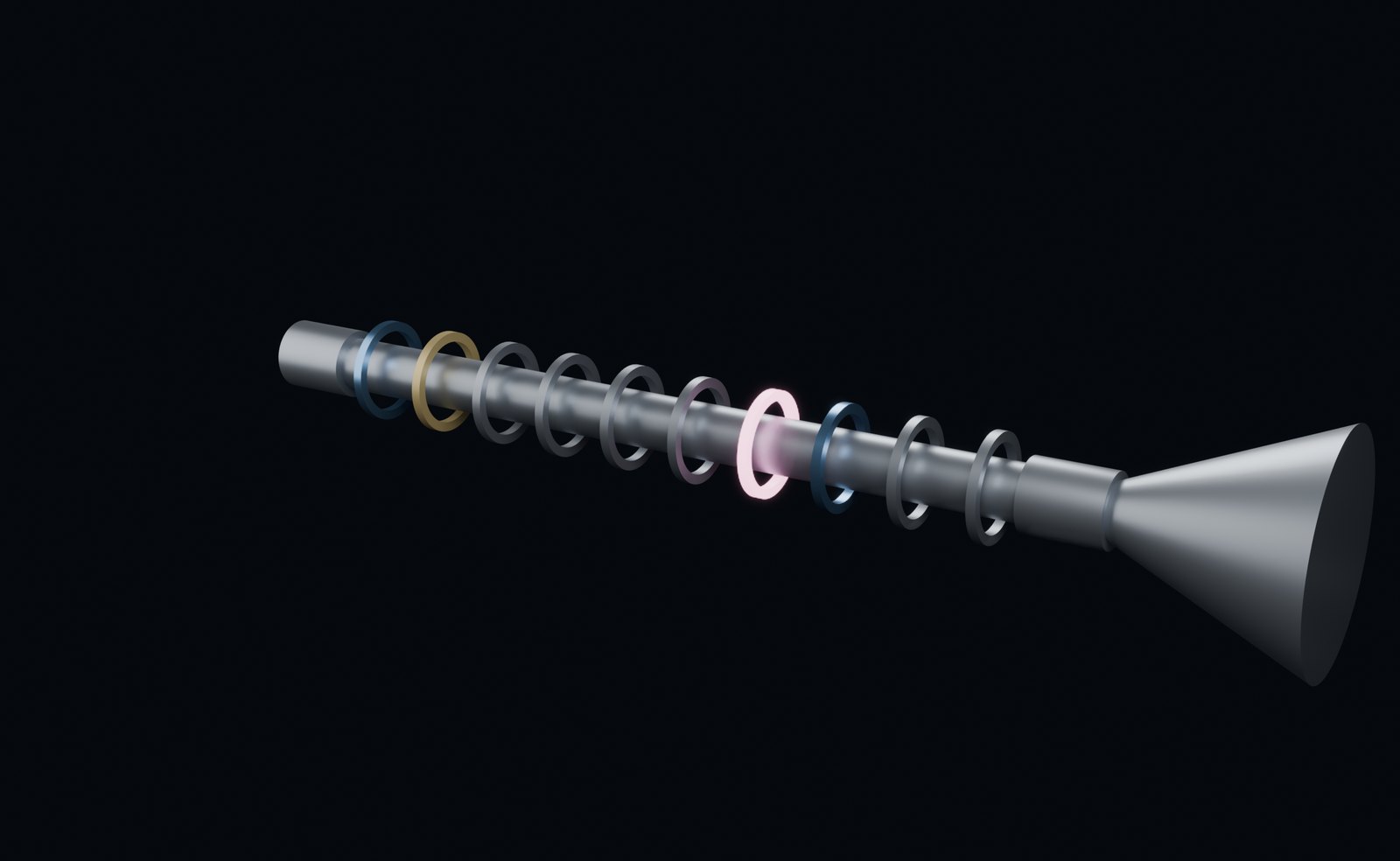
The Integrated Systems Test
Before commercial commitment, the whole fuel-to-electricity chain must run together; the test burner is that integrated test.
Why integration is its own gate
Subsystems can each pass alone and still fail together. Integration reveals interactions — magnet cooling under plasma load, DEC behaviour with real neutron background, fuel handling at operating rate — that no single-subsystem test can show. The test burner around 2032 is the first integrated run.
What integration must demonstrate
- Sustained operation with all subsystems coupled
- Heat, particle, and neutron loads within design margins together
- Control and protection systems responding across the whole plant
- Repeatable start-up and shutdown of the integrated machine
Feeding the commercial decision
Integrated results are the evidence base for the ~2036 commercial decision. A subsystem that passed alone but fails in integration is exactly the kind of finding this test exists to surface early.
Integration is its own gate because subsystems interact in ways single-subsystem tests cannot reveal: magnet cooling under plasma load, conversion behaviour with real neutron background, fuel handling at operating rate. A component that passes alone and fails in combination is exactly the finding an integrated test exists to surface — early, on a learning machine, rather than late, on a commercial one.