Why the Breeder Comes First
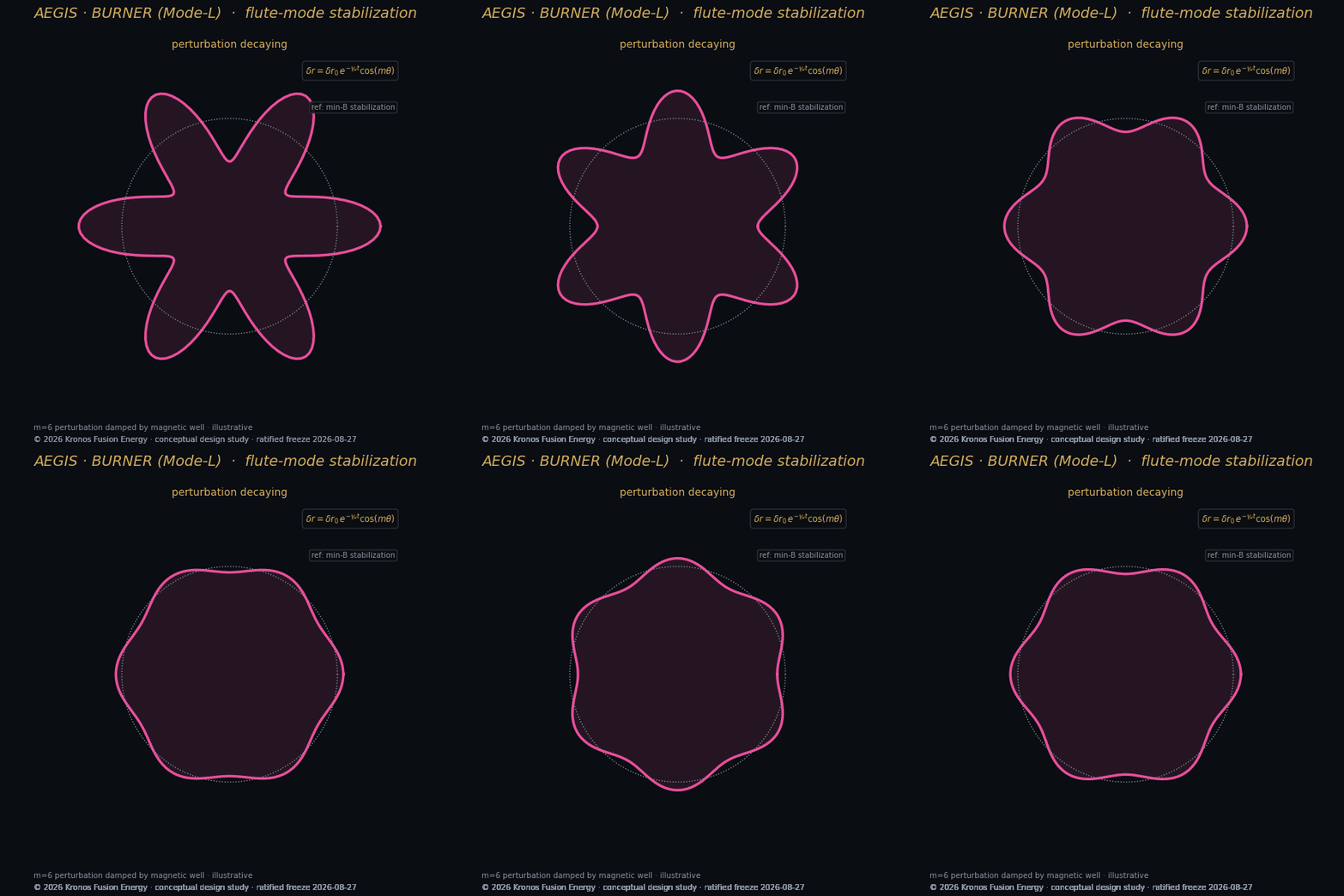
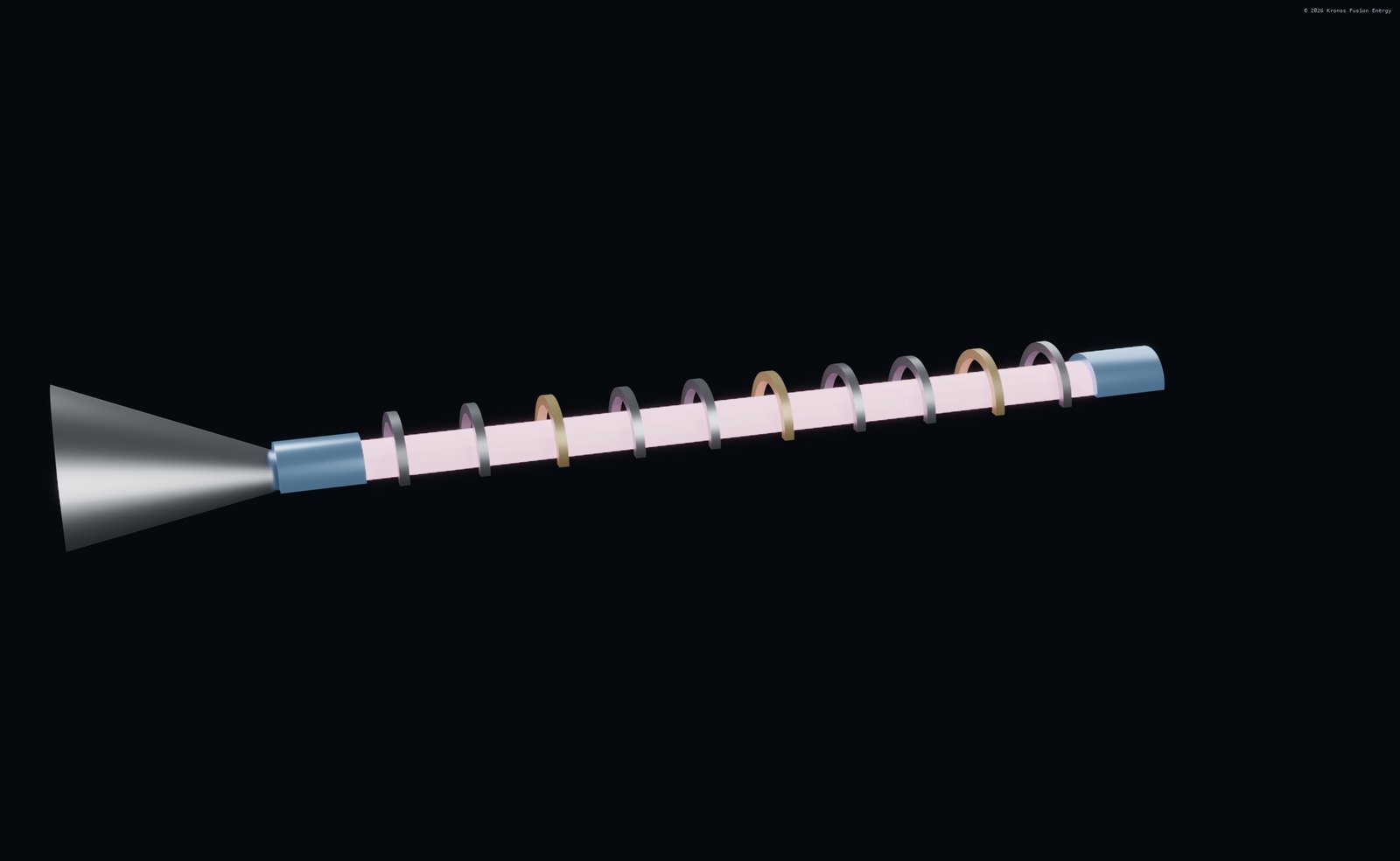
The burner runs on helium-3 that only the breeder produces, so Hyperion's 2027 construction and 2030 first tritium set the earliest possible burner clock.
A fuel dependency, not a preference
Aegis cannot start before its fuel exists. Helium-3 at any useful scale comes from tritium decay, and the tritium comes from the breeder. Hyperion begins construction in Q2 2027 and targets FOAK first tritium around 2030. Only then does a burner fuel supply begin to accumulate.
The physical clock
Tritium decays to helium-3 with a fixed half-life; you cannot rush it. The breeder therefore produces a ~4 kg/yr tritium class and a ~1.97 kg/yr helium-3 class on a schedule physics sets, not engineering. A test burner around 2032 uses this early, small supply; commercial fleets need a breeder fleet.
Consequence for the roadmap
Every burner date is anchored to a breeder date. If breeder first tritium slips, the test burner and commercial burner slip with it. This is the honest reason the burner is not promised sooner.
This dependency is often the first surprise for a reader who meets the burner alone: it is not a standalone machine. Its resilience story — sovereign power free of the fuel-logistics tail — depends entirely on a domestic breeder loop that must exist first. The tandem-mirror core can be admired in isolation, but its fuel cannot, and we present the two together for that reason.