Thermal & Emissions Signature
Direct energy conversion cuts waste heat and removes combustion emissions, but heat rejection remains a signature to manage.
Heat and emissions, separately
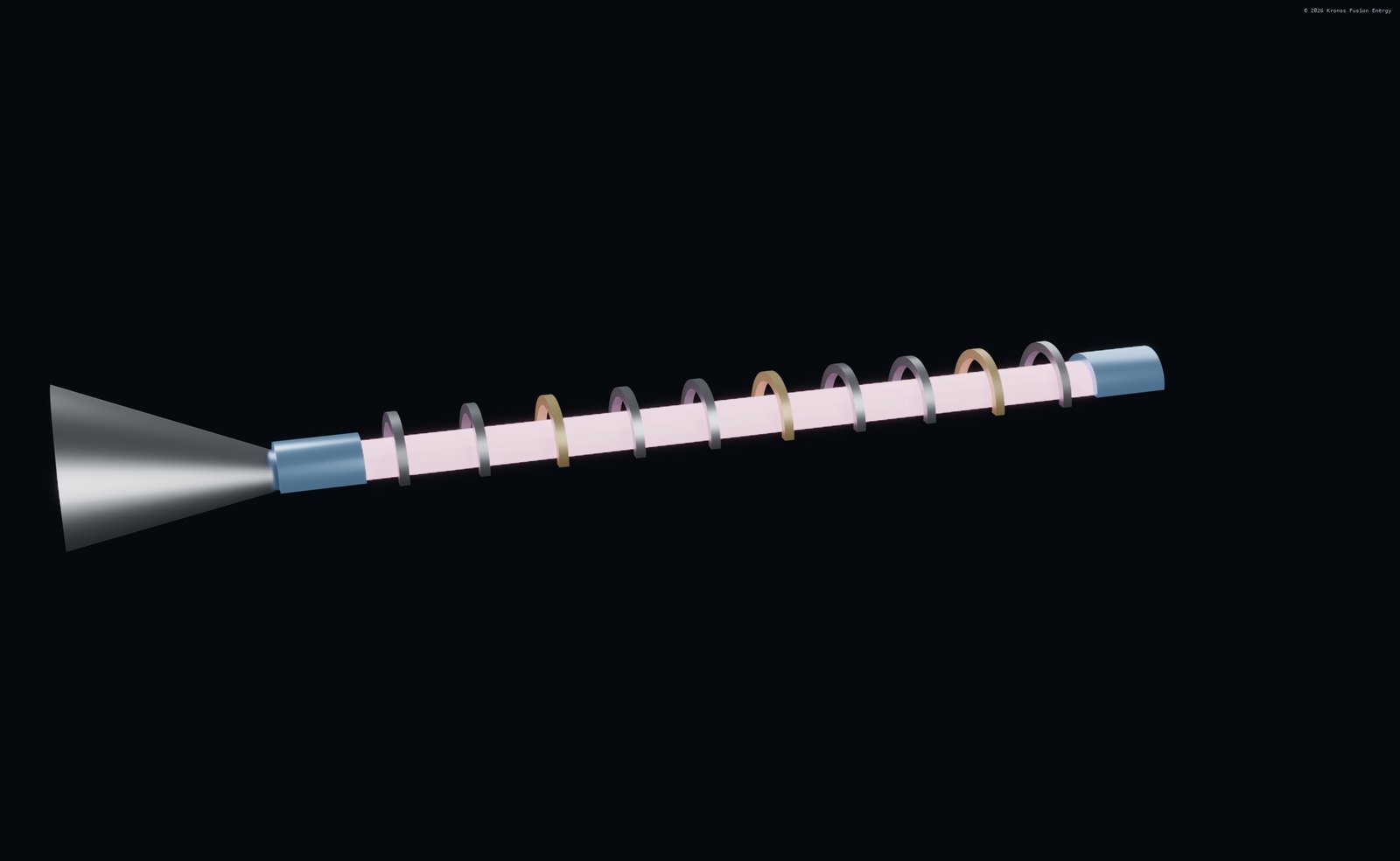
Two signatures matter for a power plant: the emissions it releases and the heat it rejects. Aegis removes the first almost entirely — there is no combustion, so no carbon, particulate, or chemical exhaust — and reduces the second, because direct energy conversion turns charged-particle energy straight to electricity instead of routing all of it through a heat engine.
Why direct conversion helps
A steam plant must reject the large fraction of input energy that the thermodynamic cycle cannot convert. Direct energy conversion captures charged-particle energy electrostatically, so a smaller share of the total ends up as waste heat. The residual — neutron heating (from the 5.44% neutron fraction) and system losses — still needs rejection, but the heat-rejection duty is smaller than a thermal plant of similar output.
- No combustion emissions of any kind
- Direct conversion reduces the waste-heat fraction
- Residual heat: neutron heating + system losses
- Heat rejection still produces a managed thermal signature
Managing the residual
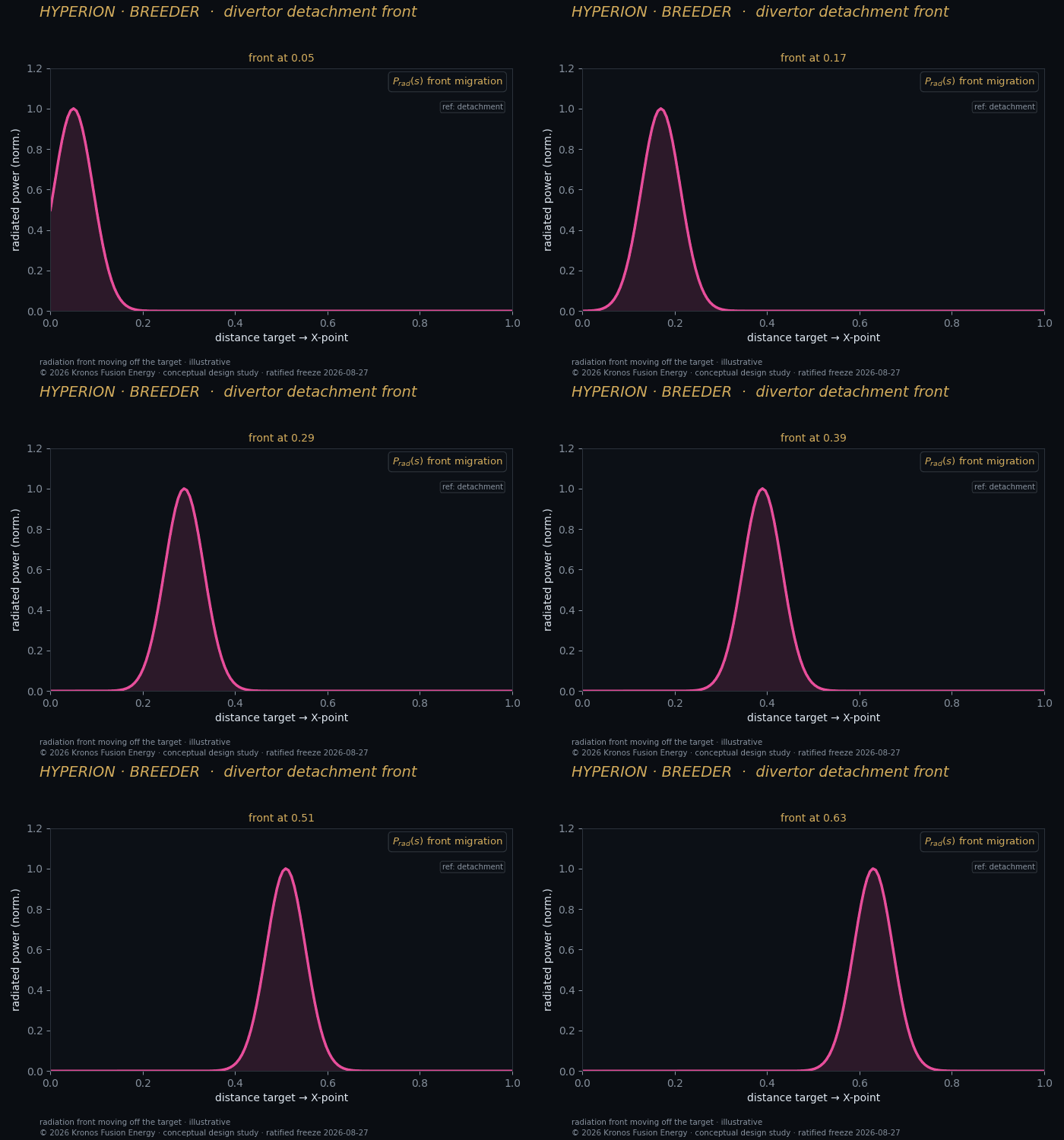
Residual heat can be rejected through cooling towers, a water body, or dry-cooling arrays, and its thermal signature managed by dispersion and, where useful, by putting waste heat to work in campus thermal loads. Emissions monitoring focuses on the radiological pathway rather than combustion products.
These are design-stage characteristics of the fixed-installation housing; the specific rejection method is chosen per site, and the whole discussion is about physical signature — emissions and heat — not about efficiency expressed as anything other than the share of energy that must be shed as heat.