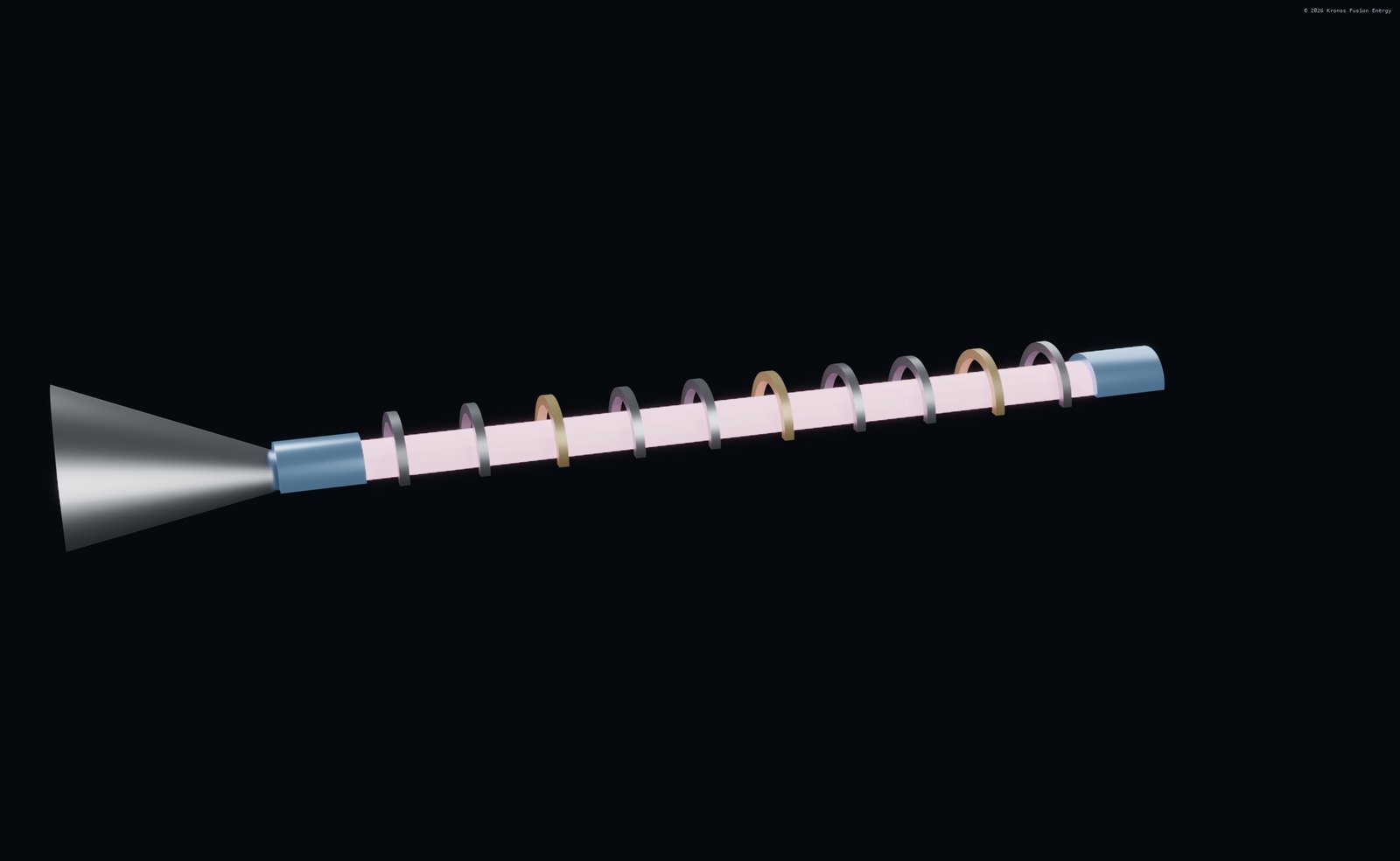
Siting at Fixed Installations
Aegis is engineered for fixed sites - bases and installations - and explicitly not for naval or mobile platforms.
Fixed, by design
Aegis is the burner in its fixed-installation housing. That constraint is deliberate and load-bearing: it is sited at bases and other fixed locations, and it is not a naval or mobile system. A fixed foundation removes the motion, sea, and space constraints of a platform and lets the design use full-size magnets, cryogenics, direct-conversion halls, and heat rejection.
What a fixed site allows
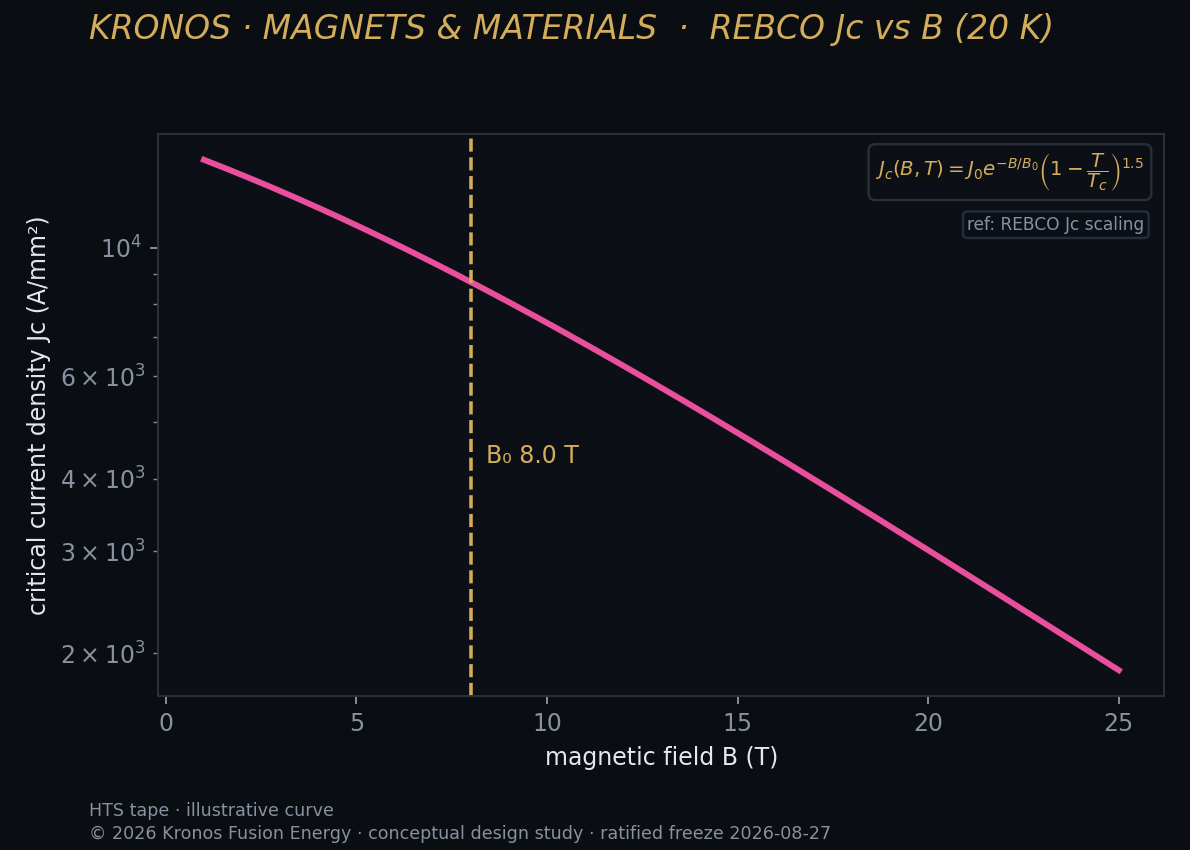
A permanent foundation supports the 26.49 T plug and 17 T throat magnet structures, a full cryogenic plant, a direct-energy-conversion hall, and the heat-rejection capacity the machine needs — all sized without the weight and volume limits of a vehicle. It also allows proper setback, physical separation of redundant units, and hardened auxiliaries.
- Fixed foundation for large high-field magnets and cryoplant
- Room for a direct-conversion hall and heat rejection
- Setback, separation, and hardening not possible on a platform
- Explicitly not naval and not mobile
Site classes
Fixed installations span a range: fenced bases, remote and austere outposts, and extreme-climate sites. Each drives siting choices — stand-off distance, seismic and flood design, cooling medium, and the size of the on-site fuel and storage buffer — but all share the fixed-foundation assumption.
Everything in this section assumes a fixed site. Any reader looking for a shipboard or vehicular story is in the wrong place — that is not what Aegis is. This constraint also simplifies safety and licensing relative to a mobile system, because a fixed, characterised site allows fixed shielding, fixed setbacks, and a stable environmental baseline that a moving platform can never offer.