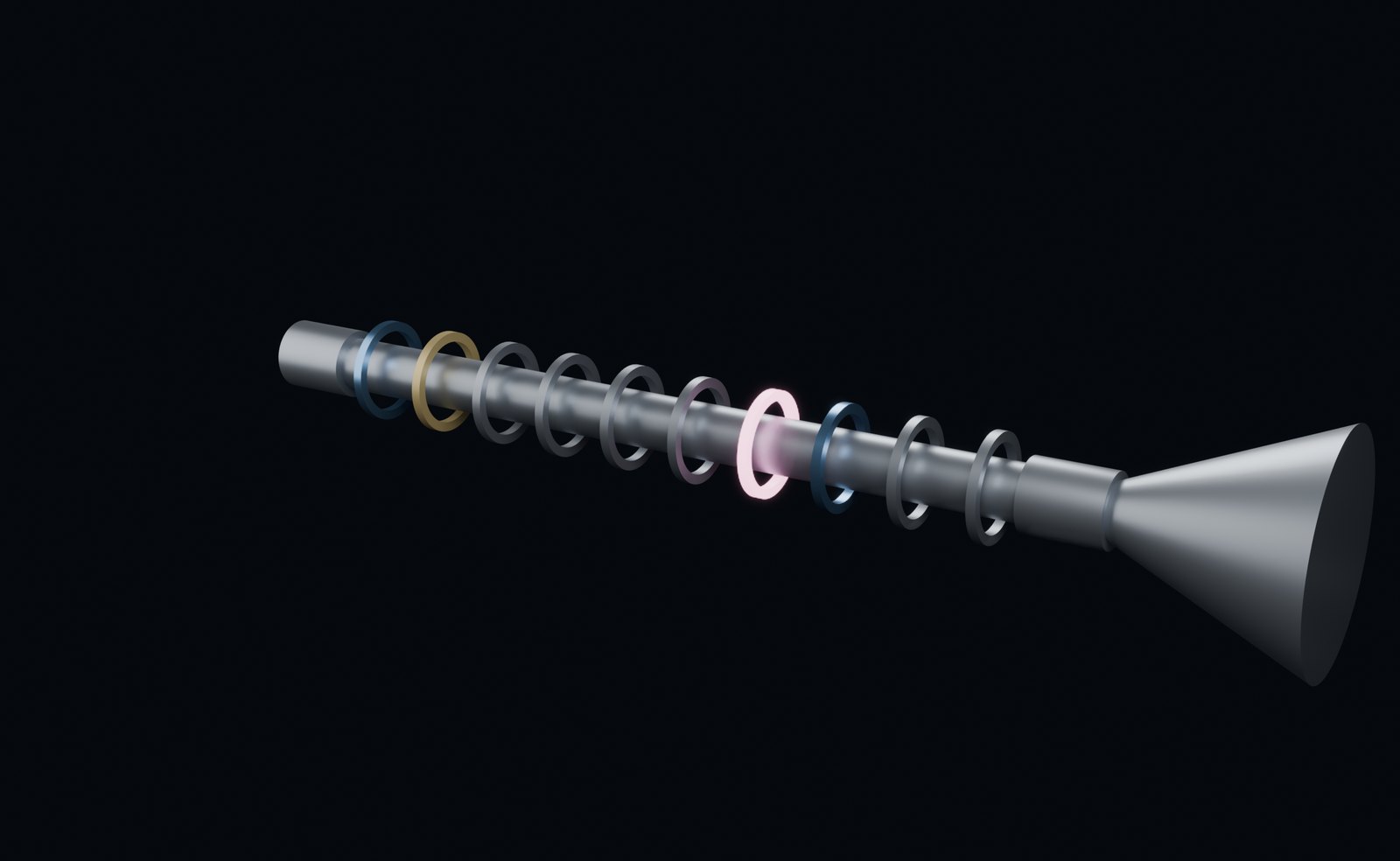
Dual-Feed & Utility Coordination
When an outside utility is present, Aegis coordinates with it - importing, exporting, or islanding as conditions require.
Using the grid without depending on it
Many fixed installations still have a utility connection. The resilient design uses it as a convenience, never a dependency: Aegis can run in parallel with the utility, take over when it fails, and reconnect when it returns — all without dropping the mission. This is dual-feed operation with the utility as one feed and Aegis as the other.
Modes of coordination
Connected, the installation can import from or export to the utility while Aegis provides firm local generation. On a utility fault, the tie breaker opens and Aegis islands the campus. When the utility is restored and stable, the microgrid resynchronises and closes the tie, returning to parallel operation. Protection ensures faults on either side do not propagate to the other.
- Parallel: Aegis and utility share the bus
- Fault: open the tie, Aegis islands the campus
- Restore: resynchronise and reconnect smoothly
- Protection isolates faults to one side
Why the utility is not the answer
The outside grid is exactly the dependency Aegis exists to remove: it can be lost to storms, faults, or deliberate action. Coordinating with it is useful, but the resilience case assumes it is gone. Dual-feed is an optimisation on top of an already-islandable installation, not the foundation of continuity.
Coordination is a control-and-protection function: the utility is used opportunistically when it is stable, dropped instantly when it faults, and rejoined only once it is proven stable again, so the connection can only help continuity, never jeopardise it. Resynchronisation is automatic but gated on the utility being genuinely stable, so the installation does not reconnect to a flickering grid and inherit its disturbances — it rejoins only when doing so improves, rather than risks, continuity.