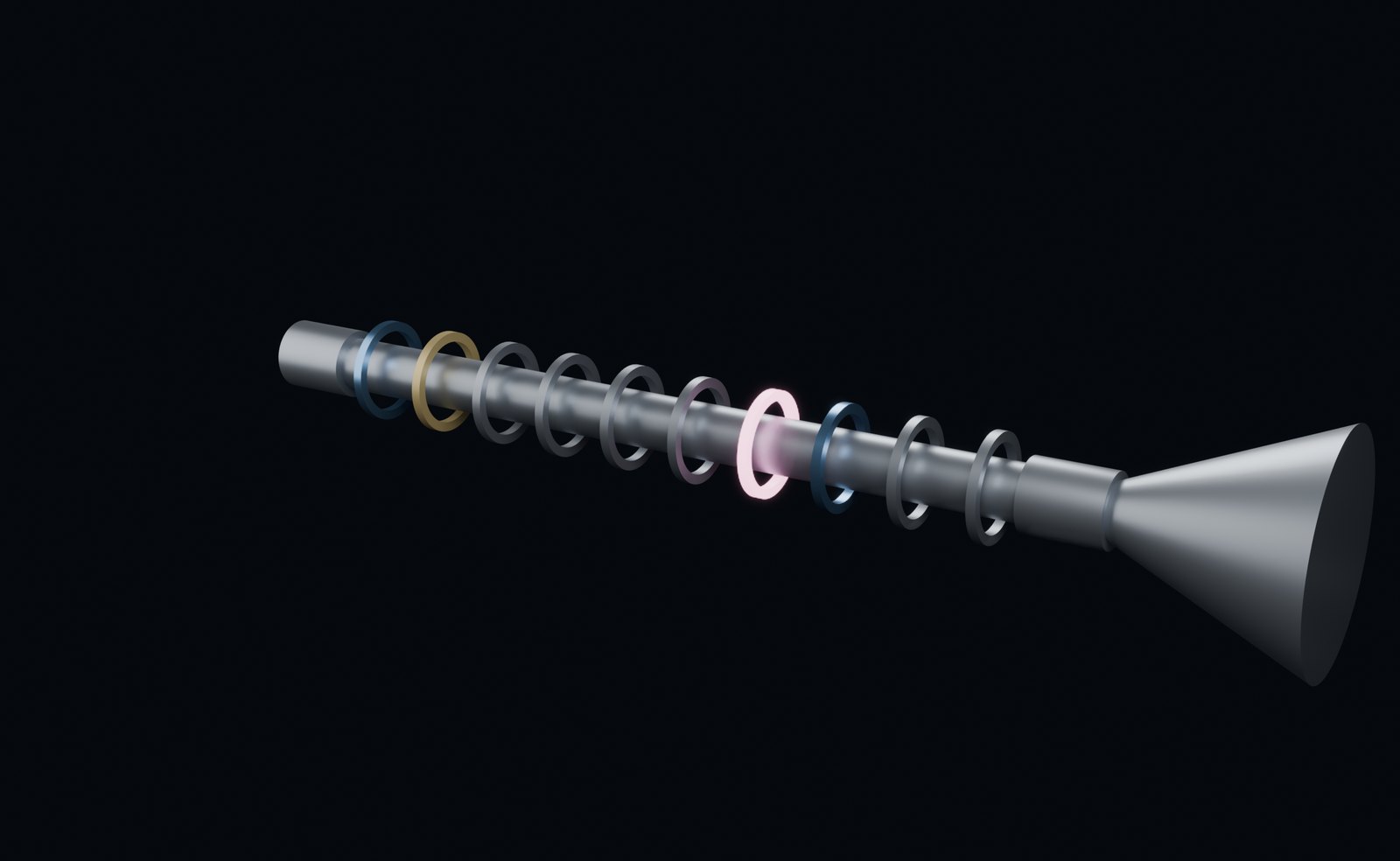
The Islanding Transition Sequence
The moment of separating from the outside grid must be seamless to critical loads - a controlled, sub-second sequence.
The critical moment
The hardest part of islanding is the transition itself: the instant the outside grid is lost, the installation must switch from sharing a bus with the utility to having Aegis form it alone, without the critical load noticing. Done poorly, this is where an outage actually happens; done well, it is invisible.
Step by step
A fault or a deliberate command triggers the sequence. Protection opens the tie breaker to the utility. Aegis, already running grid-forming or transitioning to it, holds voltage and frequency for the island. Non-critical load is shed to match available generation, and the microgrid settles serving the critical core. Storage absorbs the sub-second mismatch during the swap.
- Detect grid fault or receive island command
- Open the utility tie breaker
- Aegis holds the bus grid-forming
- Shed non-critical load to match generation
- Settle serving the critical load
Why storage sits on the critical path
No generator can change output instantaneously, and the plasma cannot ramp on millisecond timescales. A storage buffer supplies or absorbs the transient power during the transition, giving the machine time to settle. This is why the resilience architecture pairs Aegis with storage rather than relying on the machine alone.
The sequence is a design objective for the test burner; transition performance is one of the properties the burner program is meant to demonstrate. The design goal is a make-before-break behaviour from the load's perspective: Aegis is already holding or ready to hold the bus before the utility tie opens, so the critical load never sees an unpowered interval, only a change in who is sourcing it.