Electrical Transient Hardening
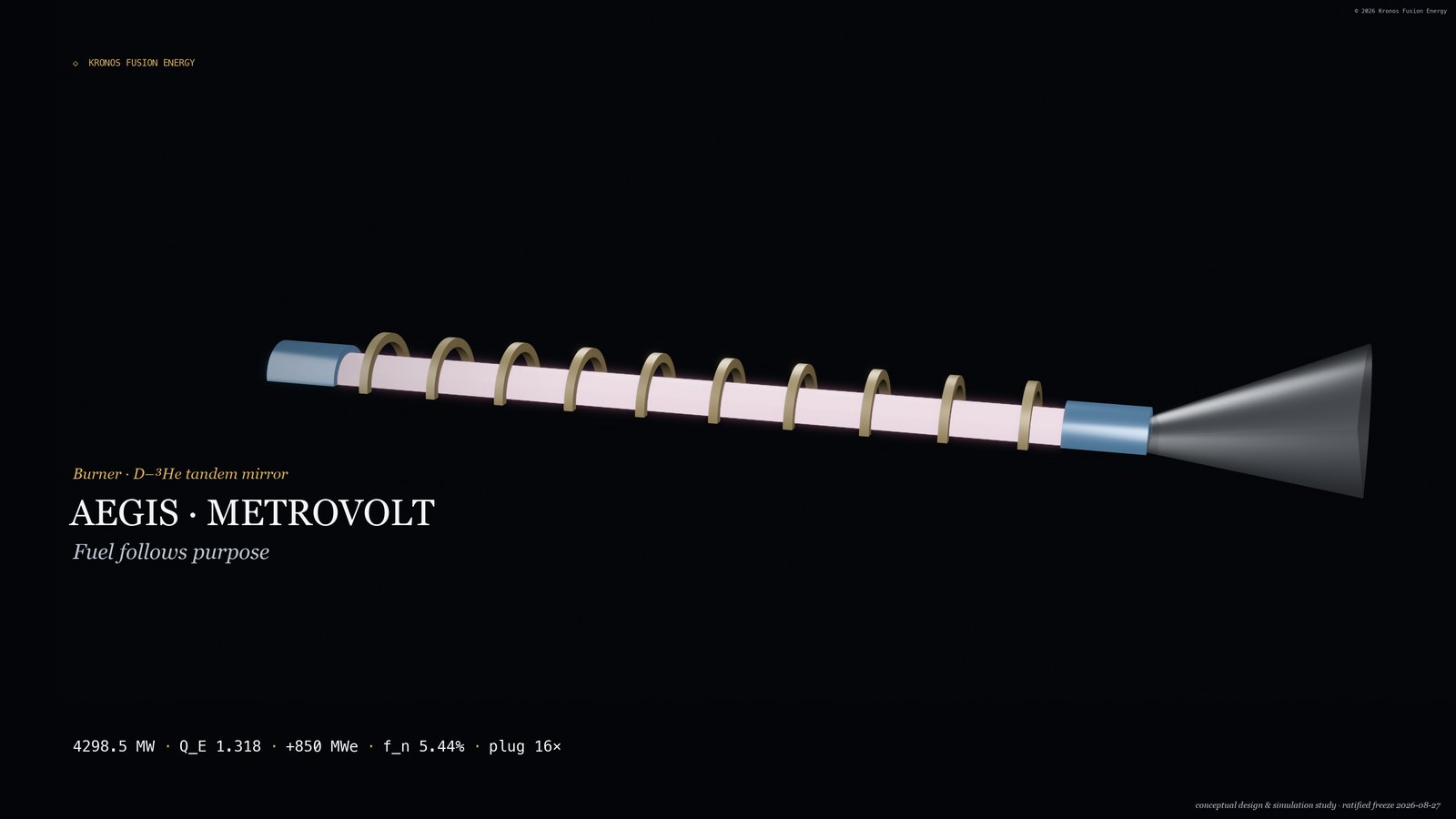
Aegis controls and power electronics are protected against surges and fast electrical transients that could disable the plant.
Protecting the electronics
A plant whose control and conversion rely on power electronics must be protected against fast electrical transients — lightning, switching surges, and other high-rate disturbances. A single unprotected path into sensitive control or conversion hardware could disable a unit or, worse, several. Hardening keeps such transients out of the critical electronics.
Layers of protection
Protection is layered: shielding and filtering at enclosure boundaries, surge suppression on power and signal lines, isolation between the plant's internal networks and any external connection, and grounding designed to route transient energy safely away from electronics. Redundant, physically separated control paths ensure a transient that reaches one does not reach all.
- Shielding and filtering at enclosure boundaries
- Surge suppression on power and signal entries
- Isolation of internal networks from external connections
- Redundant, separated control paths
Why it pairs with redundancy
Transient hardening reduces the chance that an electrical event causes an outage; redundancy limits the consequence if one still gets through. Because the availability gate assumes occasional unit loss anyway, hardening is aimed at preventing common-cause electrical events that could defeat the N+1 margin by taking multiple units at once.
This is stated conceptually and at the public level; specific hardening measures are engineered per installation and are not detailed here. Because protection is applied at every boundary a transient could cross, the design assumes penetration of the outer layers and still keeps the innermost control and conversion electronics inside a protected envelope.