The Contested-Logistics Environment
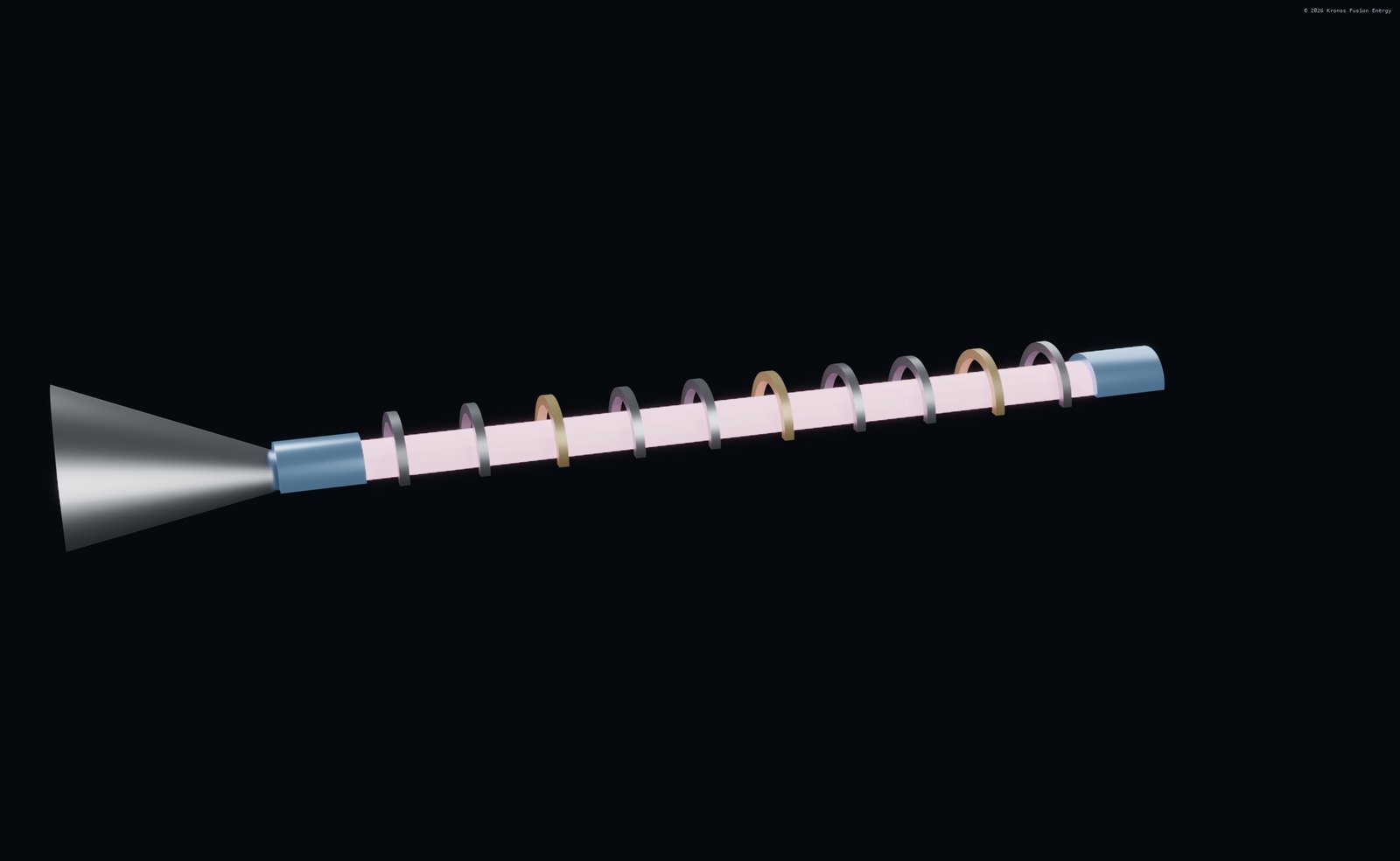
In a contested environment, resupply cannot be assumed - which is precisely the case Aegis is designed for.
When the road is not safe
Planning for fixed installations increasingly assumes a contested logistics environment: resupply convoys can be interdicted, delayed, or denied. Any capability that depends on regular fuel deliveries inherits that vulnerability. The design question is how to keep power flowing when the supply line cannot be relied upon.
How Aegis changes the calculus
Because Aegis carries years of energy as on-site inventory, its endurance is decoupled from the convoy schedule. In a period when resupply is denied, a fuelled generator counts down its tanks; Aegis counts down maintenance intervals. That shifts the binding constraint from logistics to availability — a constraint the installation controls through redundancy and spares.
- Fuelled generation: endurance limited by resupply
- Aegis: endurance limited by maintenance, not convoys
- Binding constraint shifts to on-site availability
- Redundancy and spares are within the installation's control
The honest boundary
Aegis removes the recurring fuel convoy but not all logistics: spare parts, consumables, and eventual refuelling still require a supply relationship, and helium-3 at fleet scale depends on the breeder and lunar pathways (today's demand is ~400× domestic supply). The improvement is dramatic but bounded.
The right framing is a reduced and less time-critical logistics burden, not a self-contained island — stated with the fuel-supply caveat intact. Planners can express this as a change in the failure mode: instead of asking how long the fuel lasts under interdiction, the question becomes how many redundant units and spares the site holds — a quantity the installation controls directly.