Neutron Shielding & Setback
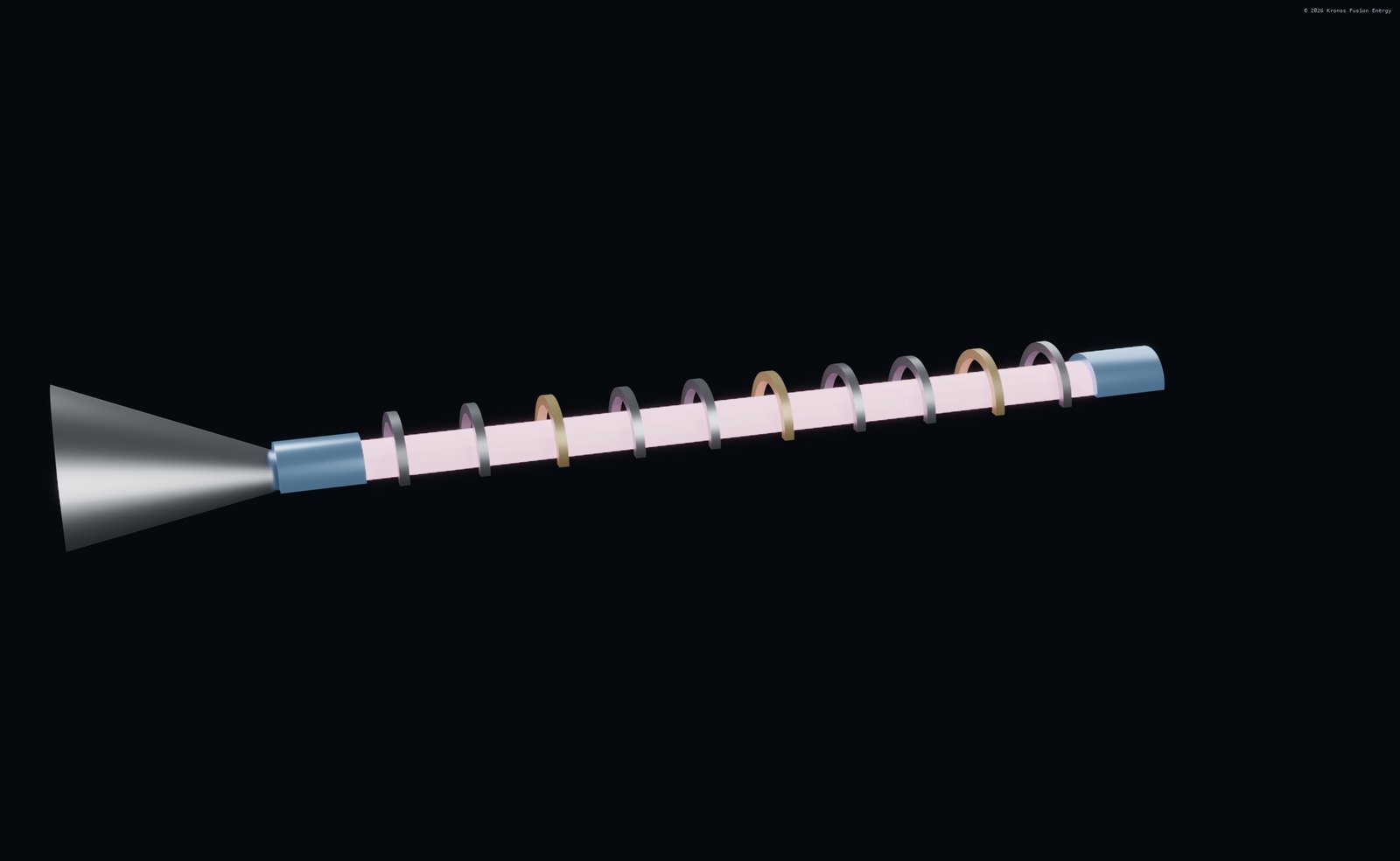
Aegis is low-neutron but not aneutronic, so shielding and a modest radiological setback are part of resilient siting.
Low-neutron, not no-neutron
The D–3He reaction is low-neutron — 5.44% of the fusion energy is carried by neutrons — which is a large reduction from the overwhelmingly neutronic D–T reaction, but it is not zero. Resilient siting must therefore include neutron shielding and a radiological setback, planned into the layout from the start rather than added later.
Where the neutrons come from
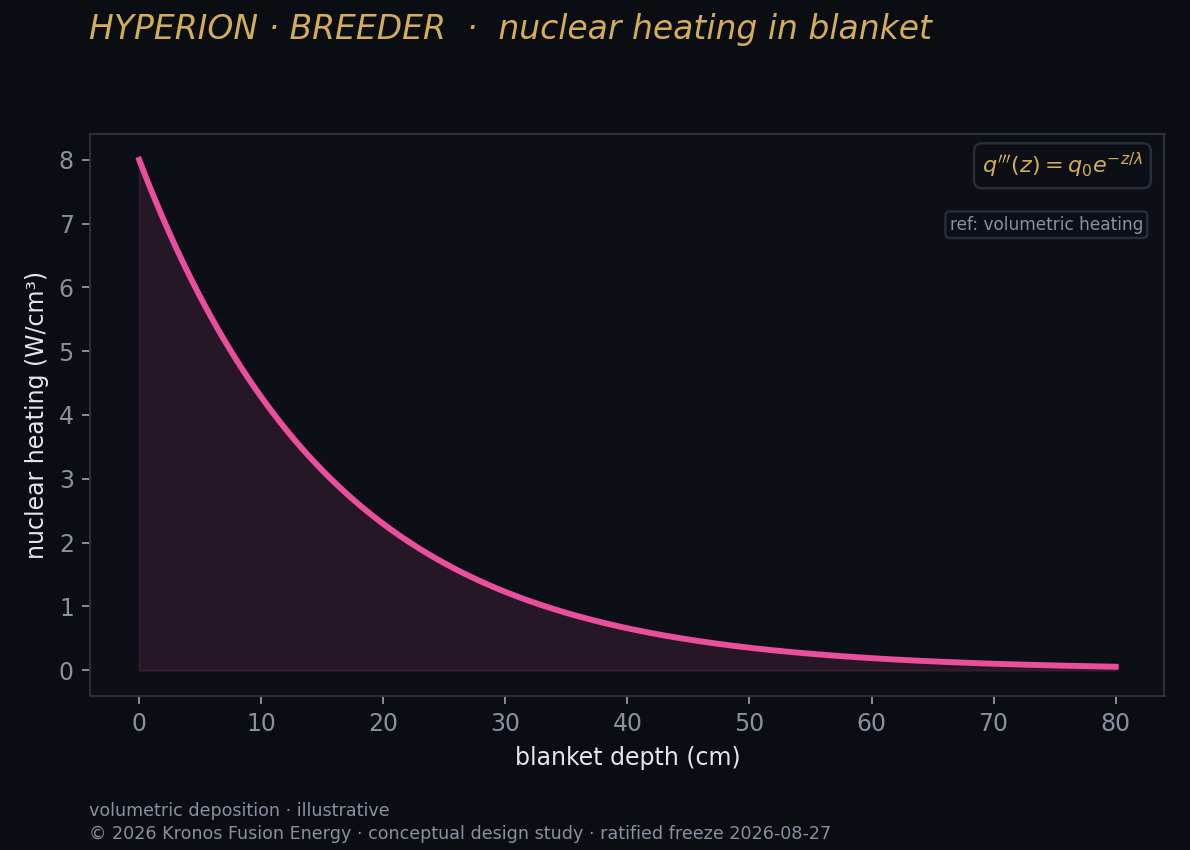
Most of the neutron flux originates in unavoidable deuterium–deuterium side reactions within the plasma; the primary D–3He reaction itself is aneutronic, but the D–D branch is not. The result is a manageable but real neutron source that requires biological shielding around the machine and influences the placement of occupied and mission-critical structures.
- 5.44% neutron fraction: low, not aneutronic
- Neutrons mostly from D–D side reactions
- Biological shielding required around the machine
- Radiological setback shapes the site layout
Siting consequence
Shielding and setback interact with the other siting drivers — stand-off, separation, cooling. The low neutron fraction keeps these requirements modest compared with a D–T machine, which is one reason the burner suits close integration with an installation, but they are real and are engineered, not waved away.
This is a physics-and-safety siting consideration, stated candidly: the burner is low-neutron, not aneutronic, so a modest but real shielding and setback requirement is engineered into the layout from the outset rather than discovered late. Because the neutron source is modest and steady rather than large and pulsed, the shielding can be a fixed, engineered structure sized once for the site, rather than something that must respond dynamically to operation.