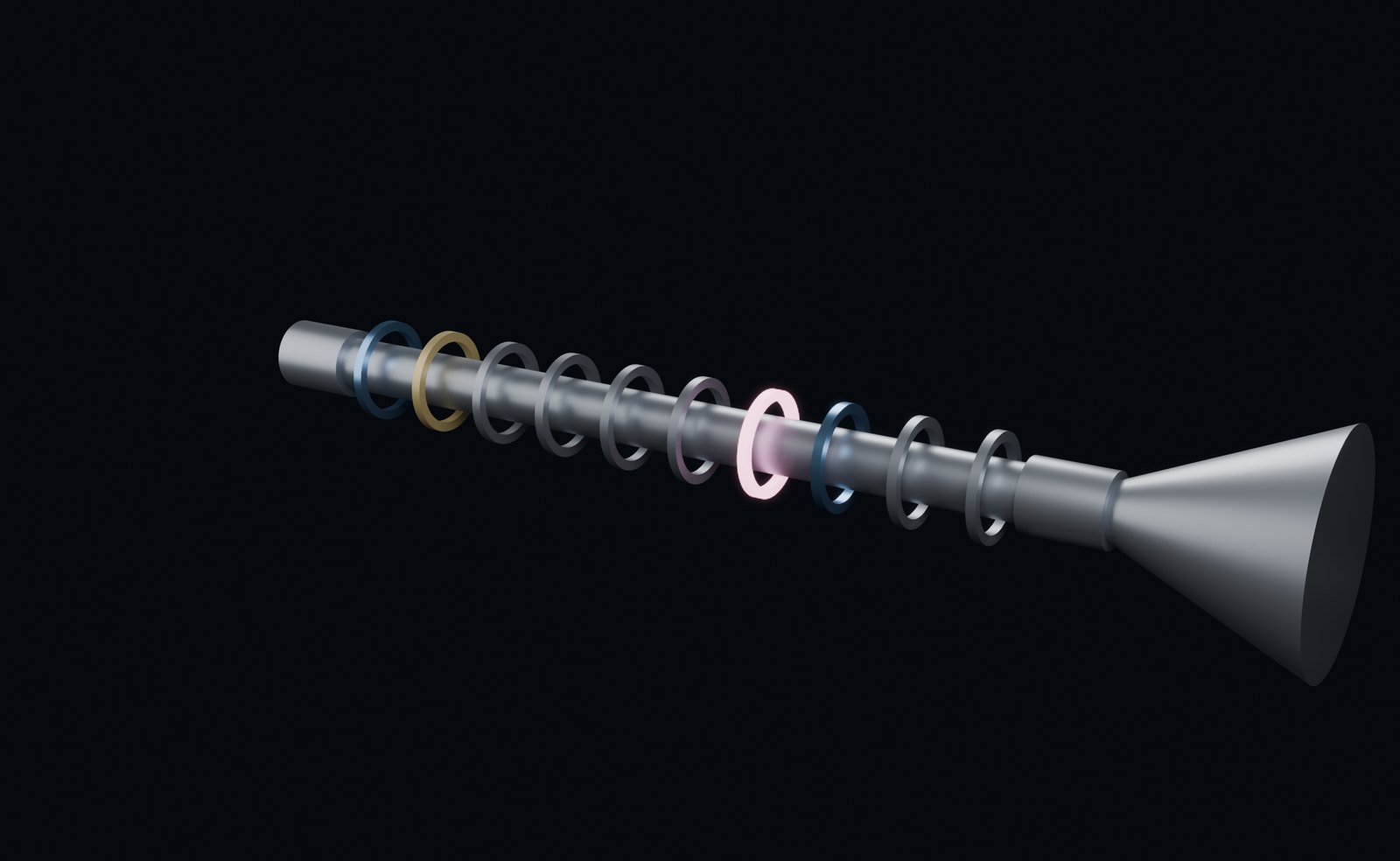
Tritium for Medicine and Science
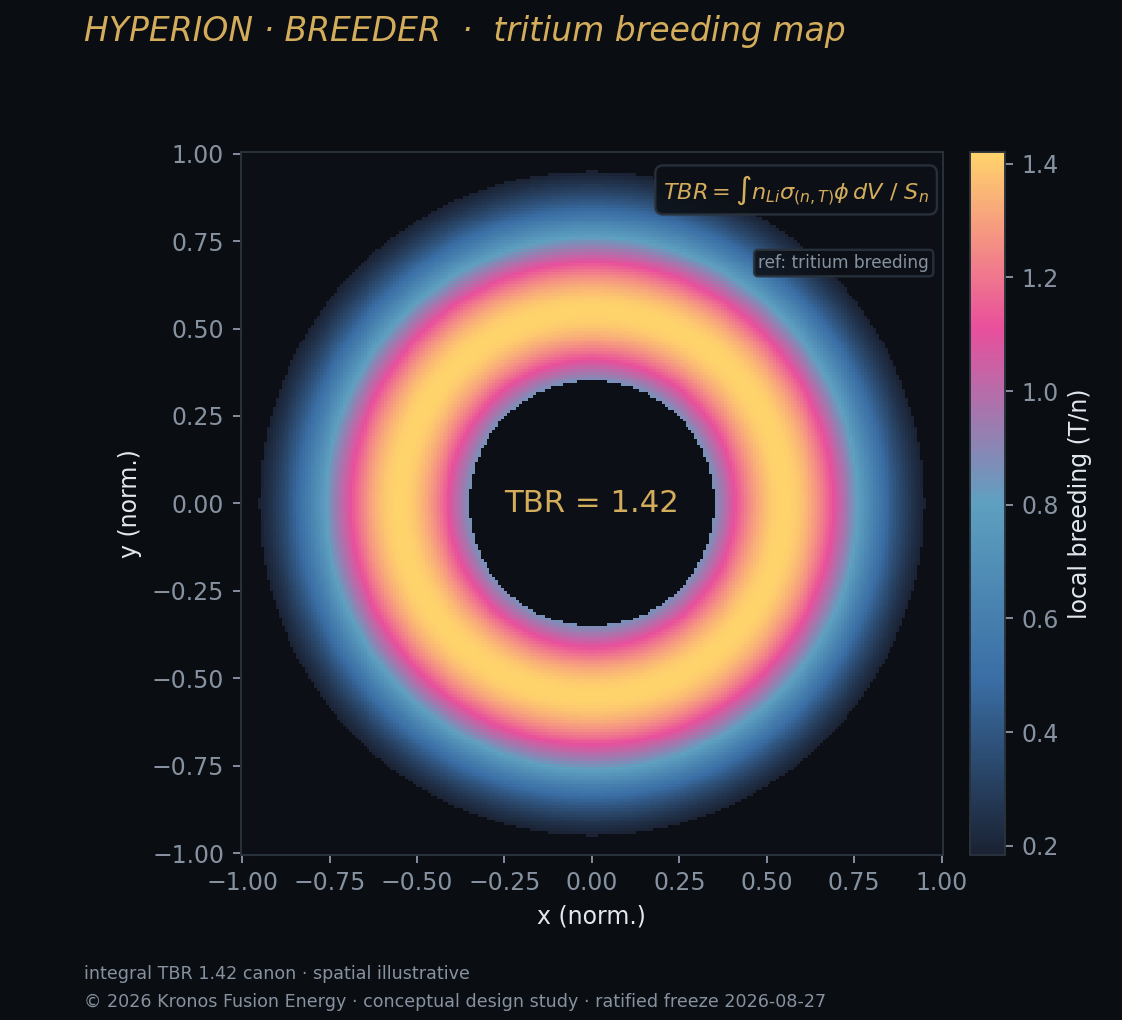
Beyond fueling fusion, tritium has established uses in science, medicine, and safety; the breeder is studied to produce it.
A dual-purpose product
Tritium is the fuel a D-T fusion reaction needs, and the breeder is studied to produce a tritium class output on the order of 4 kg/yr. But tritium also has established uses outside fusion: as a tracer in biomedical research, in certain detection and lighting applications, and in fields where a controlled, low-energy beta emitter is useful. A reliable supply serves those uses too.
This matters to the mission because tritium is the one bankable product in the near-term sense — the output whose demand and handling are best understood. We keep the economics of that out of this account, but the physical fact stands: a breeder could supply an isotope that both fuels future fusion and serves current science.
Held honestly
- Hyperion is an engineering program; 4 kg/yr class is a modeled figure
- Tritium is radioactive and must be handled with strict containment
- The breeder's own tritium self-sufficiency (its breeding ratio) is an open question we treat as a design lever across 1.1, 1.5, and 1.8
So tritium is where fusion's fuel cycle and its service to science meet — a real product with real handling requirements, stated without inflation. See the tritium cycle and tritium self-sufficiency.