A Scientific Lineage: P. K. Iyengar
Kronos's insistence on getting the physics right has family roots — in one of India's foremost neutron physicists, the brother of our founder's grandfather.
A scientific lineage
The discipline Kronos holds itself to — rigor first, capability built from first principles — did not begin with this company. It runs in the family. Padmanabhan Krishnagopala Iyengar (29 June 1931 – 21 December 2011), the brother of our founder Priyanca Ford's grandfather — her great-uncle — was one of India's foremost nuclear physicists and a pioneer of neutron science.
The neutron physicist
Iyengar joined the Tata Institute of Fundamental Research in 1952 and made his name in neutron scattering — the same physics of neutrons and matter that a fusion breeder lives and dies by. In Canada he trained under the Nobel laureate Bertram Brockhouse, whose work founded neutron spectroscopy, contributing to lattice-dynamics studies in germanium. Back in India he indigenously designed the PURNIMA research reactor and led the team that brought it into operation on 18 May 1972.
A career in indigenous science
He rose to lead the institutions at the center of Indian physics: Director of the Bhabha Atomic Research Centre (BARC) from 1984, then Chairman of the Atomic Energy Commission of India and Secretary to the Department of Atomic Energy in 1990. He oversaw completion of the Dhruva reactor, established a technology-transfer effort, and seeded India's laser and accelerator programs that grew into the Centre for Advanced Technology at Indore. Across those roles he was one of the architects of India's self-reliant atomic-energy program — built indigenously, from first principles rather than imported.
Recognition
- Padma Bhushan (1975)
- Shanti Swarup Bhatnagar Award (1971)
- Bhabha Medal for Experimental Physics (1990)
- Homi Bhabha Medal (2006)
What we carry forward
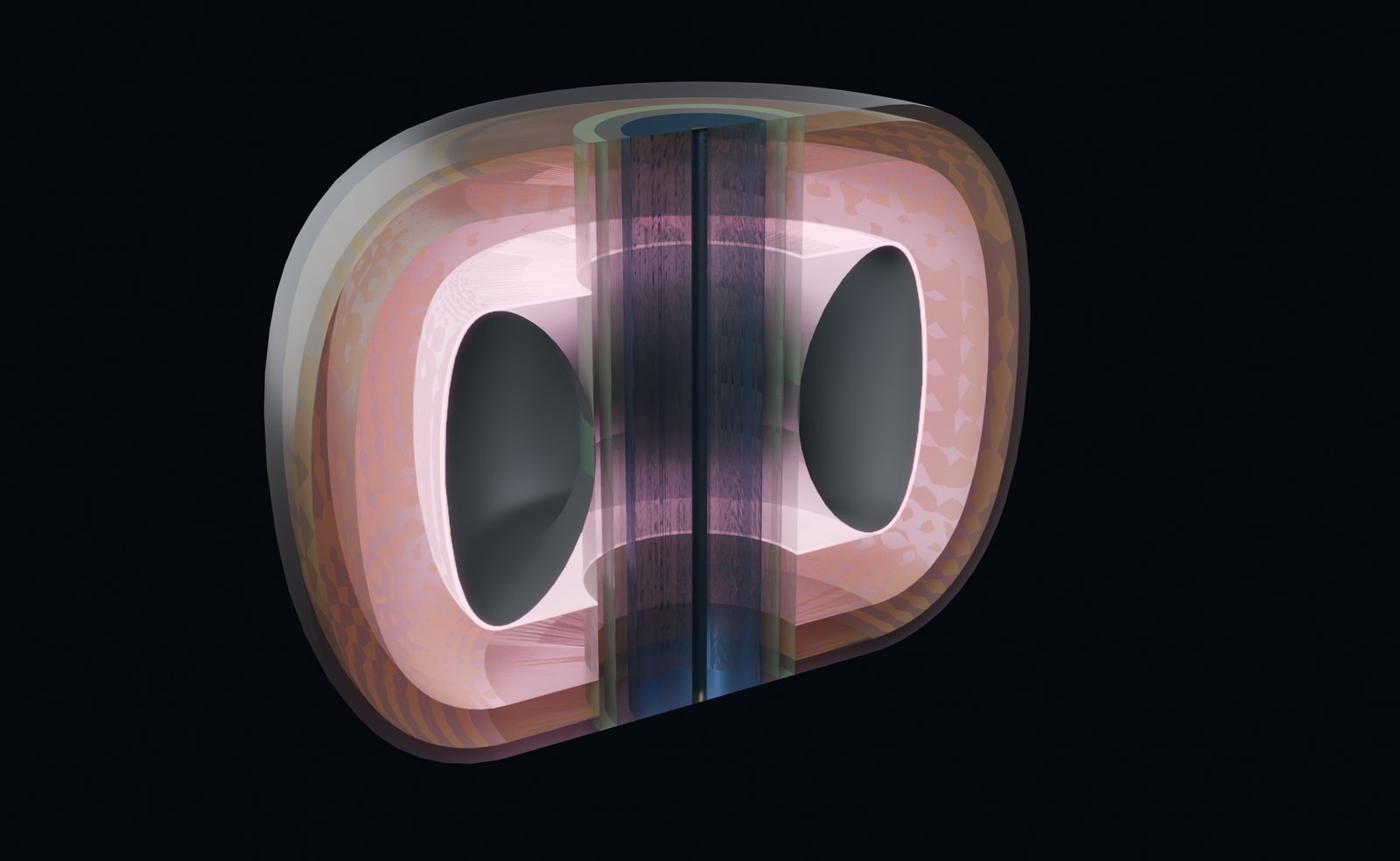
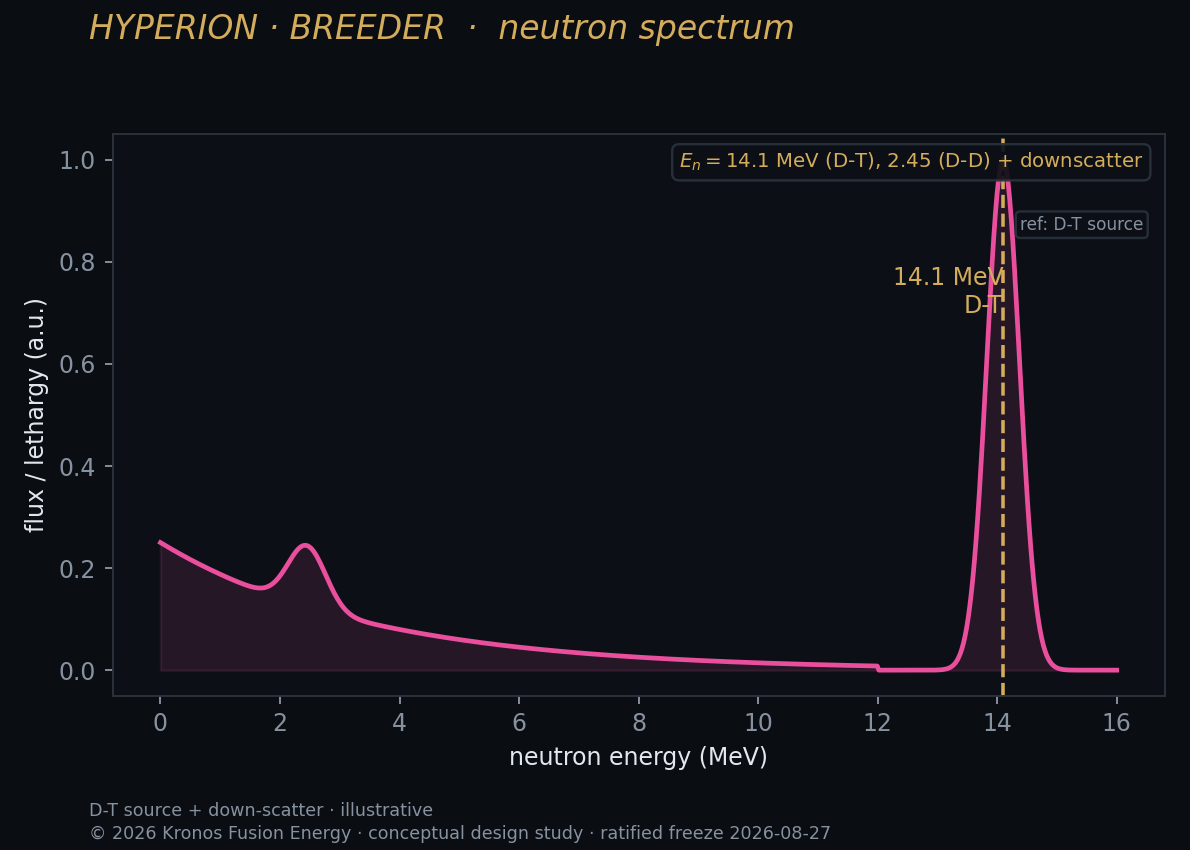
Kronos's path is civilian fusion energy: a breeder (Hyperion) that makes 14 MeV neutrons, tritium, and helium-3 for peaceful use, and a low-neutron burner for firm clean power. A different era and a different purpose — but the same three commitments that defined his work: understand the neutron, build capability from first principles rather than importing it, and let the physics decide. That inheritance is why this company designs in the open, publishes its hardest gates, and refuses to overclaim.
Source. Biographical facts from the public record — see P. K. Iyengar (Wikipedia).