
The EHS Connection
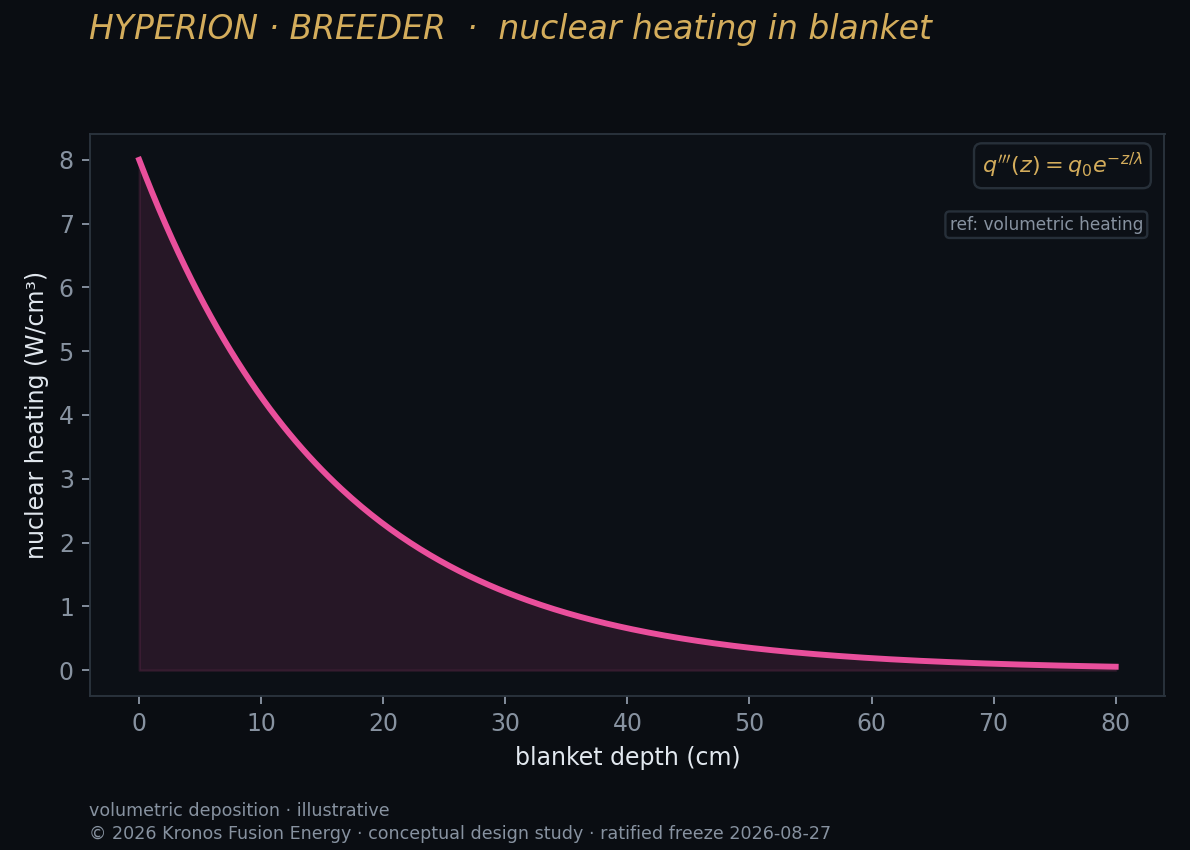
Environment, health, and safety are one discipline; our planetary mission and our EHS practice share the same evidence and standards.
One discipline, three names
Environment, health, and safety (EHS) are often treated as separate compliance boxes. In practice they are one discipline: protecting people and ecosystems from the hazards of an energy technology. Our planetary mission and our EHS practice draw on the same evidence, the same conservative design margins, and the same honesty about risk.
Where environment meets health and safety
- Radiological safety governs tritium handling and neutron shielding
- Materials choices affect both worker safety and end-of-life environmental burden
- Water and effluent management protect ecosystems and communities alike
- Honest hazard disclosure serves both regulators and the public
The breeder's 14 MeV neutrons and tritium inventory, and the burner's lower but nonzero neutron fraction of 5.44%, are the central EHS considerations. We treat them as design inputs from the start, not as problems to manage after the fact — see radiological honesty and activation and materials choices.
Treating these as one discipline has a practical payoff: a decision made for safety, such as robust neutron shielding, often improves environmental outcomes too, and vice versa. Separating them into unrelated compliance exercises tends to miss those shared gains and to let each domain assume the others are someone else's problem.
This is why stewardship at Kronos is inseparable from safety — see stewardship as an engineering discipline.