Designing in the Open, for the Planet
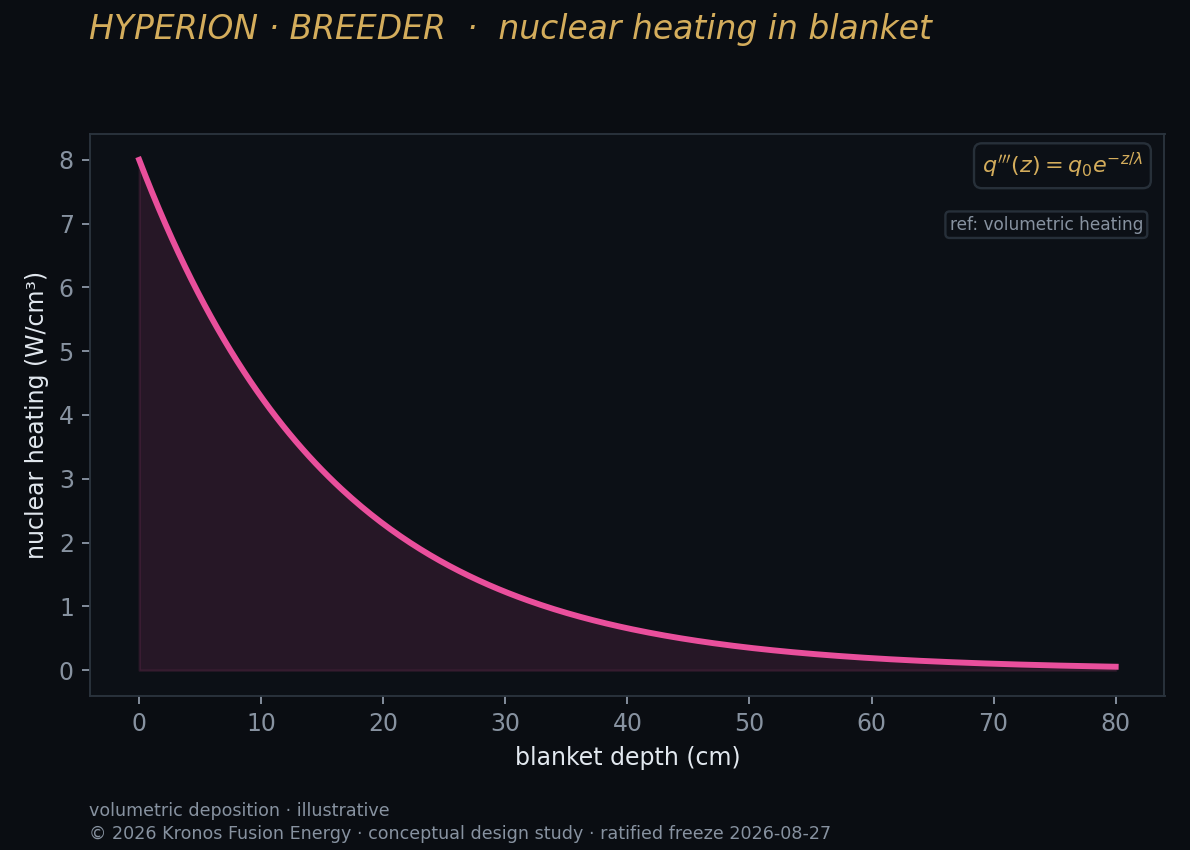
Environmental claims deserve public scrutiny; we publish papers, data, and DOIs so anyone can check our footprint reasoning.
Openness as accountability
A private claim of environmental benefit asks the public to trust an assertion it cannot verify. Kronos works differently. We publish our physics papers, open our data, register digital object identifiers (DOIs), and license our work openly so that outside reviewers can examine not just our performance claims but the reasoning behind our environmental ones.
What open design gives the environment
- External review can catch errors before they scale into hardware
- Footprint methods can be audited, not just asserted
- Other teams can build on verified results rather than repeat mistakes
- The public can hold specific, dated claims to account
This is the same open-science flywheel that drives our technical credibility, applied to environmental trust. Publishing a claim with its data and method is a stronger environmental commitment than any slogan, because it can be checked and, if wrong, corrected.
Openness carries a real cost in effort and exposure: publishing means inviting criticism and admitting error in public. We accept that cost because the alternative — asking the public to trust unverifiable environmental claims — is exactly the pattern that has eroded confidence in so many industrial promises. Verifiability is the burden and the point.
See the open-science flywheel and reproducibility as environmental trust for how this works in practice.