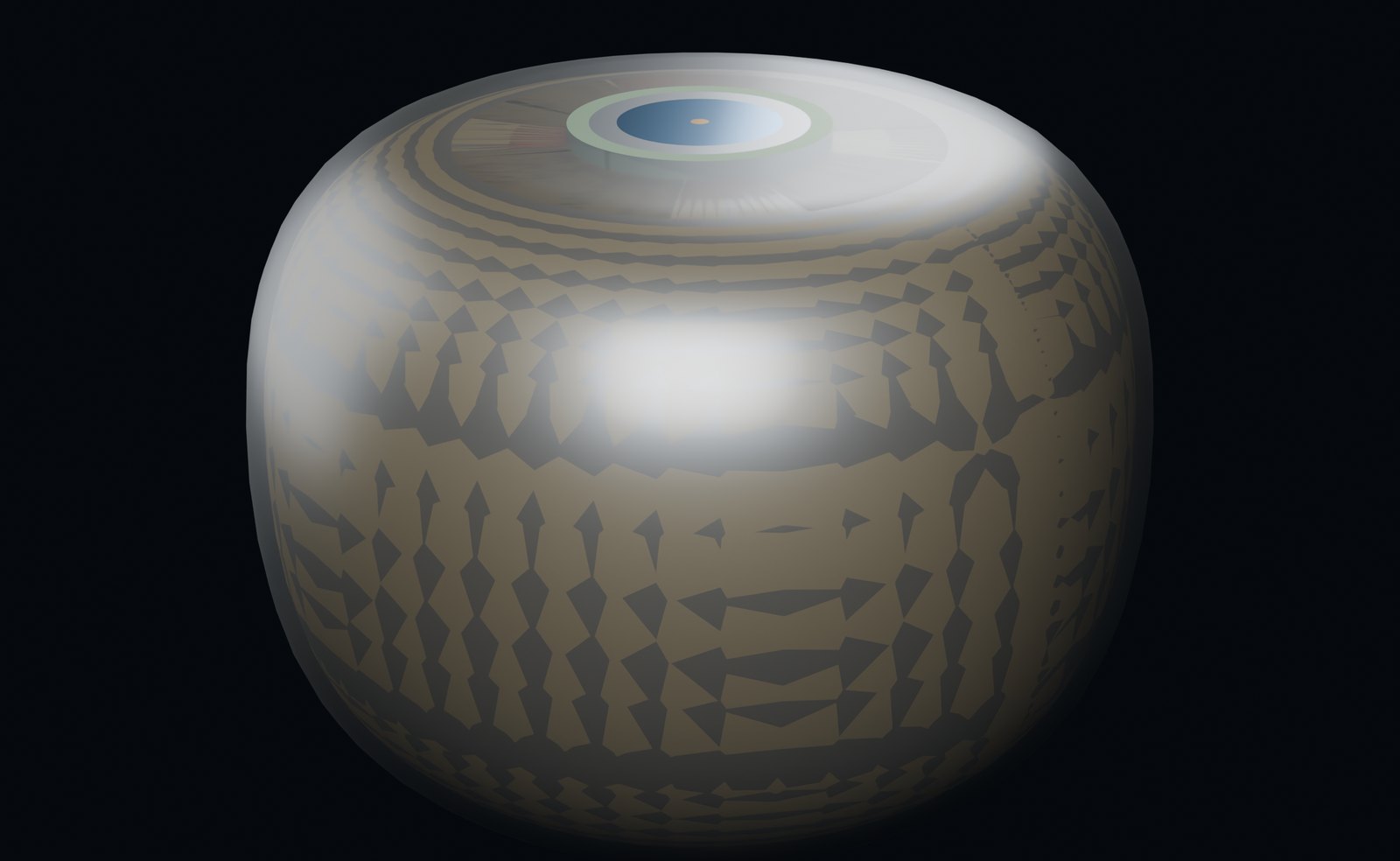
Neutrons, Isotopes, and Human Health
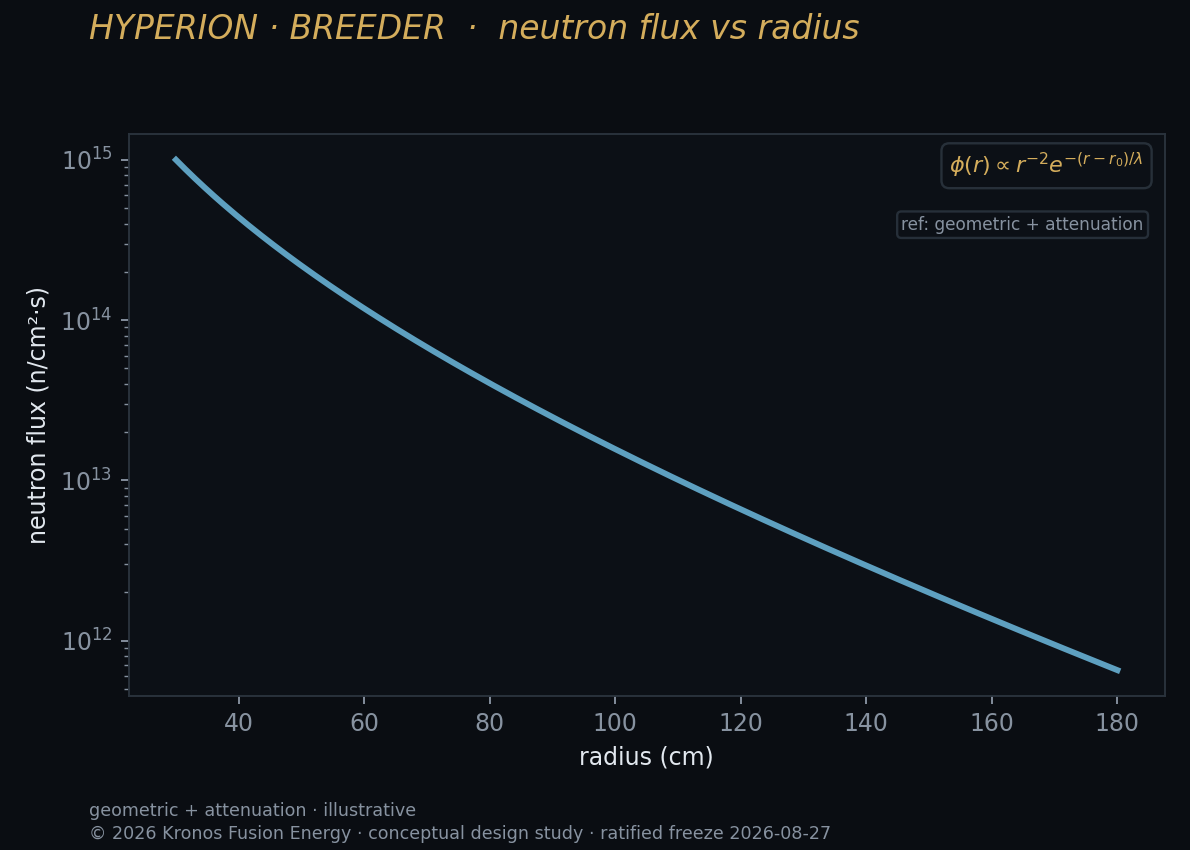
The breeder's 14 MeV neutrons can produce medical and industrial isotopes, extending the machine's benefit beyond electricity.
A byproduct with human value
The breeder (Hyperion) produces 14 MeV neutrons as an inherent part of the D-T reaction. Beyond breeding tritium, those neutrons can produce isotopes used in medicine and industry. Some medical isotopes today depend on aging reactors and fragile supply chains; a neutron source designed for reliability could steady that supply.
Why this belongs on an environment page
Environmental stewardship and human health are not separate goals. A machine whose neutrons support diagnostics, treatment, and materials analysis delivers benefit that is not measured in megawatt-hours. It also means the breeder's value does not rest solely on grid electricity, which matters while the electricity case is still being proven.
- Medical isotopes for diagnosis and treatment
- Industrial isotopes for materials analysis and quality control
- A more resilient supply than aging single-purpose reactors
The breeder's product set is studied as roughly 4 kg/yr of tritium-class output plus about 1.97 kg/yr of helium-3, together with the 14 MeV neutron flux. These are design-study figures tied to a frozen configuration, not measured plant output; the machine is not built.
Framing this honestly matters: isotope production is a demonstrated use of neutron sources generally, but the breeder itself is unbuilt, so we describe a designed capability rather than delivered doses. What the design offers is optionality — value that does not depend solely on the electricity case, and that keeps human health within view of a machine whose primary job is energy.
See the tritium cycle for how the same neutrons close the fuel loop.