The Breeder Paper
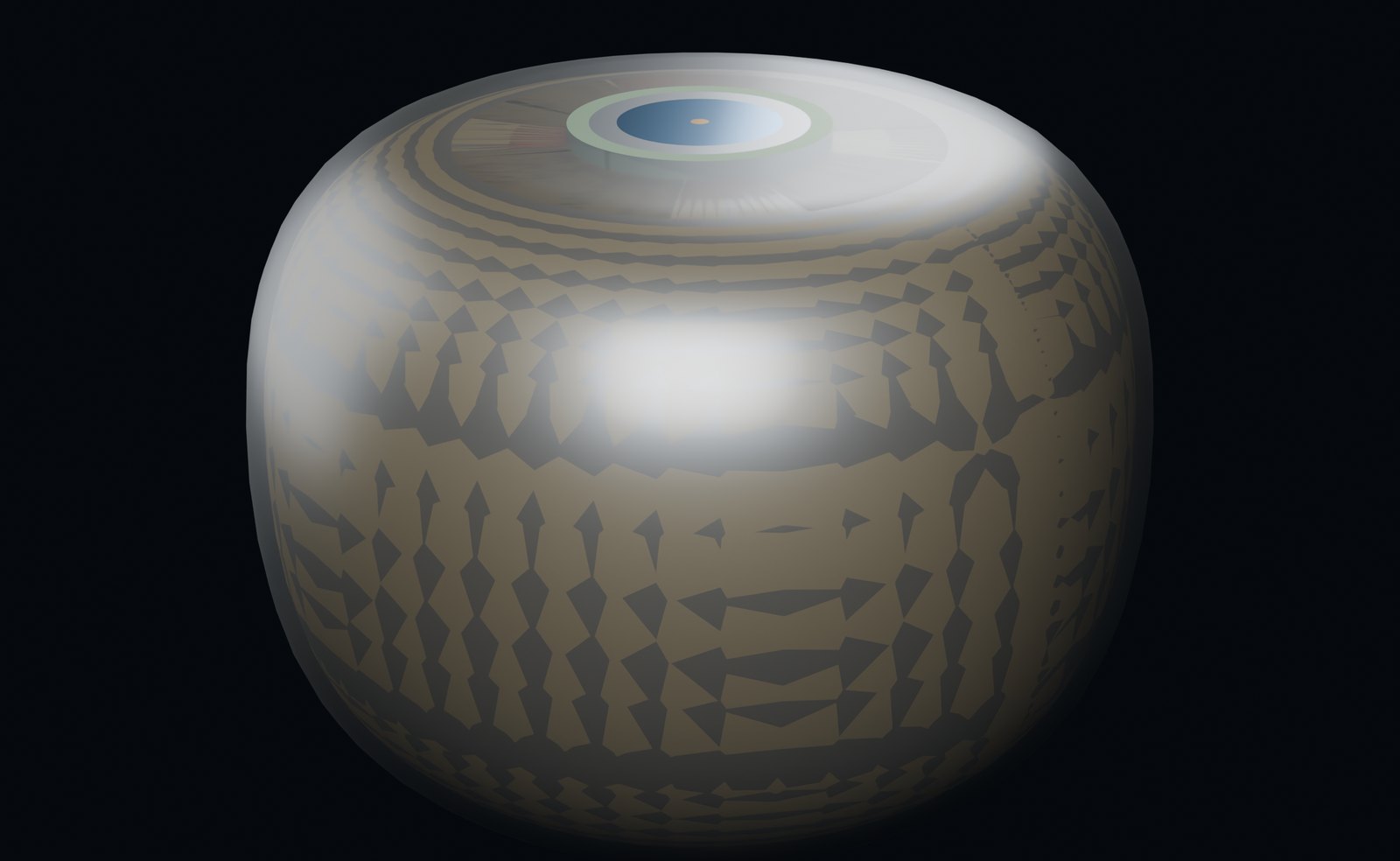
Hyperion is a deuterium-tritium spherical tokamak studied as a breeder of tritium, helium-3, and 14 MeV neutrons rather than as a net-electric plant.
What the breeder paper describes
The breeder paper presents Hyperion, a deuterium–tritium spherical tokamak. Its published design point is a scientific gain Q_sci of 3.076 at a fusion power of 85.0 MW, with a plasma current of 9.66 MA, a peak field of 16.84 T (about 8 T on-axis), and negative triangularity of delta −0.30. These are simulation results for a machine whose construction is planned to begin in Q2 2027.
A breeder, not a power plant
Hyperion is framed as a source of products rather than of grid electricity: a tritium class of roughly 4 kg/yr, about 1.97 kg/yr of helium-3, and a flux of 14 MeV neutrons. This framing matters because it does not depend on demonstrating net electrical output first. The machine's value proposition is materials the rest of the program needs — including the helium-3 the burner would consume.
The open question the paper states
The paper treats the tritium breeding ratio as a design lever, examined across values of 1.1, 1.5, and 1.8, rather than as a settled figure. Whether the machine is net tritium self-sufficient once realistic three-dimensional geometry, ports, and losses are included is an open reconciliation, stated in the open. See TBR as a design lever and the breeder open questions.
Where the honest gate falls
No net-gain claim is made for hardware before the first-of-a-kind machine produces first tritium, targeted around 2030. Everything in the paper before that is a design and validation finding. The deposit and DOI are listed on the DOI map (breeder, and its version two).