
Comparing Like with Like
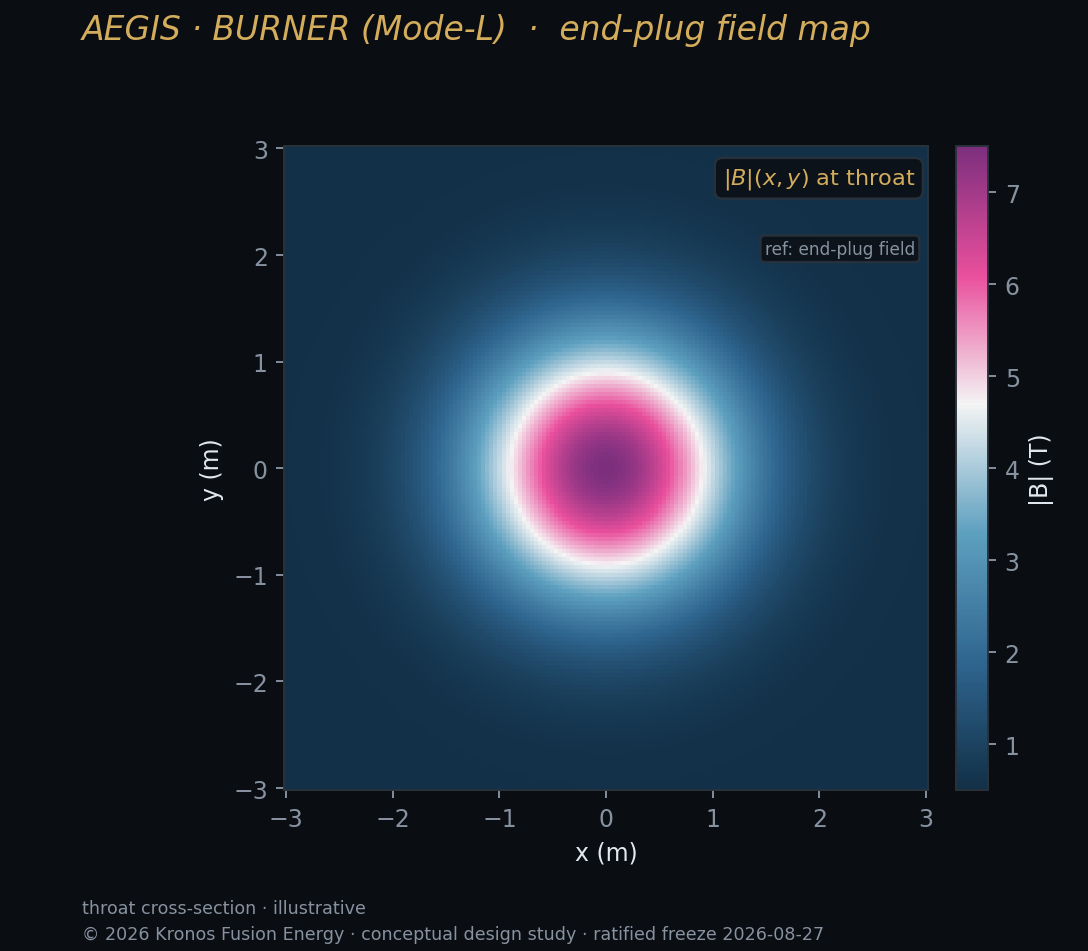
A fair comparison holds fuel, gain definition, scale, and maturity constant; Kronos refuses comparisons that quietly vary them to win.
The most common way comparisons cheat
Comparisons mislead not by lying about a number but by comparing things that are not comparable. A Q_sci against a Q_eng. A single machine against a fleet. A design point against a measured result. A D-T device against a D-3He device on a metric that favors one fuel. Kronos holds these constant, or names the difference.
| Axis | Must match |
|---|---|
| Gain type | Q_sci vs Q_sci, or Q_eng vs Q_eng |
| Maturity | design vs design, or measured vs measured |
| Scale | single unit vs single unit |
| Fuel | D-T and D-3He compared on fuel-fair metrics |
How we handle unavoidable differences
Sometimes the honest comparison is between things that genuinely differ — our breeder is a D-T isotope foundry, a rival may be a D-T power device. When we cannot make the axes identical, we say what differs and why it matters, rather than picking a metric that hides it. The reader sees the mismatch instead of being steered around it.
Our own wedge, fairly stated
Our real advantage survives a fair comparison: the breeder delivers value from isotopes and neutrons, which need fusion gain rather than net-electric output. Stated on a level field, that is a genuine and defensible difference — which is why we do not need an unlevel one.