The Compute-Energy Problem
AI compute is becoming a first-order load on the grid; describing the problem accurately matters more than promising to solve it.
A new kind of demand
For most of the grid's history, large point loads were industrial: smelters, refineries, chemical plants. AI data centers are a new entrant in the same class — large, concentrated, and only narrowly flexible in time. Unlike a factory that runs a shift, a training cluster can draw heavily and continuously for weeks, and it is flexible only in narrow ways.
This creates three coupled pressures: total energy, peak power, and location. A region can have enough annual energy and still lack the local firm capacity to serve a new gigawatt-scale campus without straining transmission. That is why the conversation has shifted from generation in the abstract to firm power sited near the load.
Why efficiency alone will not close it
Model and hardware efficiency have improved substantially, but demand has grown faster. When a resource becomes more efficient and therefore cheaper to use, use often expands — a familiar pattern. Efficiency is necessary and good; treating it as sufficient is a mistake. See efficiency is not enough.
- Total energy: rising with model scale and adoption
- Peak power: concentrated campuses stress local capacity
- Location: transmission cannot always follow demand quickly
- Timing: compute is only partly flexible
Where fusion could fit, and the honest limit
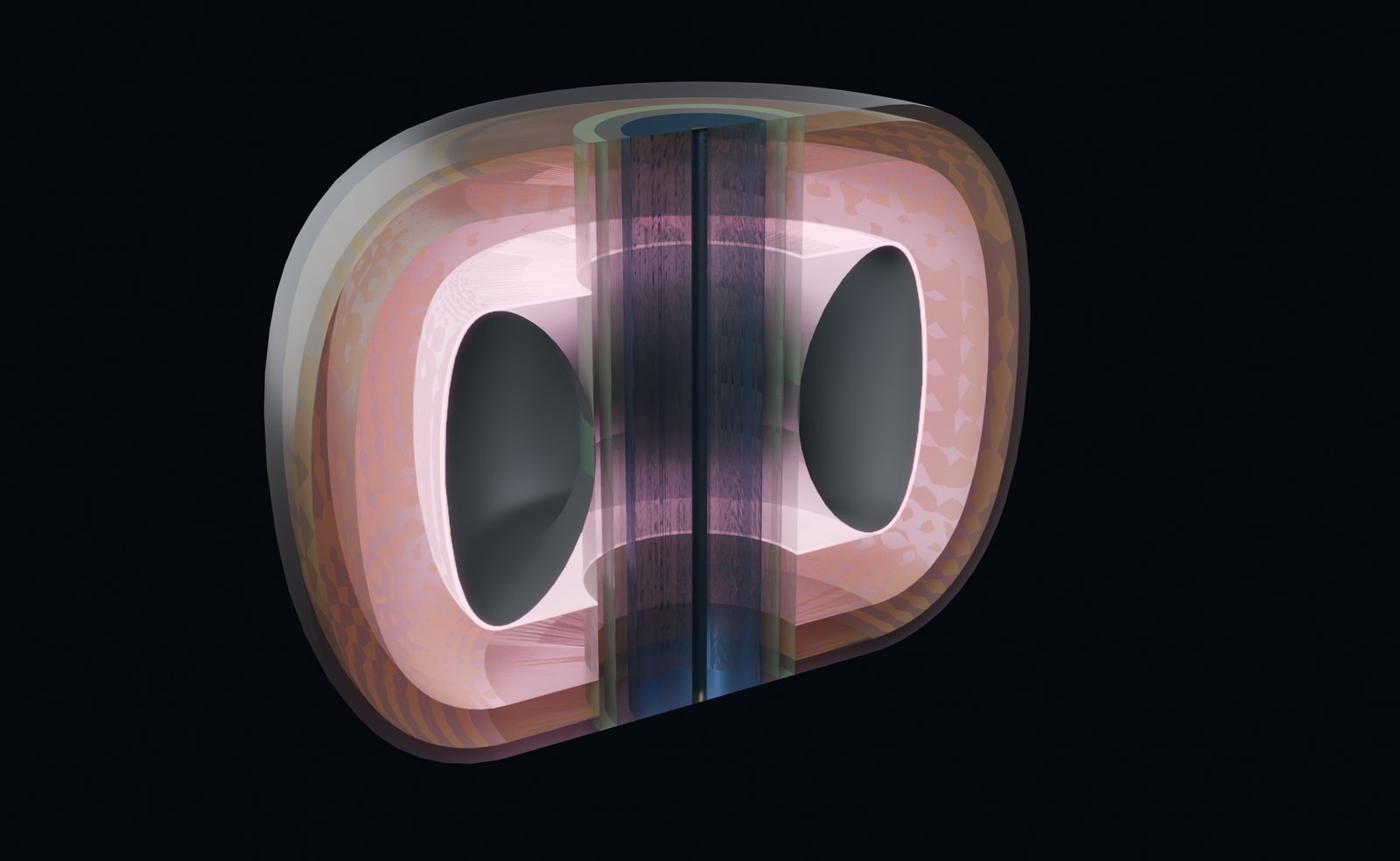
Firm clean power sited near compute is a plausible answer to all three pressures at once, which is why the burner (Aegis / MetroVolt) is studied for this role. But the burner is unbuilt, and its ability to meet the extreme uptime that data centers require is an open gate, not a settled result. Naming the problem precisely is more useful than overclaiming a solution.
See powering the AI era responsibly and data centers and firm power.