Critical Materials and Dependence
Fusion trades hydrocarbon dependence for dependence on superconductors, lithium, and specialty metals — concentrated supply chains of their own.
New materials, familiar concentration
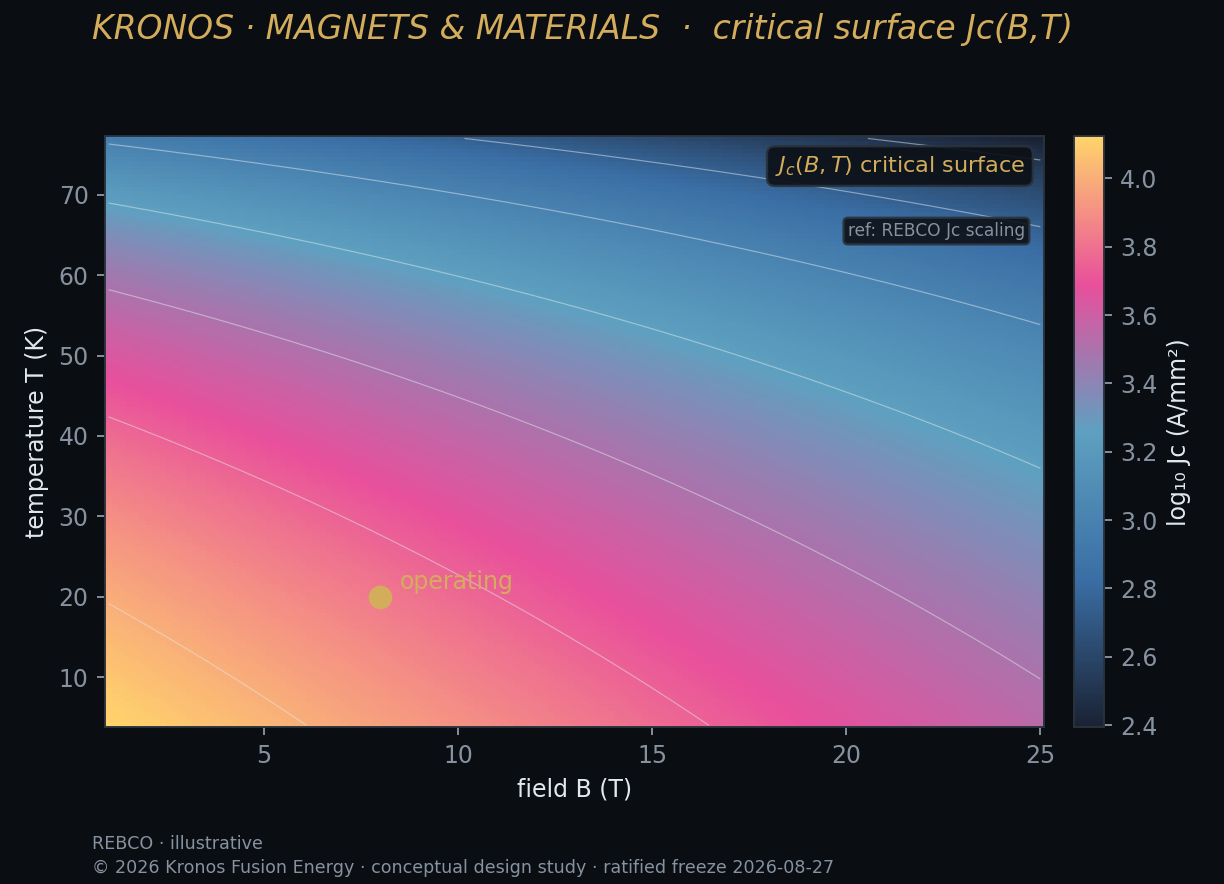
A clean-energy technology is only as sovereign as its material inputs. Fusion reduces exposure to traded hydrocarbons but leans heavily on materials whose supply is geographically concentrated: high-temperature superconductor (REBCO) tape, lithium for breeding, rare-earth elements, and specialty structural alloys that tolerate neutron flux.
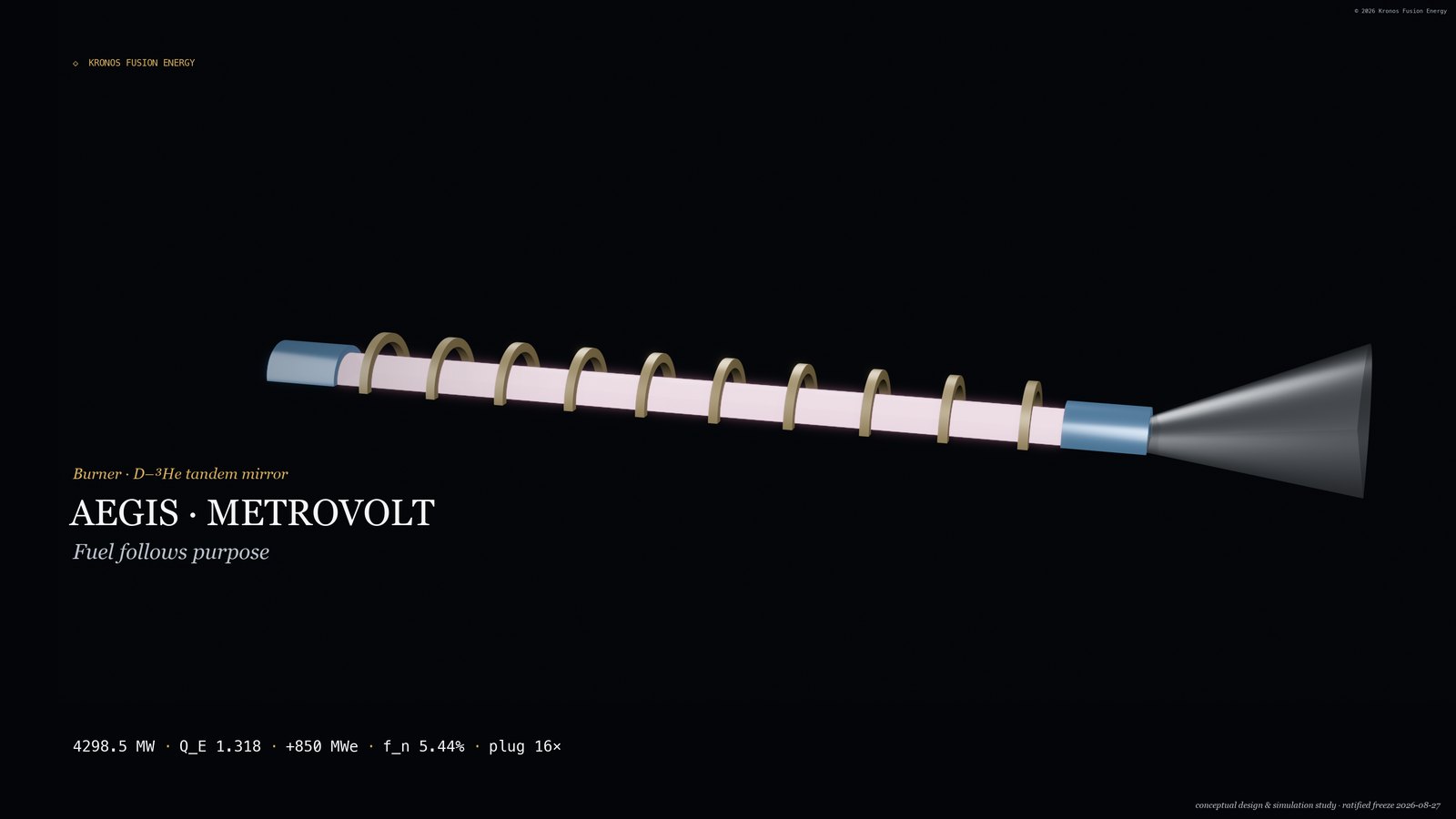
The breeder's magnets reach a peak field of 16.84 T and the burner's plug specification is 26.49 T; both depend on REBCO at volumes the industry does not yet produce. Lithium for tritium breeding competes with battery demand. These are the same kinds of concentration risks that make any strategic industry a geopolitical question.
Where the dependence sits
- REBCO superconductor: production growing, not yet at fleet scale, geographically concentrated
- Lithium: contested with electrification, concentrated processing
- Rare earths and specialty metals: known chokepoints
- Neutron-tolerant structural materials: limited qualified suppliers
We do not claim fusion is materially self-sufficient. It is not. What we can say is that these dependencies are visible, plannable, and shared with other clean technologies, which means investment in these chains benefits the broader transition, not only fusion. Frozen, published designs help suppliers plan against stable specifications.
The honest caveat
At fleet scale these dependencies could become significant. At today's scale — zero built machines — they are a planning concern, not an operating one. We flag them now precisely so they are not discovered later, and because pretending fusion escapes material geopolitics would be false. See supply chain and industry and the geopolitics of energy.