Communities and Siting
Where a plant is built shapes who benefits and who bears the burden; siting must be done with consent, not imposed.
A plant is a neighbor for decades
A power plant reshapes the community around it for its whole operating life and beyond. Traffic during construction, permanent jobs, tax base, land use, water, emergency planning, and the simple fact of living near a nuclear facility all fall on the host community. The history of energy siting includes places that were promised benefit and left with burden. That record deserves respect, not repetition.
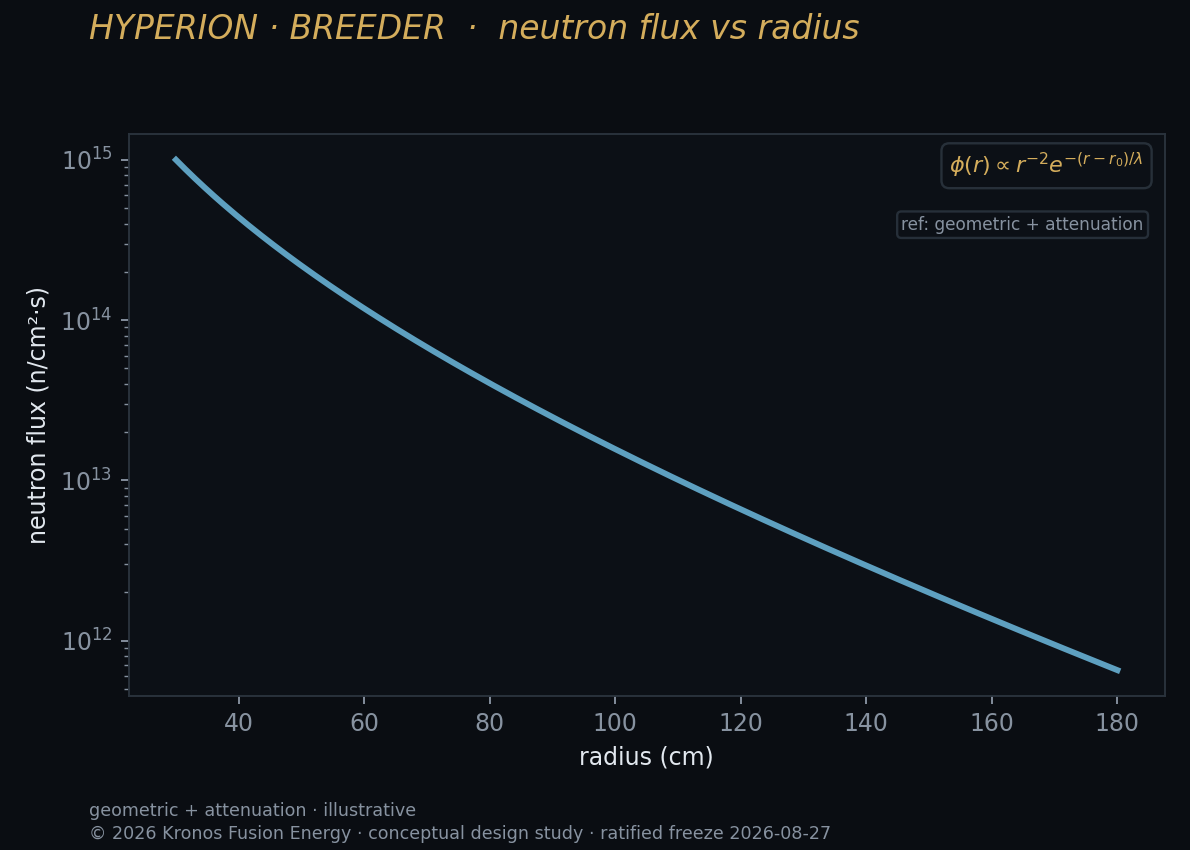
Fusion has a real siting advantage worth stating plainly and no further: it carries no risk of a runaway chain reaction and produces no long-lived high-level waste of the fission kind. The breeder (Hyperion) does produce 14 MeV neutrons and tritium, which are regulated hazards requiring containment, monitoring, and trained staff. Honest siting means describing both the reduced risks and the remaining ones.
What consent-based siting looks like
- Early, plain-language engagement before decisions are locked
- Independent monitoring the community can see
- A real ability to say no, not a ceremonial comment period
- Benefit that stays local, not extracted elsewhere
Fusion's relatively compact footprint and the option to site near demand (see siting near demand) can reduce the transmission and land burden that large remote plants impose. That is a genuine advantage for some communities and irrelevant to others; it depends on local context.
The honest caveat
These are design-stage machines. No community hosts a Kronos plant today, and the first host community for the FOAK breeder does not yet exist. When it does, the standard above is the one we intend to be held to. Getting siting right is a test of whether a clean-energy program actually serves the people nearest to it.