
Local Benefit and Consent
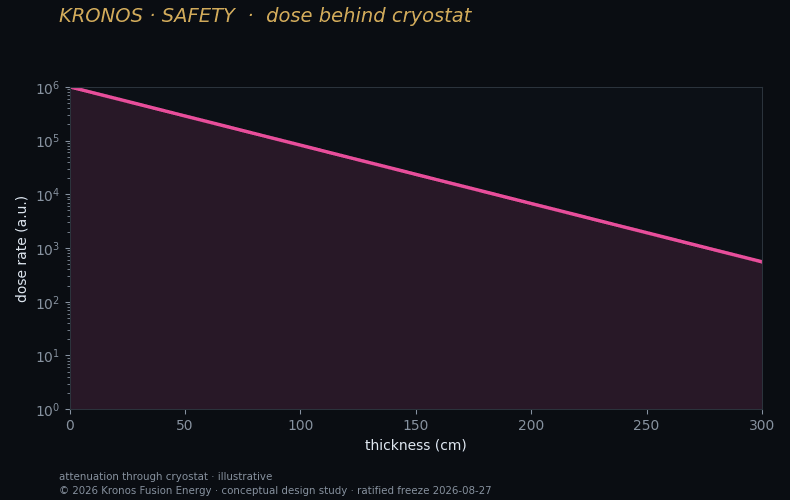
A host community should be able to see the benefit, verify the safety, and genuinely decline; anything less is imposition.
Consent is more than a signature
Energy infrastructure has too often been sited on the least powerful communities with the weakest ability to refuse. A clean-energy program that inherits that pattern inherits its injustice. Real consent means a community understands what it is hosting, can independently verify the claims, sees benefit that stays local, and retains a genuine ability to say no.
Openness is directly relevant here. Because Kronos publishes its designs, data, and honest gates (see the open-science flywheel), a host community's own experts — or independent ones it trusts — can check the safety and performance claims rather than take them on faith. Verification is a precondition of meaningful consent.
What local benefit can include
- Durable operations employment and local training
- Firm power for local industry and services
- Independent, community-visible environmental and radiological monitoring
- For the burner housings, on-site power for defense installations (Aegis) or data centers (MetroVolt) that host them
We are careful not to overstate. A single plant is not an economic transformation, and we will not put figures on local benefit that we cannot defend. The honest promise is a good neighbor, verifiable safety, and steady work — not prosperity delivered from outside.
The honest caveat
No community hosts a Kronos machine today. This page describes a standard, not a track record. The test of the standard comes when the first FOAK breeder needs a home. We would rather be judged against a clearly stated commitment than against vague goodwill.
See communities and siting and the reader verification guide.