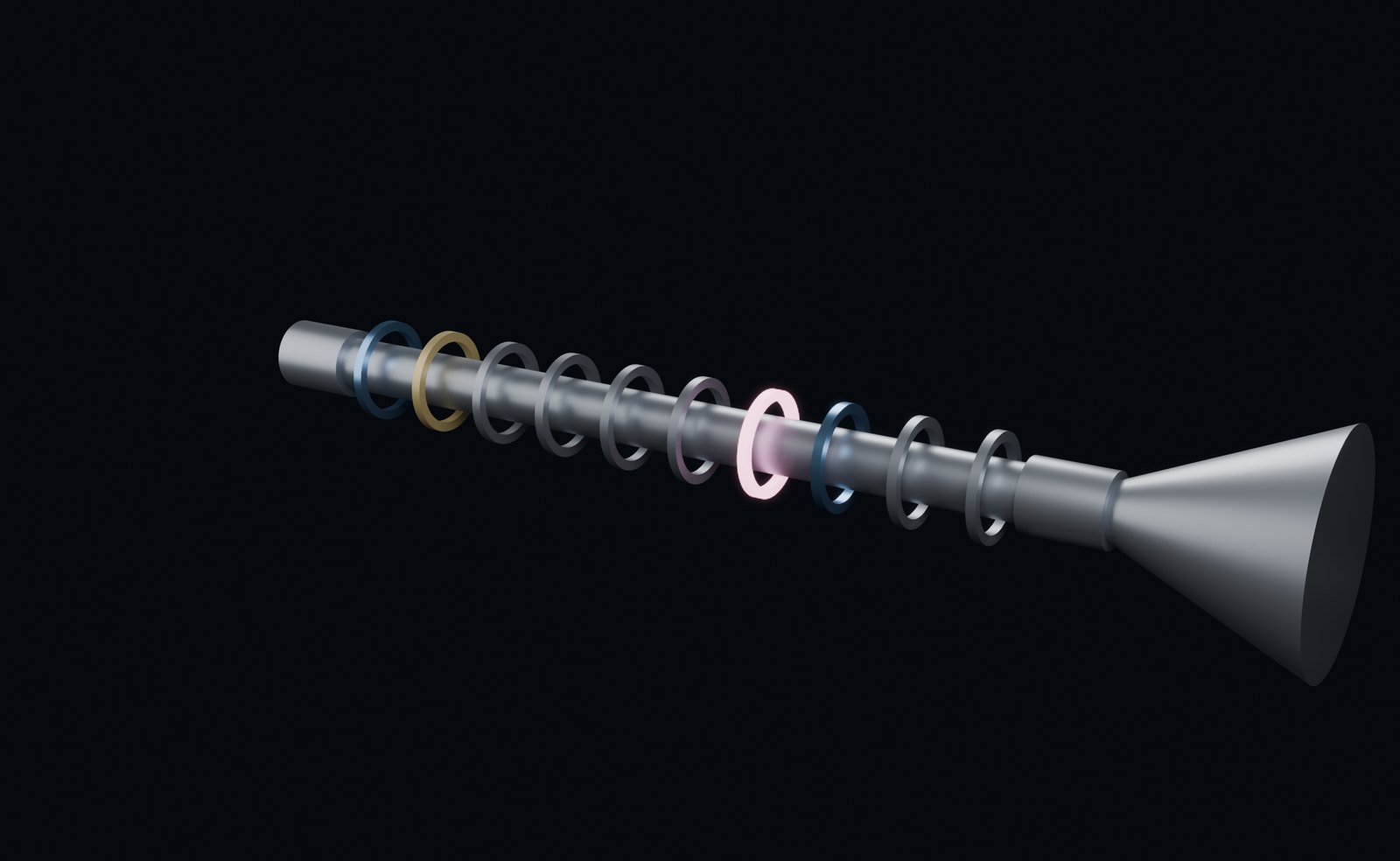
Energy Security and Sovereignty
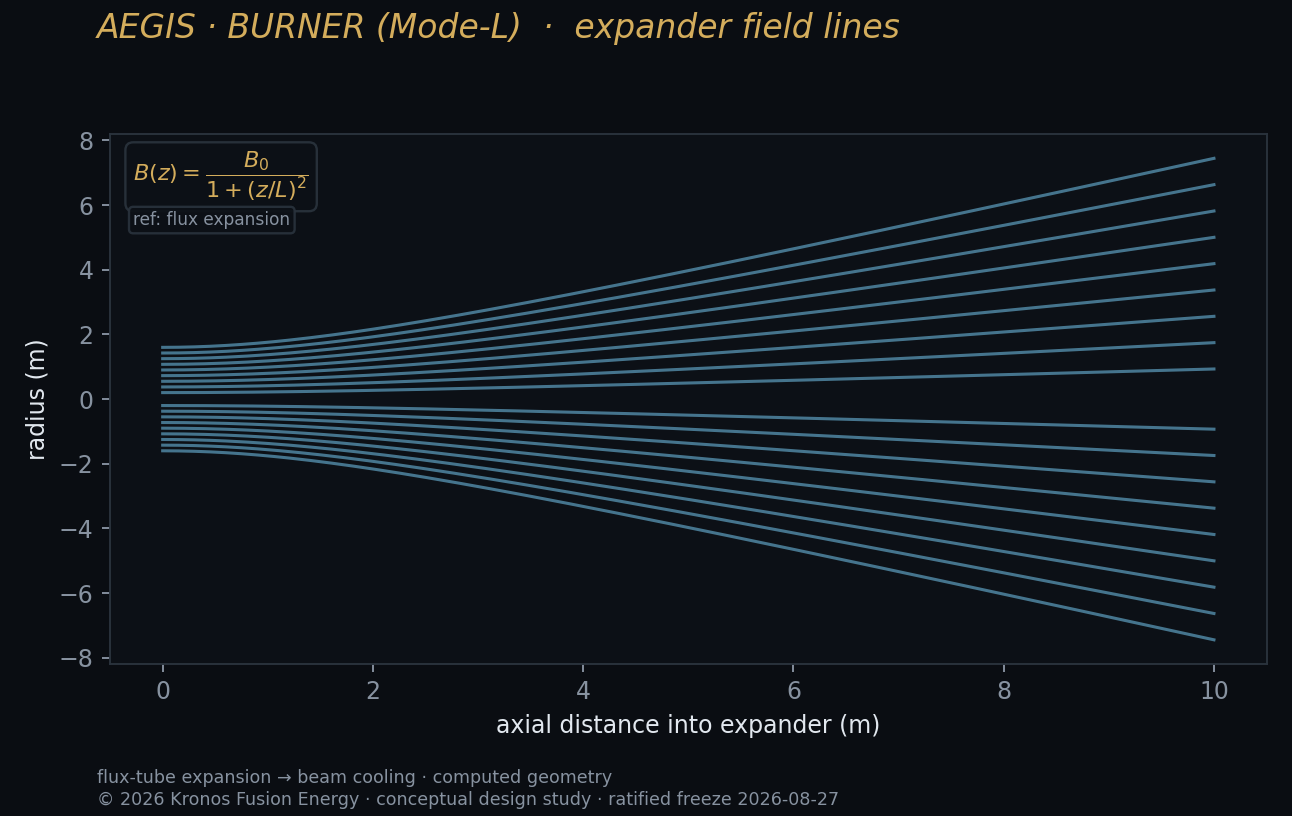
Fuel that is abundant and domestic reduces coercion; the qualifier is which fuel, and the burner's is scarce.
What energy security means
A nation is energy-secure when its power supply cannot easily be cut off or priced as a weapon by others. Dependence on imported hydrocarbons has repeatedly proven to be a strategic vulnerability. A source running on abundant, domestically available fuel improves security by removing that leverage.
The breeder (Hyperion) runs on deuterium and bred tritium. Deuterium is abundant and widely available; tritium is bred in the machine itself from lithium, subject to the open questions about achieving self-sufficiency (see tritium self-sufficiency). To the extent the breeder closes its tritium cycle, its fuel security is genuinely strong.
Where the burner complicates the story
- Deuterium: abundant, secure
- Tritium (breeder): bred on-site, subject to breeding-ratio questions
- Helium-3 (burner): scarce terrestrially, ~400x short of demand per commercial unit
- Implication: the burner's fuel security depends on solving a supply problem that does not yet have a terrestrial solution
This is why the two machines are strategically linked. The breeder can breed helium-3 as a product (a design target of about 1.97 kg/yr), and lunar helium-3 is a longer-term possibility. Both are why the burner's fuel question is not simply dismissed — and why it remains an open gate, not a solved input.
The honest caveat
Energy sovereignty from fusion is a property of a built, fueled fleet, not of today's design studies. For the burner in particular, claiming fuel security while the He-3 supply gate is open would be dishonest. We name the deuterium strength and the helium-3 gap in the same breath. See helium-3 supply and strategy.