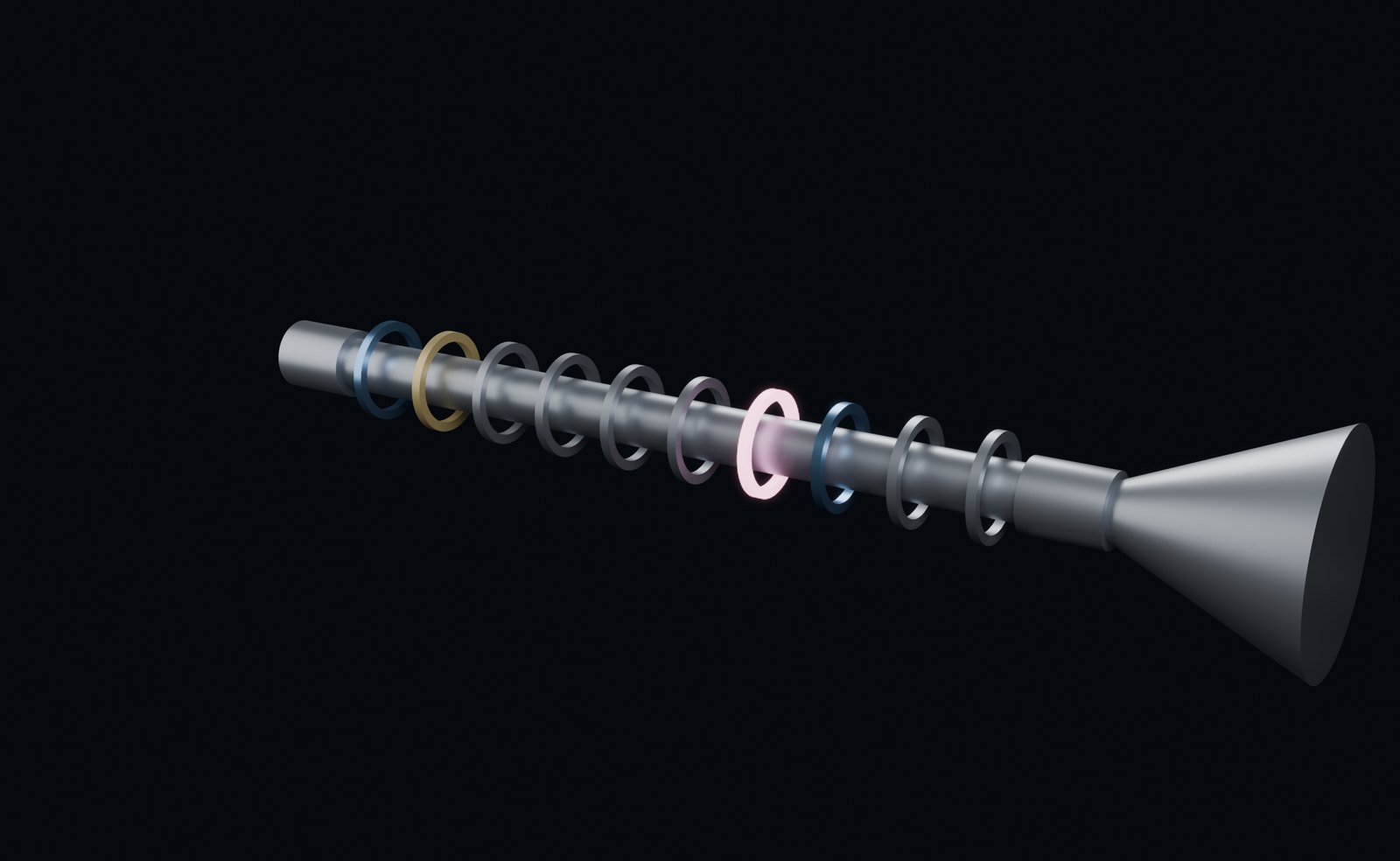
Change Control on Frozen Numbers
A frozen number changes only through a documented process: propose, justify, review, re-verify, re-freeze, and record what moved and why.
Change is allowed; silent change is not
Freezing a design does not forbid improvement. It forbids undocumented improvement. Any change to a frozen number goes through a defined path: a proposal with justification, review by someone other than the author, re-verification of everything the change touches, a new dated freeze, and a record of exactly what moved and why.
Coupled changes are handled together
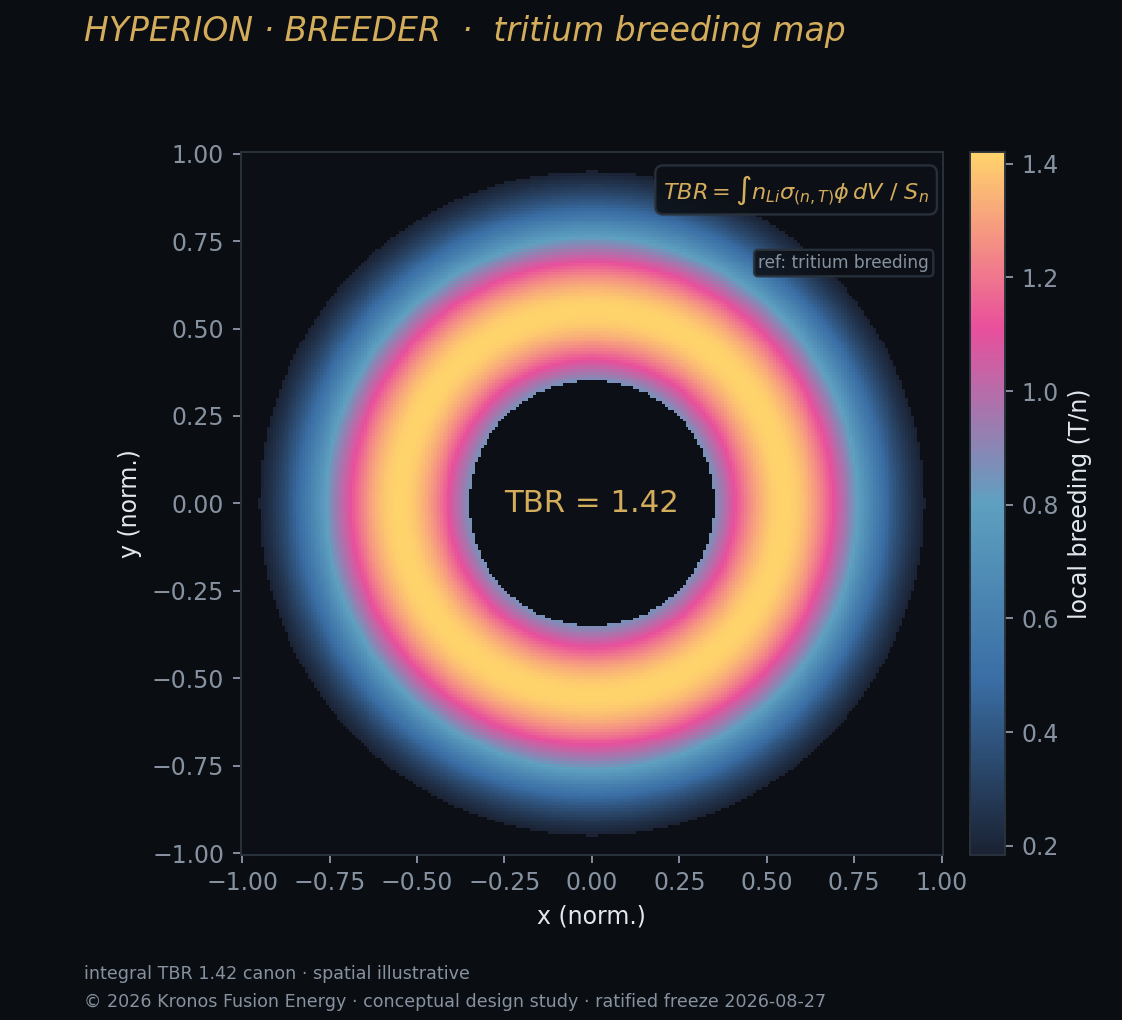
Because parameters are coupled, a single edit is rarely single. Changing the peak field touches the current, the geometry, and the breeding ratio. Change control requires the full set to be re-reconciled, so a freeze never contains a change that broke three other numbers unnoticed.
The change log is part of the record
- What changed, from which value to which value.
- Why, with the analysis or data that motivated it.
- What else moved as a consequence.
- Who reviewed it and when it was re-frozen.
This log is not bureaucracy for its own sake. When a FOAK measurement around 2030 disagrees with a prediction, the change log tells us whether the prediction had been stable or had been drifting, which is central to interpreting the result honestly. A prediction edited toward the answer after the fact is worthless; a change log makes that impossible to hide.
Change control is how a living program keeps the integrity of a frozen one. Handled this way, change becomes an asset rather than a threat: the design can improve for years while every version of every number remains recoverable, sourced, and honestly comparable against whatever the hardware eventually shows.