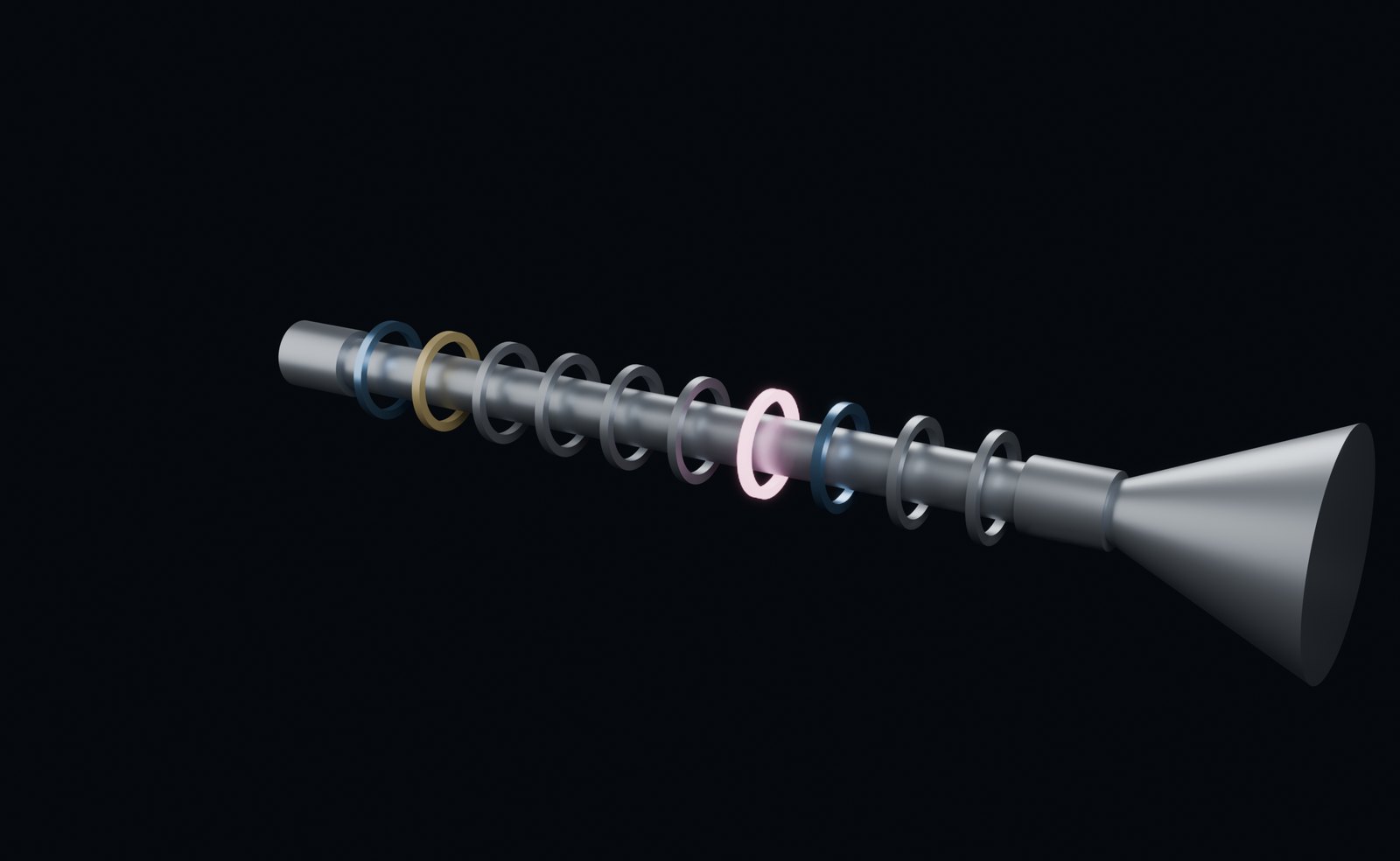
Safety Posture: A Trace Source Term and No Repository
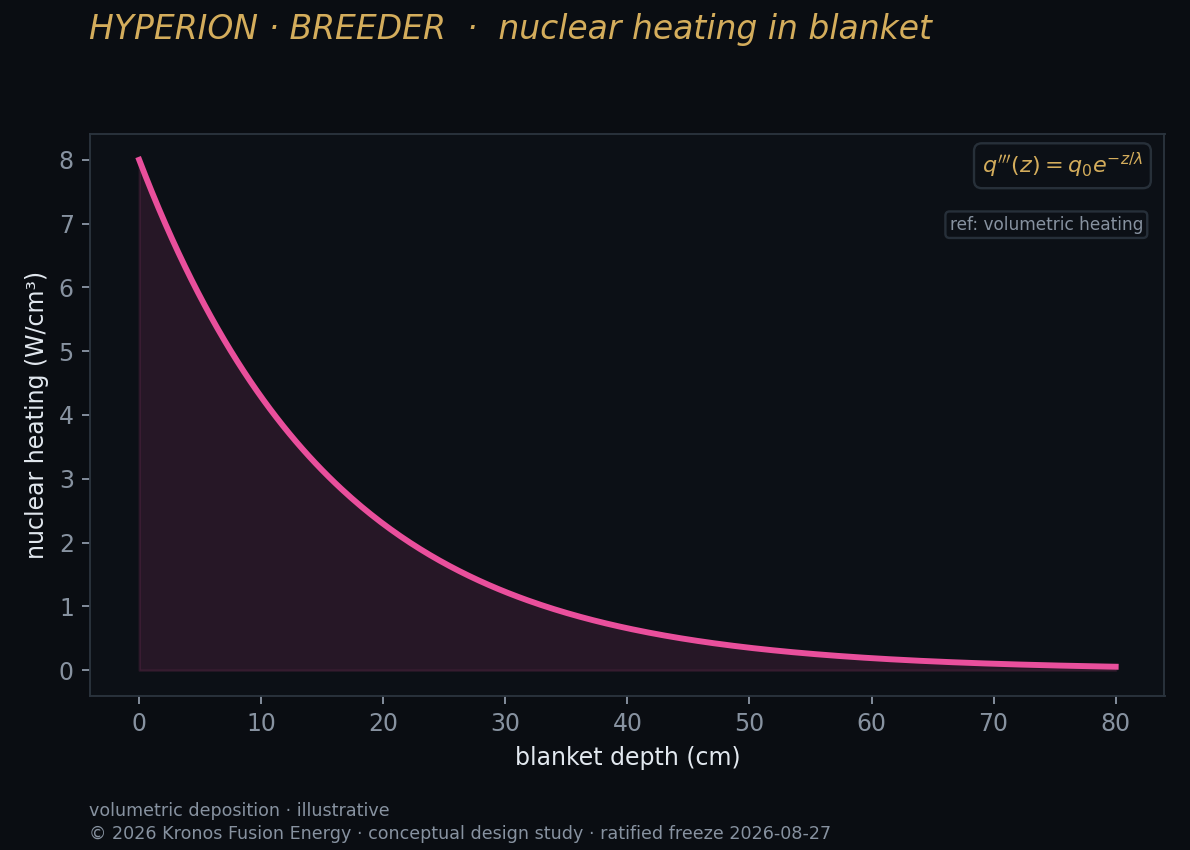
The burner's safety posture follows from its physics: a trace tritium inventory rather than kilograms, an end-of-life inventory on the low-level-waste pathway rather than a geological repository, and a gentle wall rather than an activated one. The low-neutron fuel writes the safety case.
The science
Because the burner burns D-3He, its mobile radioisotope inventory is a trace D-D by-product, its structures activate far less than a D-T plant's, and its decommissioning stream fits existing low-level-waste disposal. There is no bulk tritium process stream and no breeding blanket to become high-activation waste.
Why it matters
Safety analyses price the worst case, and the worst case scales with inventory and activation. A plant whose source term is a bounded trace and whose waste is low-level starts every safety and licensing conversation from a categorically better place than a breeding-blanket machine.
The numbers
| Tritium inventory | trace (D-D by-product) |
| Waste class | low-level-waste pathway |
| Repository line | none for vessel/internals |
| Activation | far below D-T |
| Written by | the low-neutron fuel |