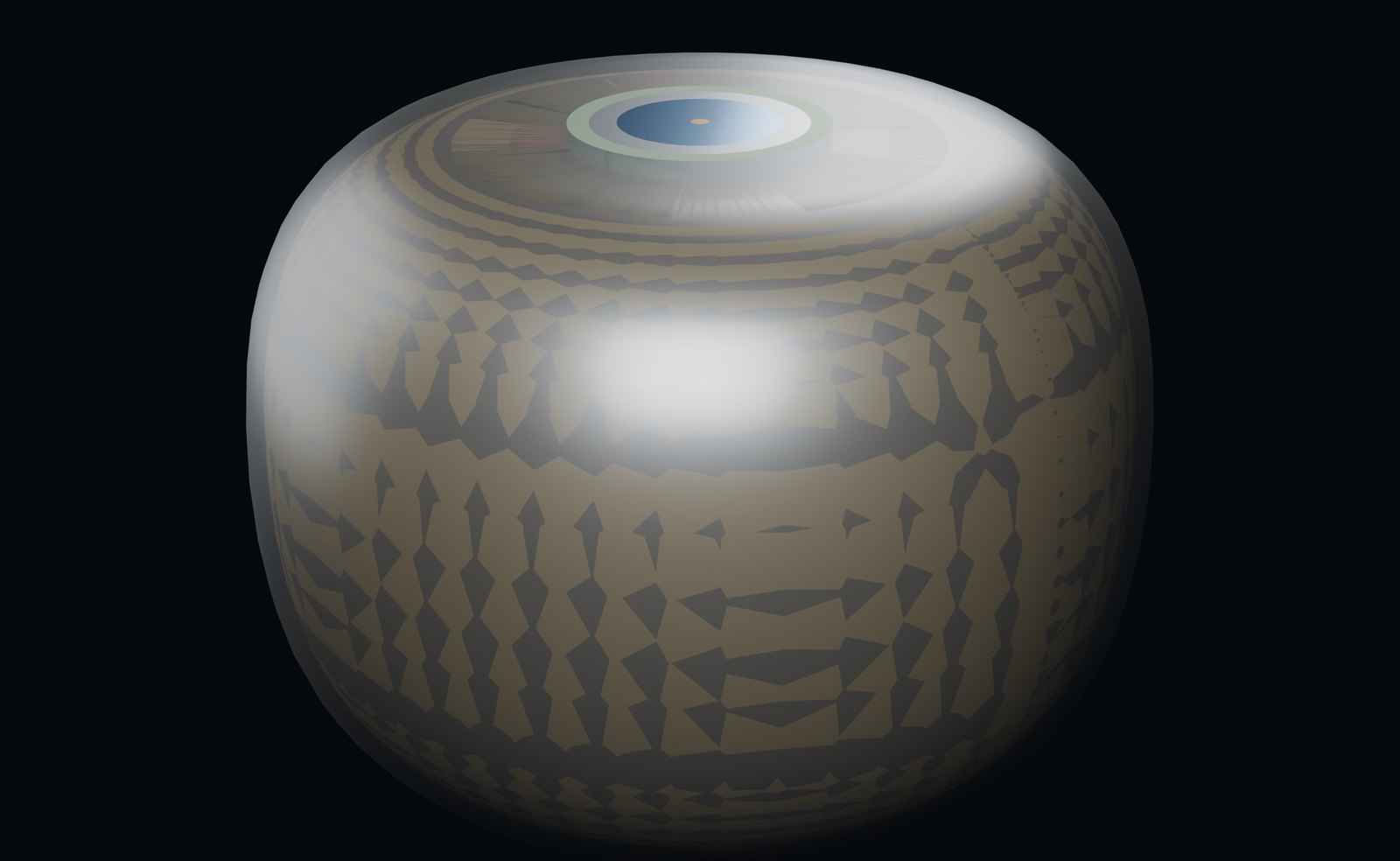
No Breeding Blanket: The Component the Burner Deletes
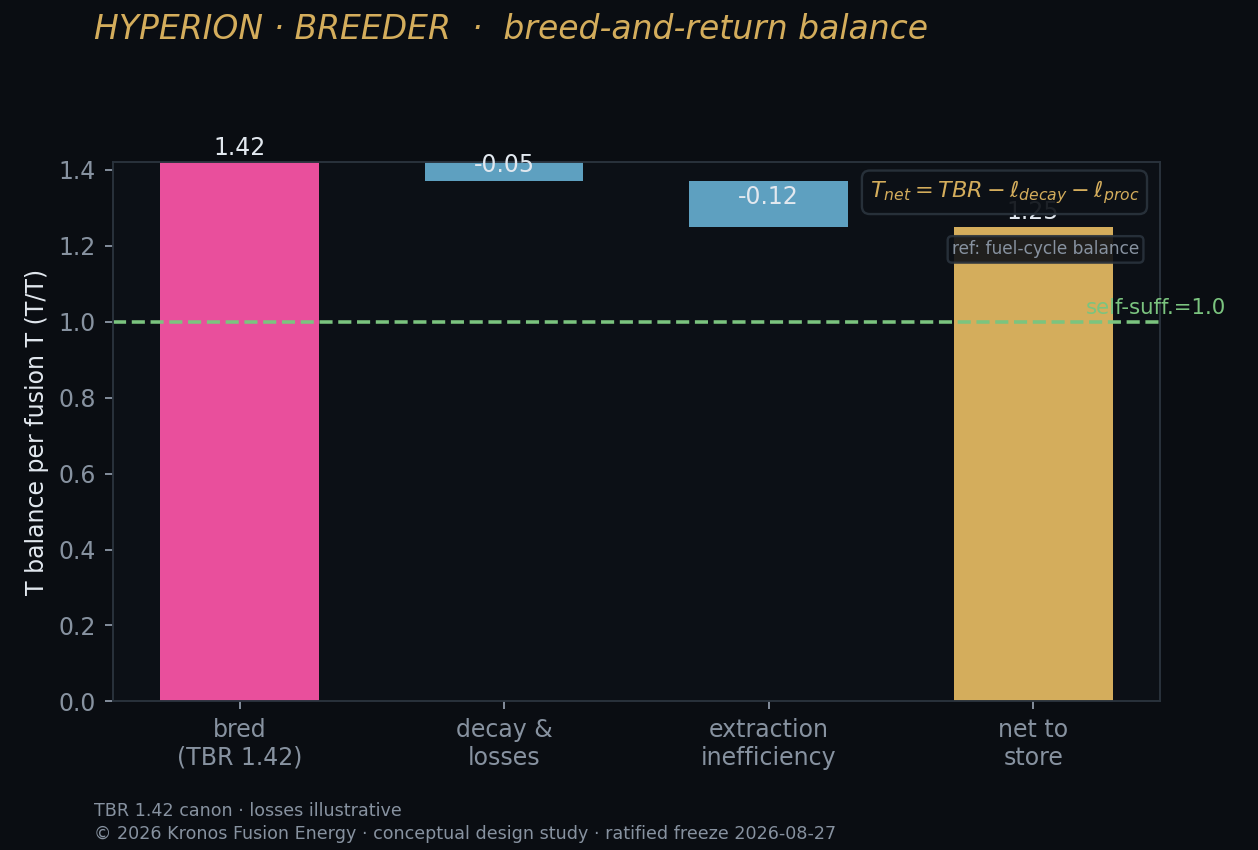
The burner has no breeding blanket, because it burns no tritium as fuel. Deleting the blanket removes the single most maintenance-intensive, most-activated, most-replaced component of a D-T plant — a simplification the low-neutron fuel makes possible.
The science
A D-T plant must surround its plasma with a meter-scale lithium blanket to breed the tritium it consumes, then extract, purify, and recycle that tritium. The burner's D-3He fuel needs none of it: its fuel arrives as helium-3, so there is no breeding requirement and no blanket to build, cool, or replace.
Why it matters
The blanket is where much of a D-T plant's cost, activation, and downtime live. A burner without one is structurally simpler and structurally quieter. The absence is a direct dividend of choosing a low-neutron fuel.
The numbers
| Breeding blanket | none (burner) |
| Reason | no tritium fuel to breed |
| Removed | blanket cost, activation, replacement |
| Fuel form | helium-3, supplied |
| Contrast | D-T plant requires a blanket |