How a Mirror Holds Plasma: Pastukhov and the Confining Potential
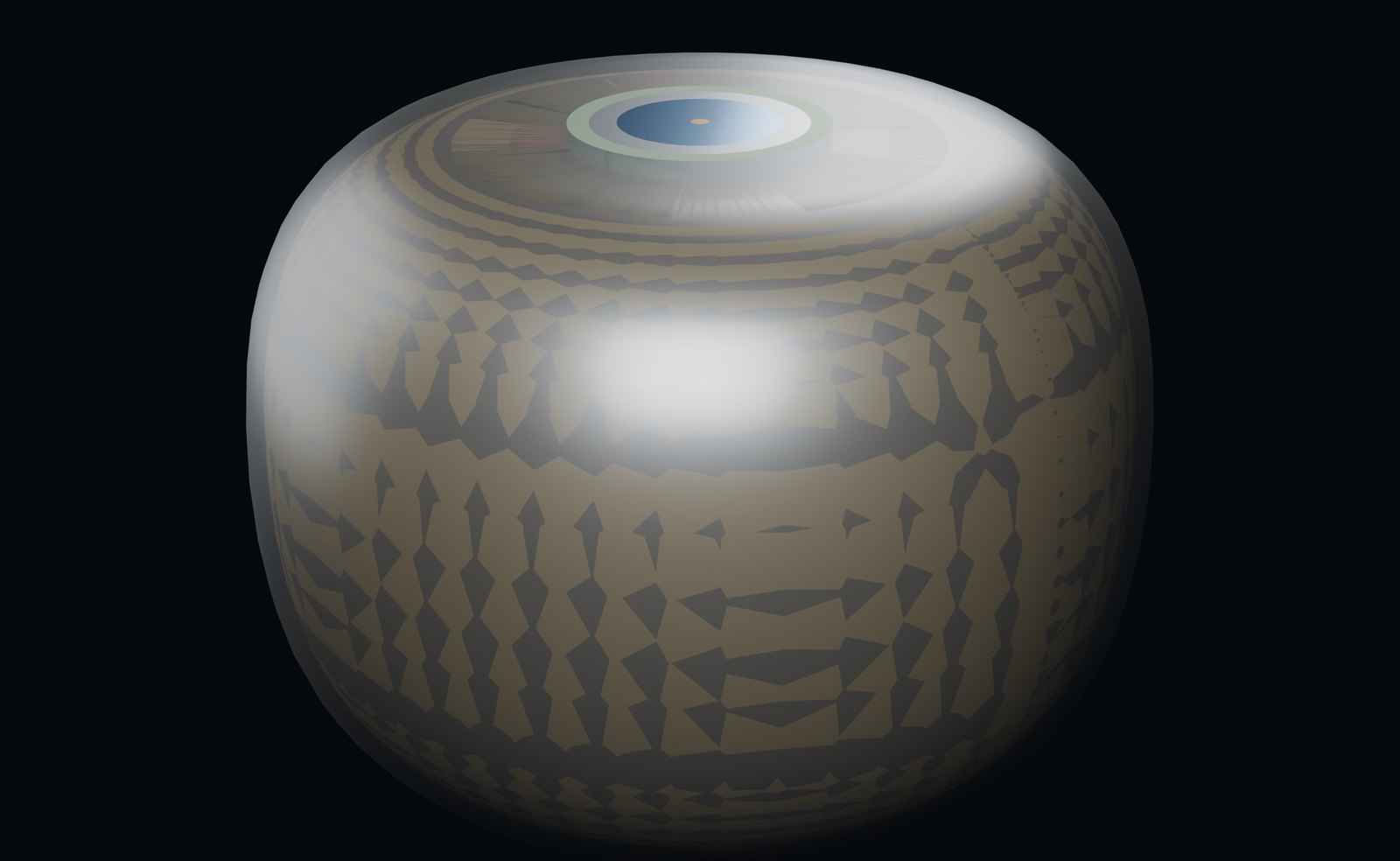
A mirror confines ions not just magnetically but electrostatically: the plug builds a potential hill, and confinement time rises exponentially with the ratio of that potential to the ion temperature. Pastukhov ambipolar theory is the physics behind the burner's whole confinement case.
The science
In the burner, the confining potential phi_i equals the electron temperature times the logarithm of the plug-to-central density ratio — 211 keV at the reference point. Confinement time then scales as exp(phi_i/T_i), which is why the density ratio, not the field, dominates. The reference point reaches a 3.06 s particle confinement time from this mechanism.
Why it matters
Understanding that confinement is exponential in the plug ratio is what makes the design's risk legible: a single, deep, testable requirement rather than a diffuse set of field and geometry assumptions. The mechanism tells you exactly which experiment matters.
The numbers
| Mechanism | Pastukhov ambipolar confinement |
| Confining potential phi_i | 211 keV (reference) |
| Scaling | confinement ~ exp(phi_i/T_i) |
| Particle confinement time | 3.06 s (reference) |
| Set by | plug density ratio |