KRONOS FUSION ENERGYWHITEPAPER 012 / 104
Hyperion — The Breeder
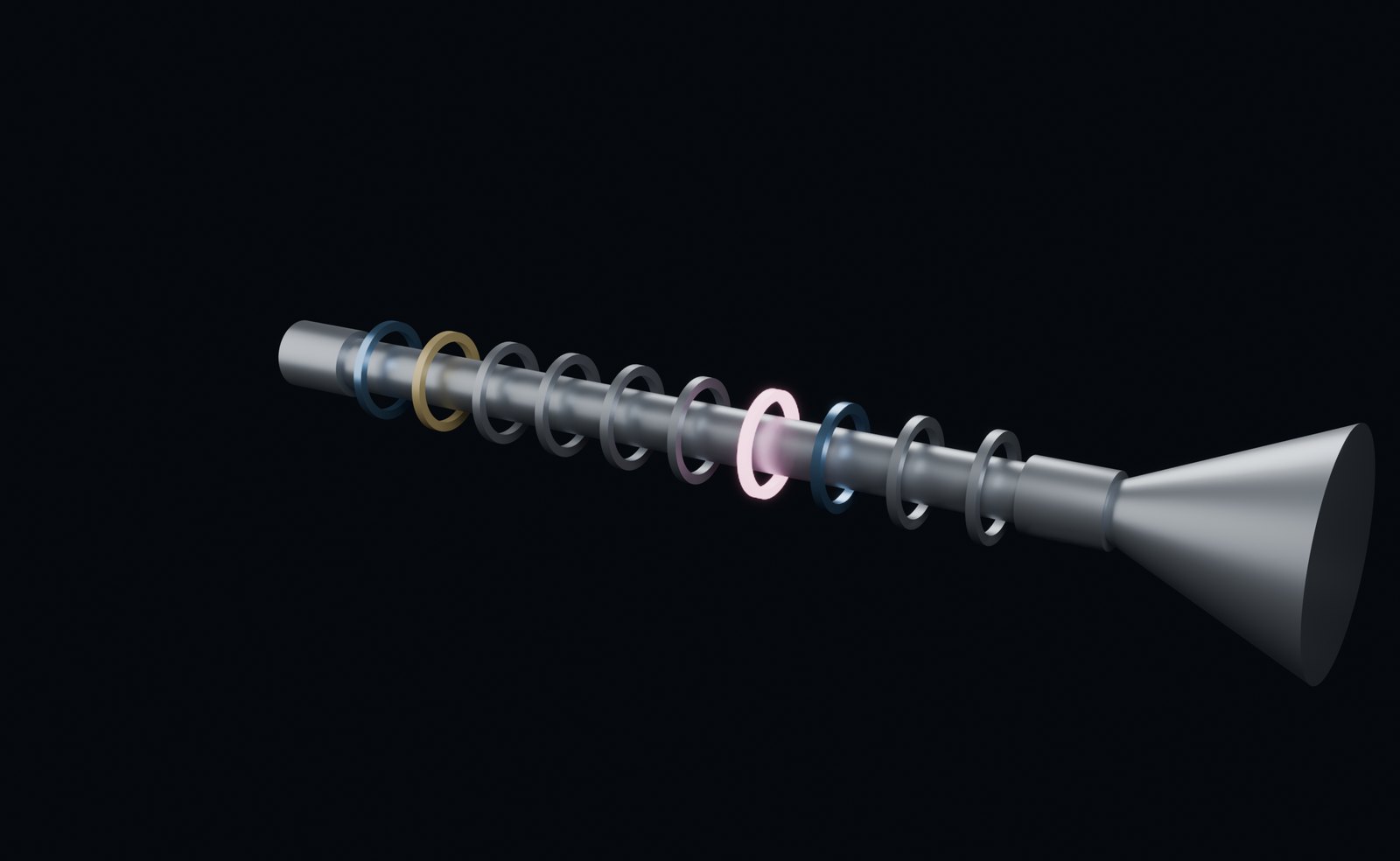
How a Tritium Machine Makes Helium-3
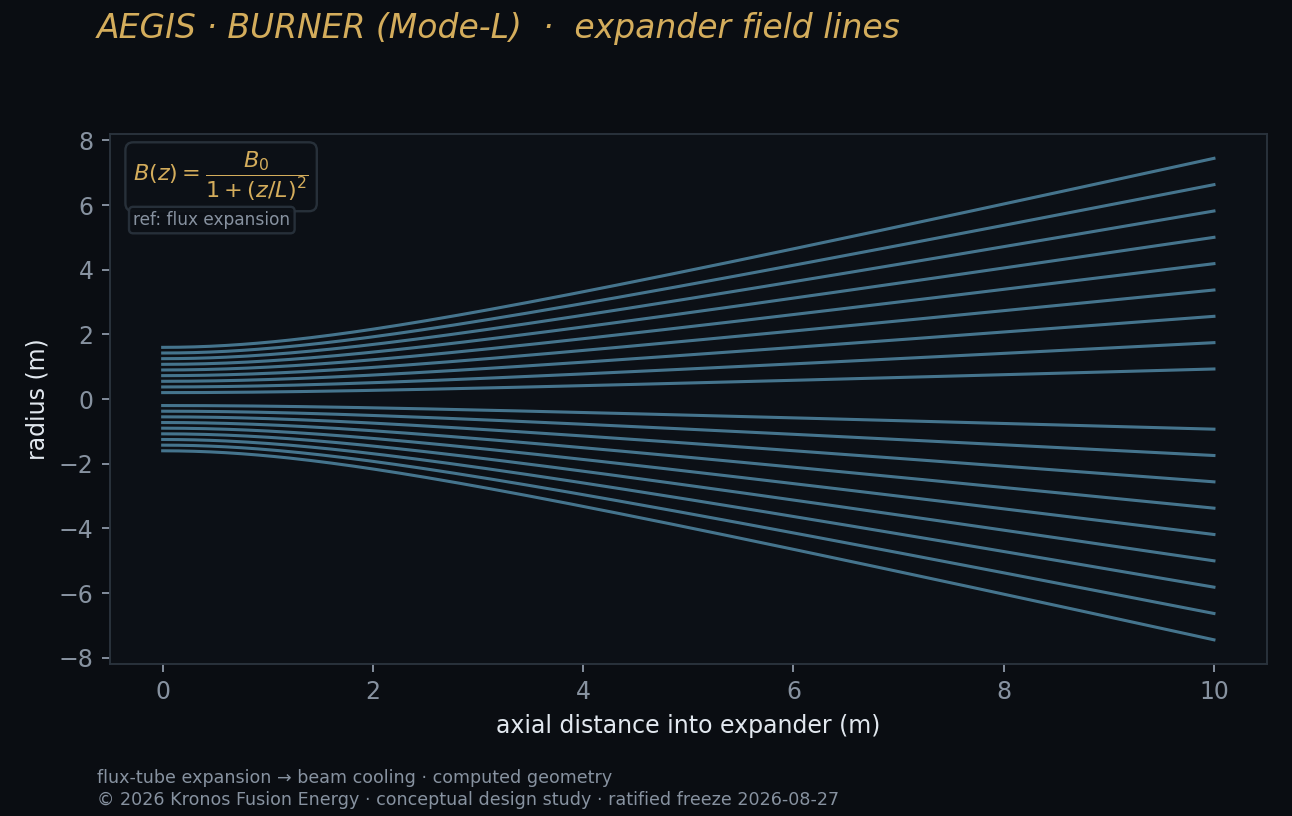
The burner's scarce fuel is a free decay product of the breeder's primary output.
Helium-3 is Hyperion's co-product: tritium decays into helium-3 with a 12.3-year half-life, so every kilogram of tritium the breeder makes becomes a helium-3 stockpile over time. The breeder quietly manufactures the burner's fuel.
The science
Tritium is radioactive and decays to helium-3. A tritium inventory is therefore a helium-3 source that accrues at roughly 0.42 litres of helium-3 per gram of tritium per year. Hyperion's tritium production thus doubles as a slow, reliable helium-3 accrual.
Why it matters
This closes the family's fuel logic: the breeder's decade of tritium production seeds the helium-3 the burner needs. The co-product is carried as upside only, subject to a price-endogeneity rule so it is never over-credited.
The numbers
| Co-product | helium-3 from tritium decay |
| Accrual | ~0.42 L He-3 / g tritium / yr |
| Half-life basis | tritium 12.3 yr |
| Credited as | upside only |
| Role | seeds burner fuel supply |
Straight answersHelium-3 accrual is real physics but is carried as upside, not banked into the base case — the programme applies a price-endogeneity rule so a scarce co-product cannot inflate the story.
Kronos is the fusion company that shows its work. Every figure here traces to the openly deposited Kronos simulation programme and design-point records (CC BY 4.0).
Read the series, run the code, check us. — All whitepapers
· Read the formal papers & open data
Building toward first construction in 2027 — isotopes first, electricity next. Quantitative values
are simulation-derived and carry the feasibility gates named in the text; superseded values are kept
in the record with era labels. This document is informational and is not an offer of securities.
© 2026 Kronos Fusion Energy, Inc. · Los Angeles, California.
← Back to the whitepaper library