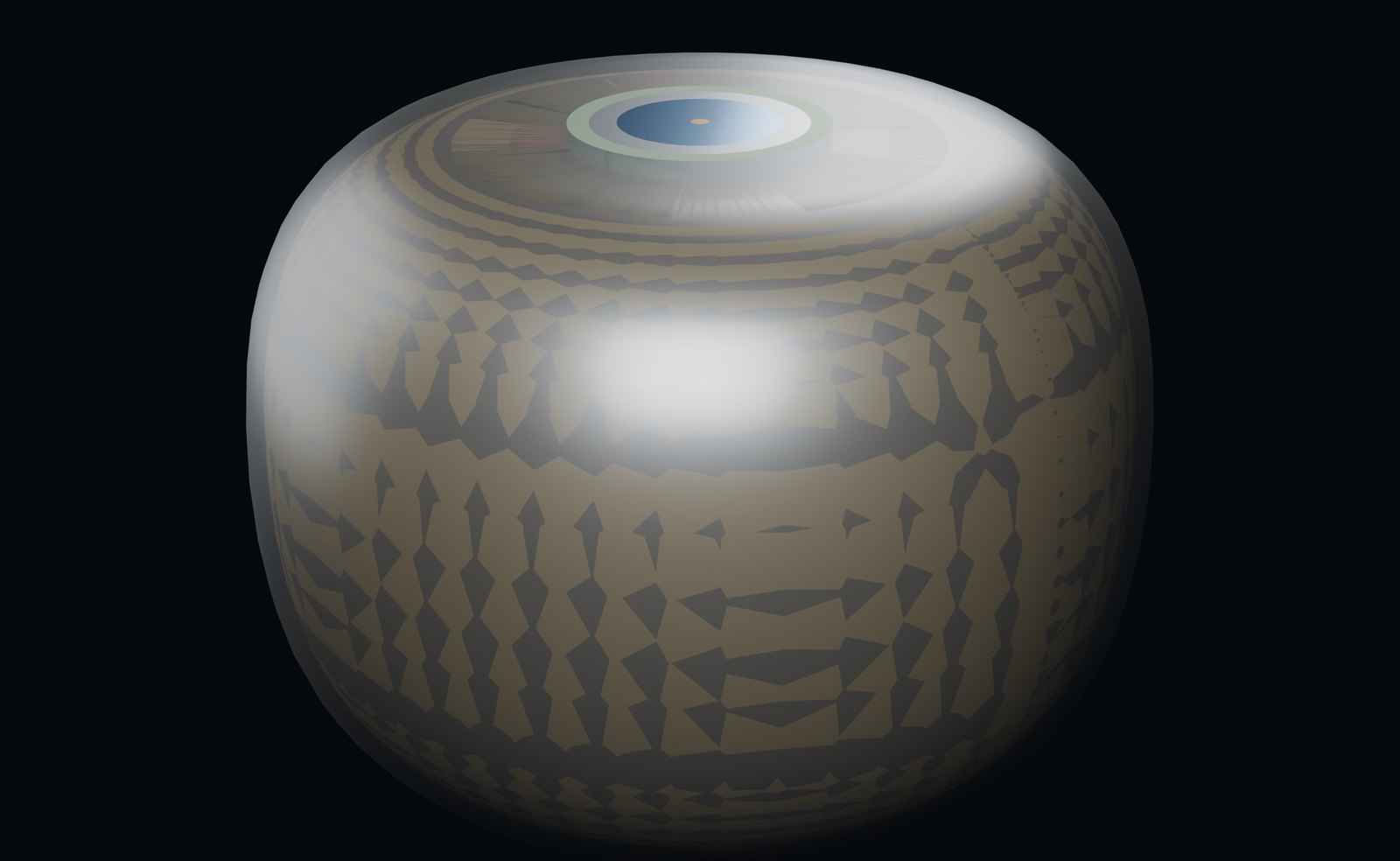
The 14 MeV Neutron a Mirror Cannot Make
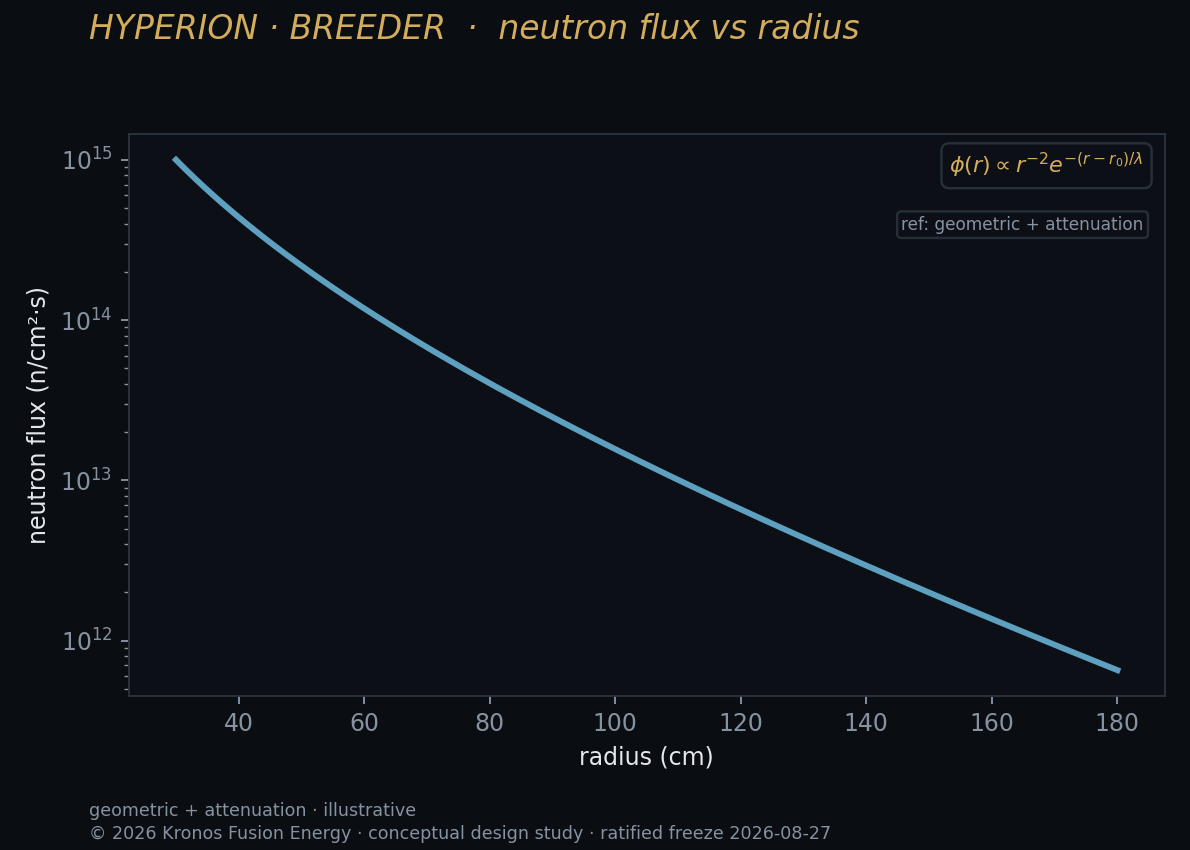
Hyperion's D-T fill produces 14 MeV neutrons at full rate — the fusion-spectrum neutron that materials qualification actually requires, and the one a low-neutron D-3He mirror deliberately does not make. This is why the breeder, not the burner, serves the irradiation market.
The science
Structural materials for any fusion plant must be qualified against 14 MeV neutrons, whose damage spectrum differs from fission neutrons. Producing them requires a D-T reaction; the burner's D-3He cycle is chosen precisely to suppress neutrons, so it cannot serve this need. Hyperion's D-T fill fills exactly that gap.
Why it matters
The retired standalone neutron-source concept could only reach a fraction of a reference irradiation facility. Subsuming that role into Hyperion — where the D-T fill makes 14 MeV neutrons the 2.45 MeV mirror never could — turns a weak standalone product into a strong co-product of the breeder.
The numbers
| Neutron energy | 14 MeV (fusion spectrum) |
| Source | D-T fill in Hyperion |
| Burner equivalent | none (low-neutron by design) |
| Use | materials qualification |
| History | standalone neutron-source concept retired into Hyperion |