Small by Geometry: The Aspect-Ratio-2.5 Spherical Tokamak
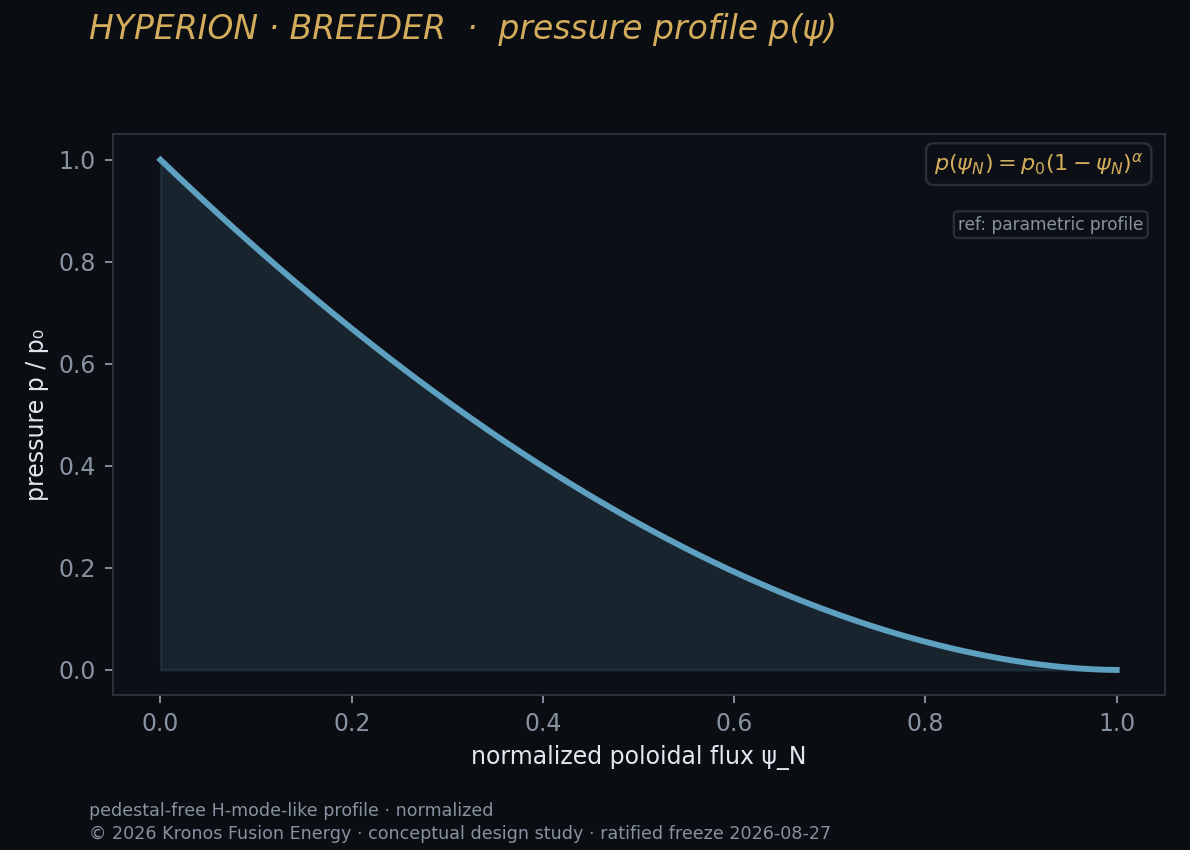
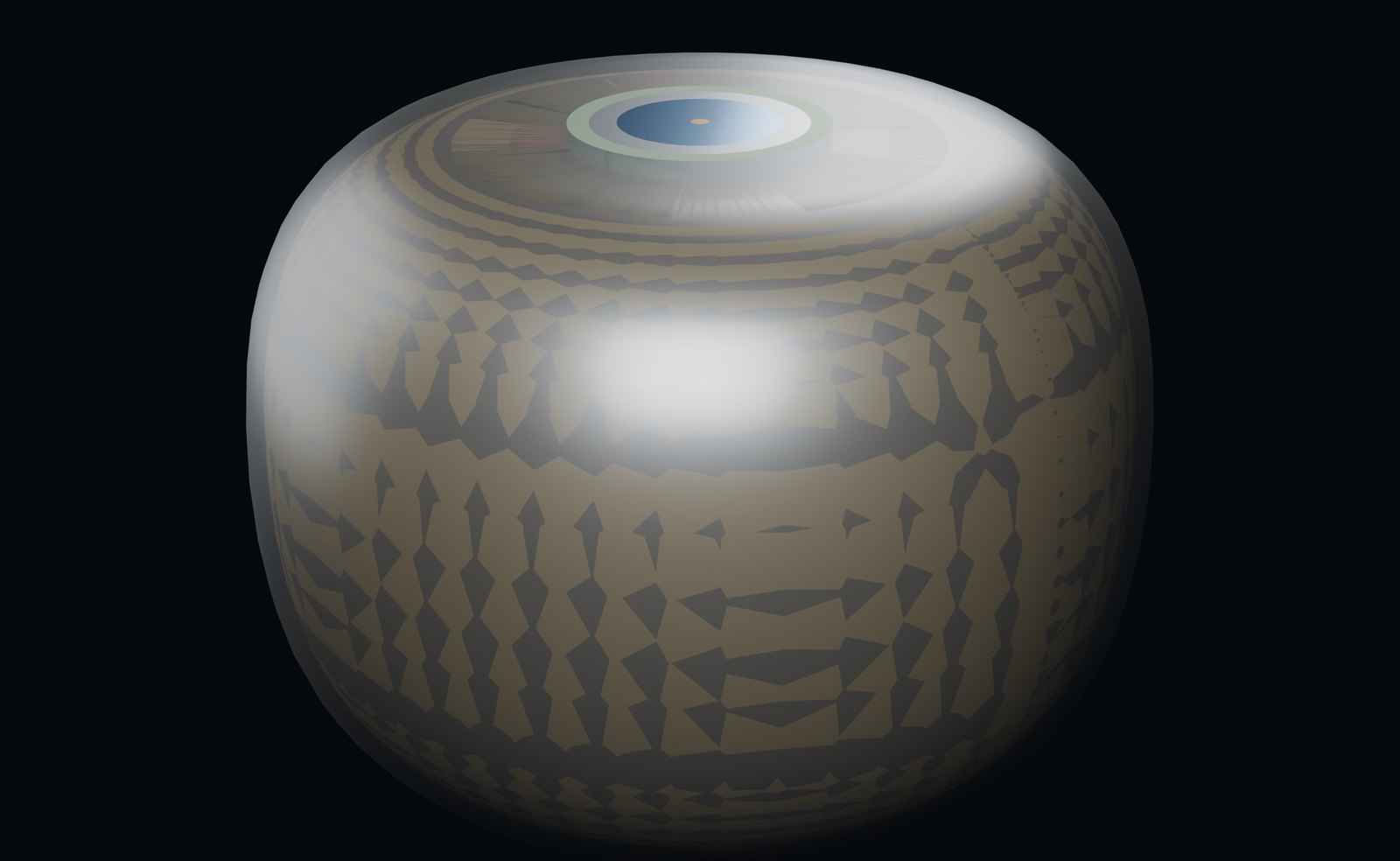
Hyperion's plasma is a squat torus: major radius 1.2 m, aspect ratio 2.5. Low aspect ratio is not styling; it is the geometric lever that lets a small machine hold reactor-relevant pressure.
The science
Normalized plasma pressure per unit field rises as the torus grows fatter. A low-aspect-ratio spherical tokamak therefore reaches useful fusion conditions in a build envelope existing industry can fabricate, at a plasma current a fraction of the giant tokamaks'. Hyperion exploits that lever deliberately, because the breeder's value is buildability, not record-setting.
Why it matters
Machine volume drives everything downstream — fabrication, siting, schedule. Keeping R_0 at 1.2 m puts Hyperion inside precedent set by compact HTS devices already built, which is why the programme can talk about a four-year build with a straight face.
The numbers
| Major radius R_0 | 1.2 m |
| Aspect ratio A | 2.5 |
| Machine class | compact spherical tokamak |
| Fabrication | existing heavy industry |
| Design intent | buildability over optimum |