Engineering Copilot: Maintenance Reasoning
Turning condition, history, and neutron-fluence exposure into inspection and intervention plans, with remote-handling constraints made explicit.
Condition-based maintenance reasoning
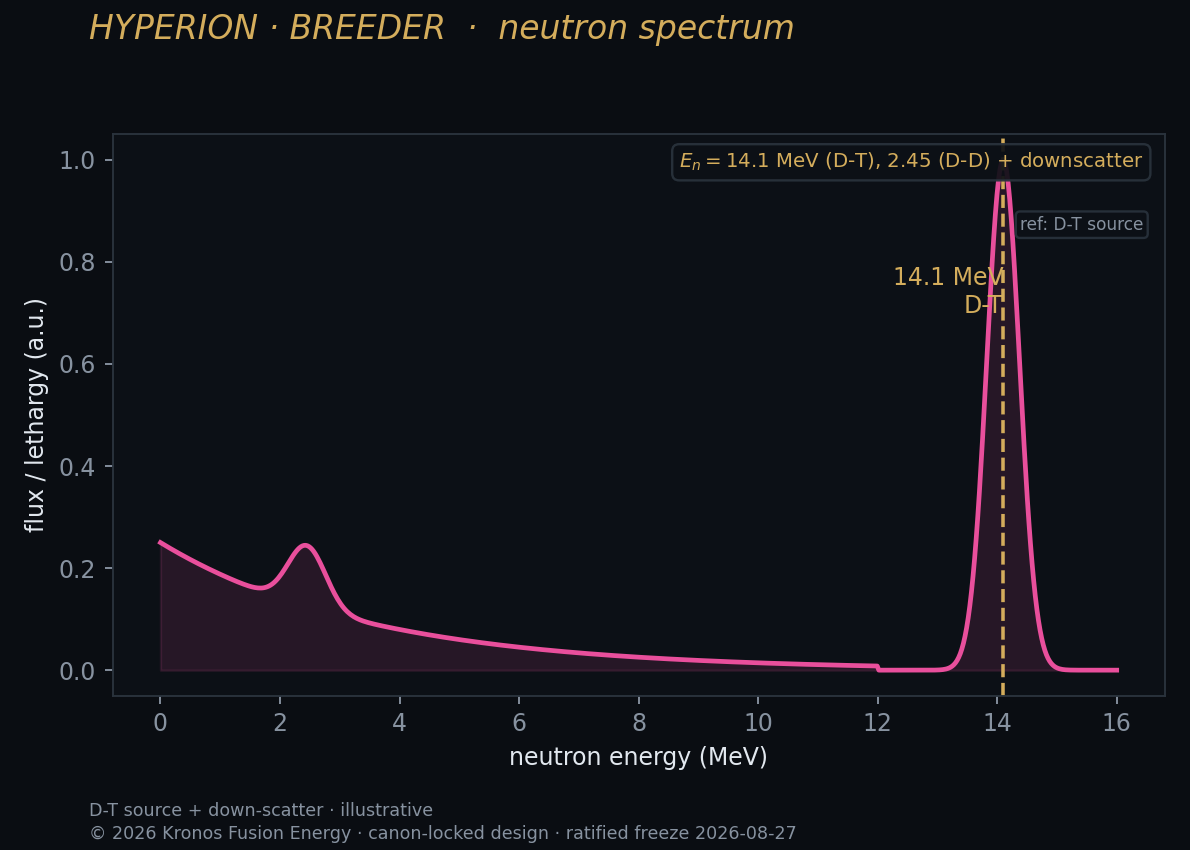
The Engineering Copilot plans maintenance from condition rather than a fixed calendar. It combines subsystem-analysis trends, triaged anomaly events, and cumulative-exposure models — most importantly neutron fluence on the breeder's plasma-facing and structural components driven by the 85.0 MW / 14 MeV neutron output — to estimate remaining margin and recommend when and what to inspect or replace.
Inputs to a maintenance plan
- Degradation trends from subsystem analysis (strain, delta-T, activation)
- Cumulative neutron fluence and material-property projections
- Remote-handling and access constraints inside an activated vessel
- Retrieved procedures, part lead times (as schedule facts), and prior interventions
The copilot reasons explicitly about activation and remote handling: after significant neutron exposure many interventions must be performed by remote handling, which reshapes the plan. It cites the activation and damage modeling and neutron-fluence maps rather than asserting exposure levels.
plan_maintenance(component):
  cond   = subsystem_analysis(component).trend
  flu    = neutronics.fluence(component)         # cumulative
  life   = material_model.remaining_margin(cond, flu)
  window = schedule_fit(life, campaign_calendar)
  method = 'remote' if activation(component) > hands_on_limit else 'hands_on'
  steps  = rag.retrieve_procedure(component, method)
  return proposal(window, method, steps, cite=[cond, flu, steps])
Both machines
For the burner (Aegis / MetroVolt), maintenance reasoning centers on the high-field plug and throat coils (26.49 T / 17 T), the DEC collector grid, and the lower but nonzero neutron load from the 5.44% neutron fraction. The activation picture is different from the breeder's, and the copilot uses the machine-specific fluence maps.
Maintenance plans are proposals handed to the Operations Copilot for step-by-step procedure generation and to human planners for approval. Because both machines are pre-FOAK design studies, current maintenance reasoning targets the commissioning and first-campaign plan and is validated against the twin, not an operating fleet.