Learn › Questions people ask
Question

What are Tier-1 and Tier-2 simulations?
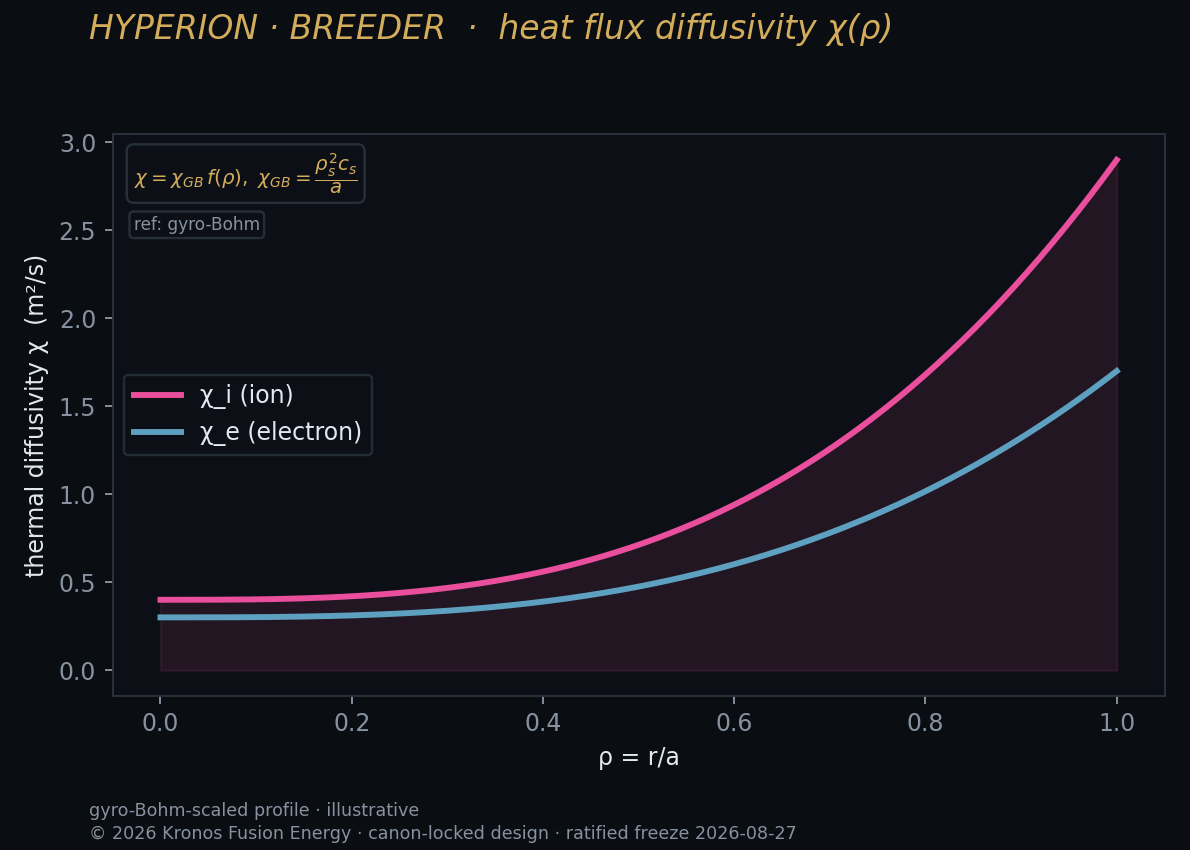
Kronos's 81 analyses are graded: Tier-1 are computed reduced-order results, Tier-2 are high-fidelity decks deposited for HPC runs, and gates mark the load-bearing checks.
The tier system is how Kronos keeps its evidence honest — reduced-order versus high-fidelity, clearly labelled. Browse the full simulation register (S01–S81), or see how Kronos validates its simulations.
Questions & answers
What do the simulation tiers mean?
Tier-1 analyses are computed here and now with cross-validated reduced-order engines (48 of them). Tier-2 analyses are full high-fidelity input decks — for tools like CGYRO, SOLPS-ITER, and OpenMC — deposited and ready to run on HPC, but not yet completed (24 of them). Four decision gates mark the load-bearing adjudications. Together that's 76 validation analyses, plus 5 forward-looking design-space studies, for 81 total.
Why not just run everything at high fidelity now?
High-fidelity nonlinear simulations require major HPC campaigns. Kronos is transparent about which results are reduced-order (indicative) versus high-fidelity (definitive), rather than presenting them all as equally settled — the load-bearing high-fidelity checks are named as outstanding.
Which tier carries the biggest open question?
The confinement verification: the definitive nonlinear gyrokinetic (CGYRO) result is Tier-2, specified but not yet run — the single most important outstanding analysis.