Physics figure library
A computed, canon-locked library of 138 figures and animations spanning the physics of the Hyperion spherical-tokamak breeder and the Aegis/MetroVolt D-3He tandem-mirror burner: plasma equilibrium, gyrokinetic transport, neutronics, the tritium fuel cycle, magnetic-mirror confinement, direct energy conversion, materials and operations.
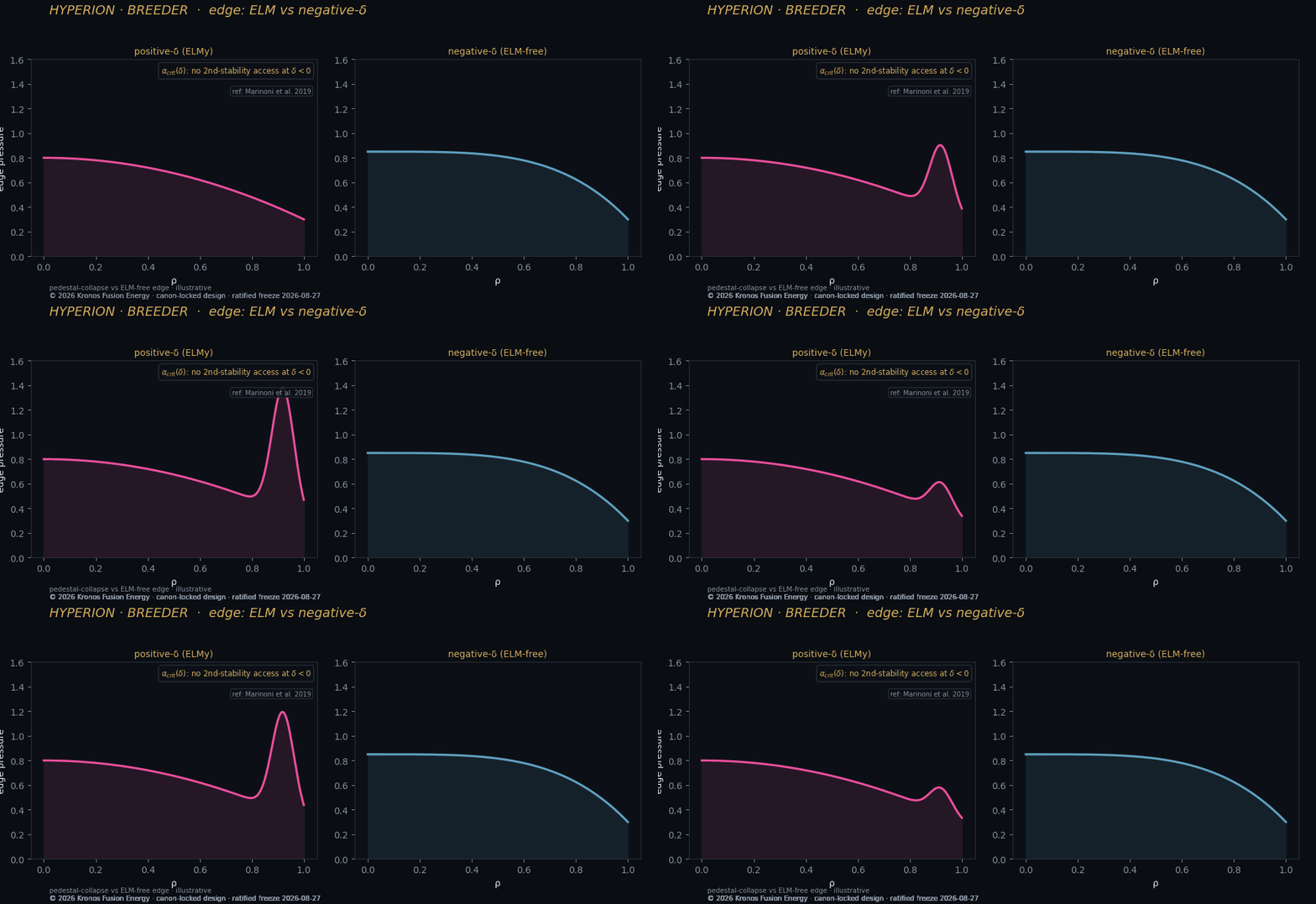
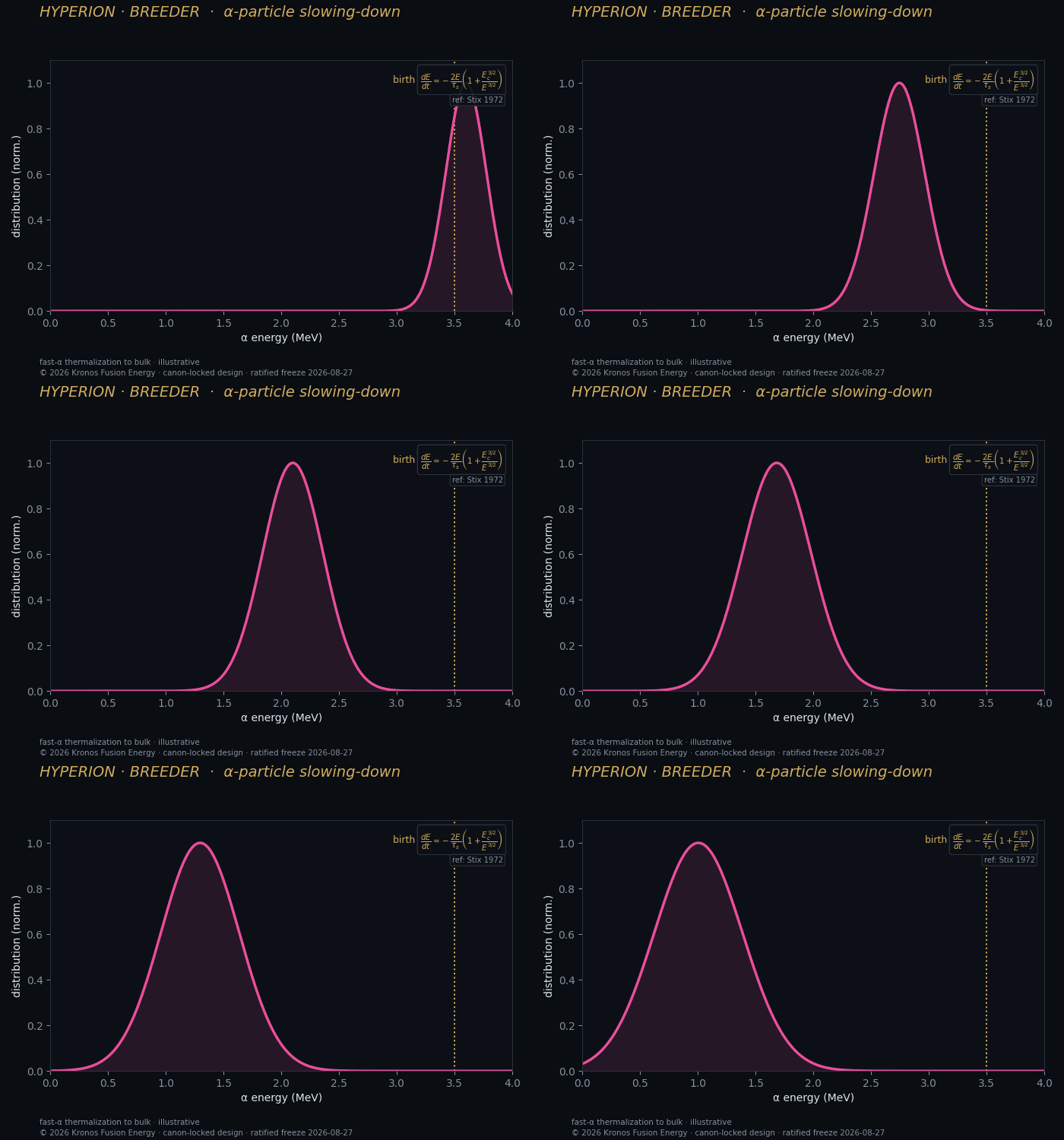
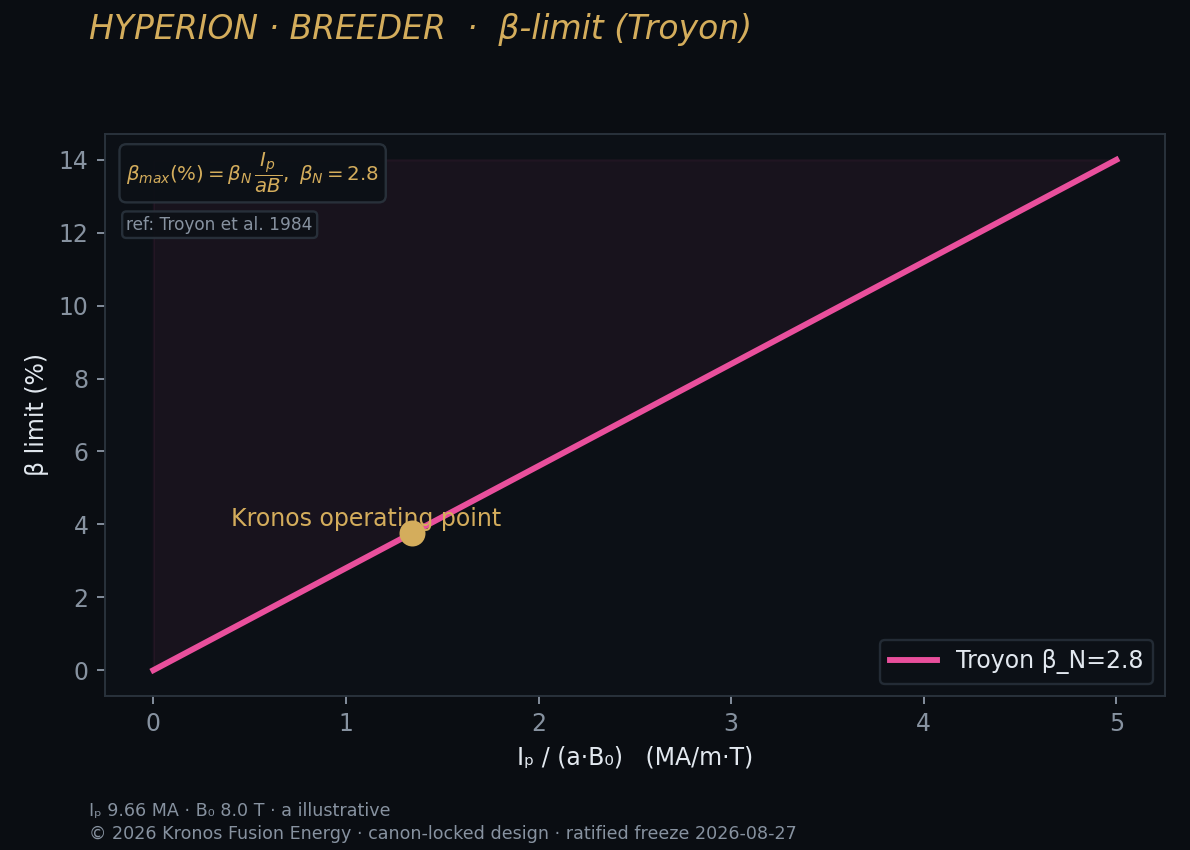
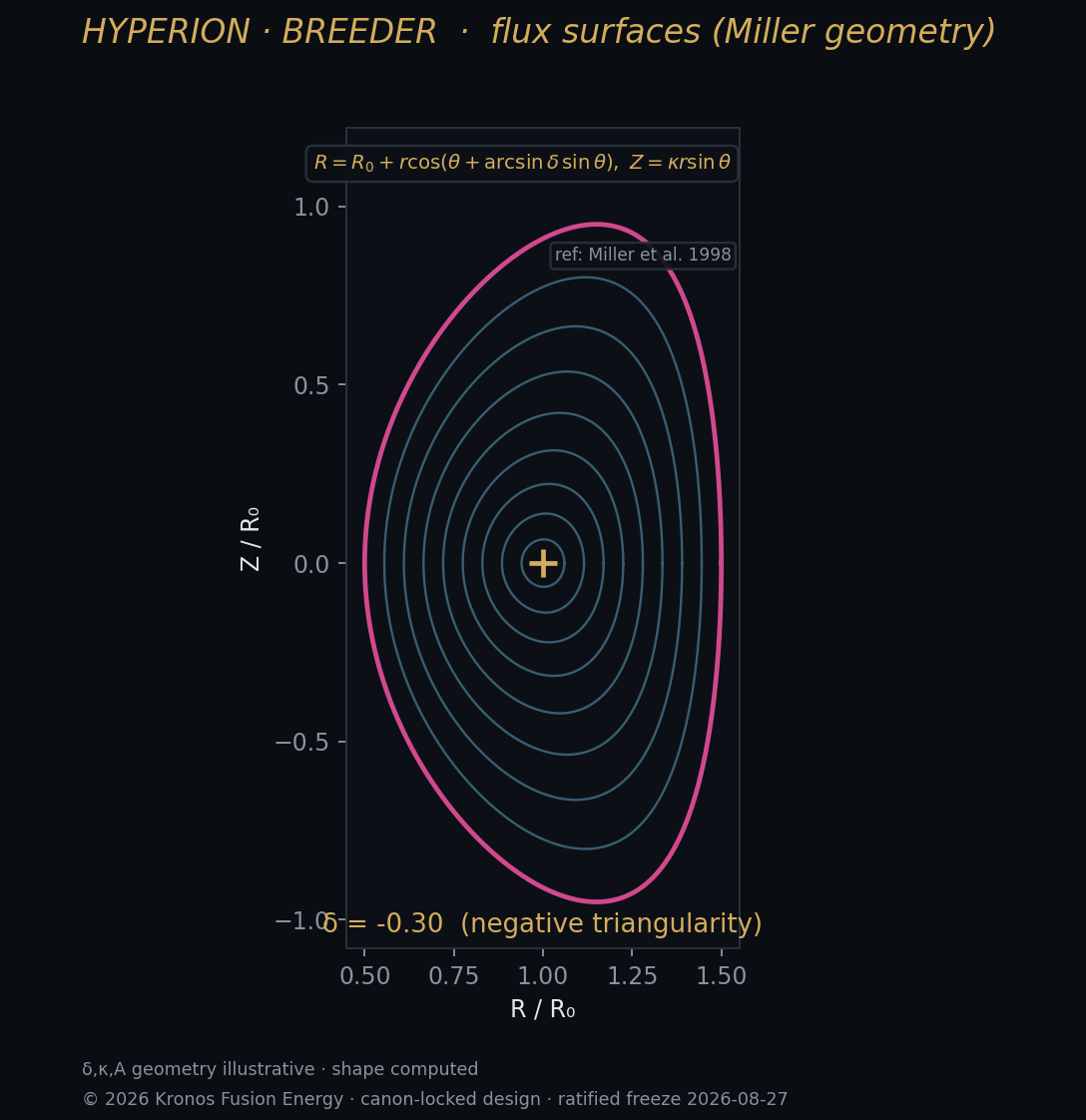
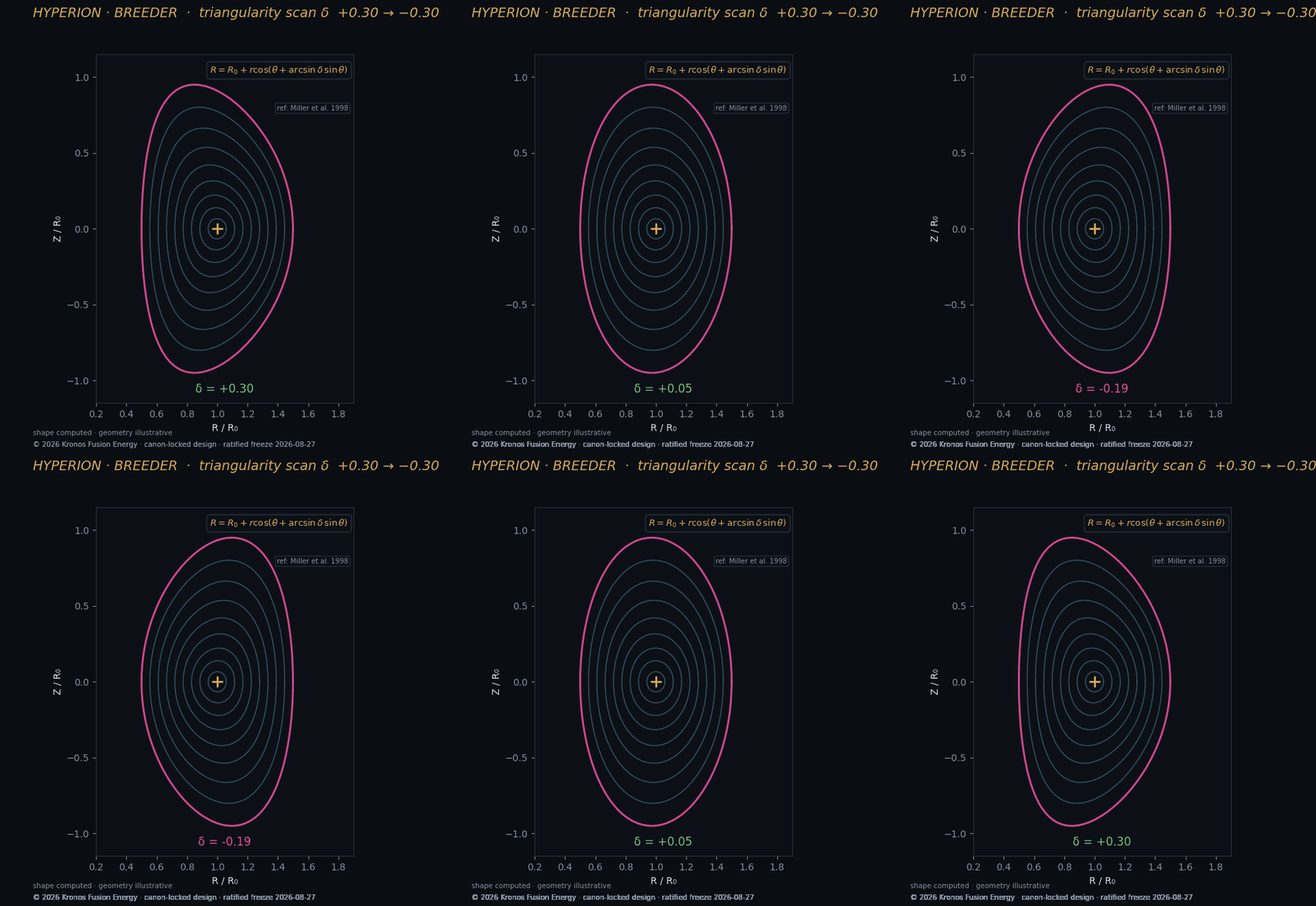
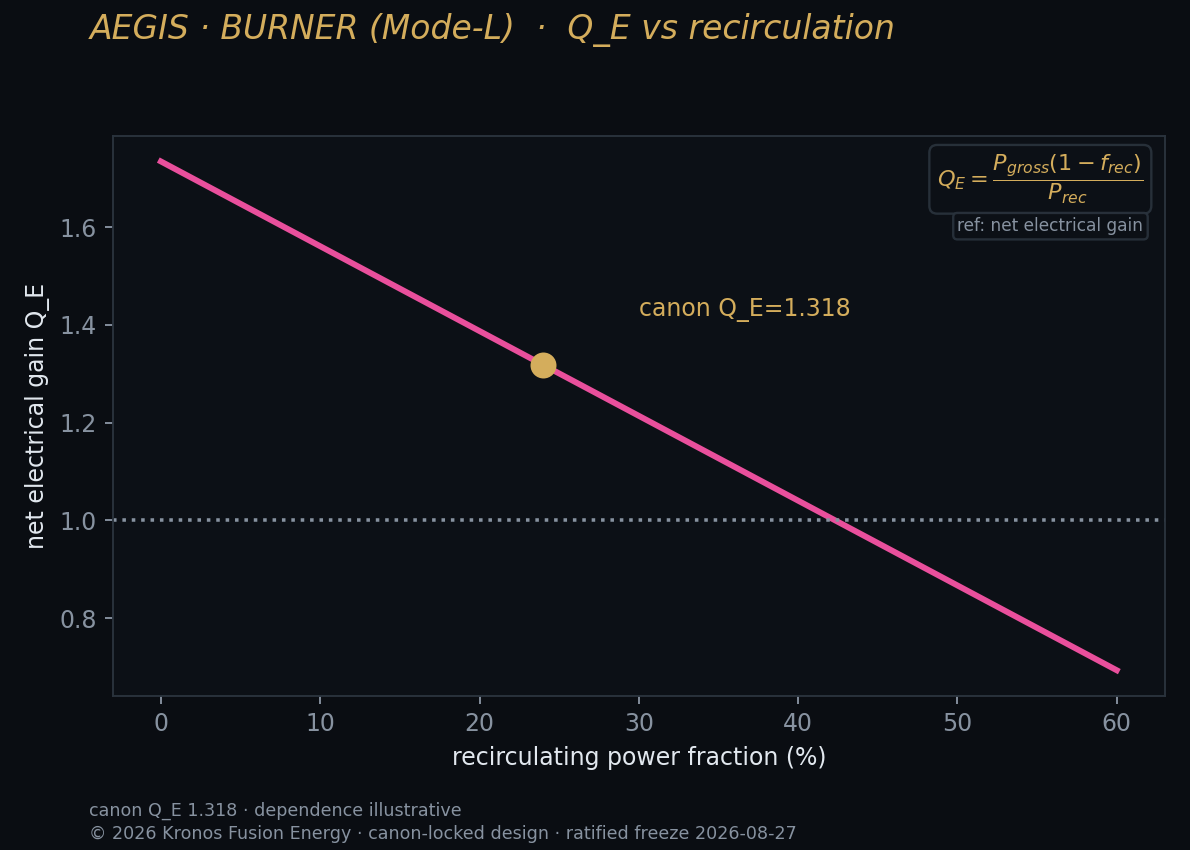
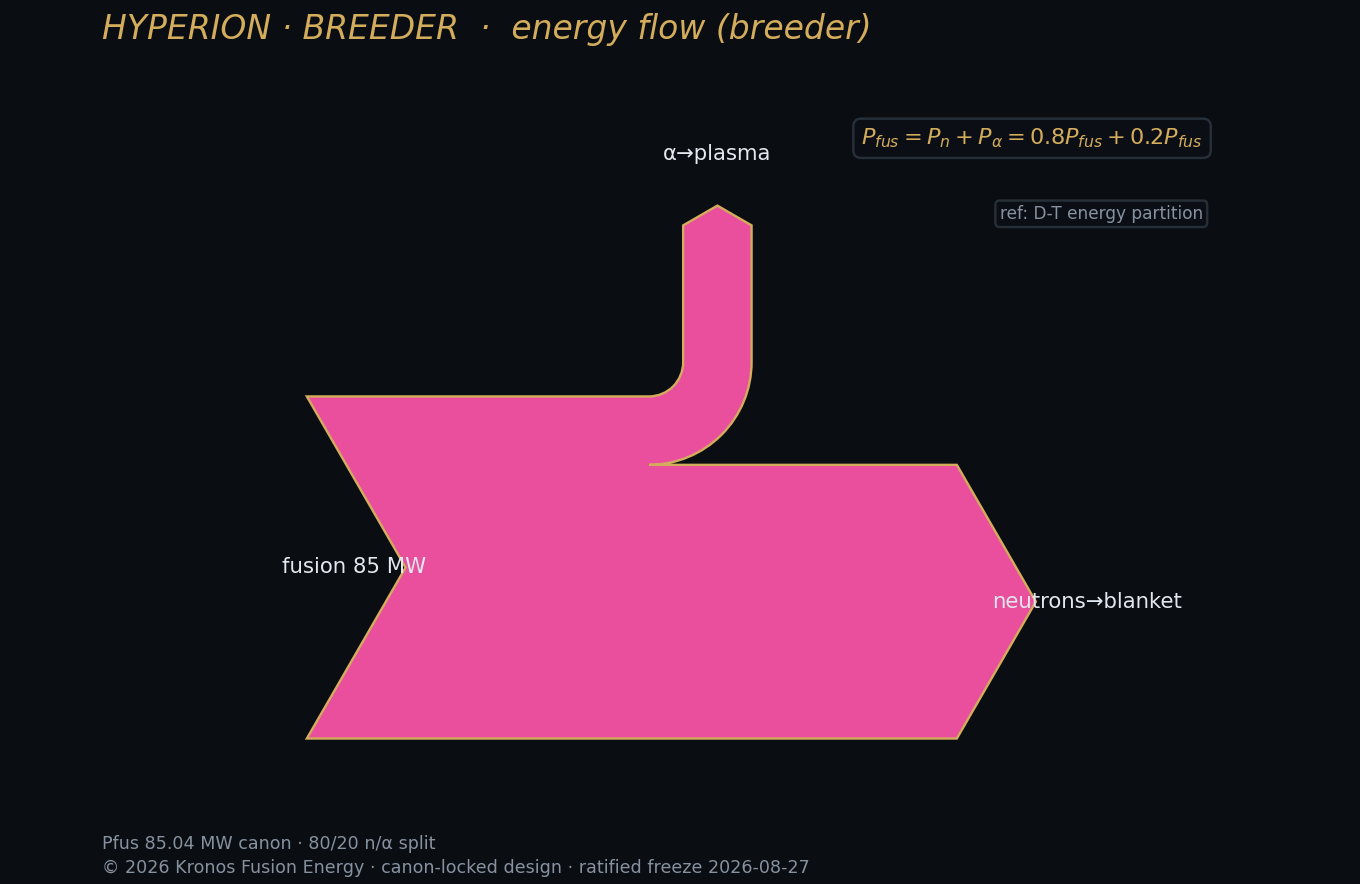
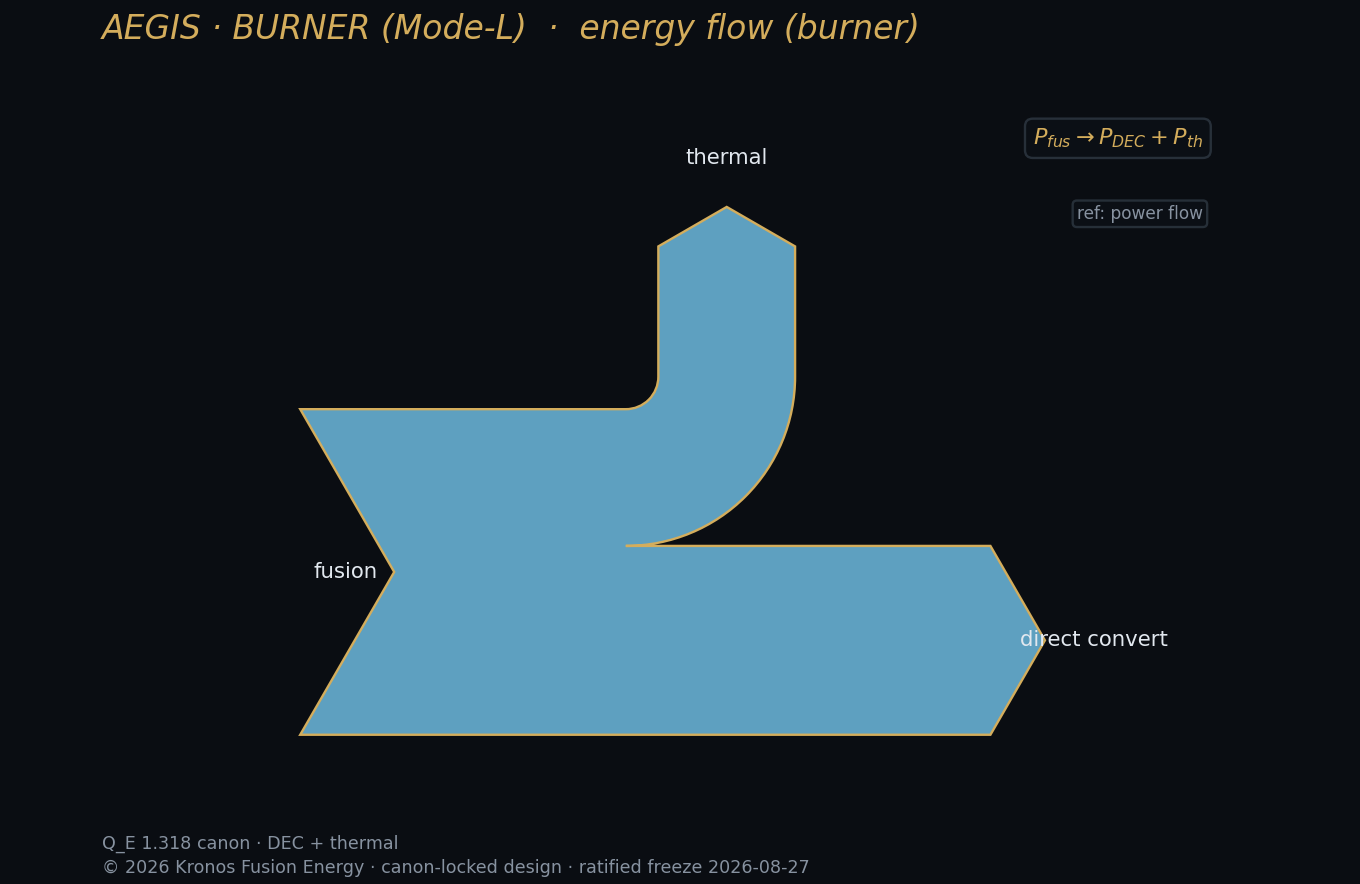
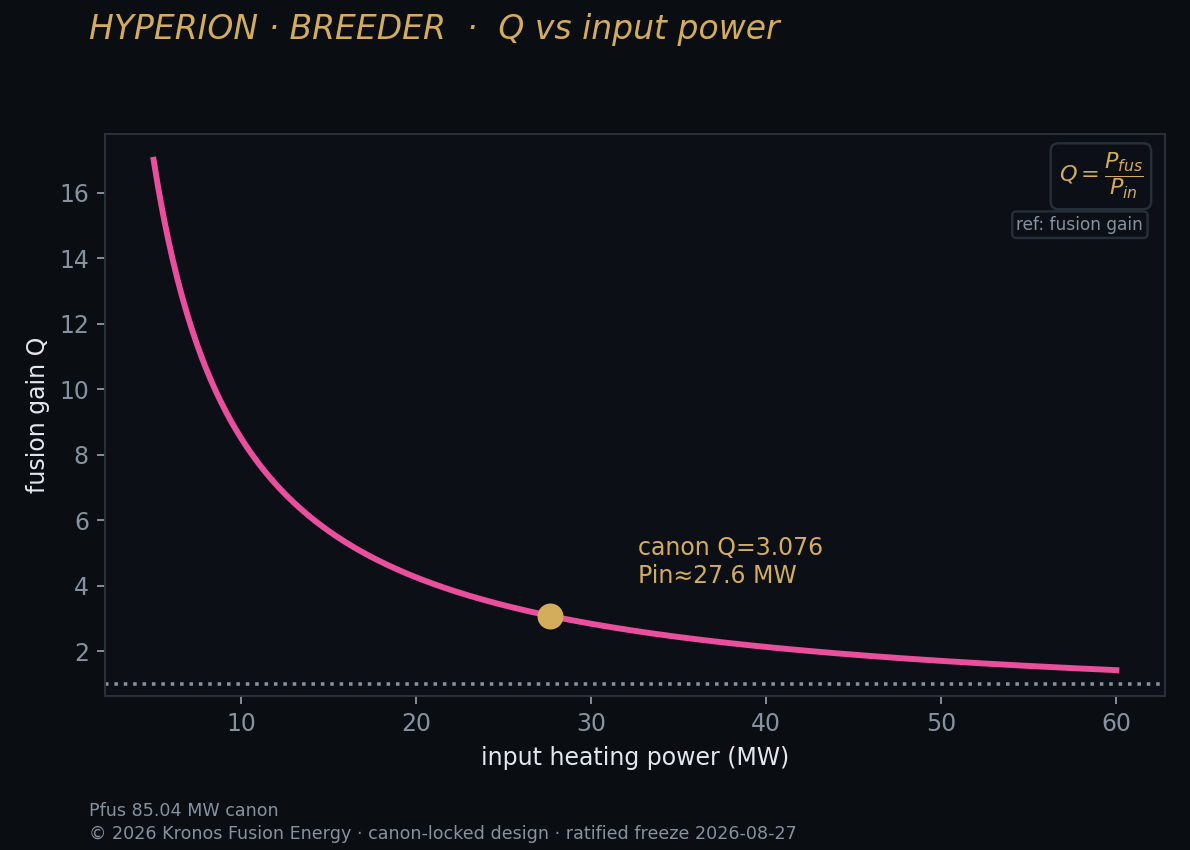
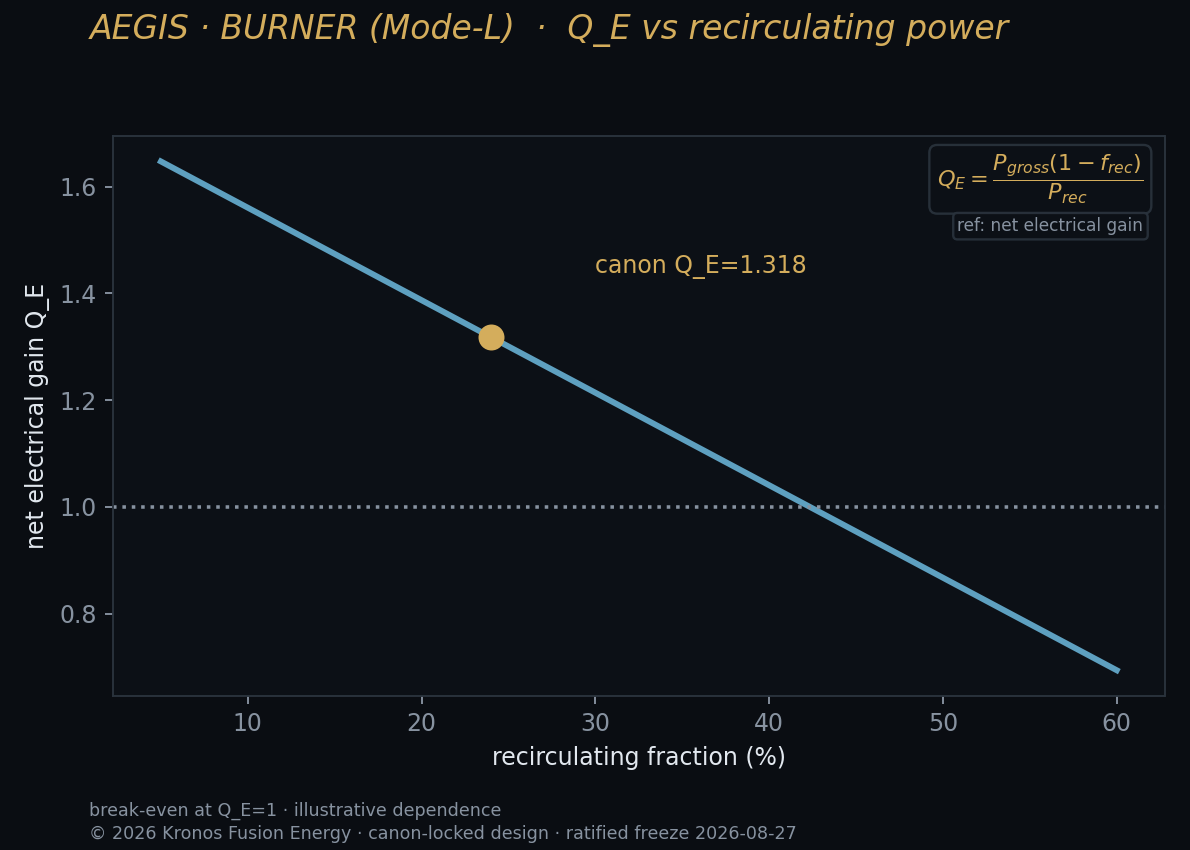
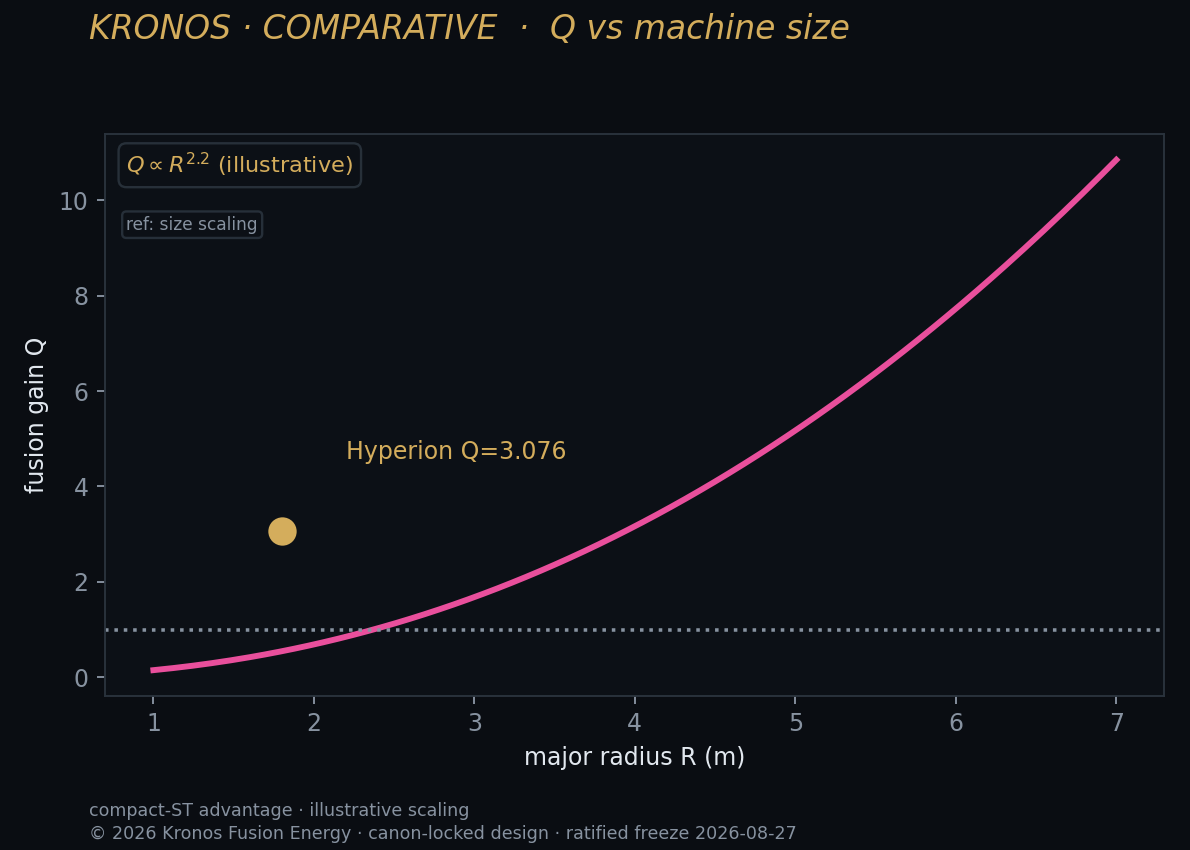
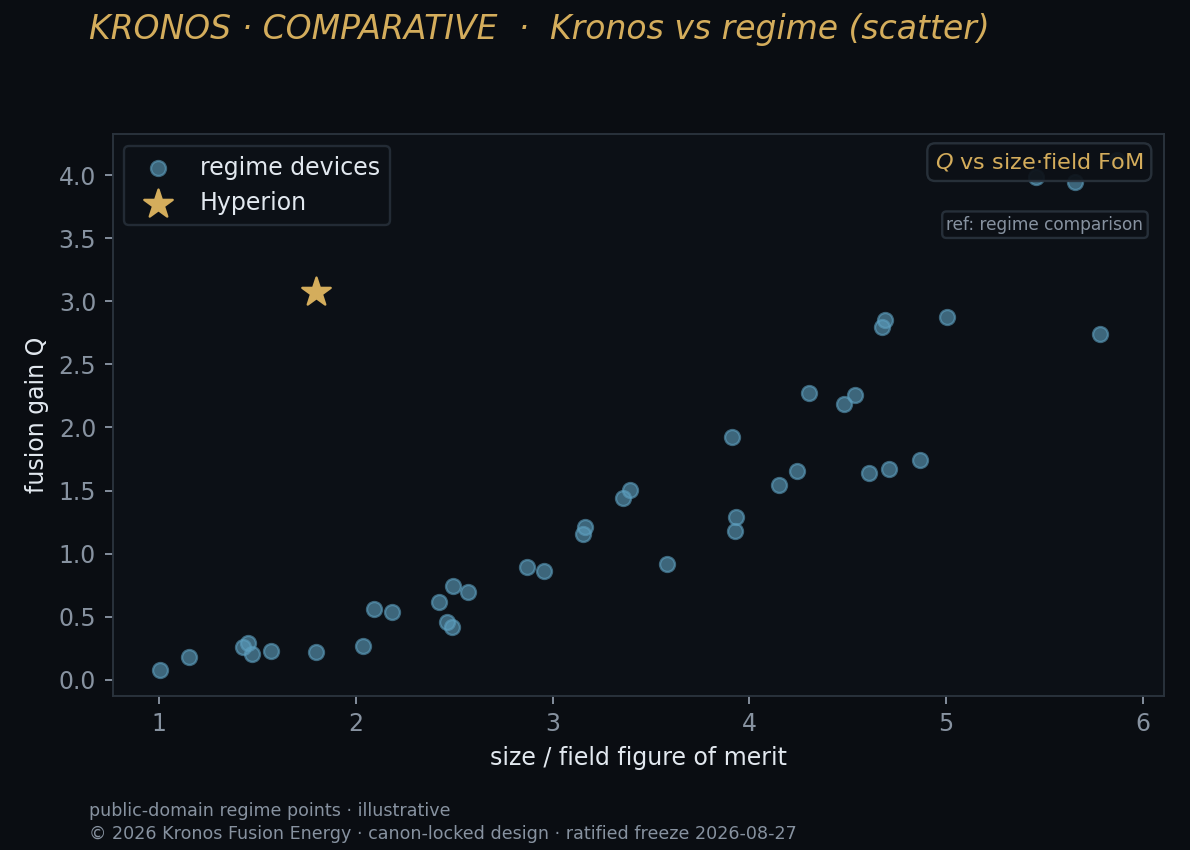
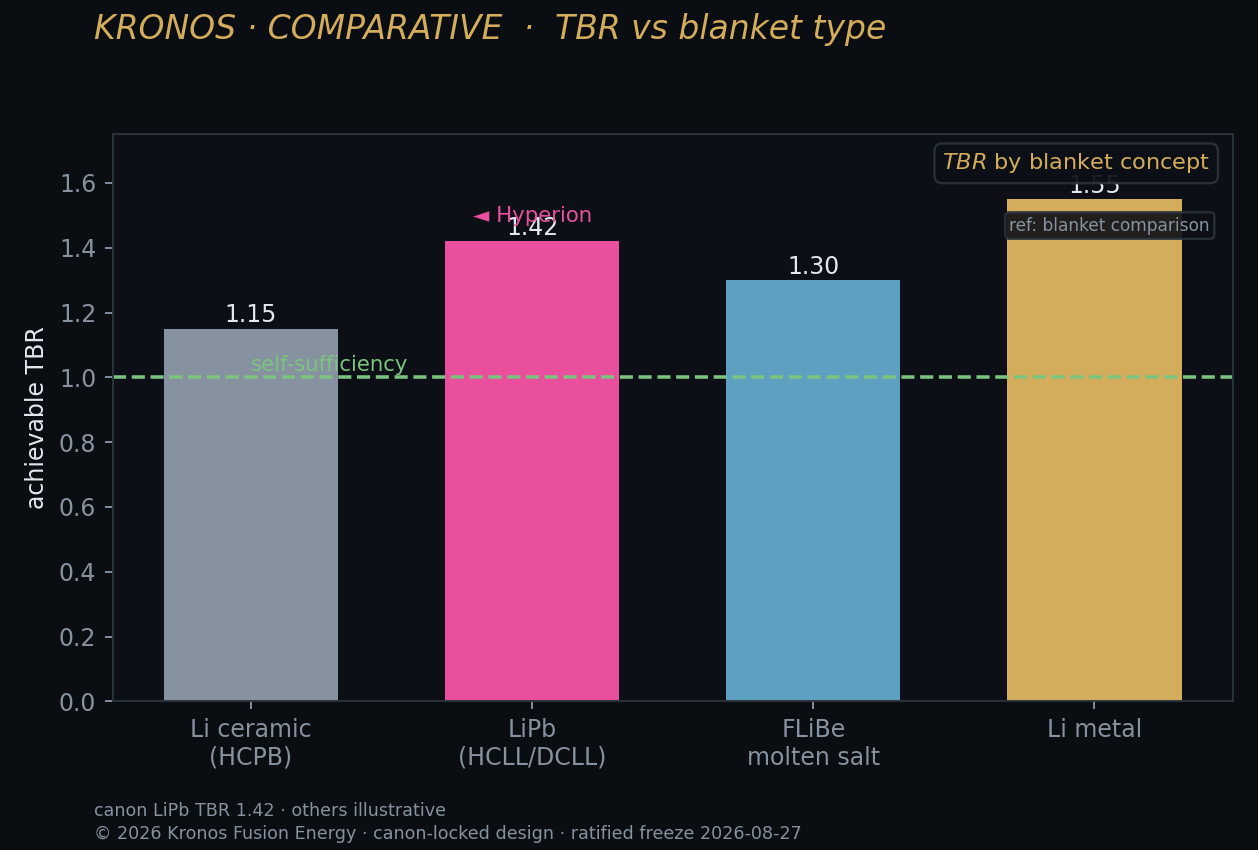
Hyperion breeder — spherical tokamak: fusion gain Q 3.076, 85.04 MW fusion power, 9.66 MA plasma current, on-axis field B0 8.0 T (16.84 T coil peak, 26.49 T conductor peak), negative triangularity delta -0.30, tritium breeding ratio 1.42 (~2.0 kg-T per year per unit), CGYRO turbulence suppression of -40% ion and -80% electron transport, 99.98% alpha heating. Aegis / MetroVolt burner — D-3He tandem magnetic mirror: engineering gain Q_E 1.318, 4298.5 MW, neutron fraction 5.44%, mirror plug ratio 16x, +850 MWe net electric. 164 de-risking gate analyses. All figures are computed and canon-locked to the ratified freeze of 2026-08-27. Canon-locked design.
Featured — computed
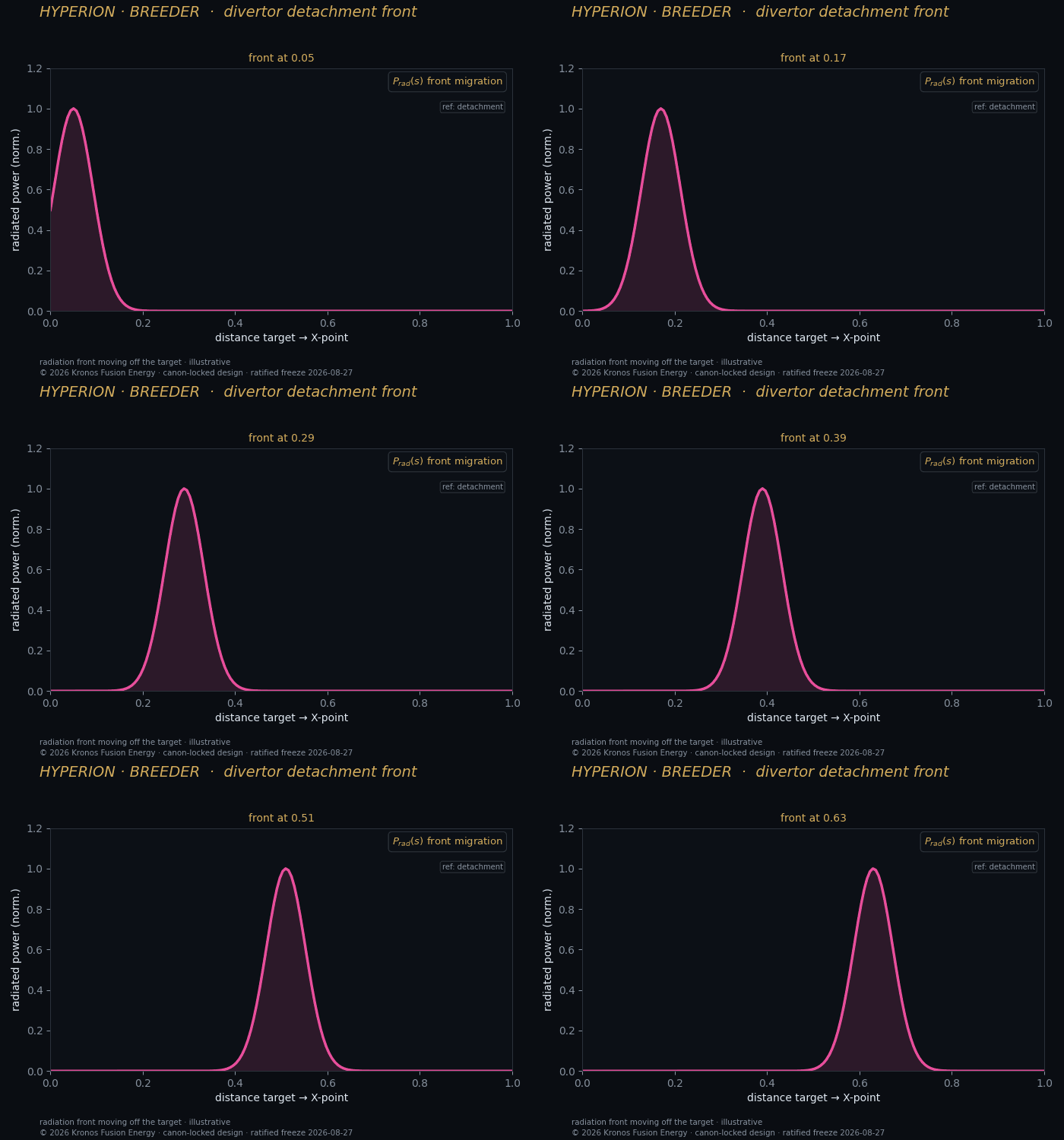
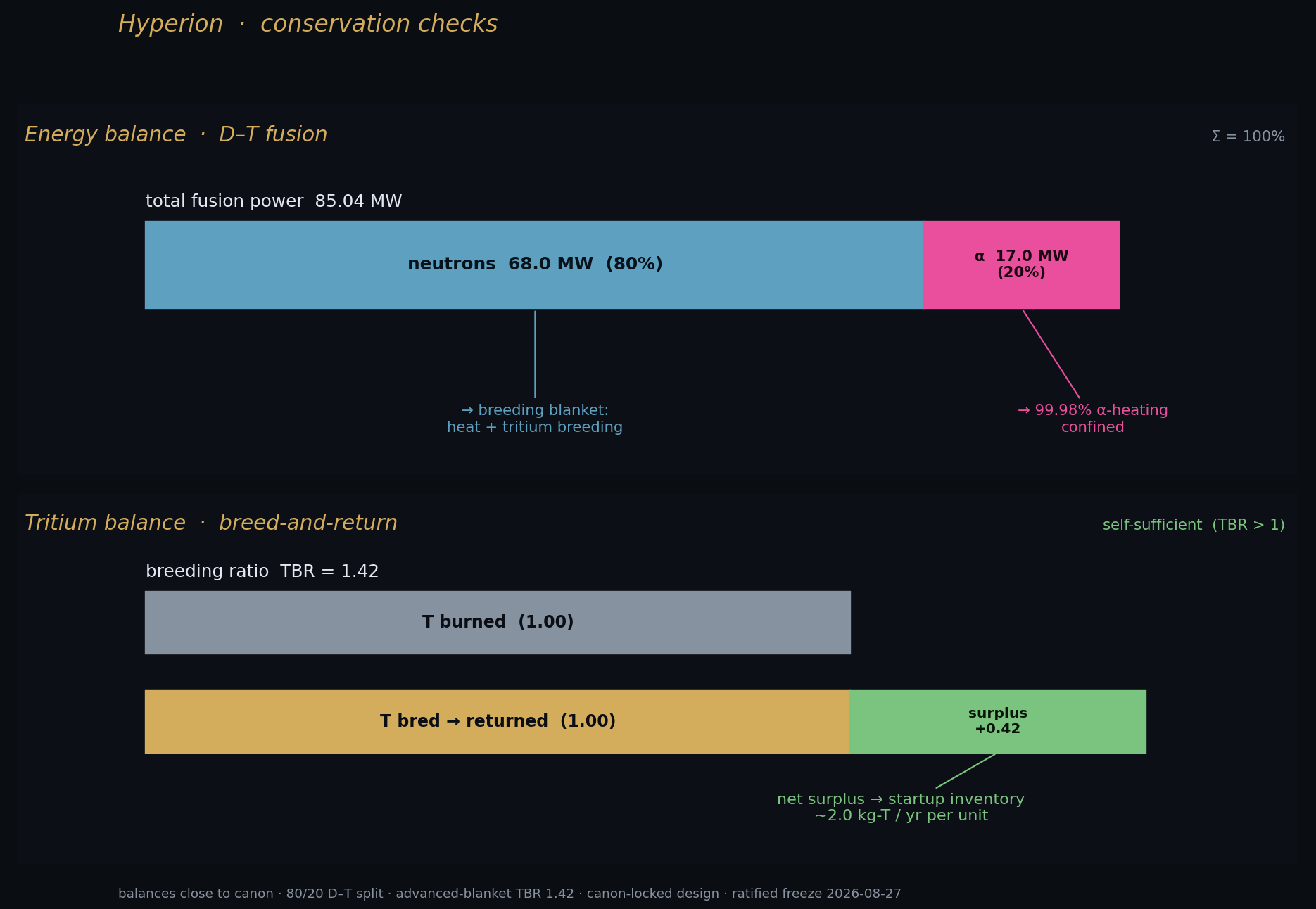
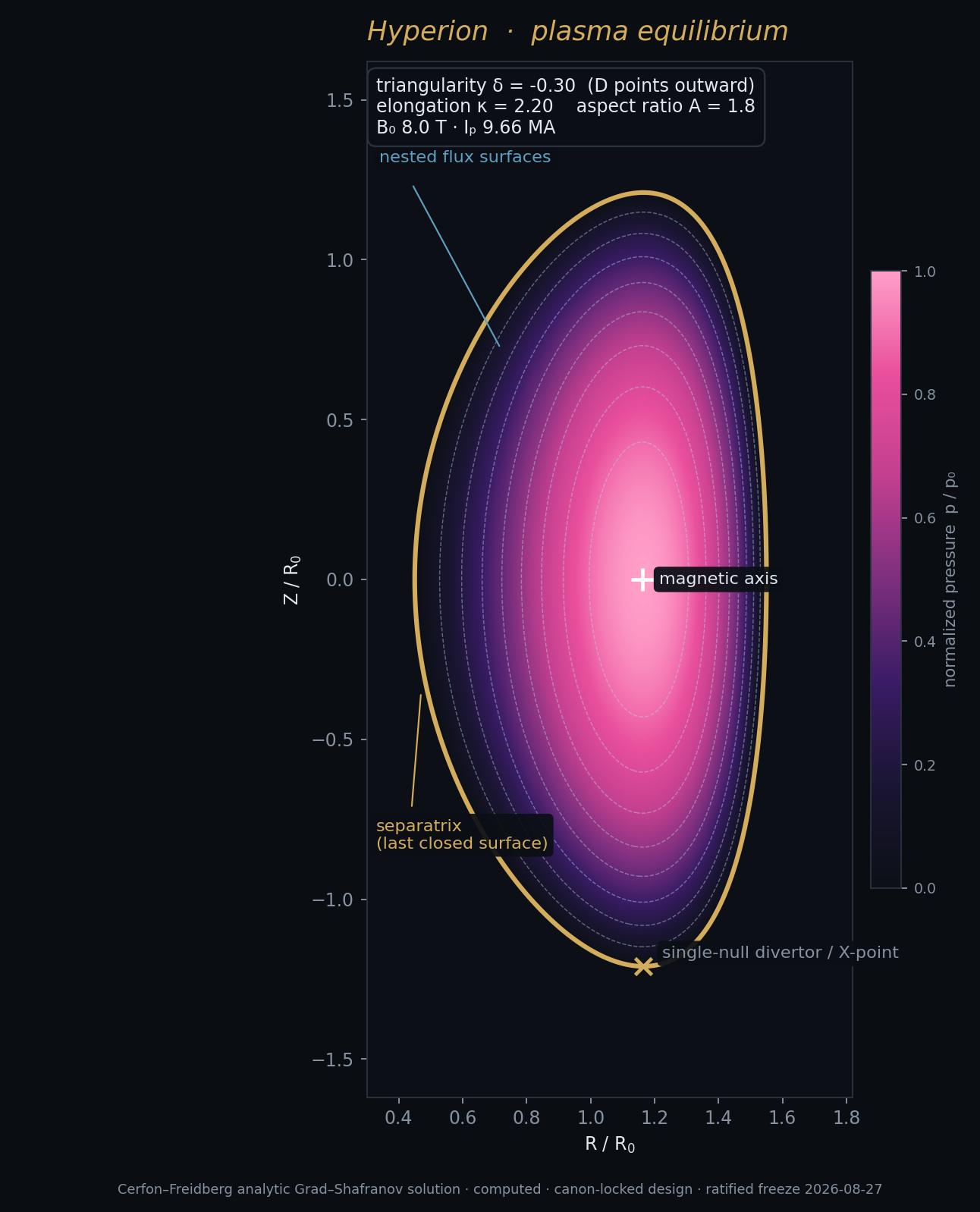
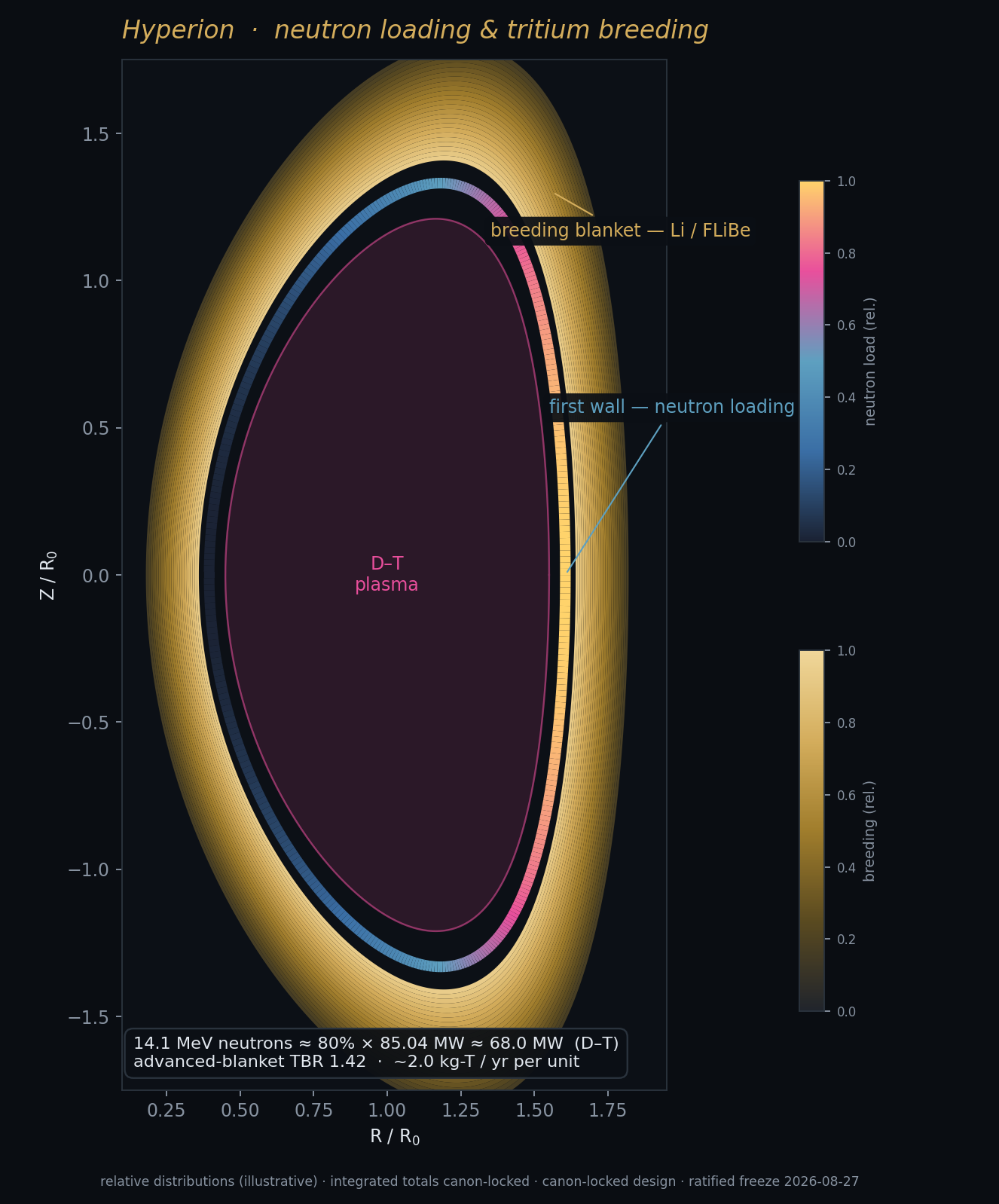
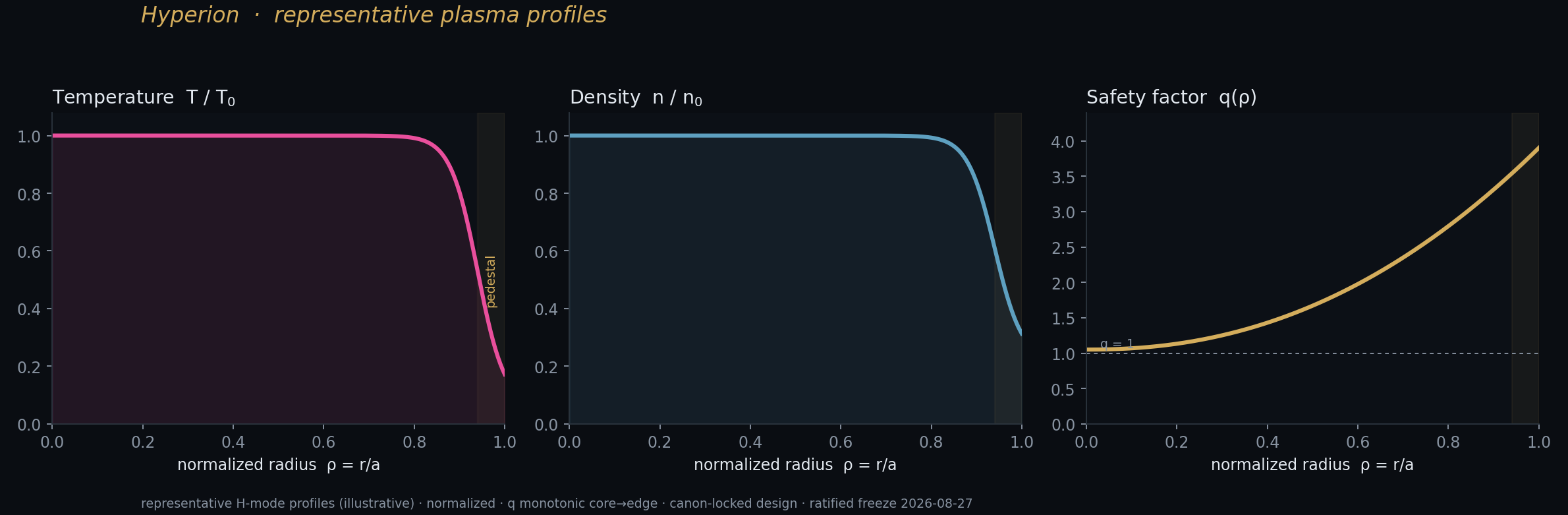
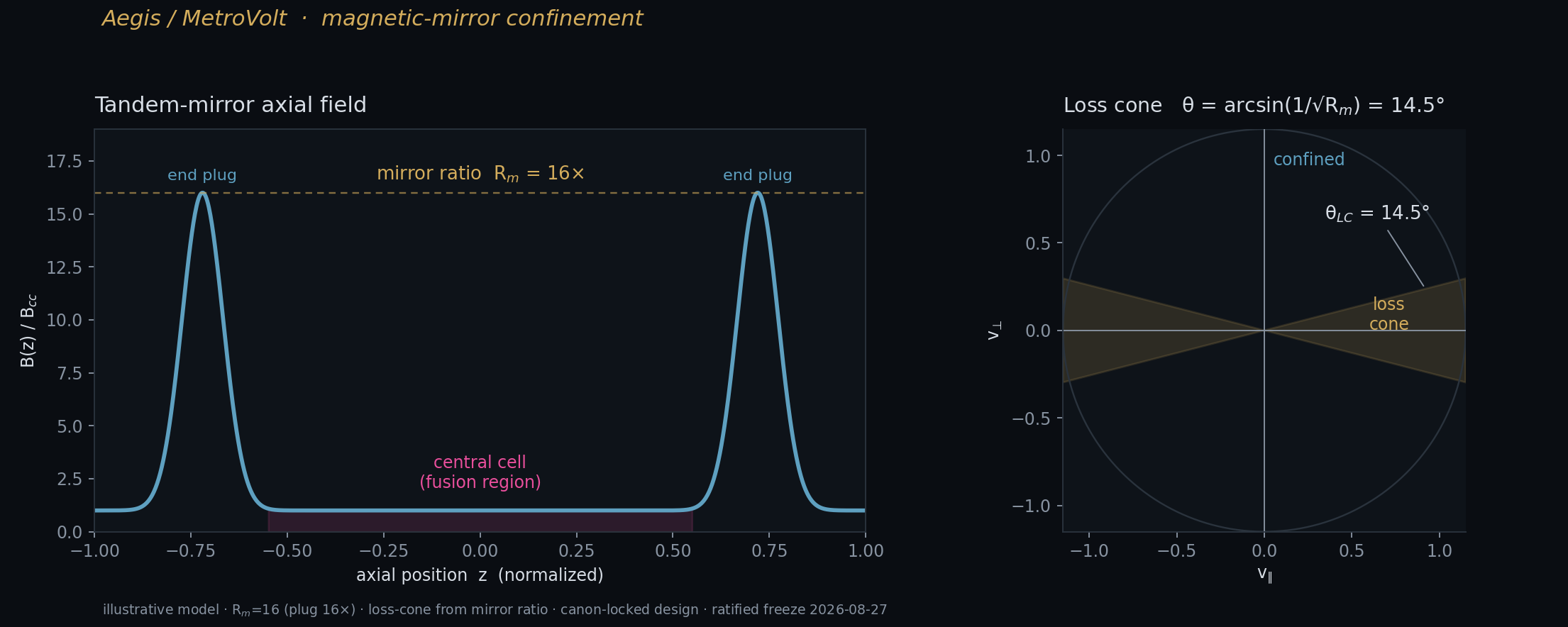
Featured computed set — the flagship Grad-Shafranov equilibrium, mirror confinement, plasma profiles, neutron/breeding maps and conservation checks.
A · Equilibrium & MHD
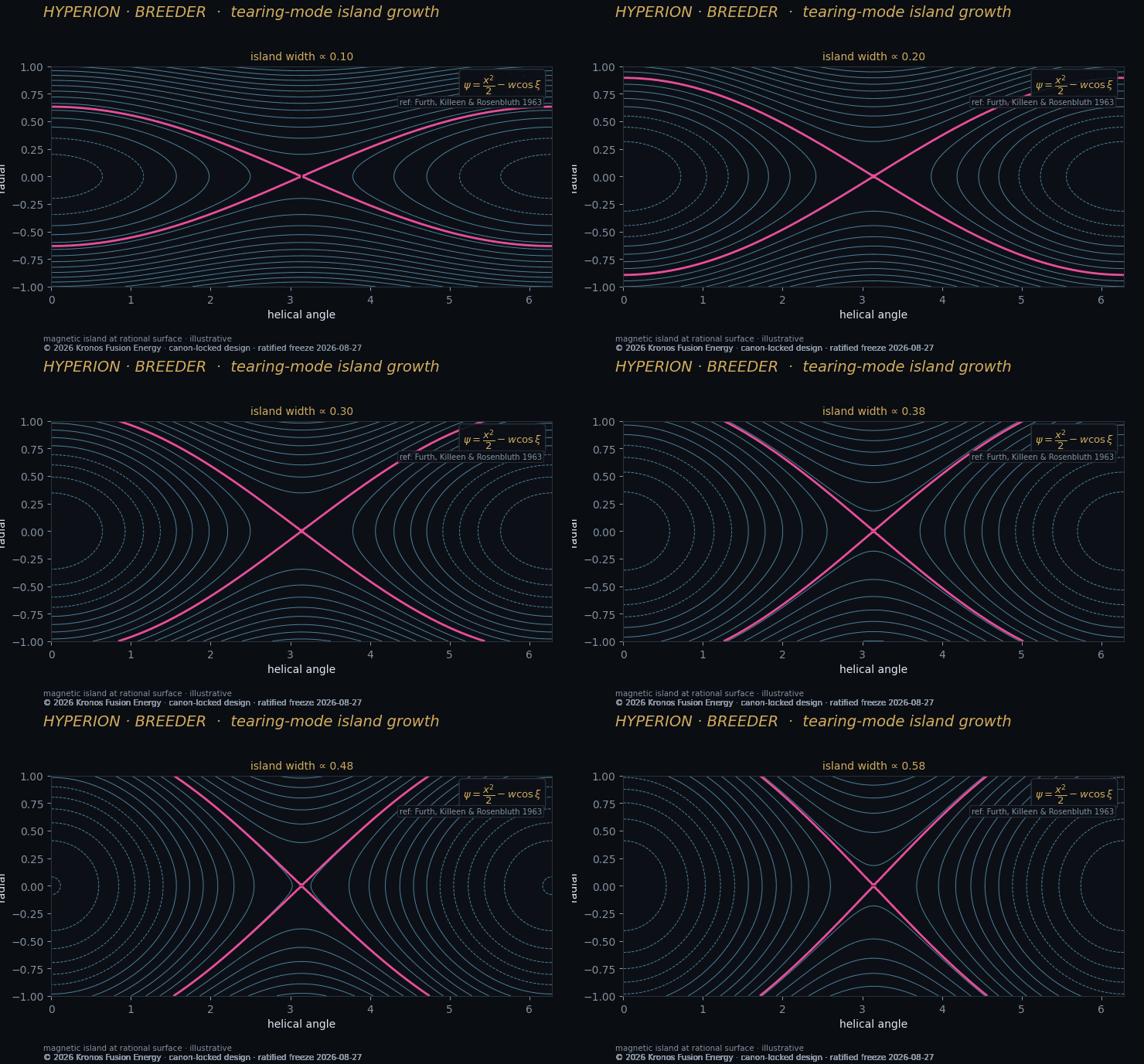
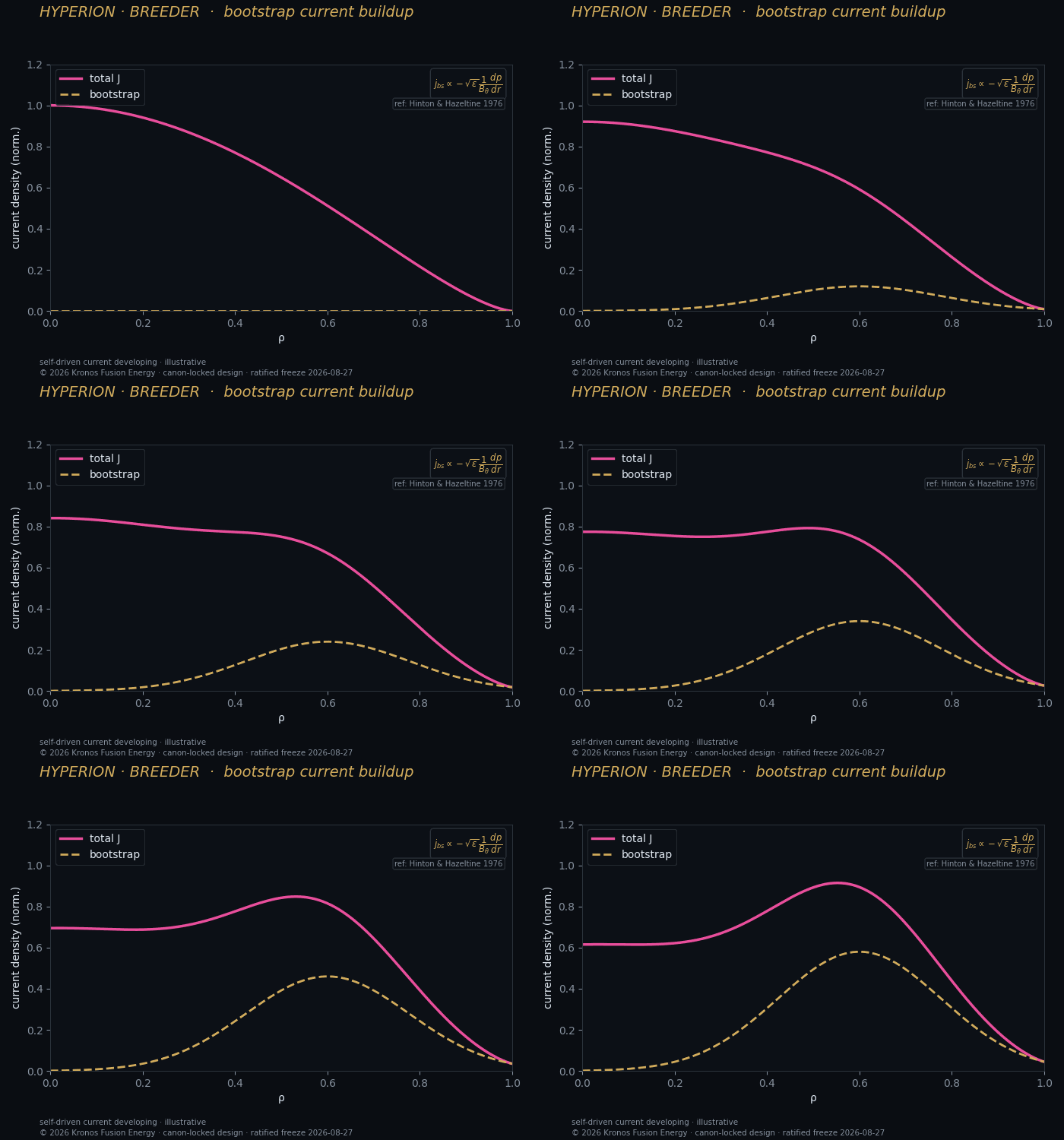
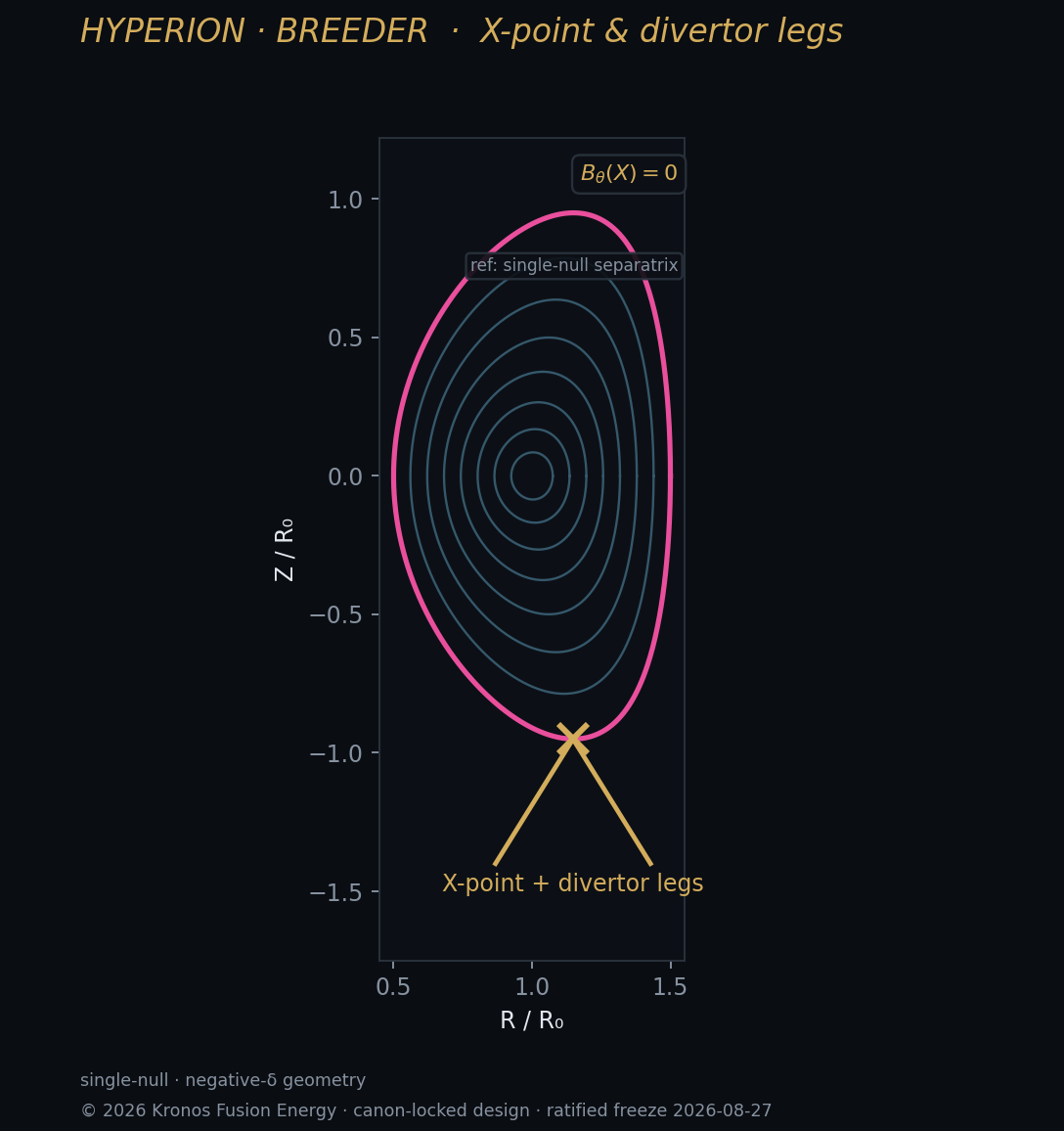
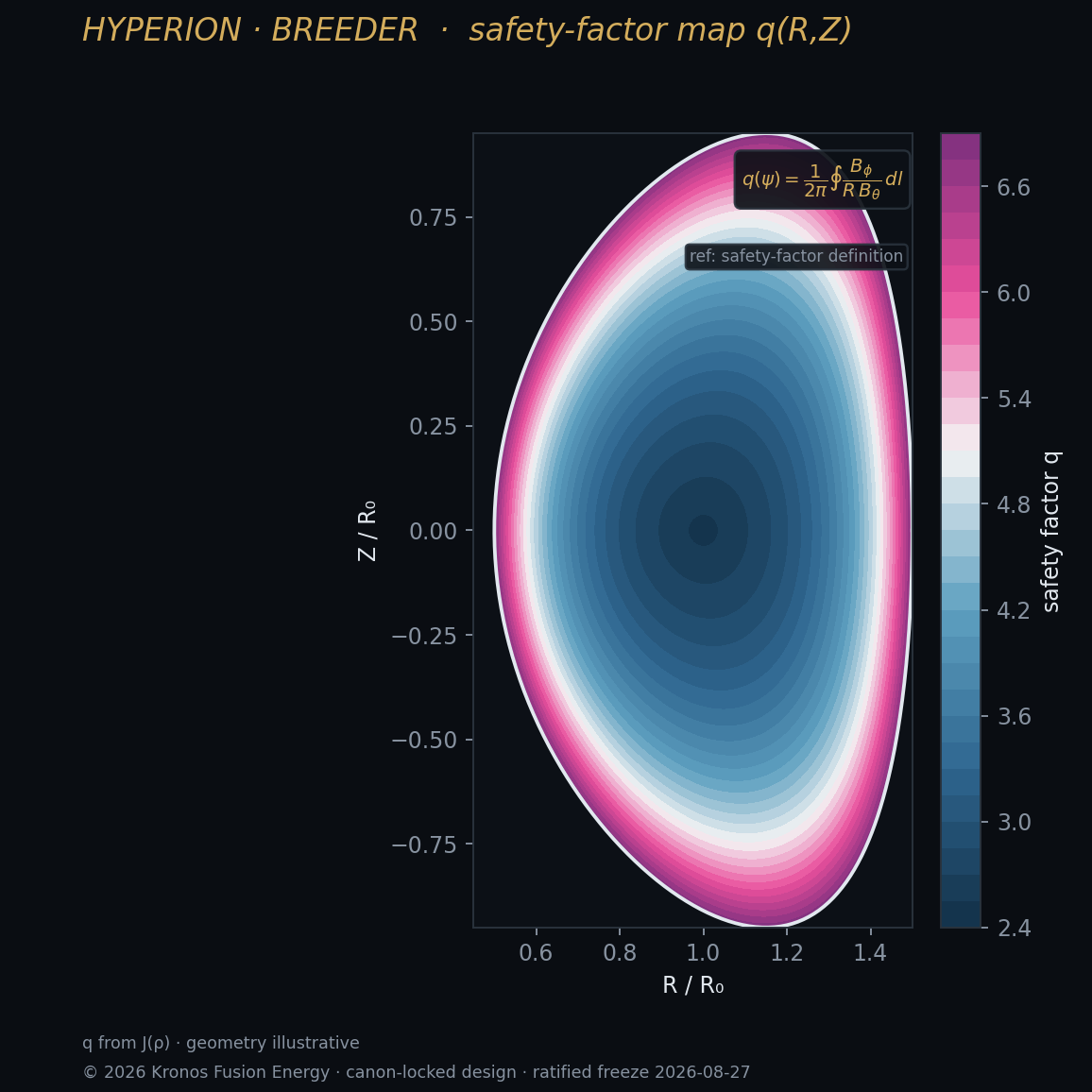
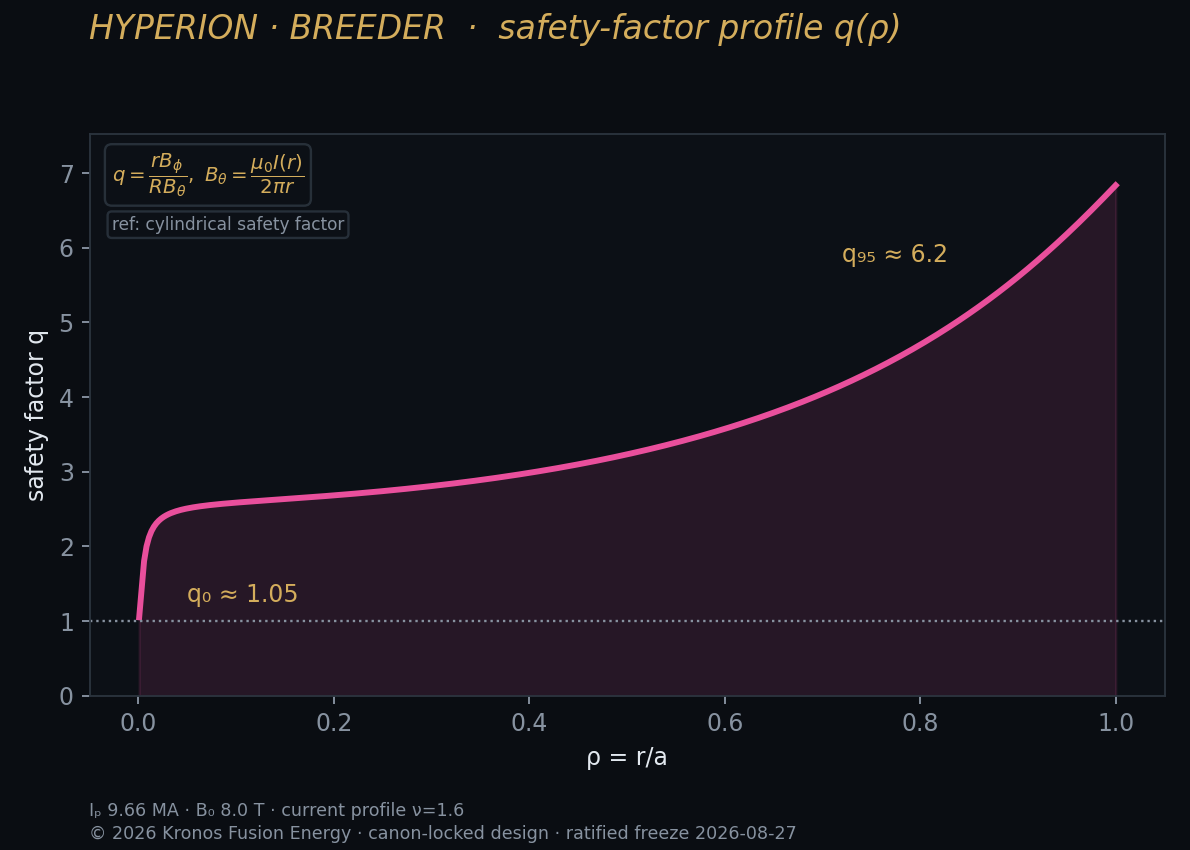
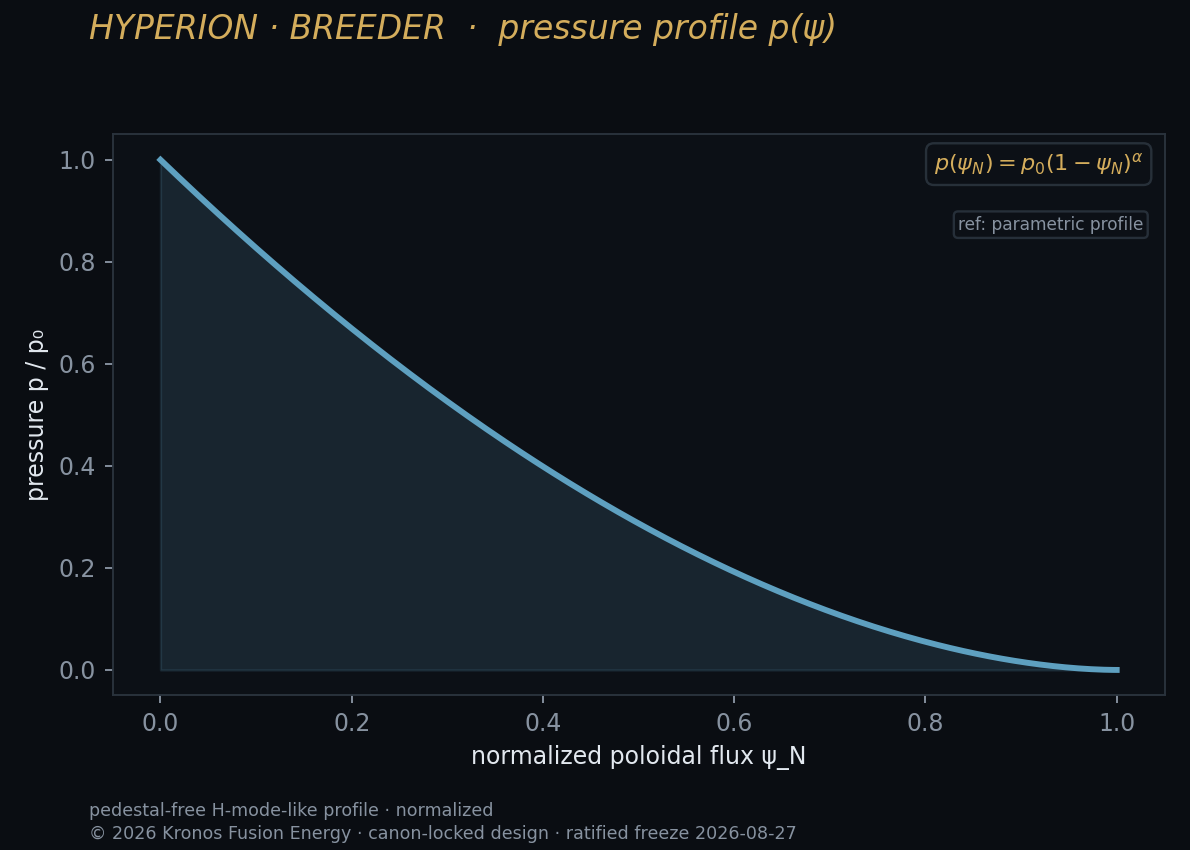
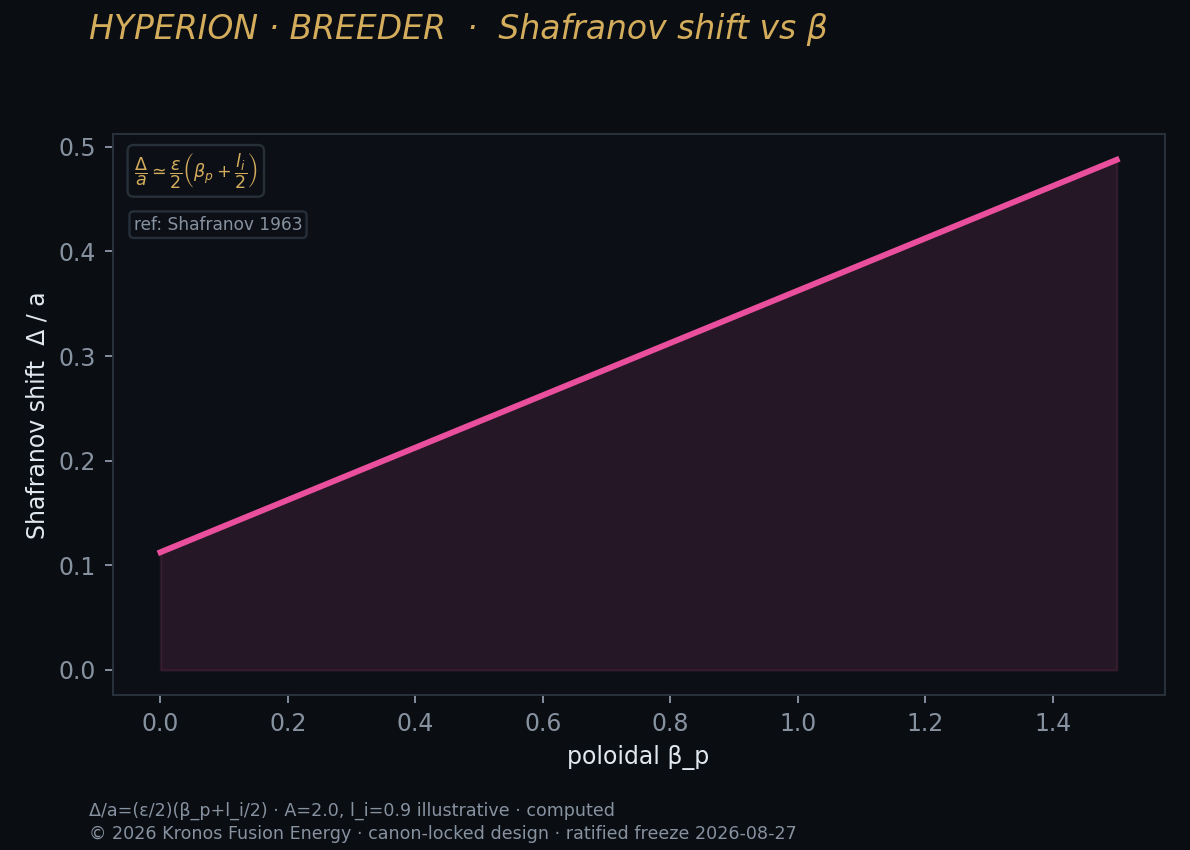
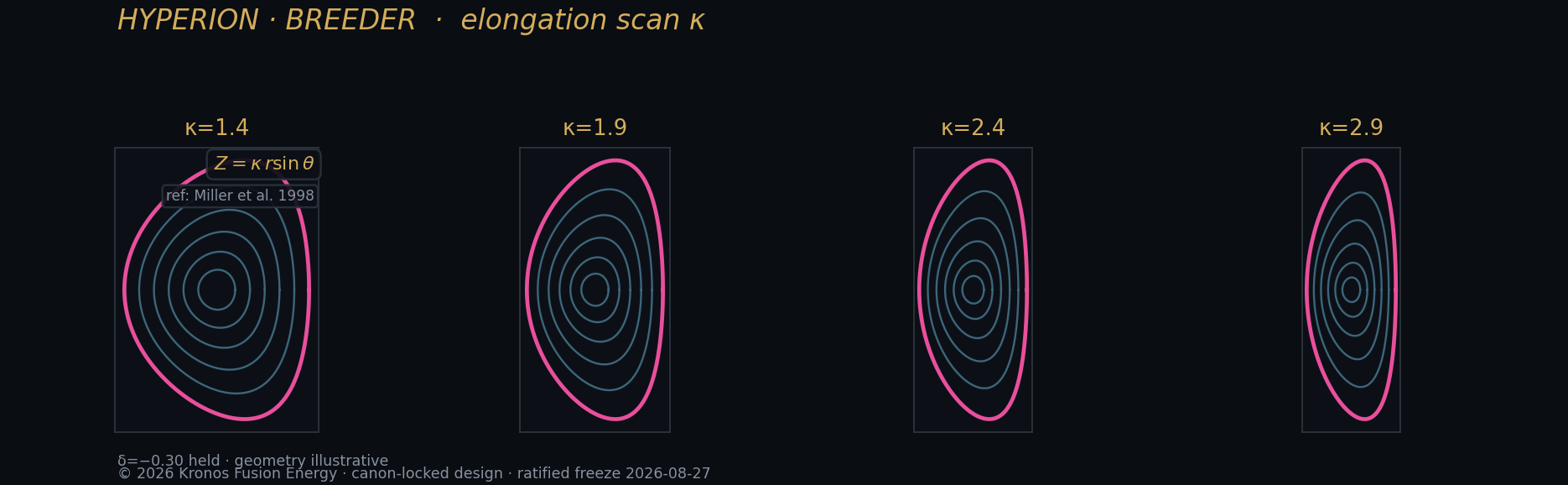
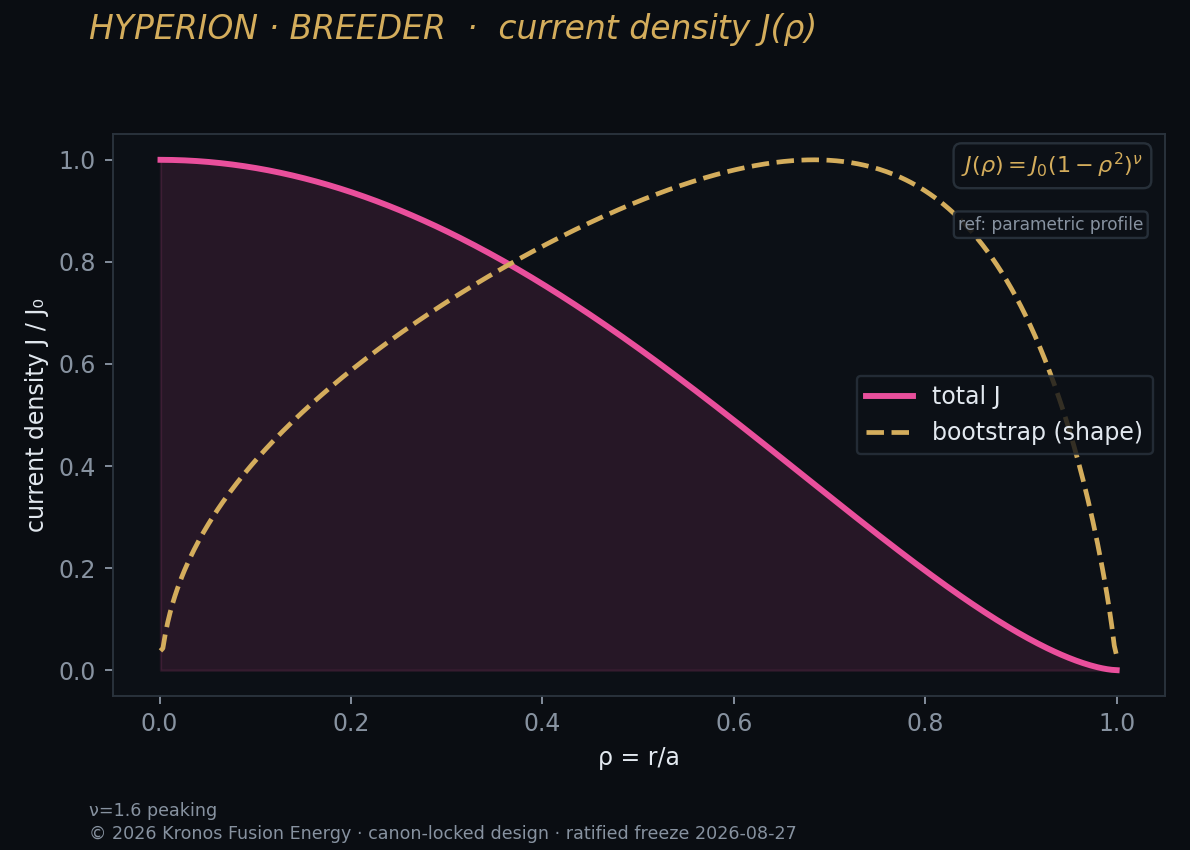
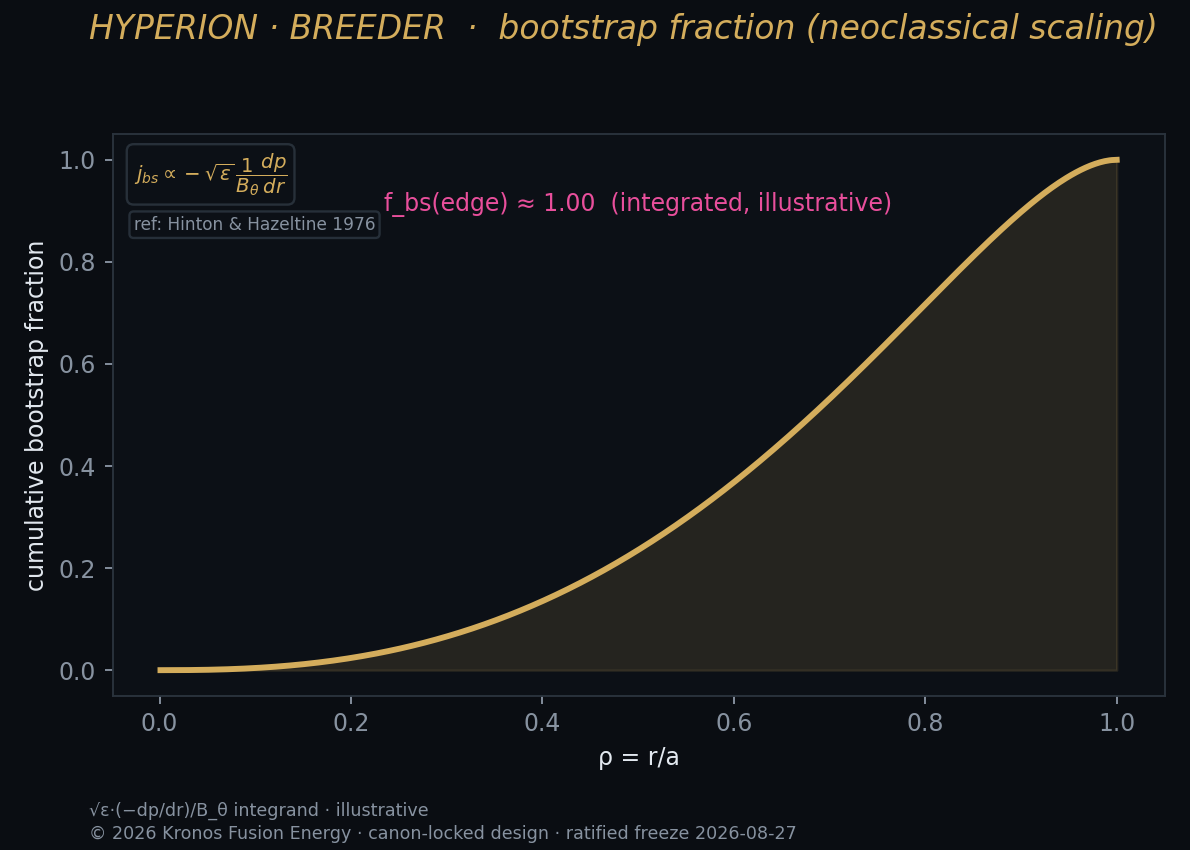
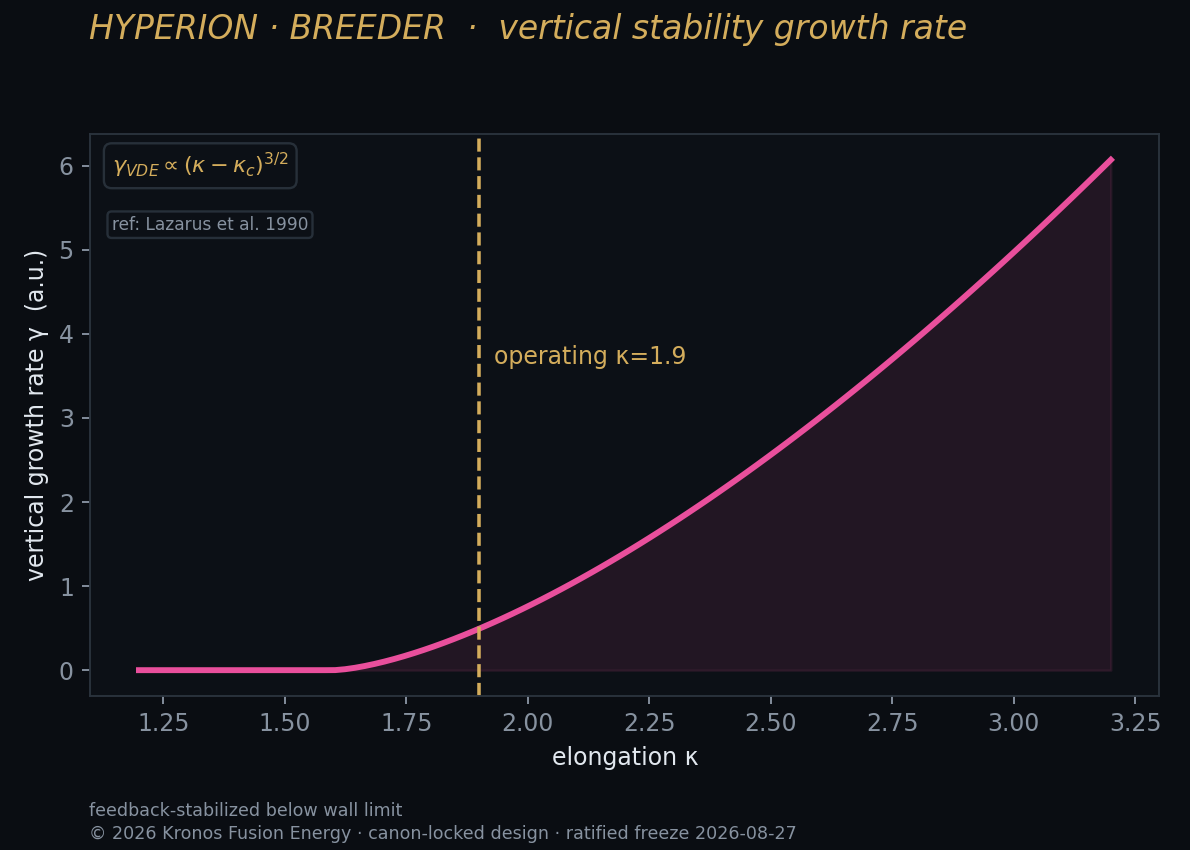
Plasma equilibrium and MHD stability — flux surfaces, safety-factor profiles, Shafranov shift, the Troyon beta limit, elongation, bootstrap current and vertical stability.
B · Transport & turbulence
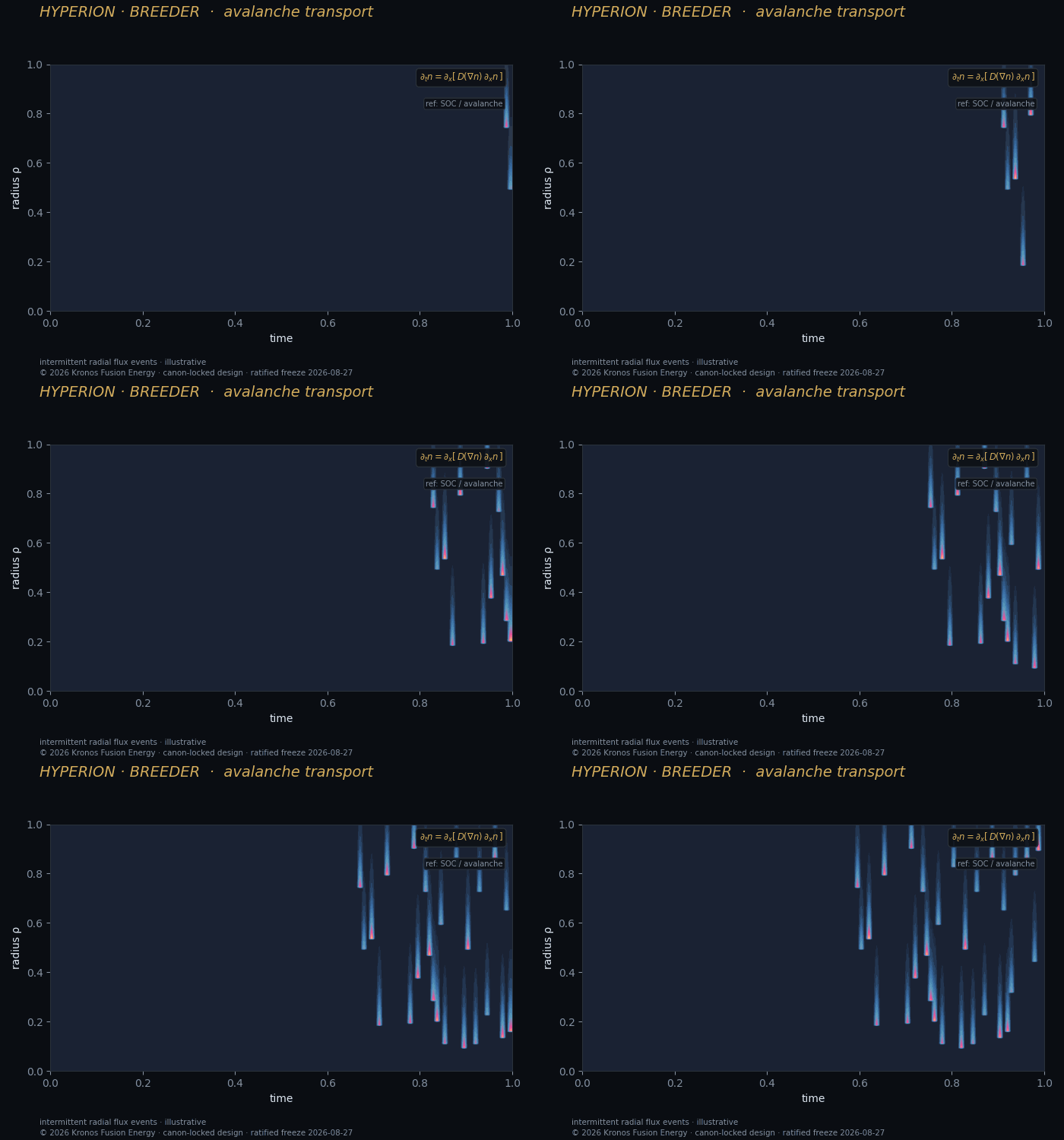
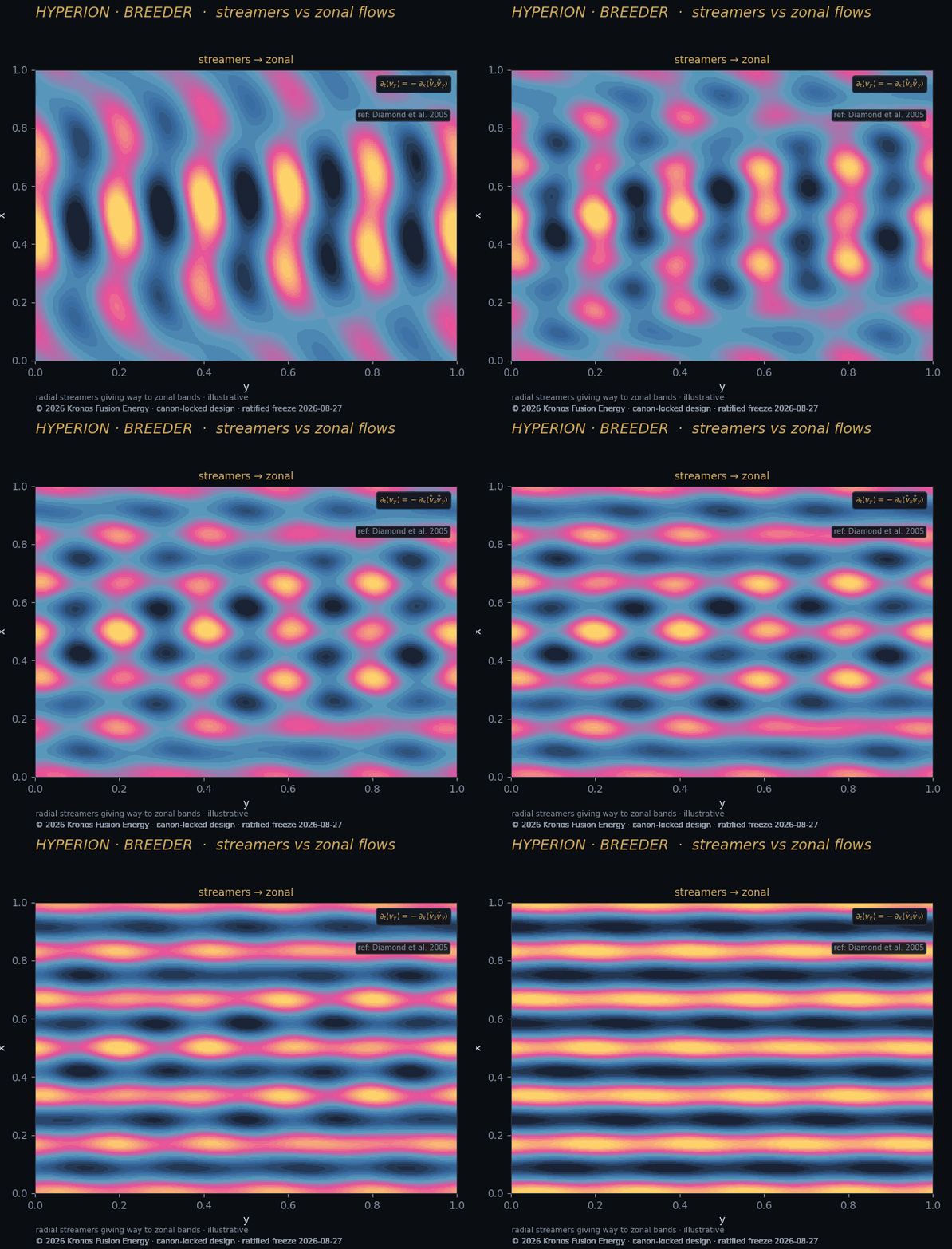
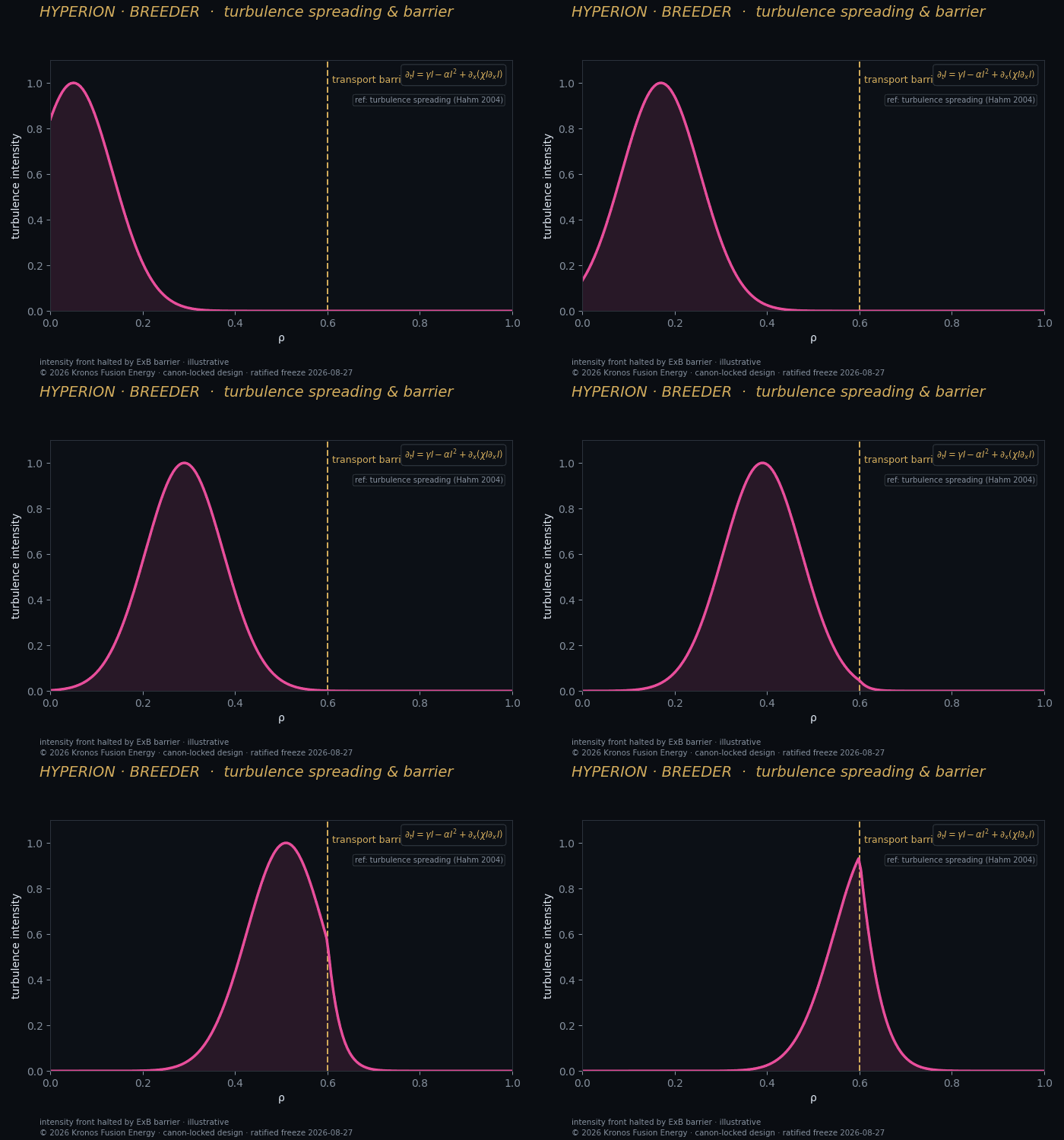
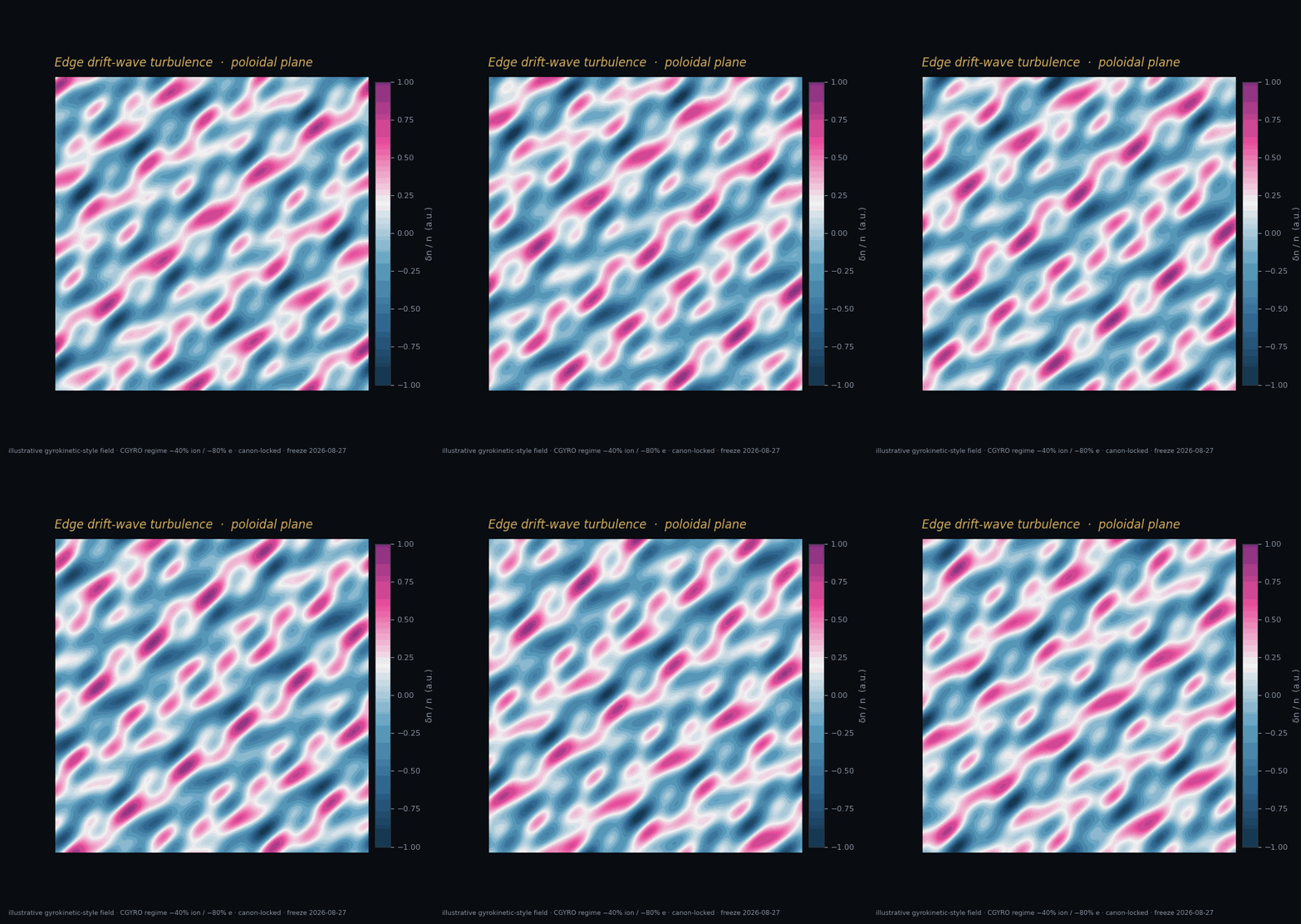
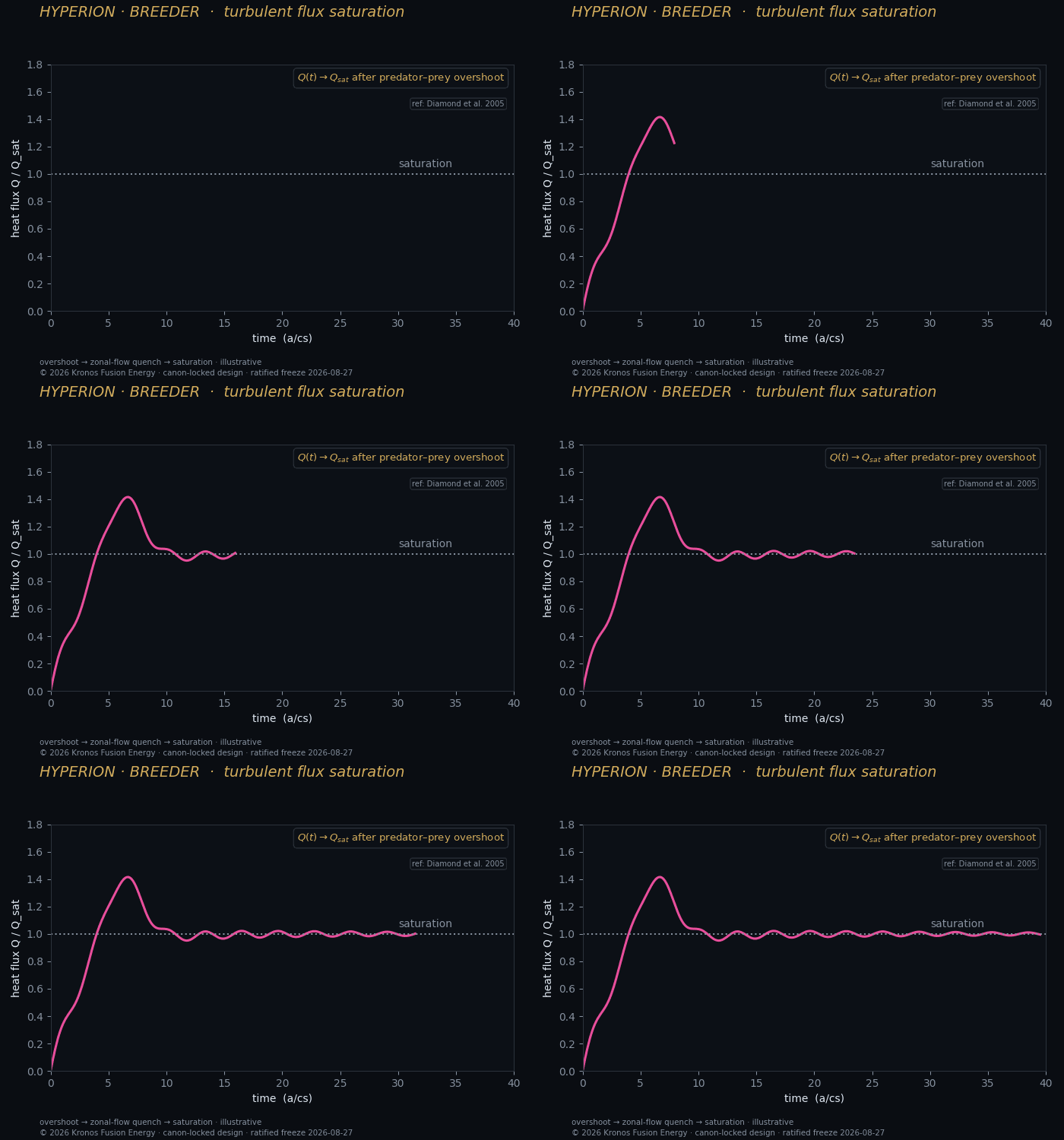
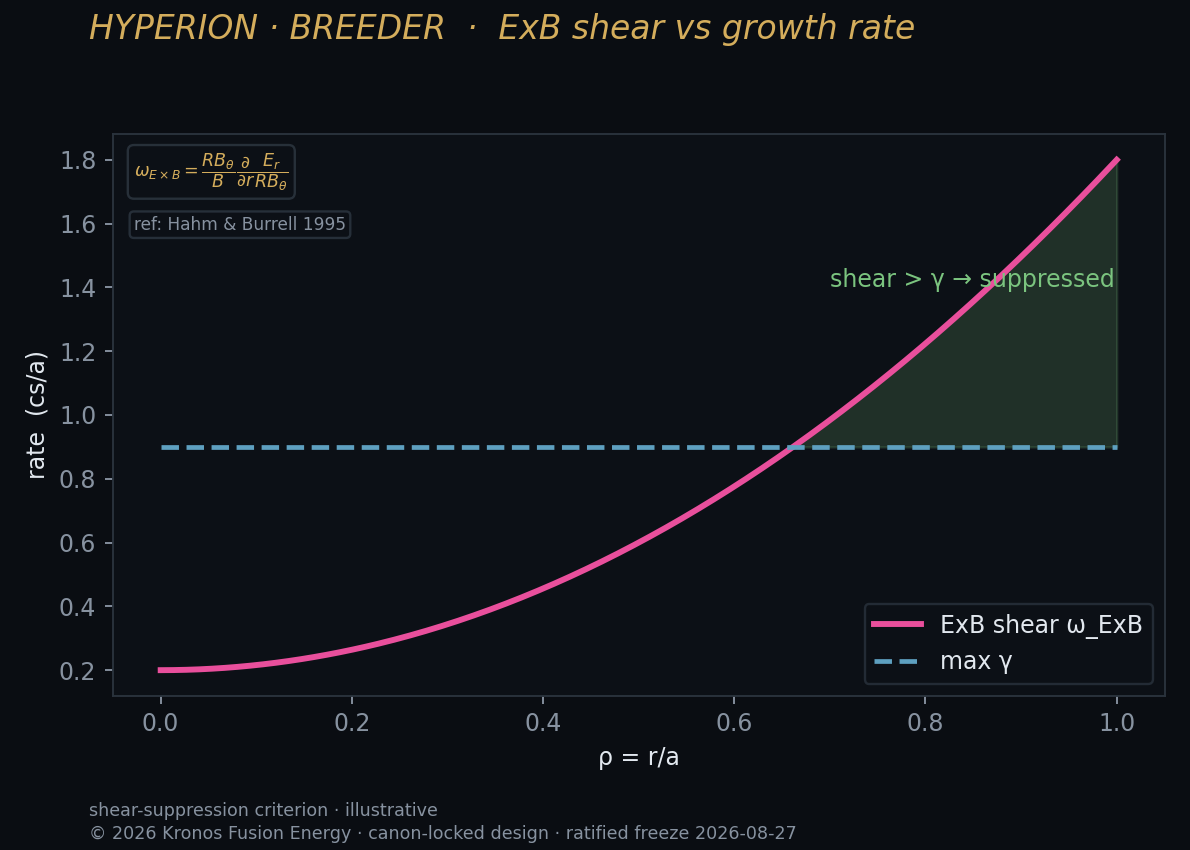
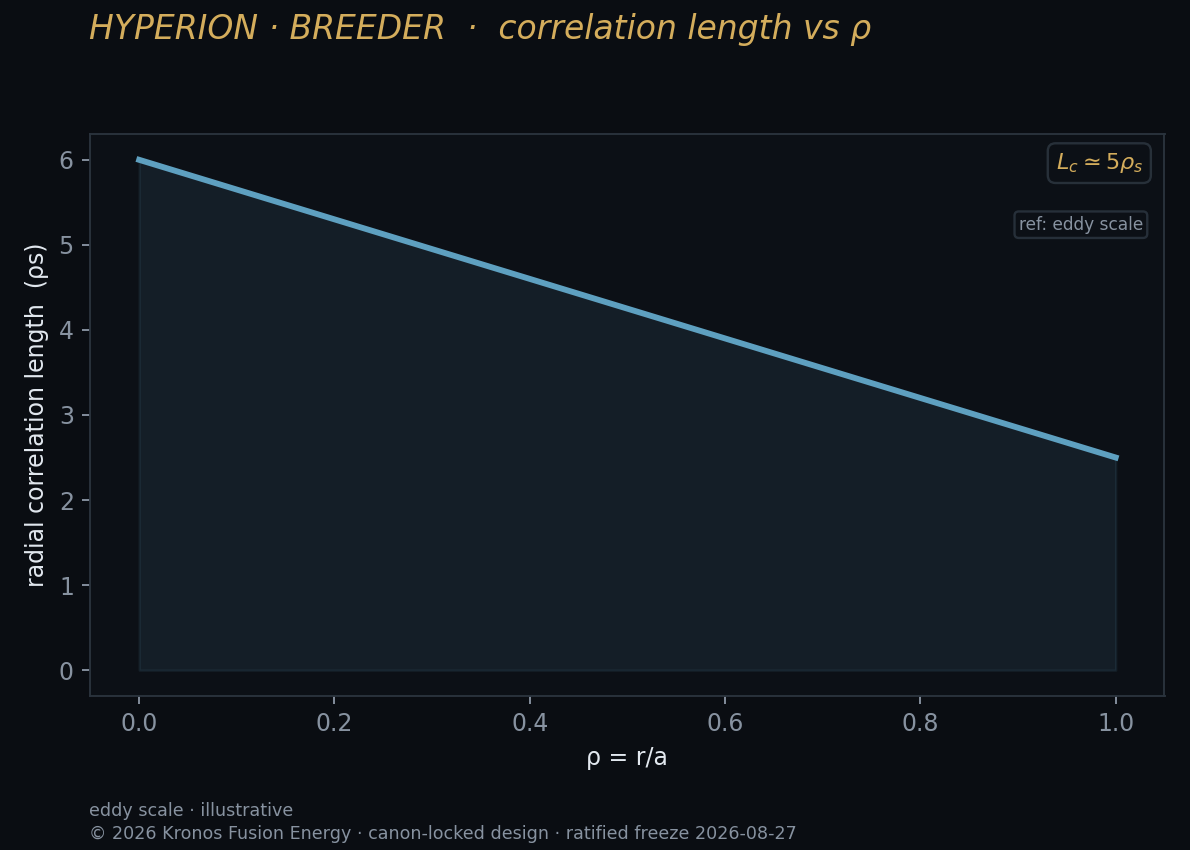
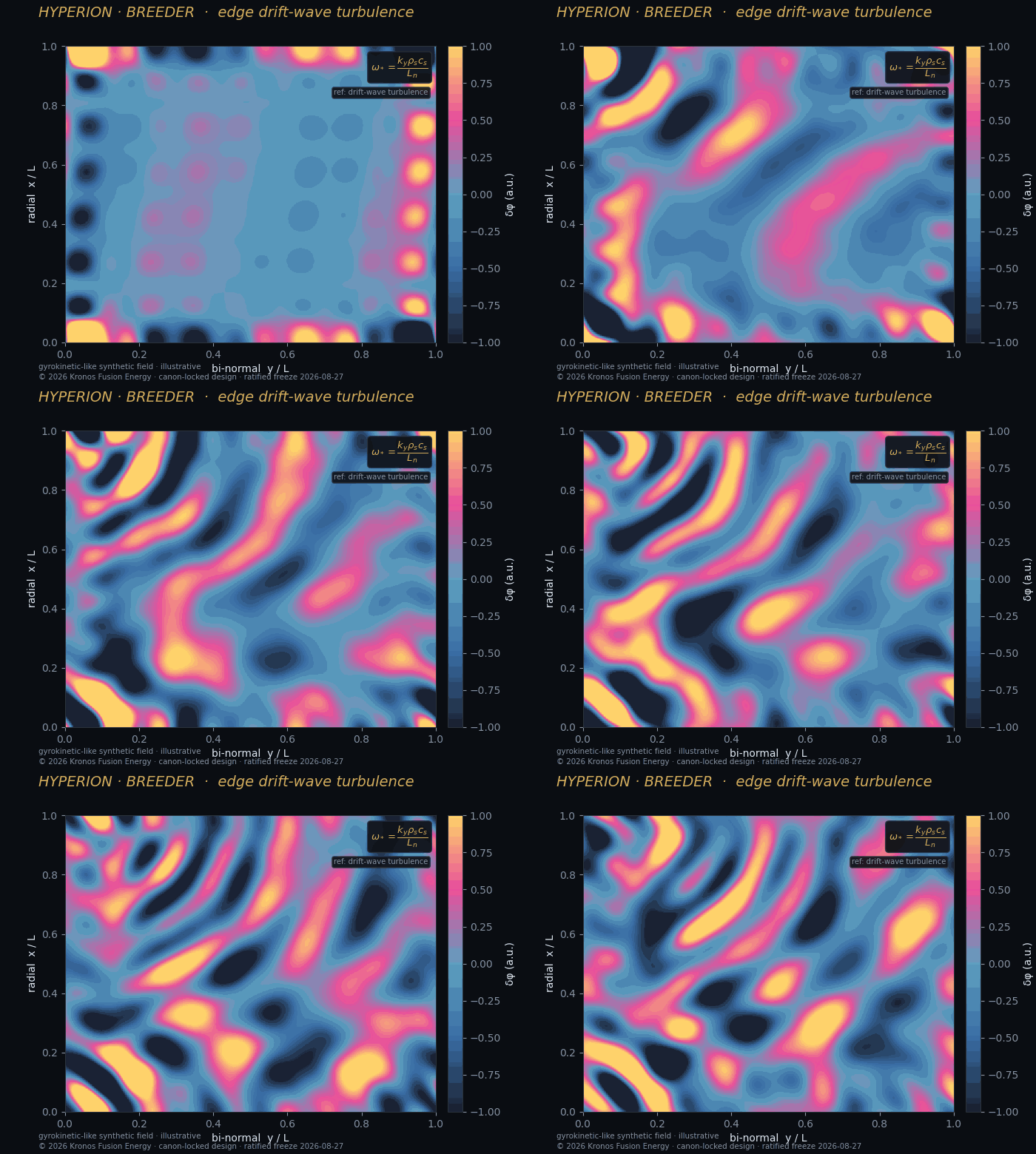
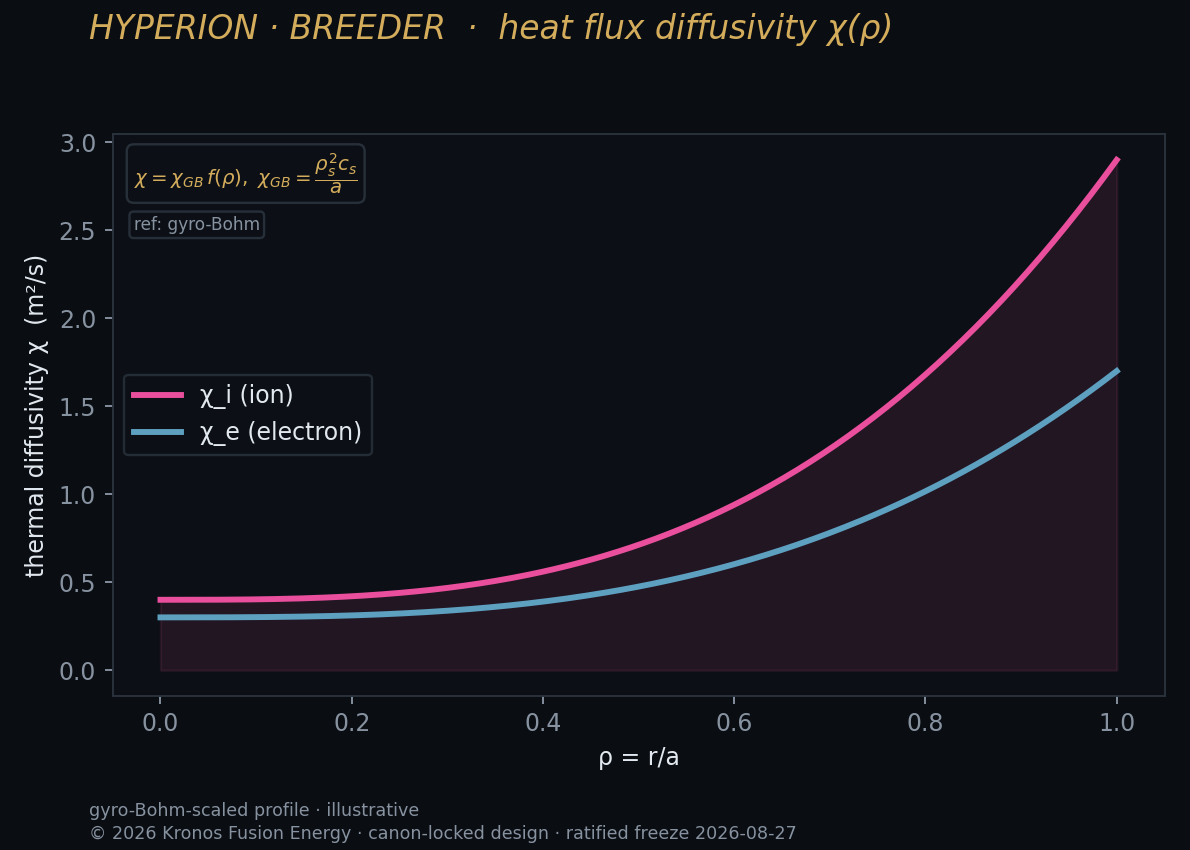
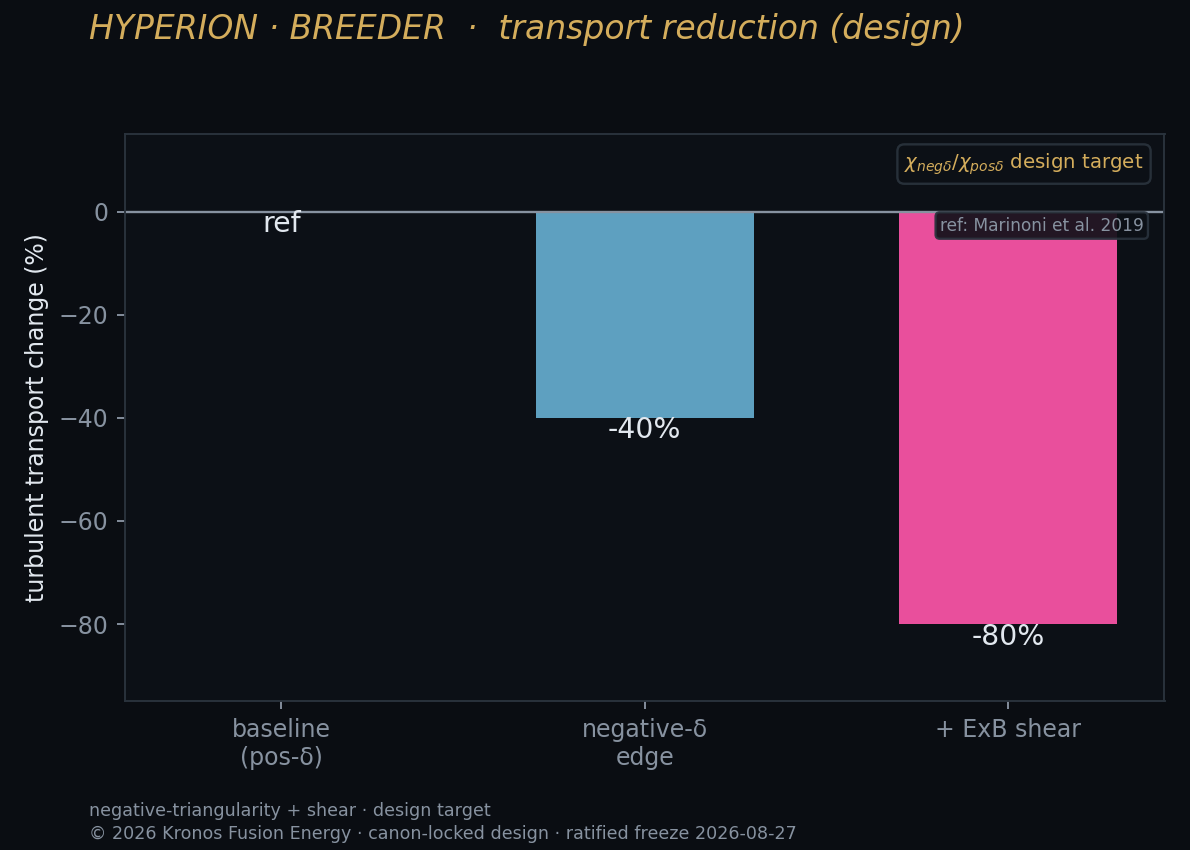
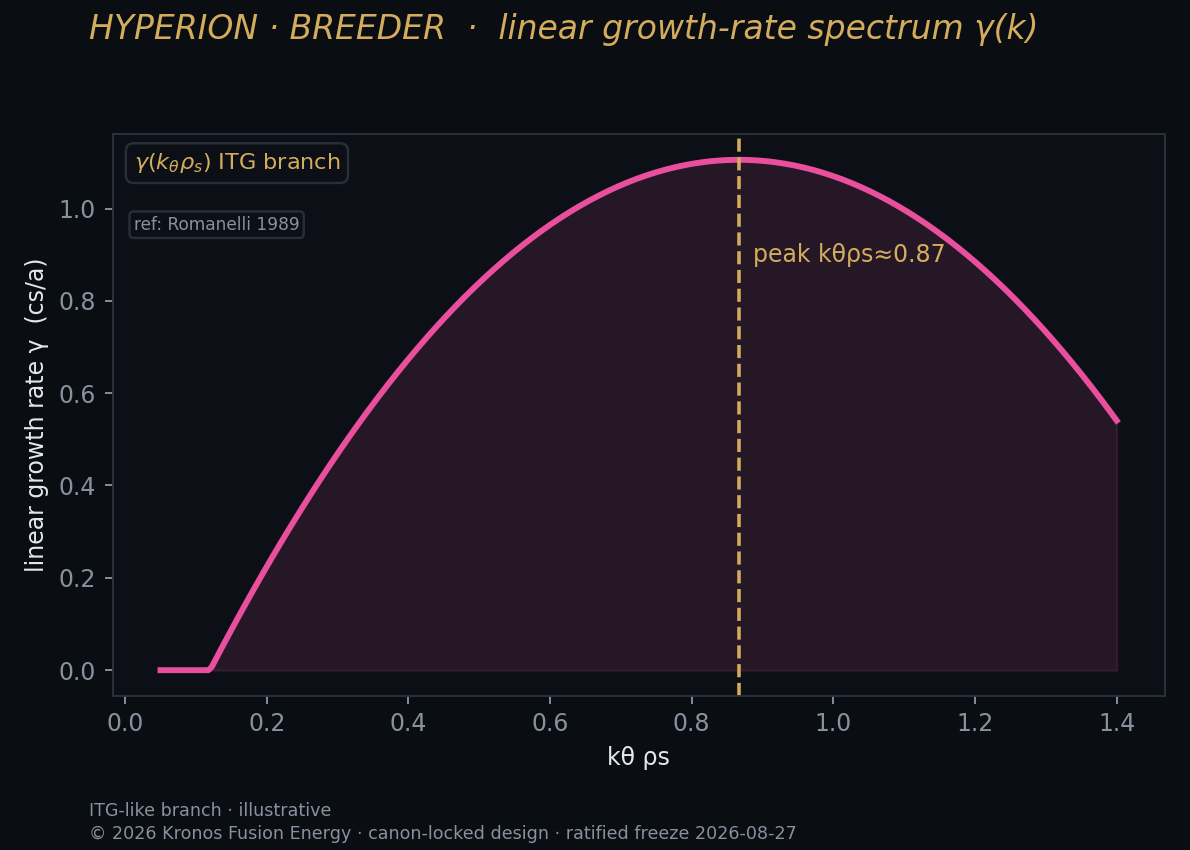
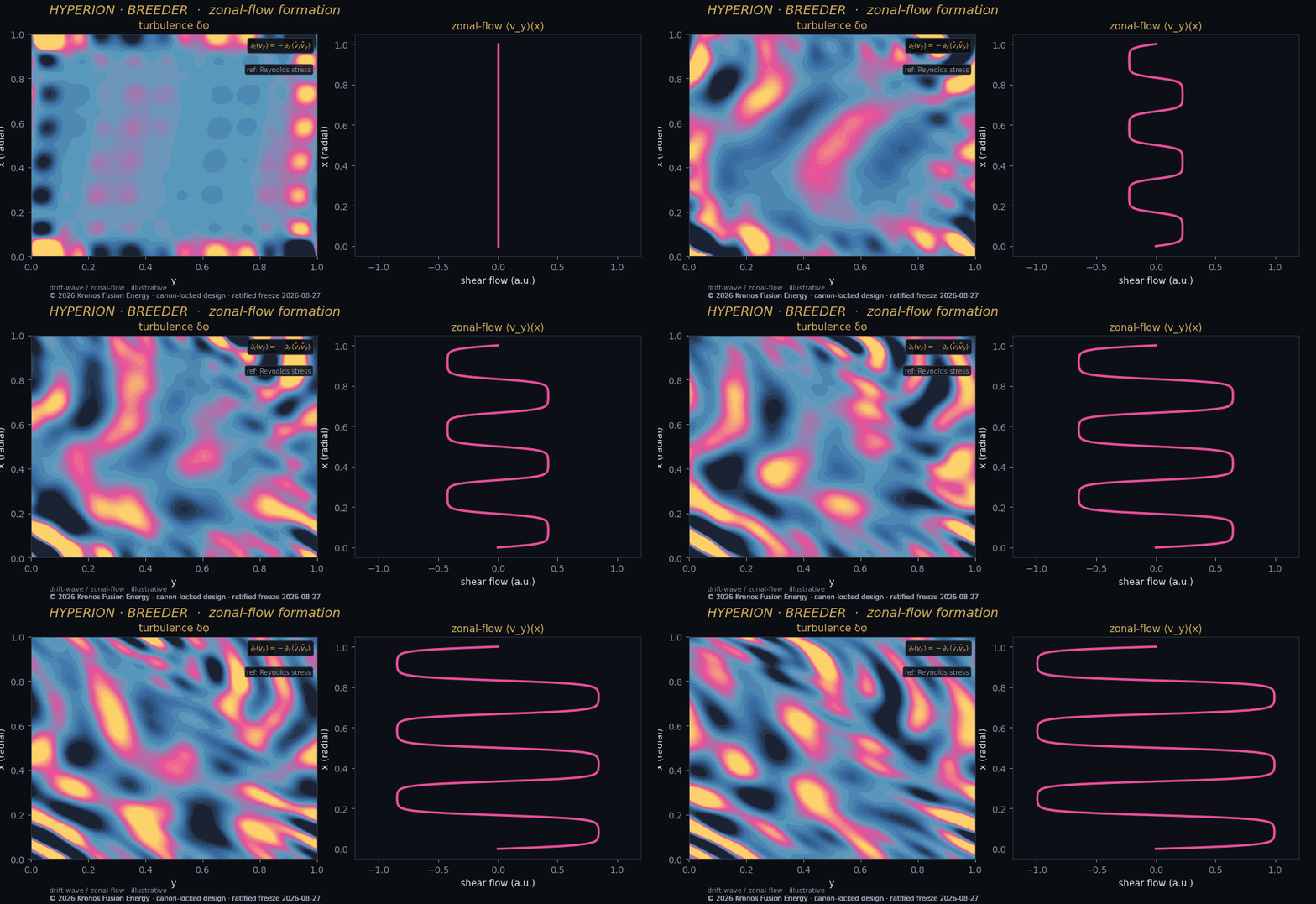
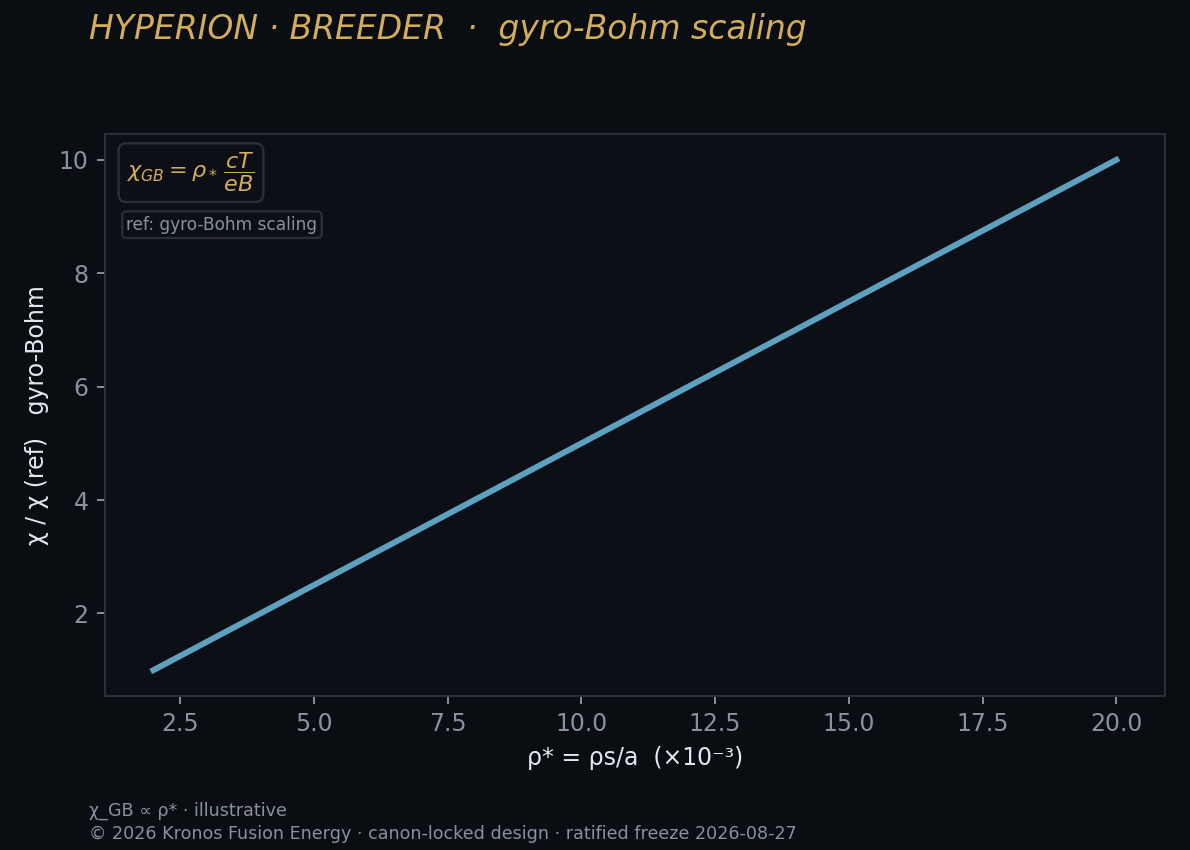
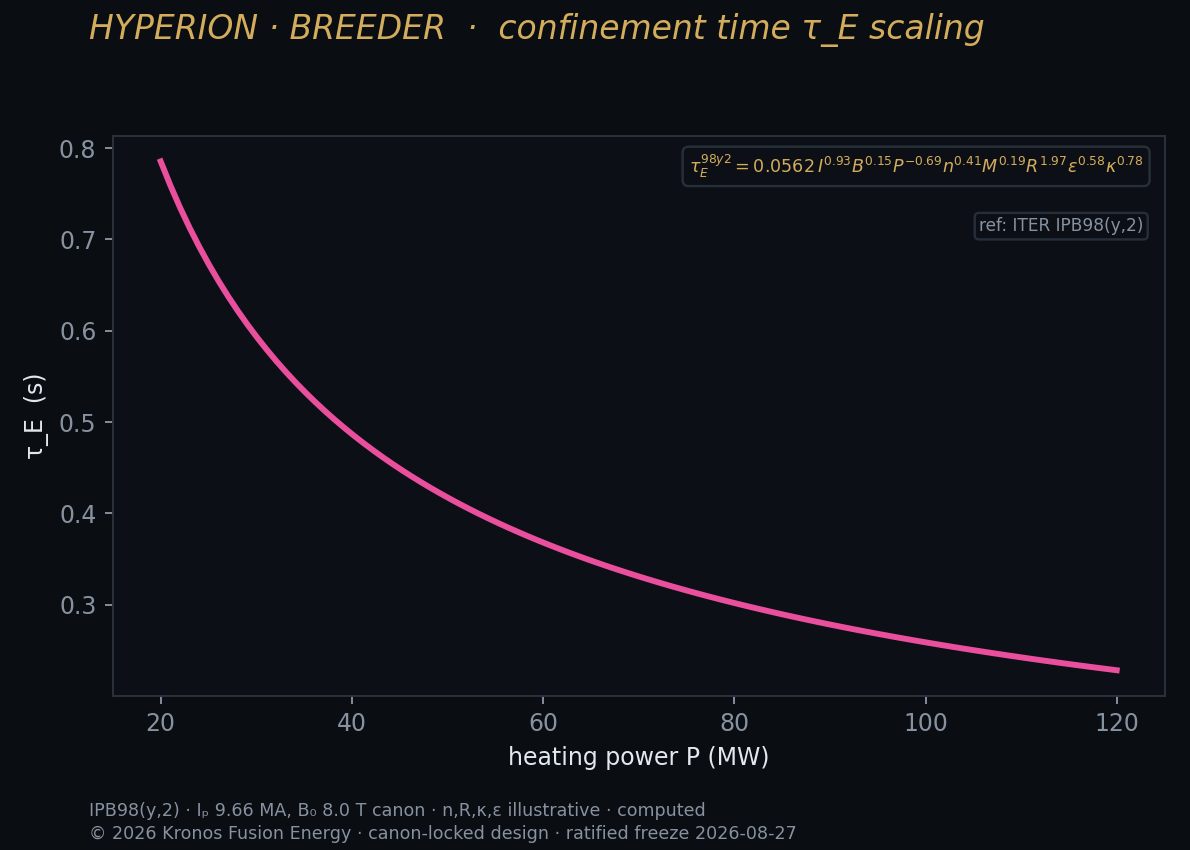
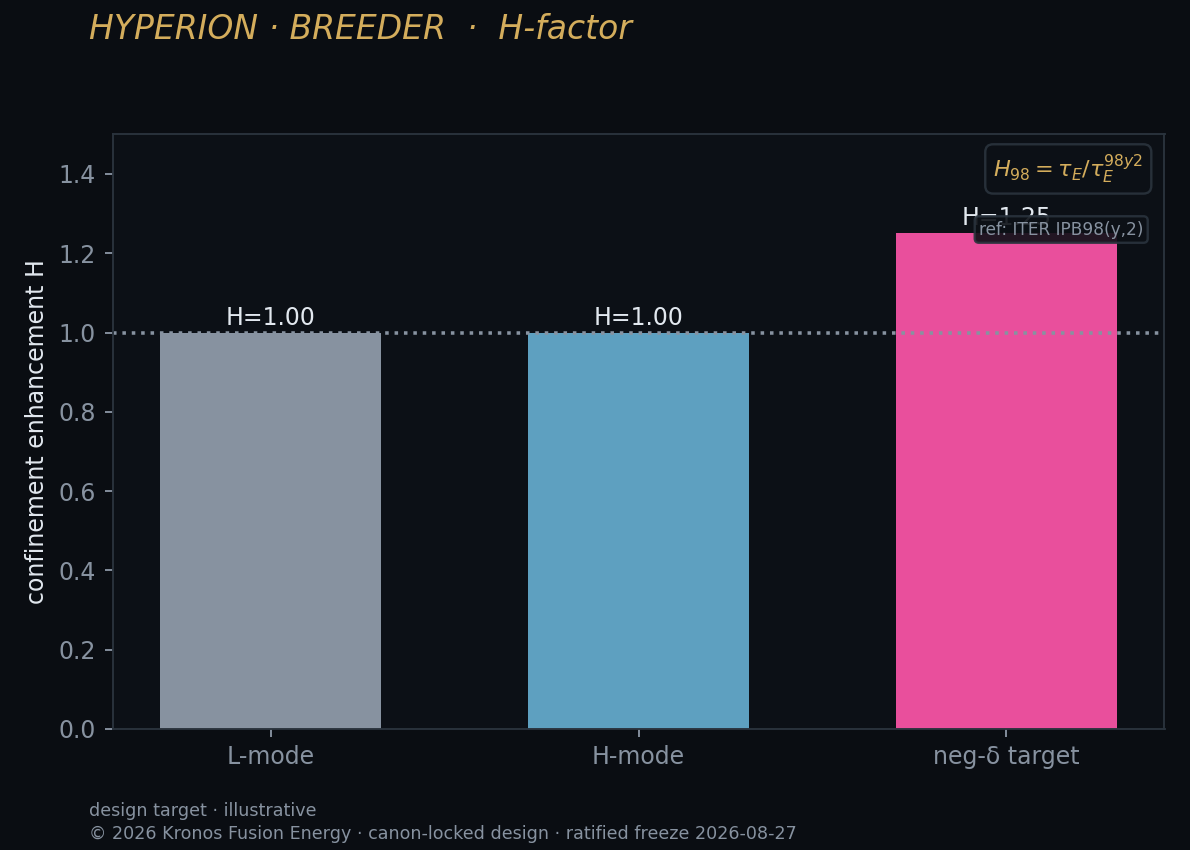
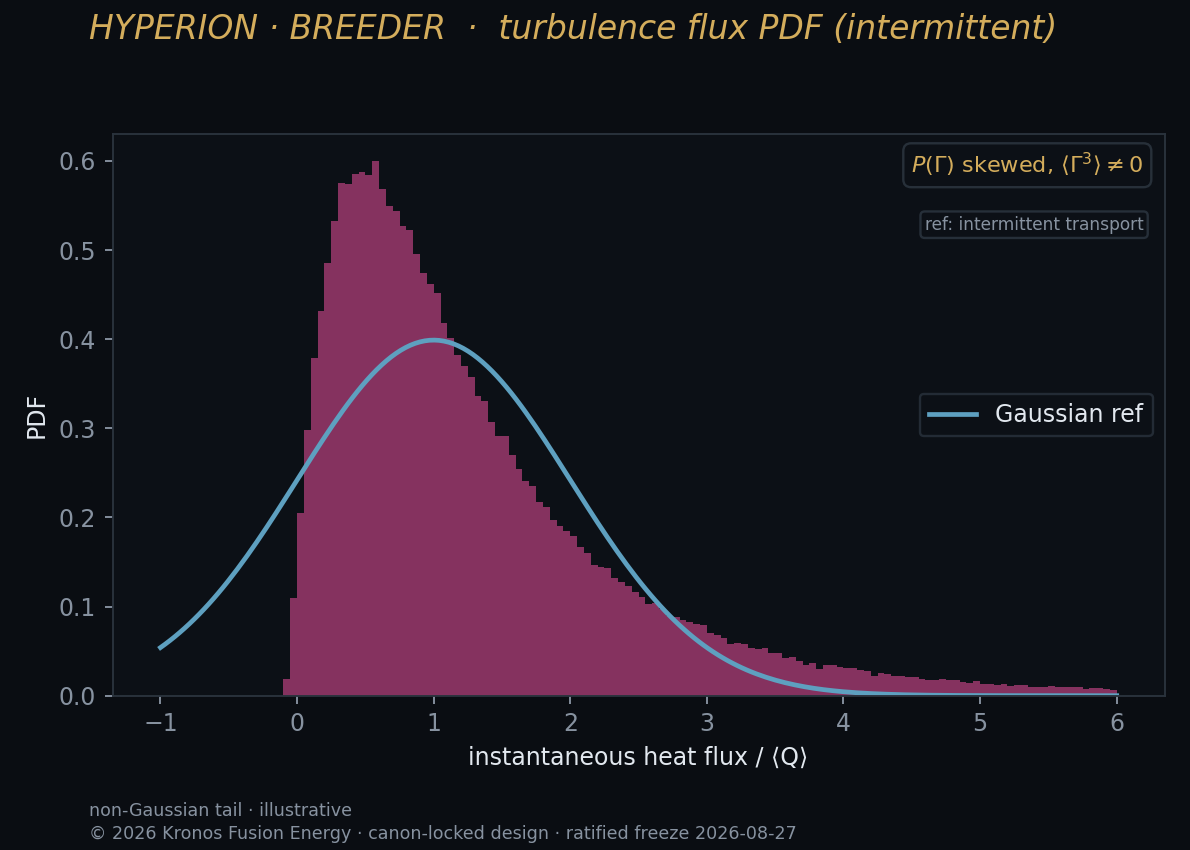
Transport and turbulence — CGYRO gyrokinetic predictions, heat-flux profiles, the -40% ion / -80% electron flux reduction, growth-rate spectra, zonal flows and confinement scaling.
C · Neutronics
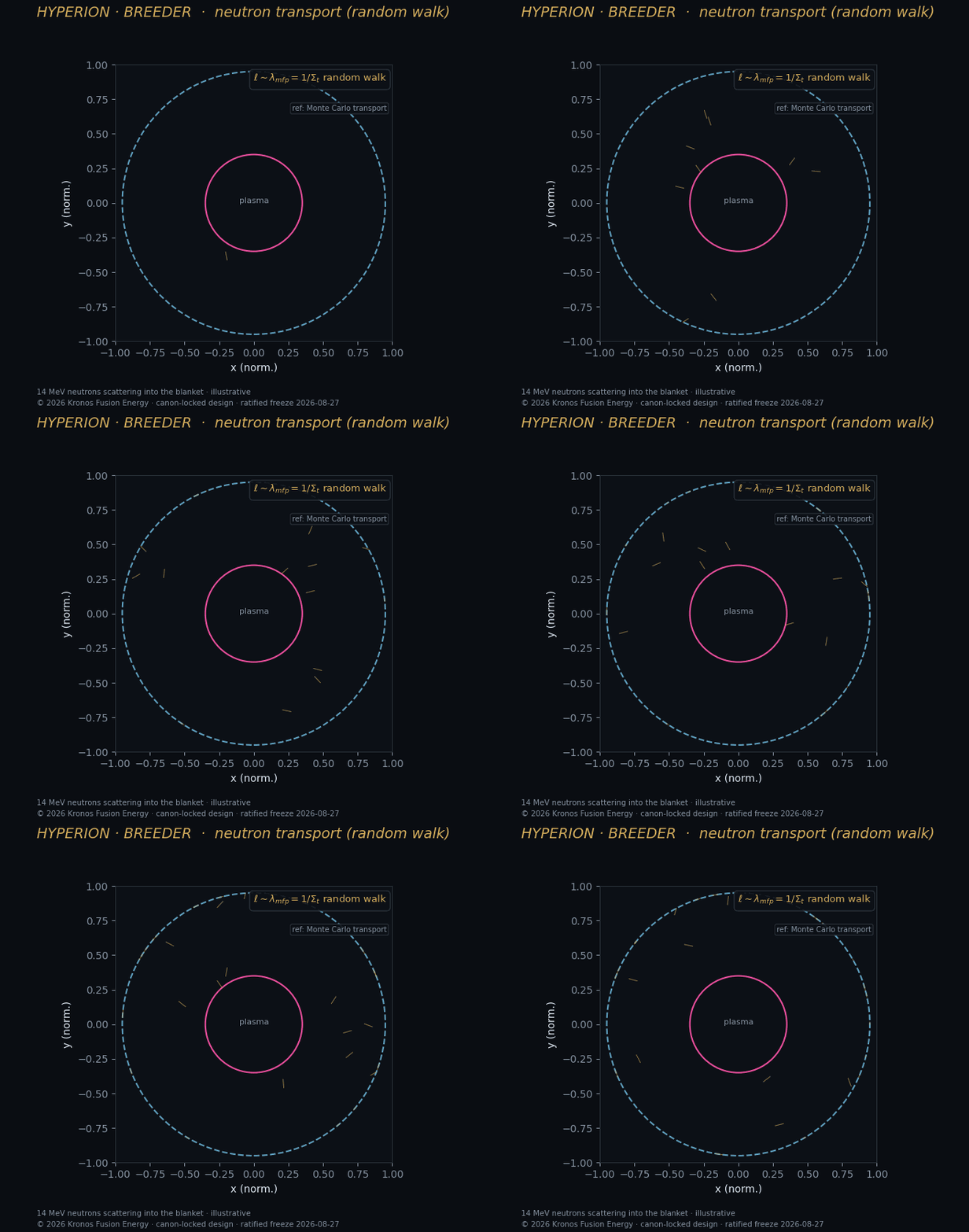
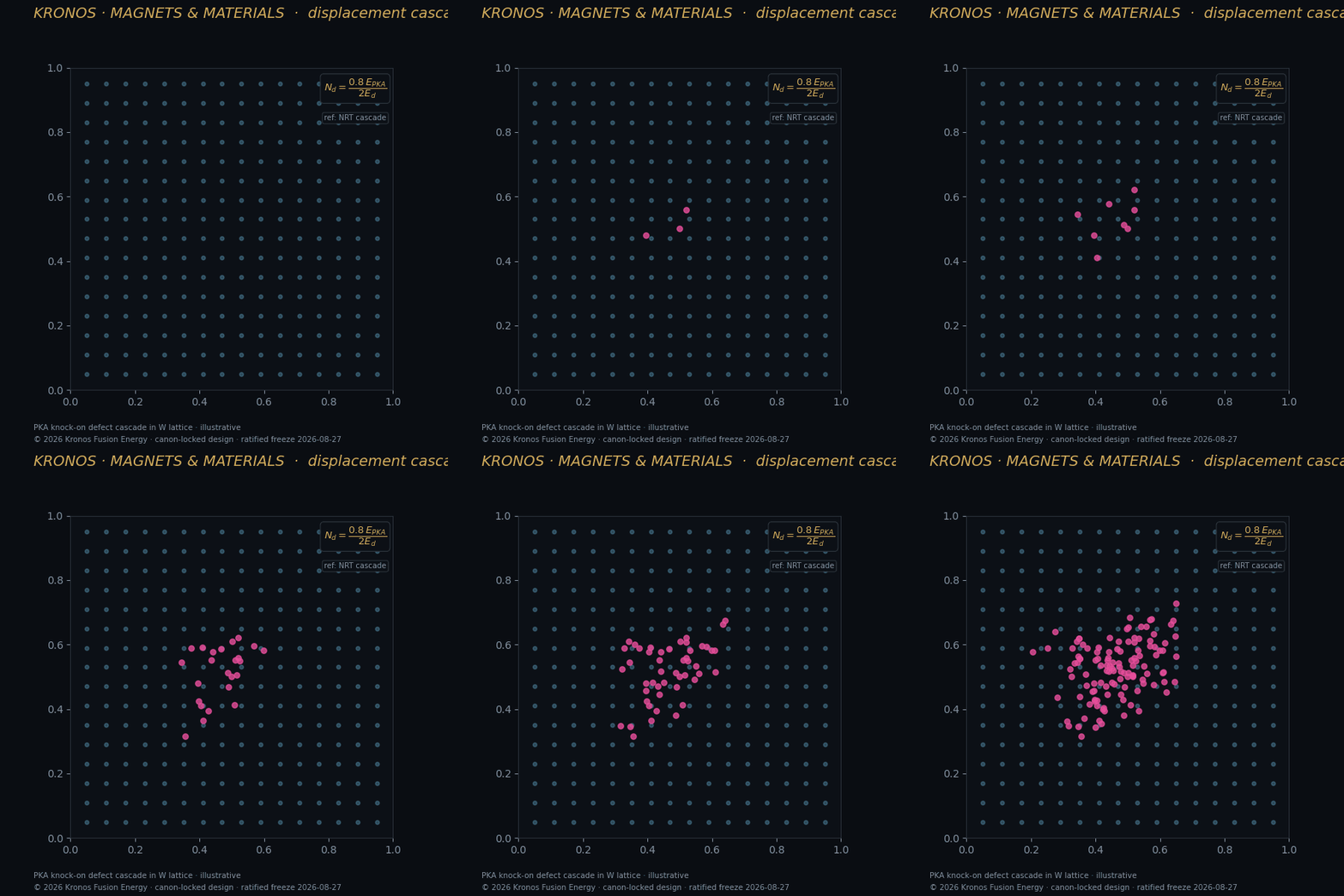
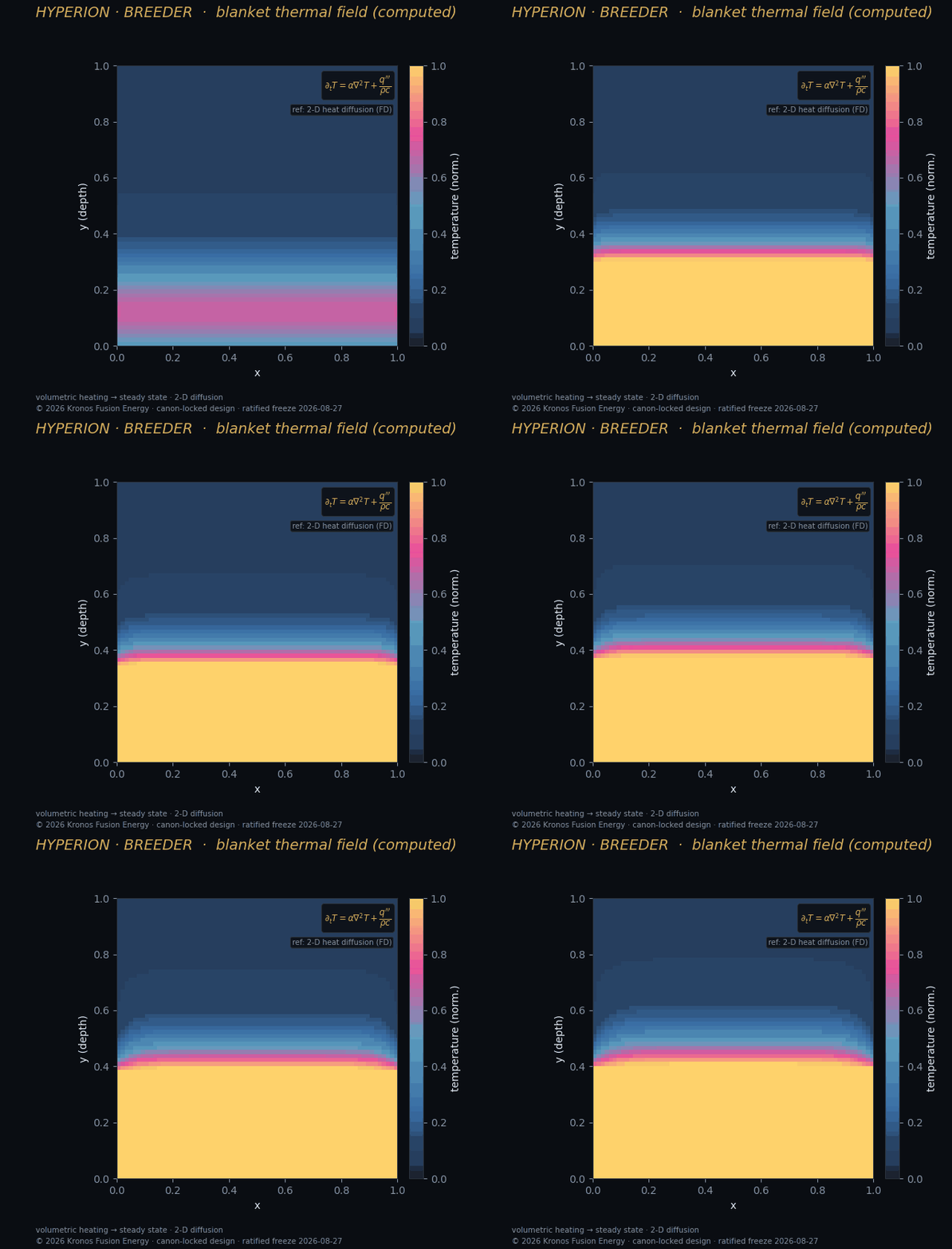
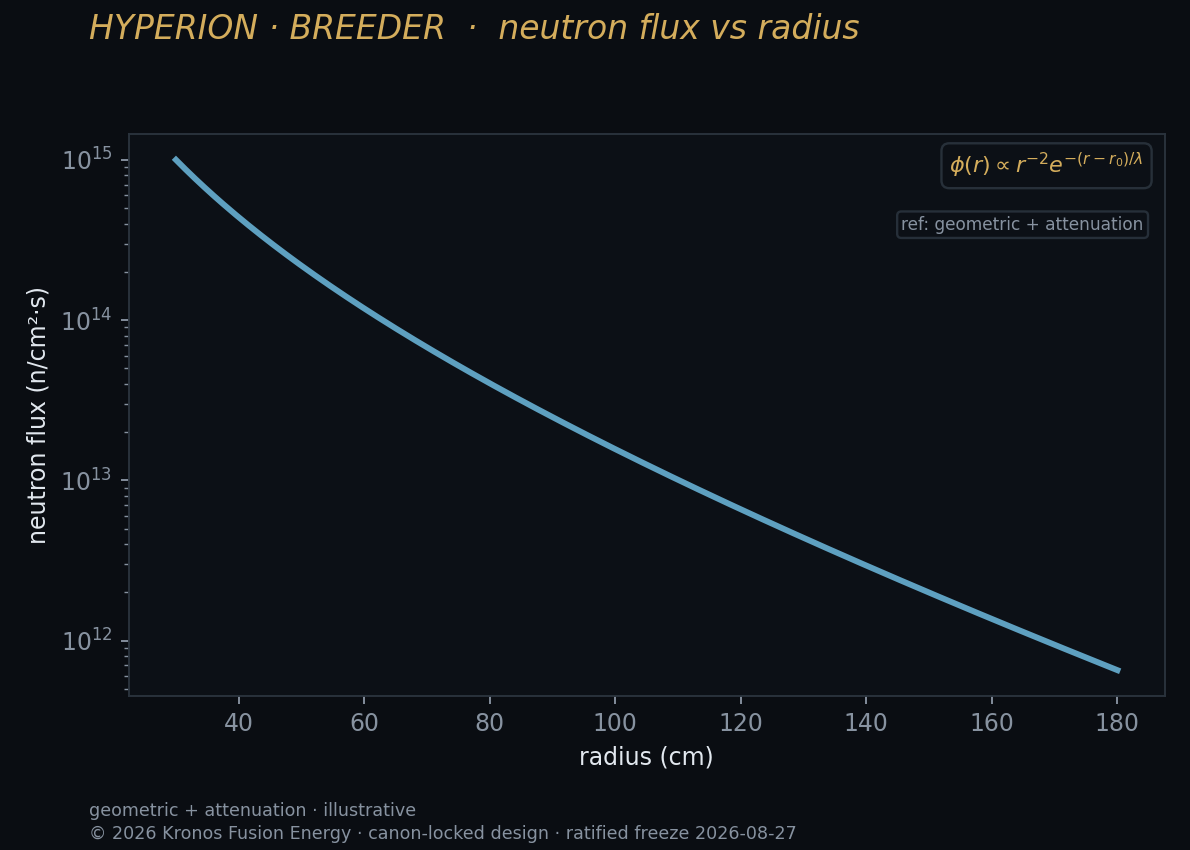
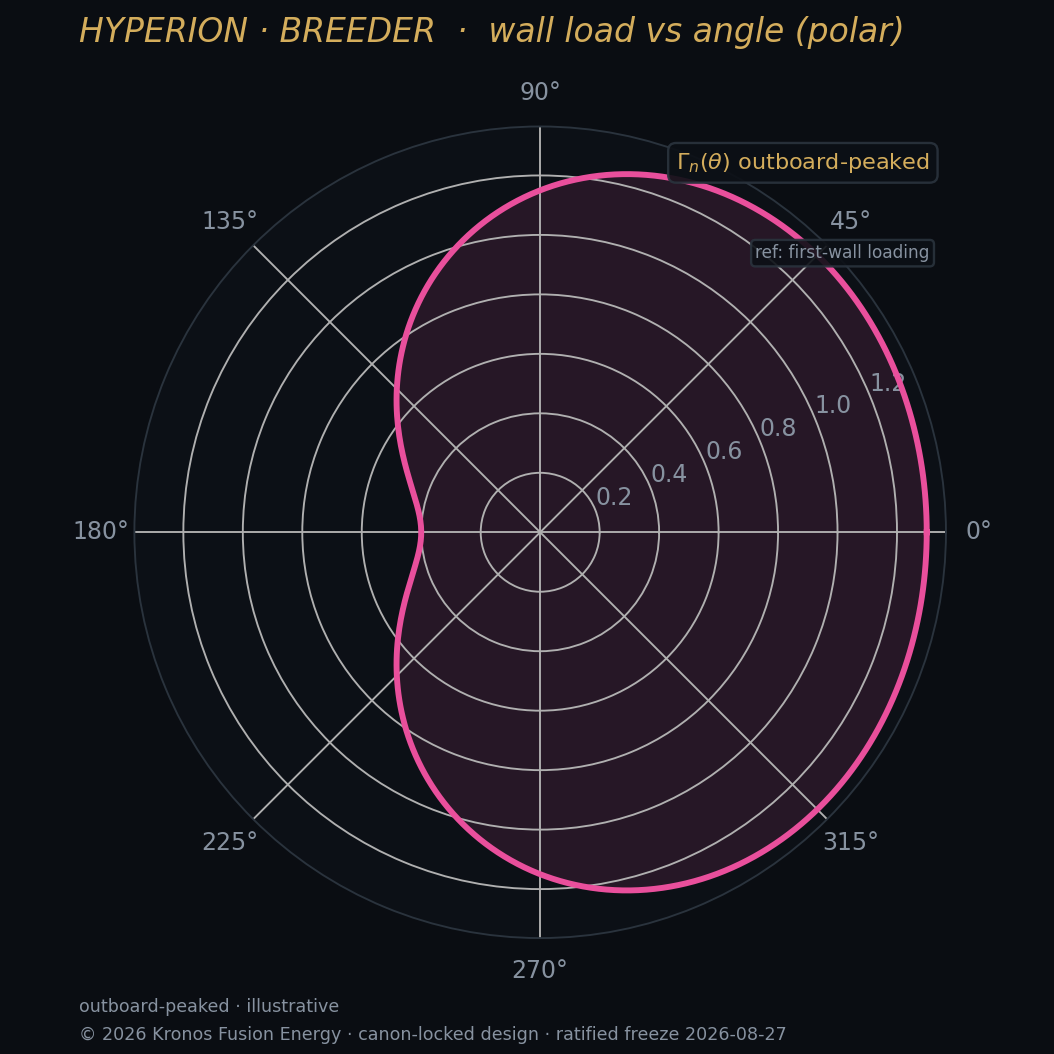
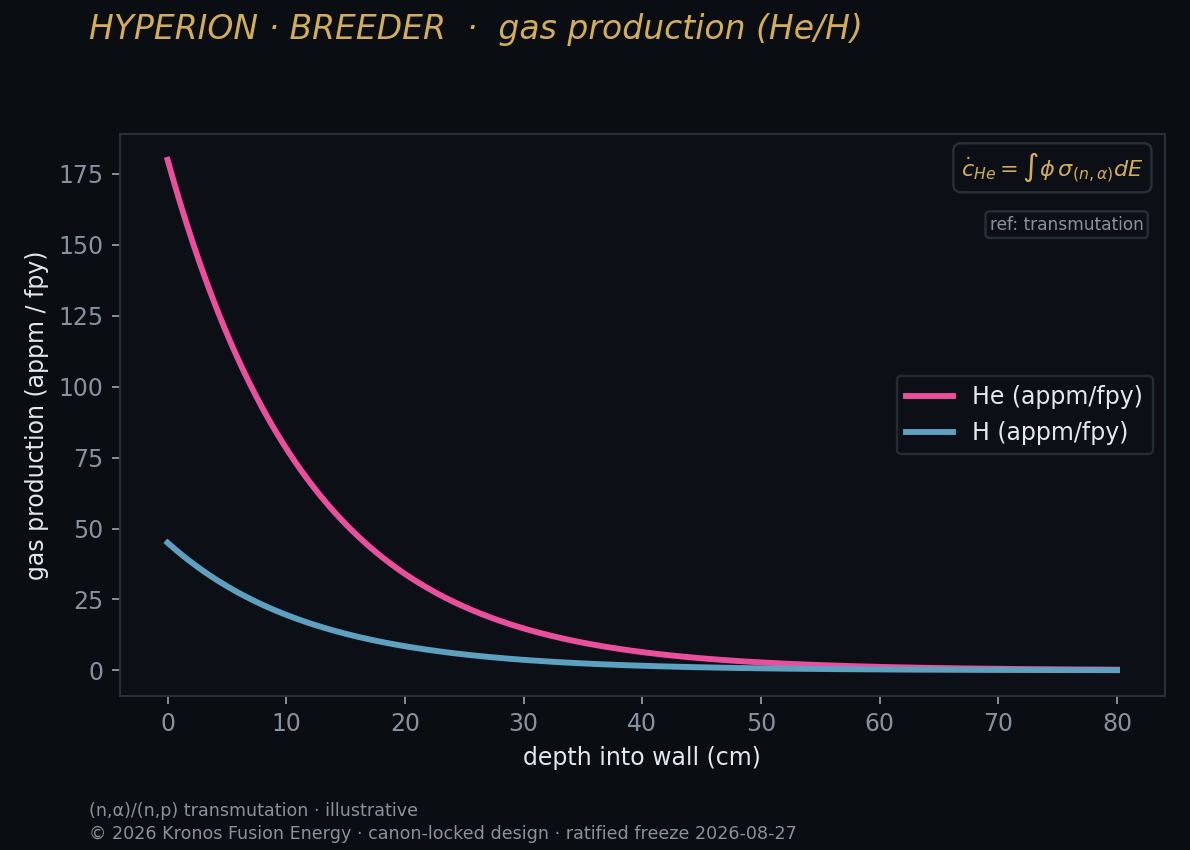
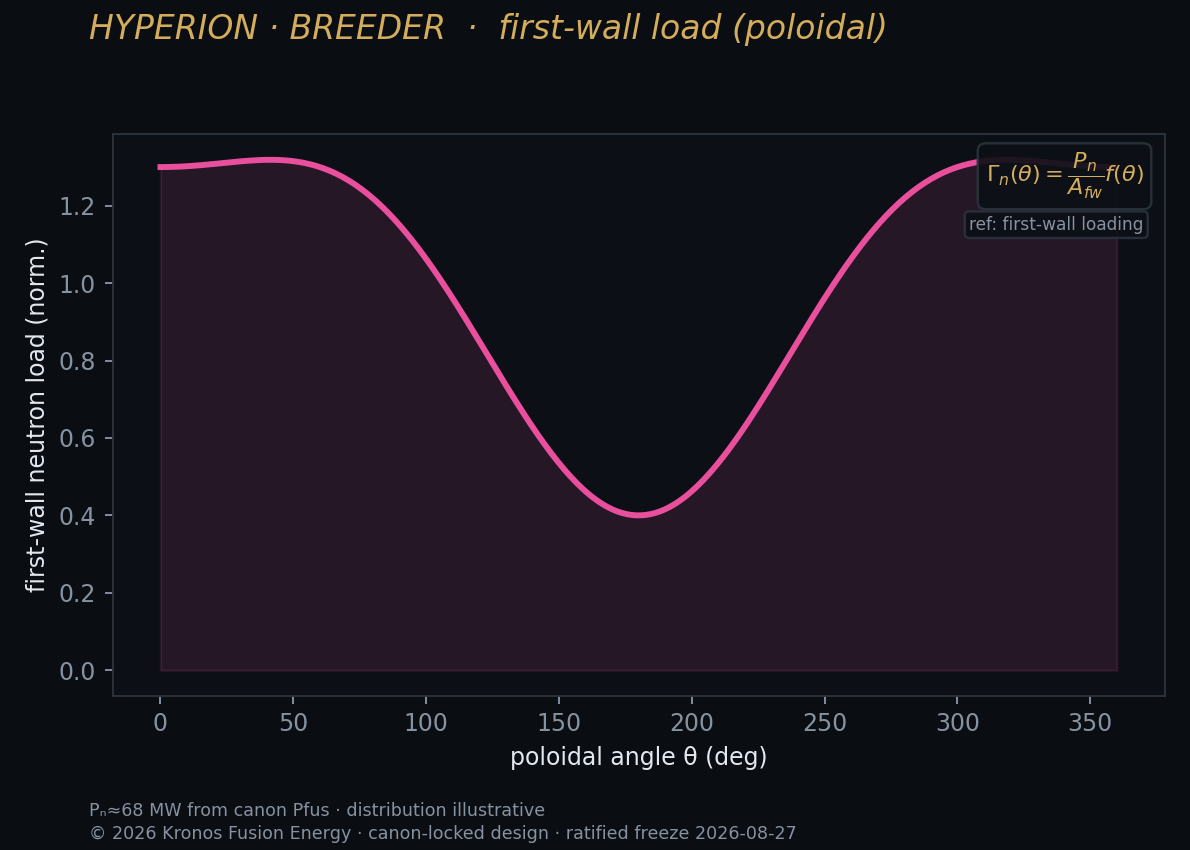
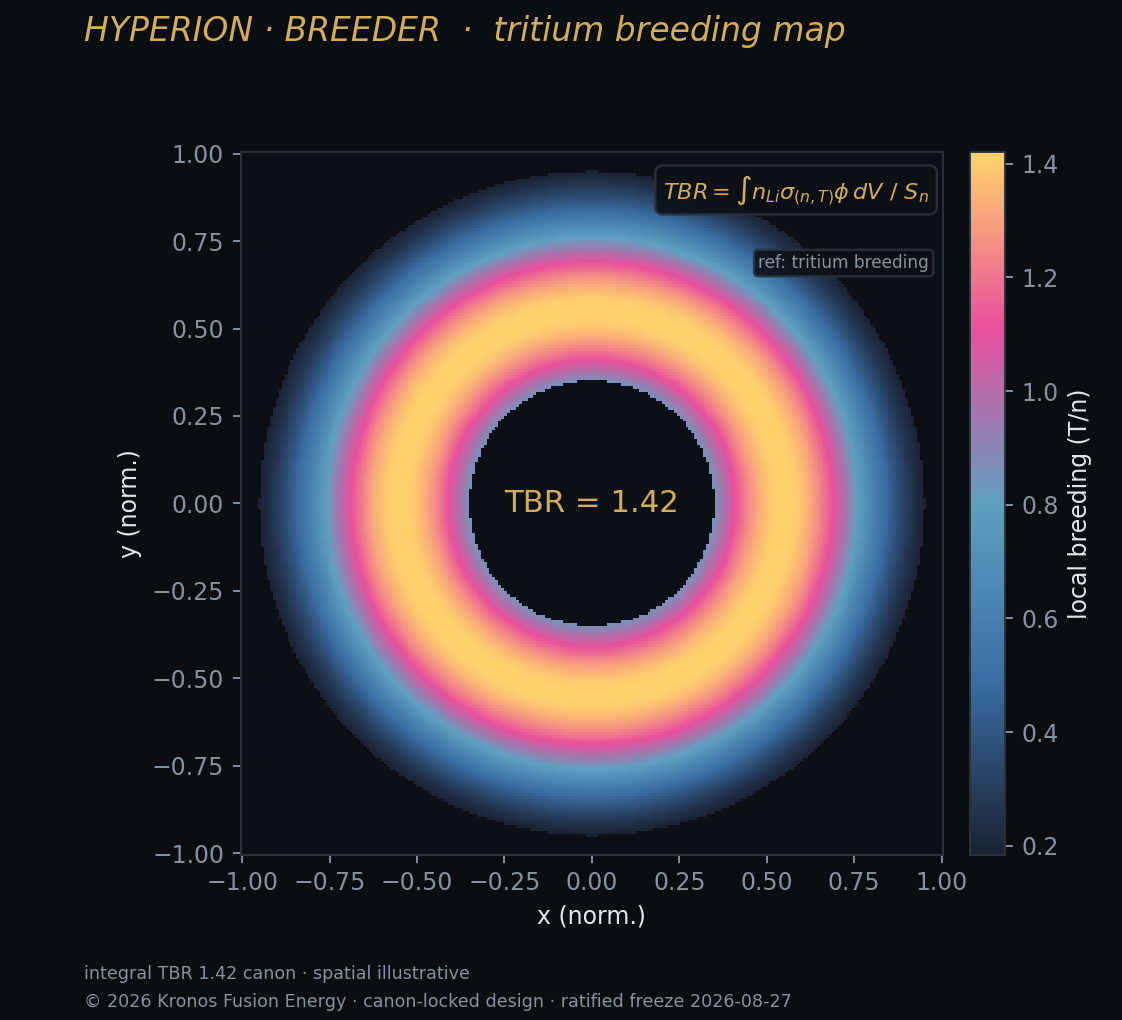
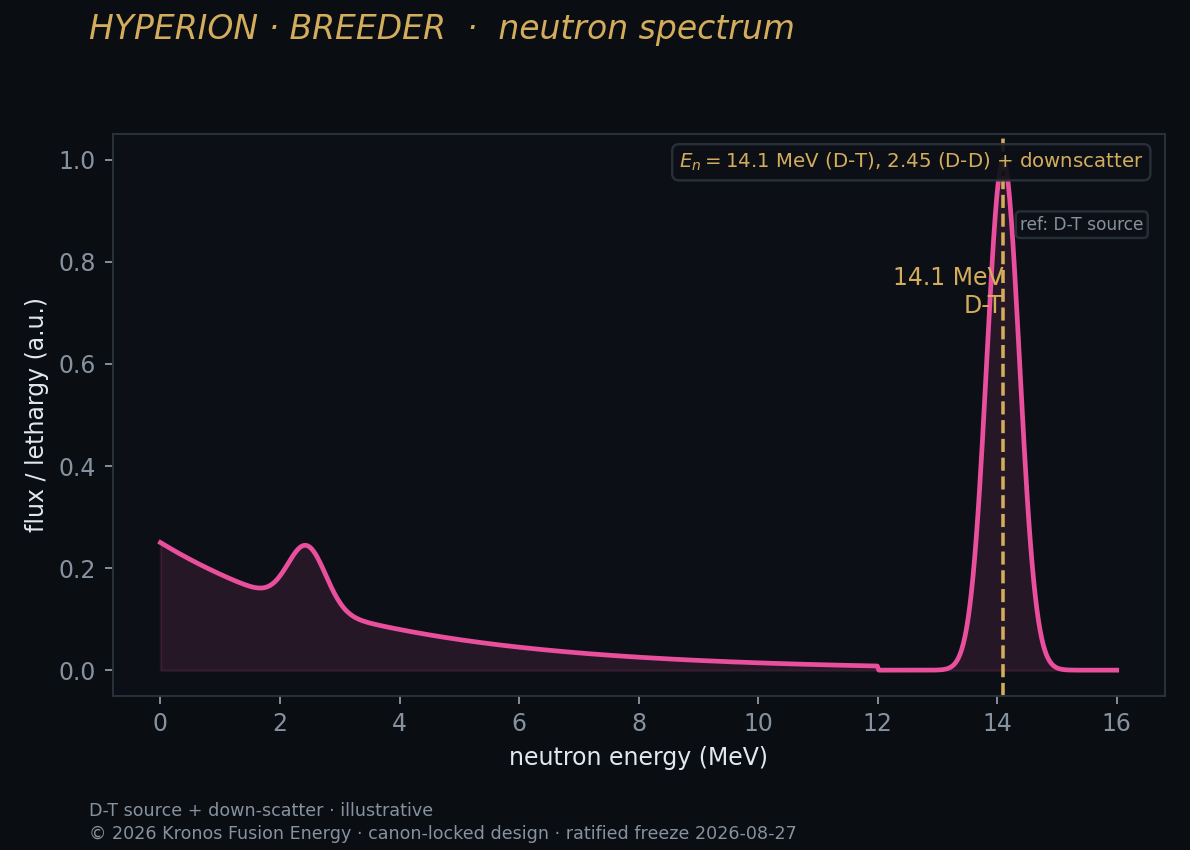
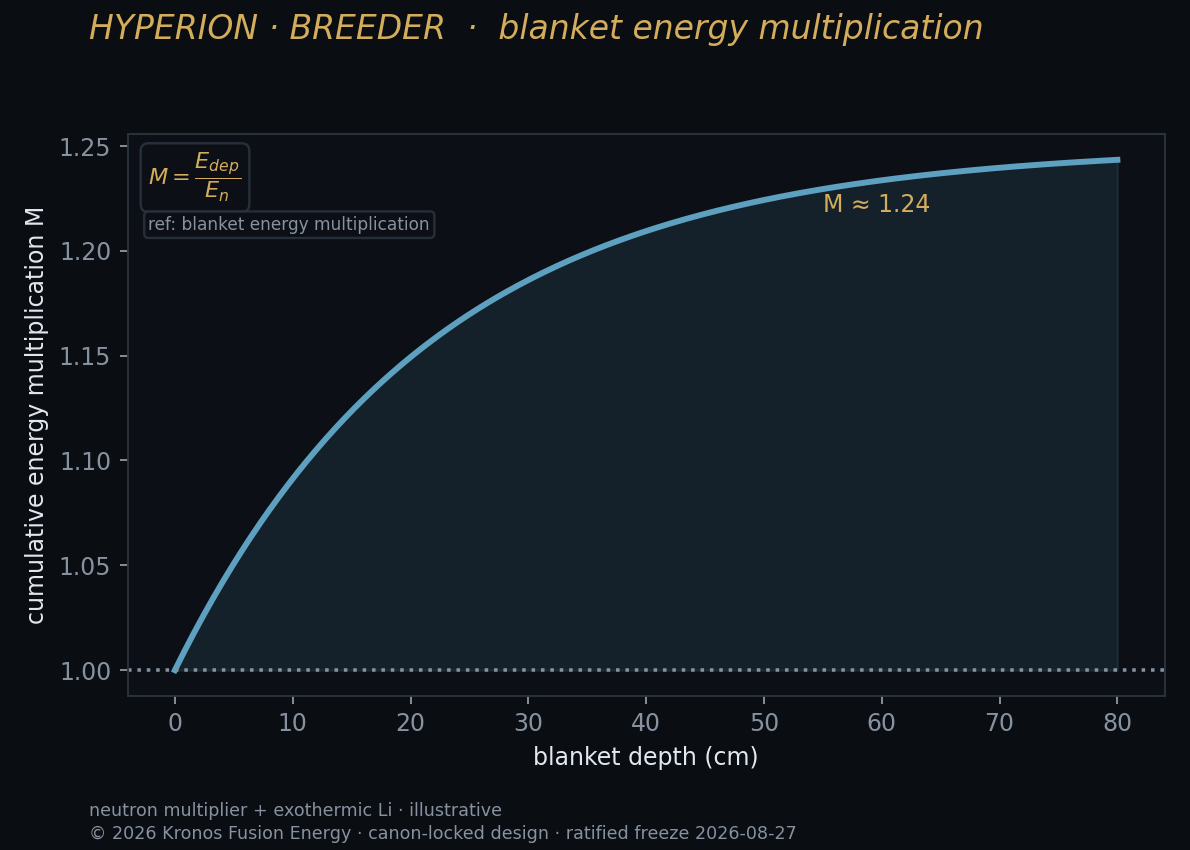
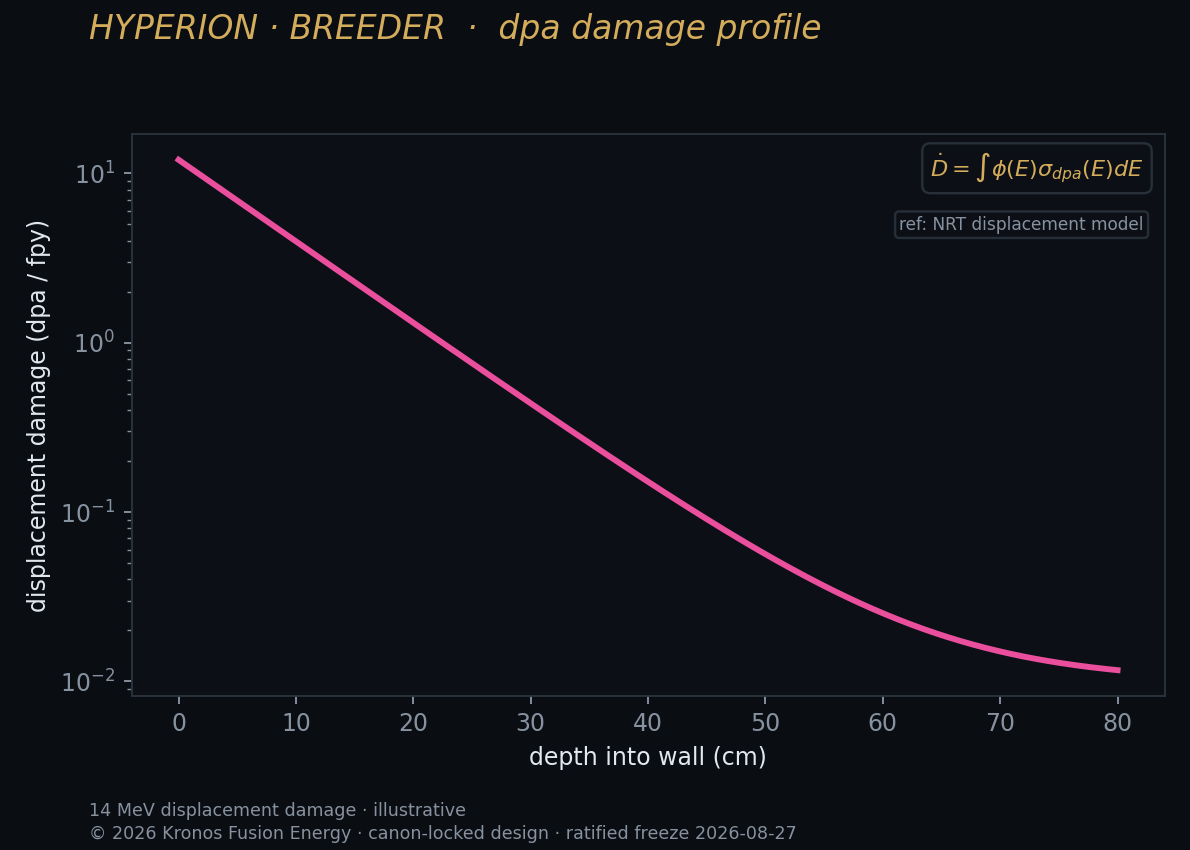
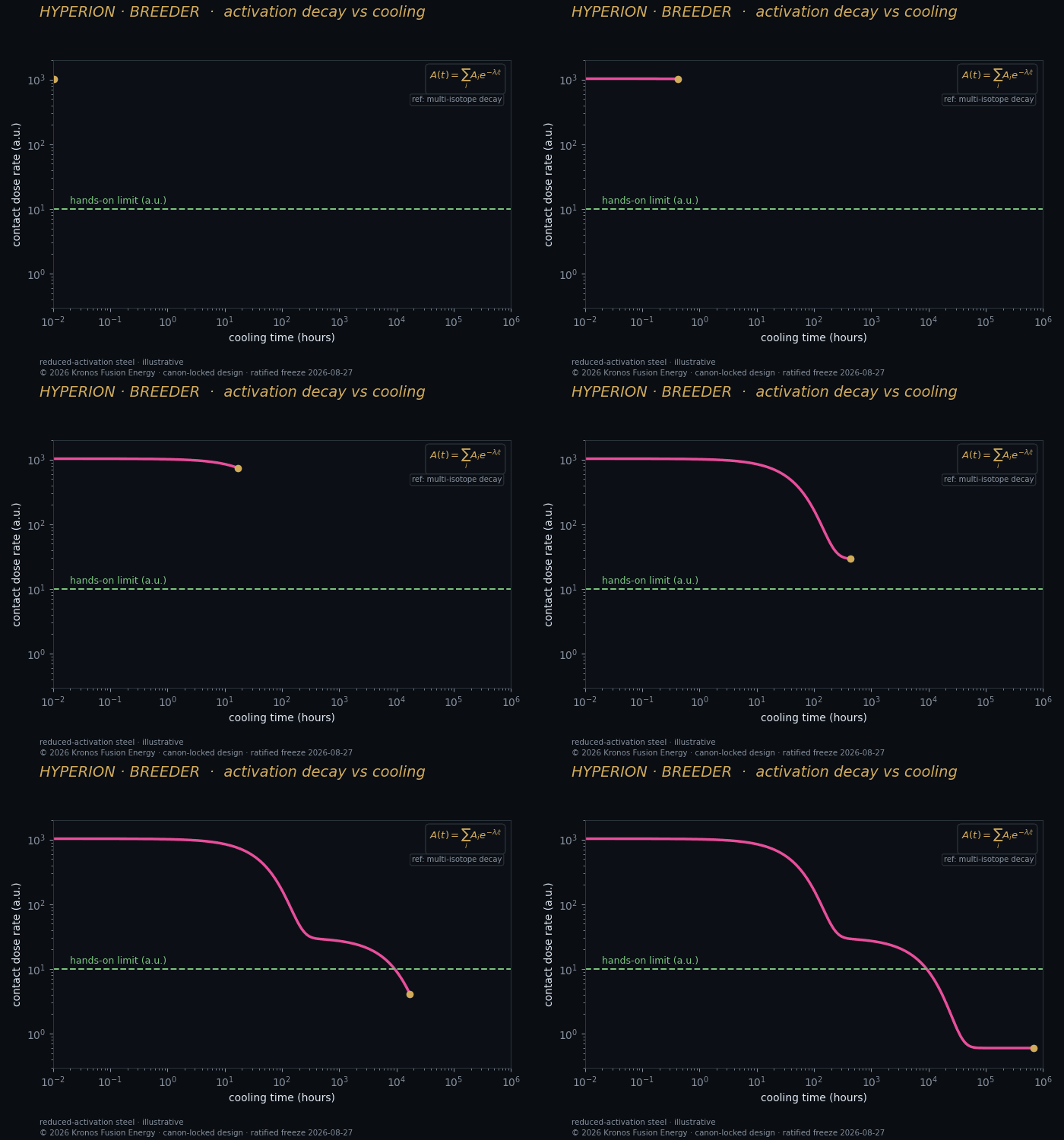
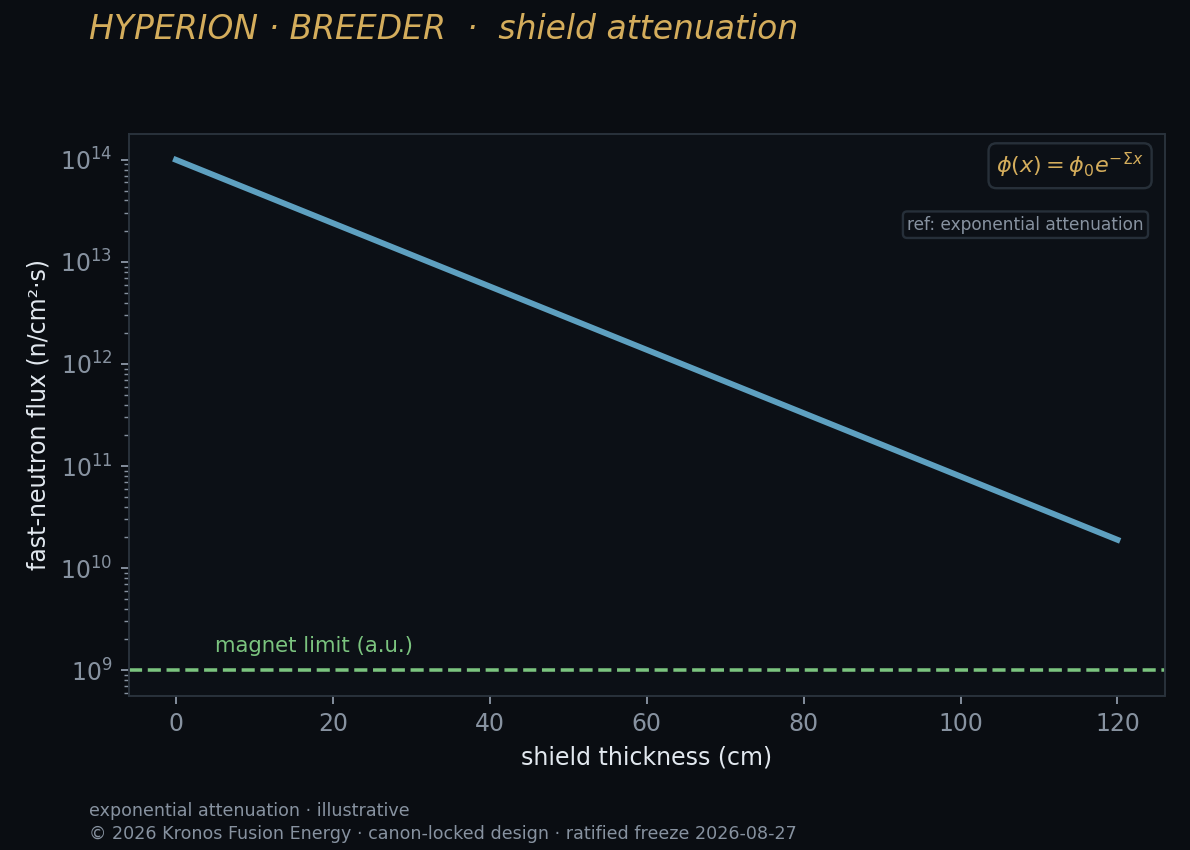
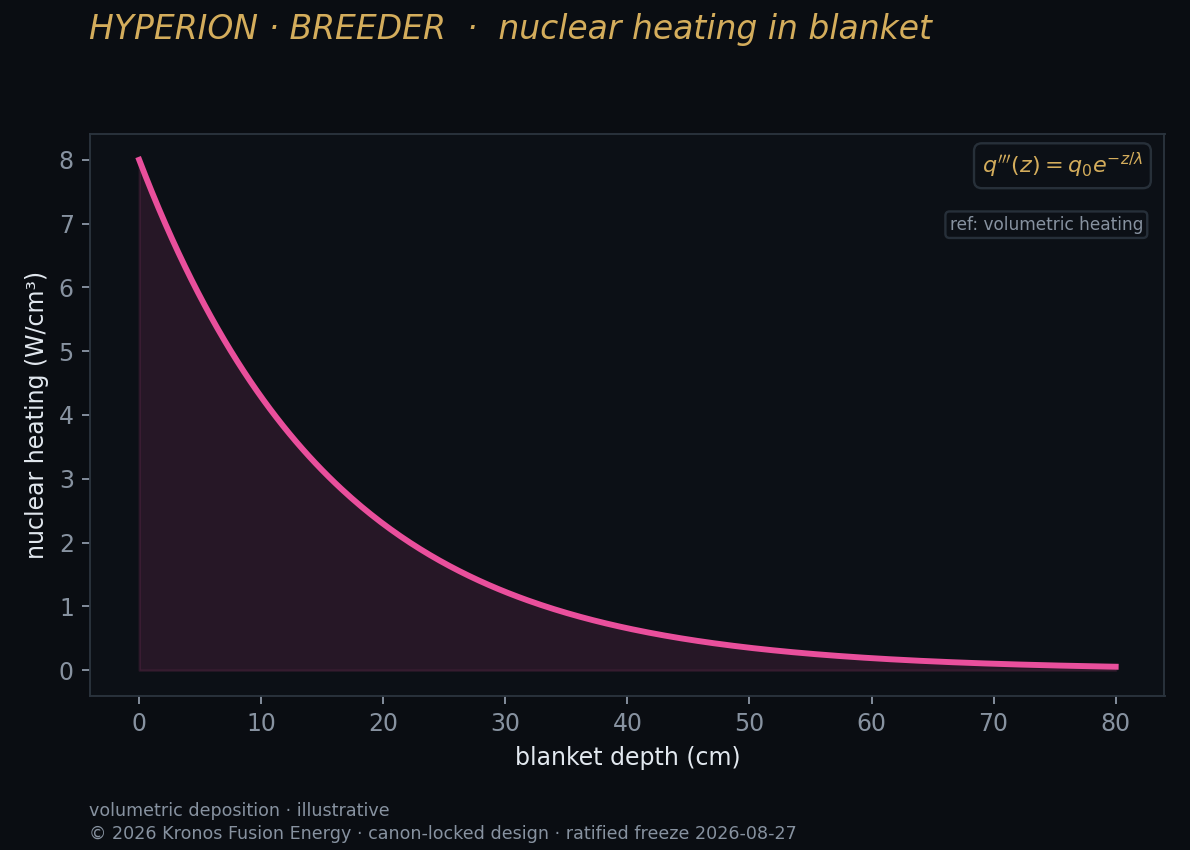
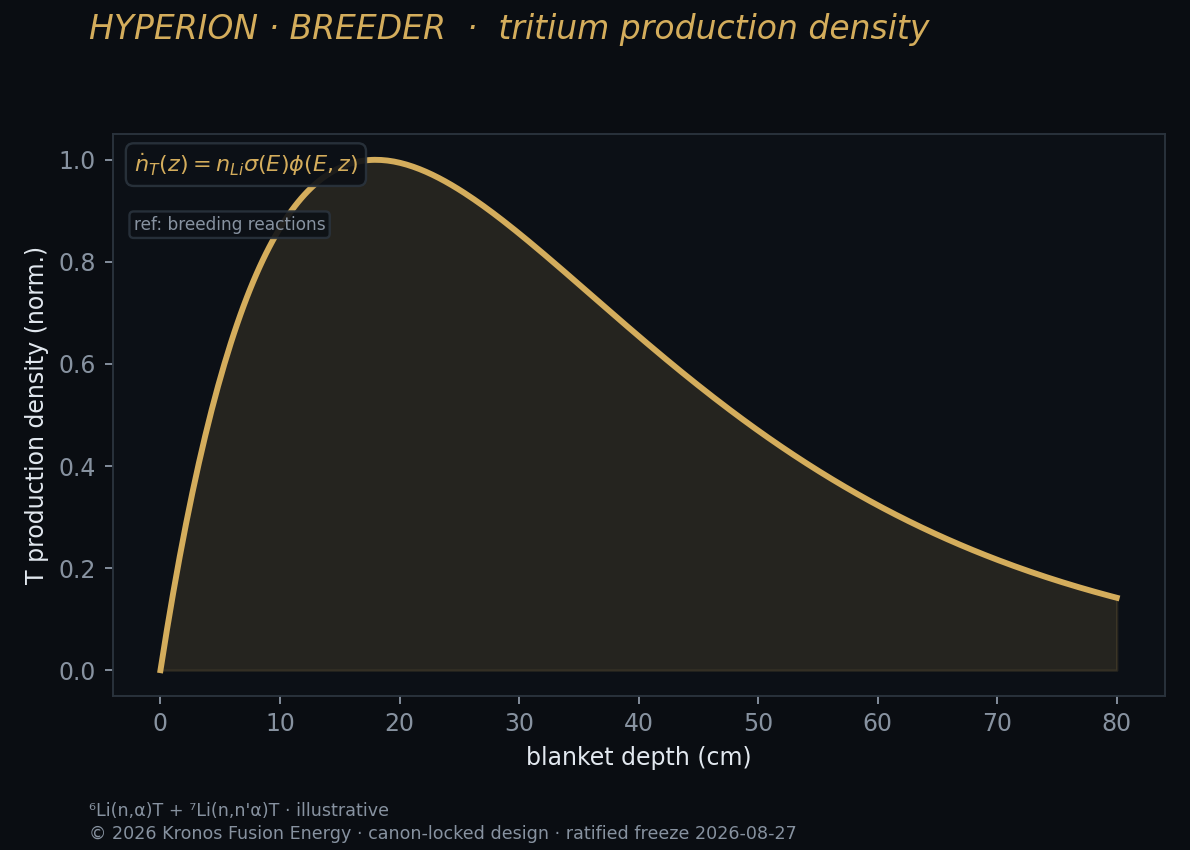
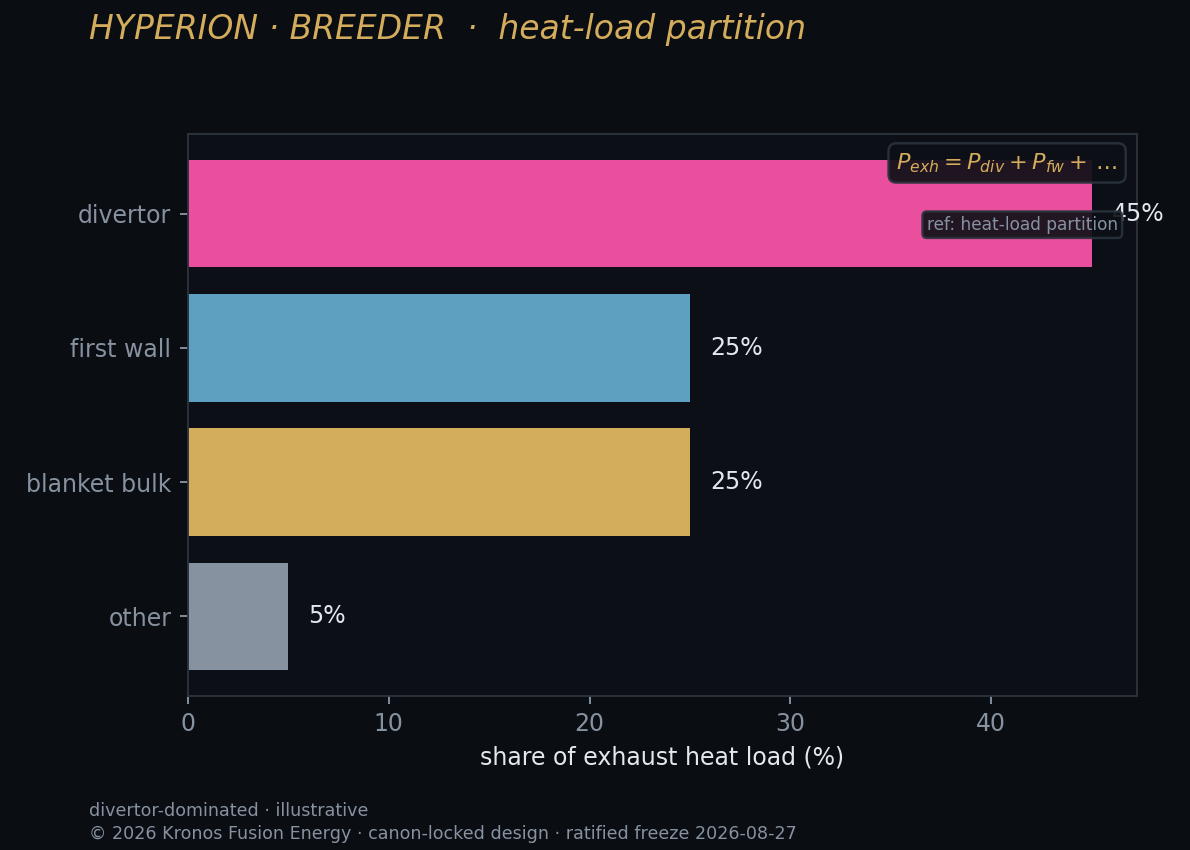
Neutronics — first-wall neutron loading, spatial tritium-breeding maps, the 14.1 MeV neutron spectrum, displacement damage, activation and nuclear heating.
D · Fuel cycle
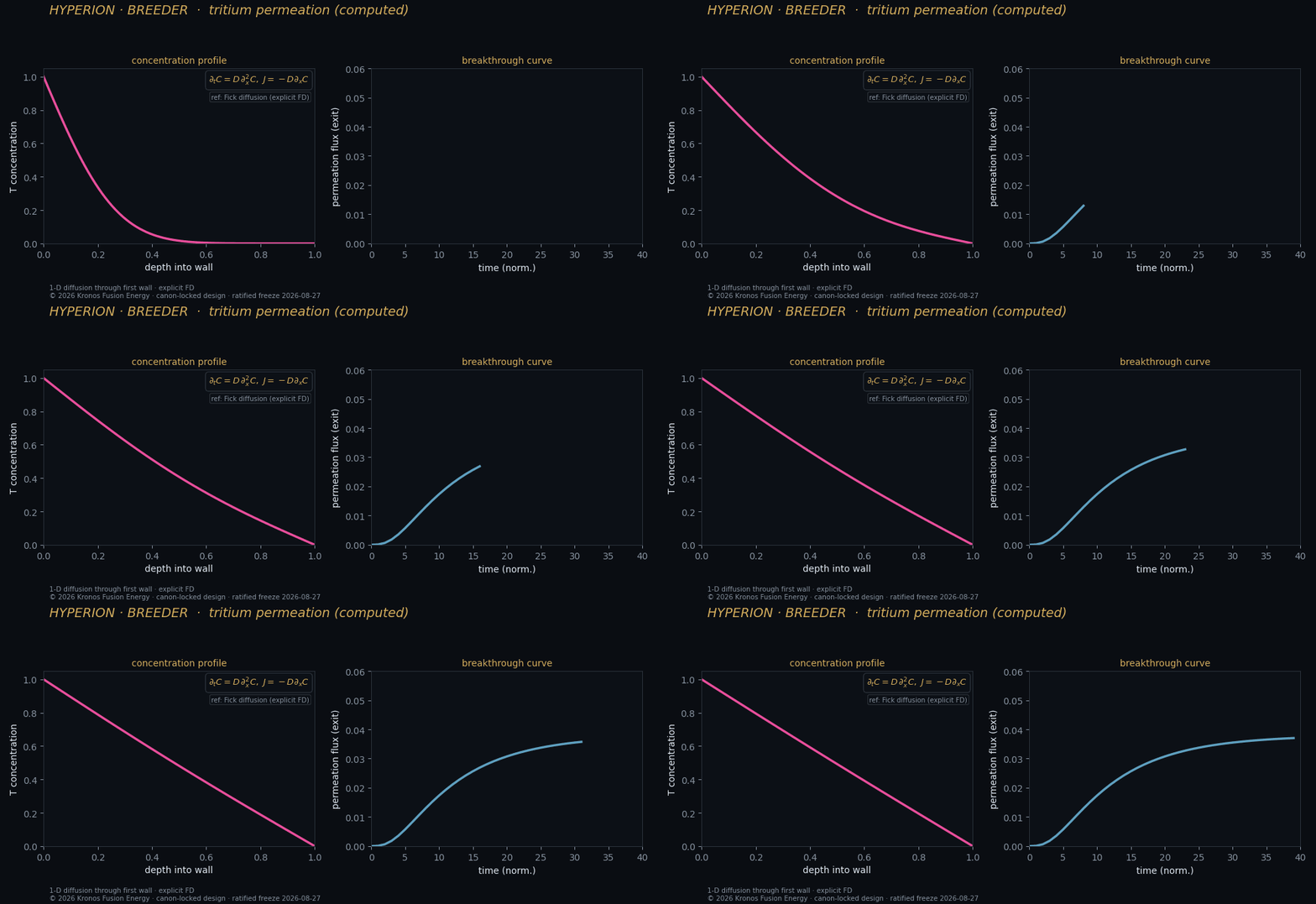
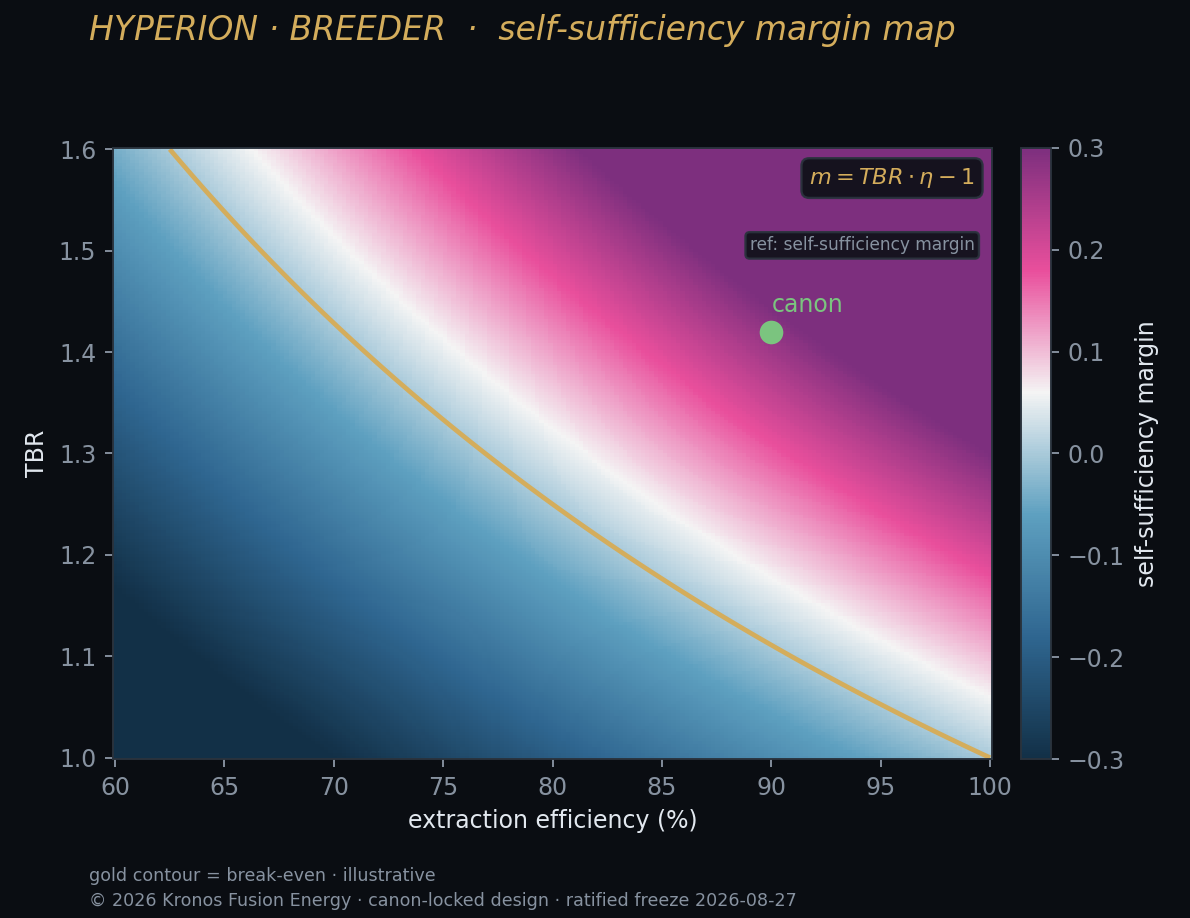
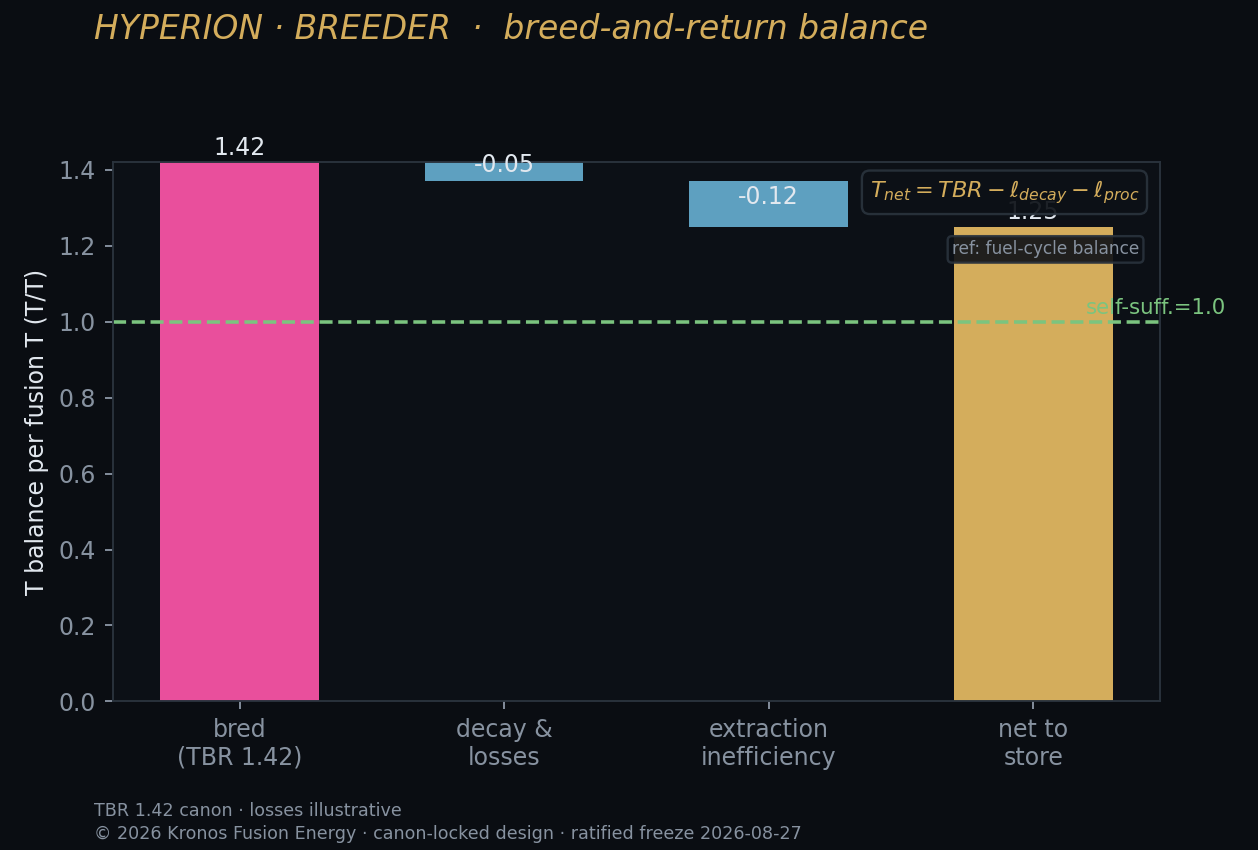
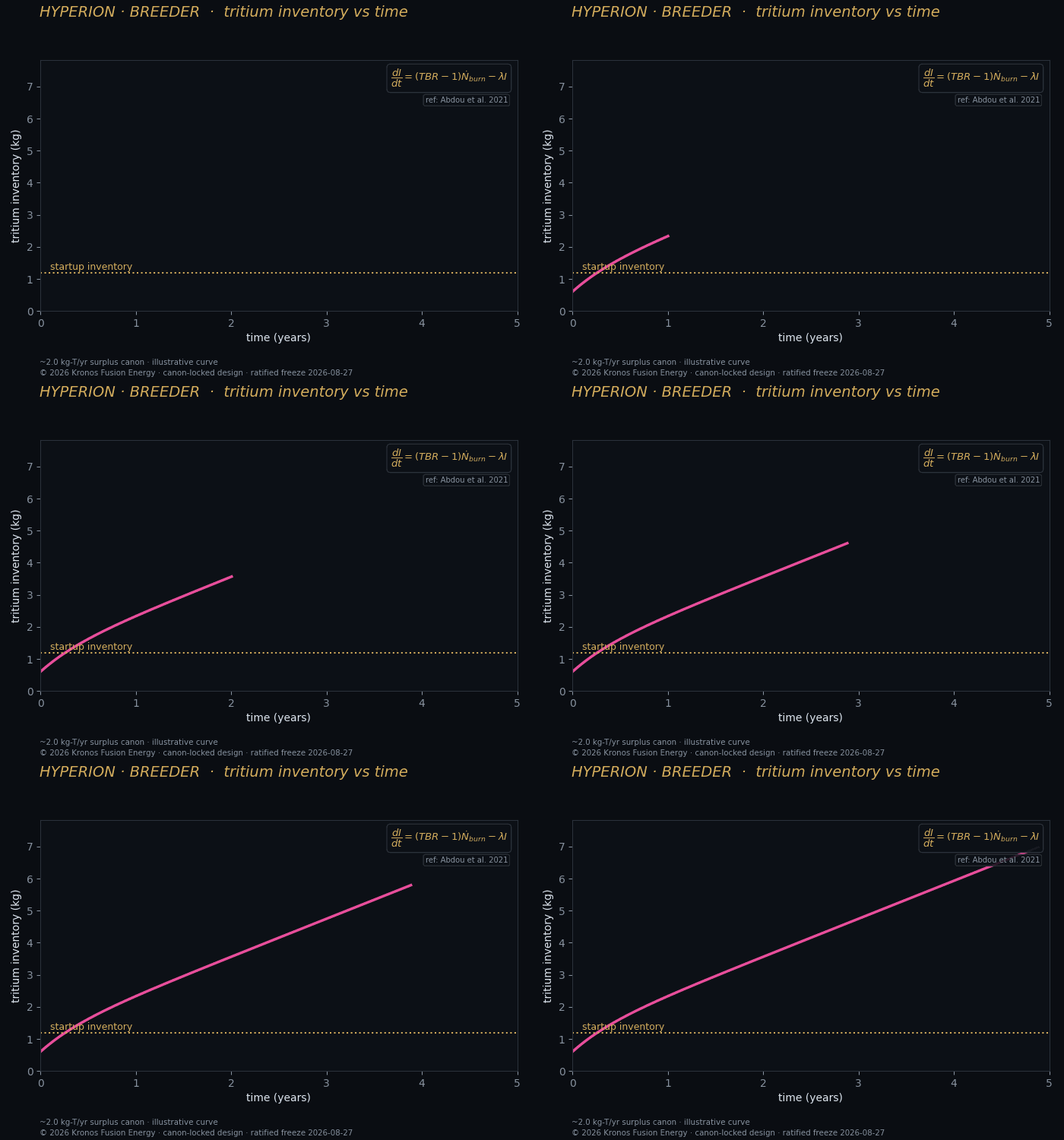
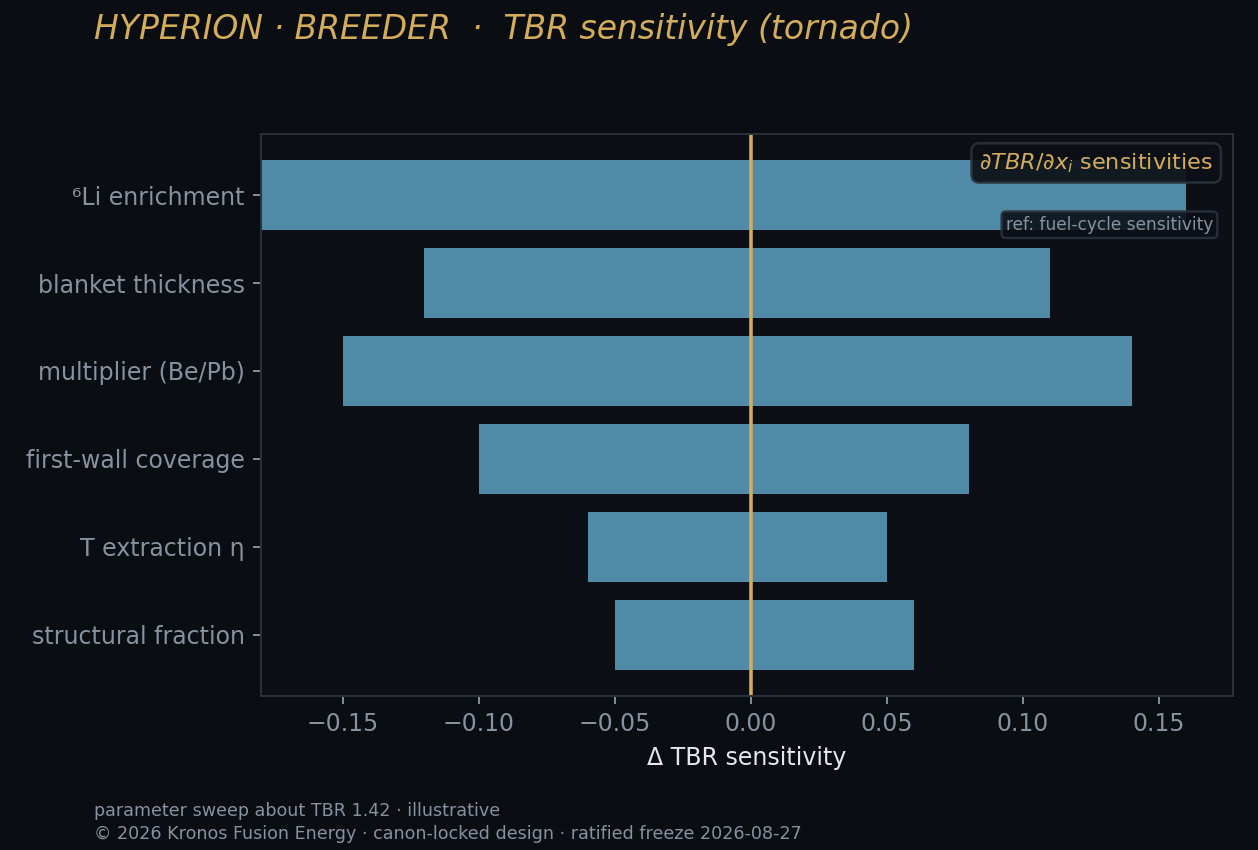
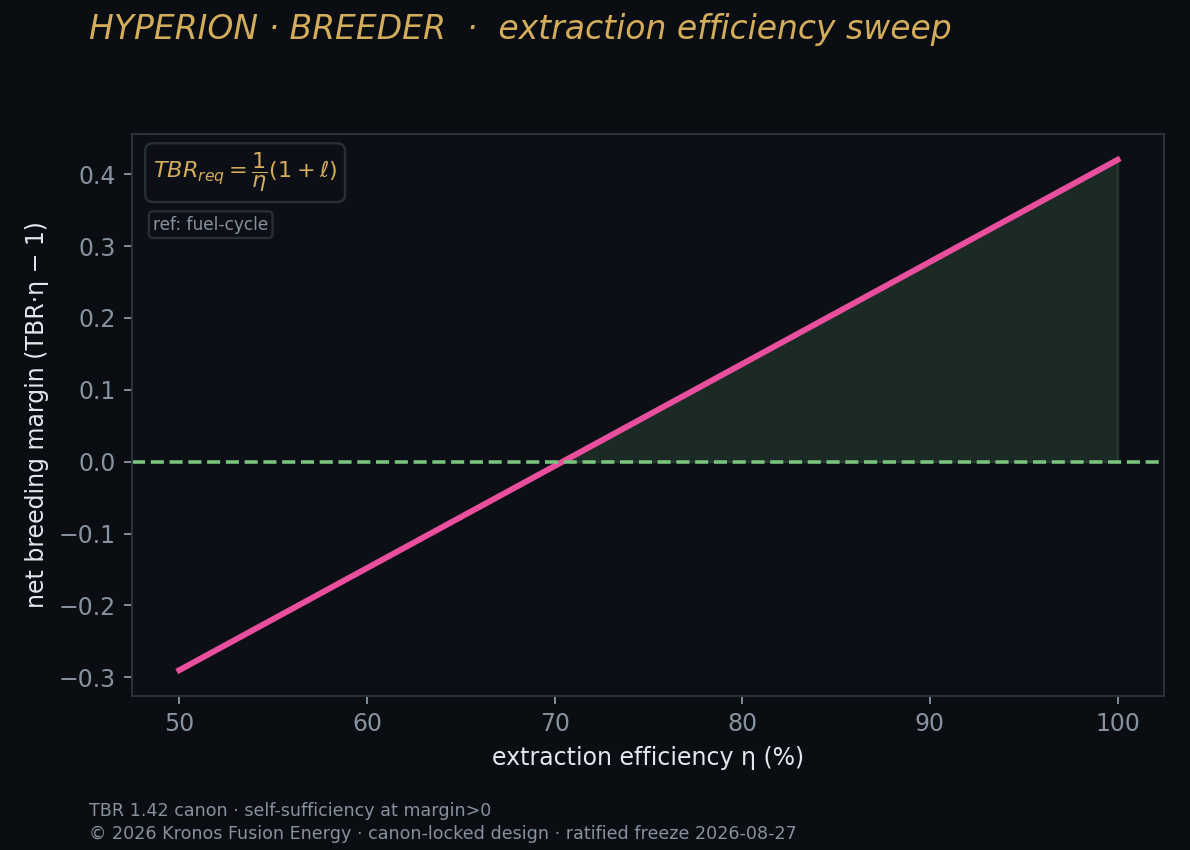
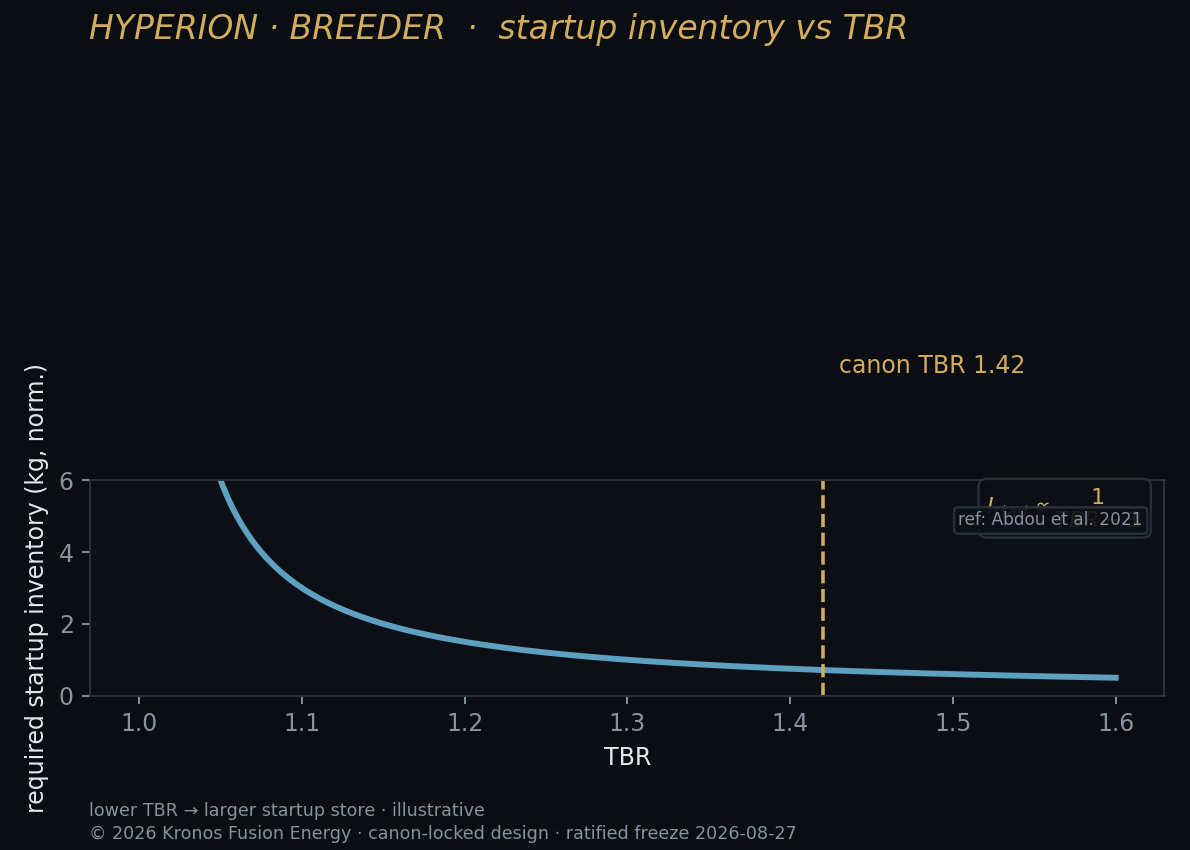
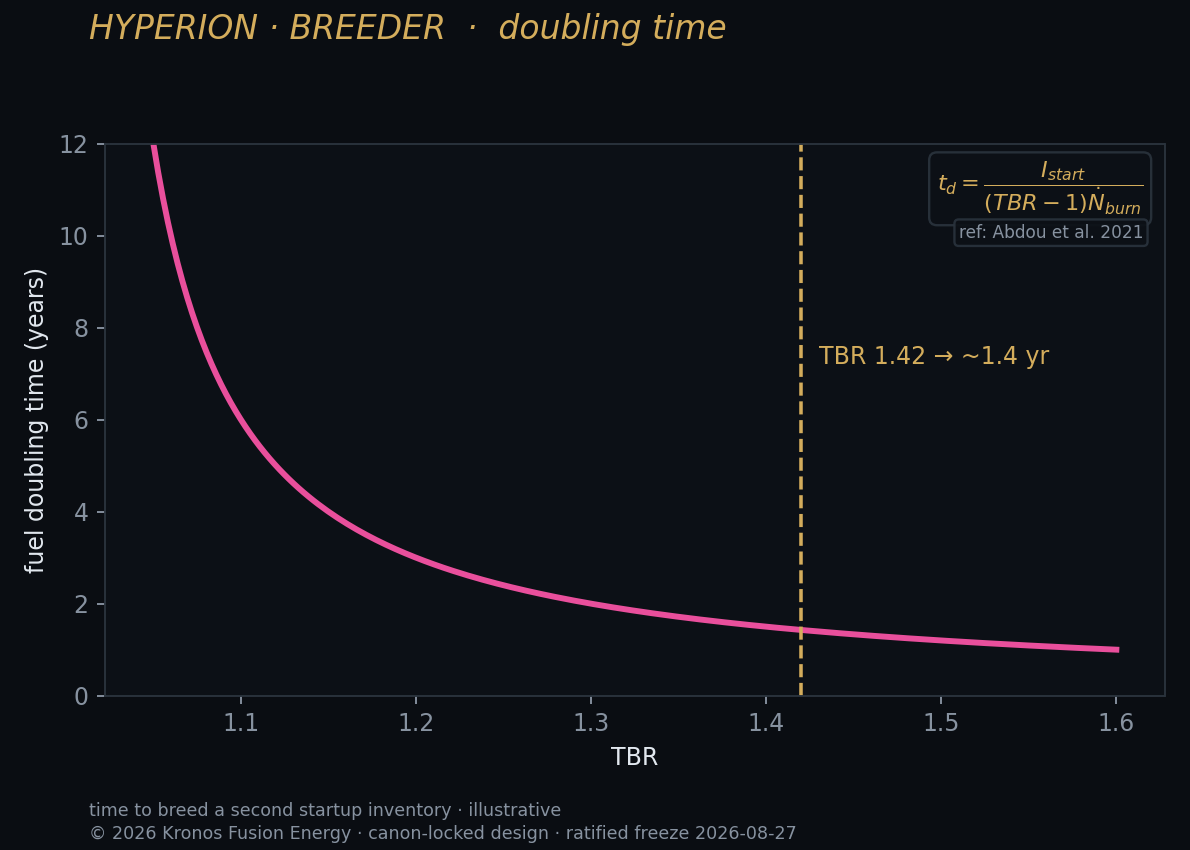
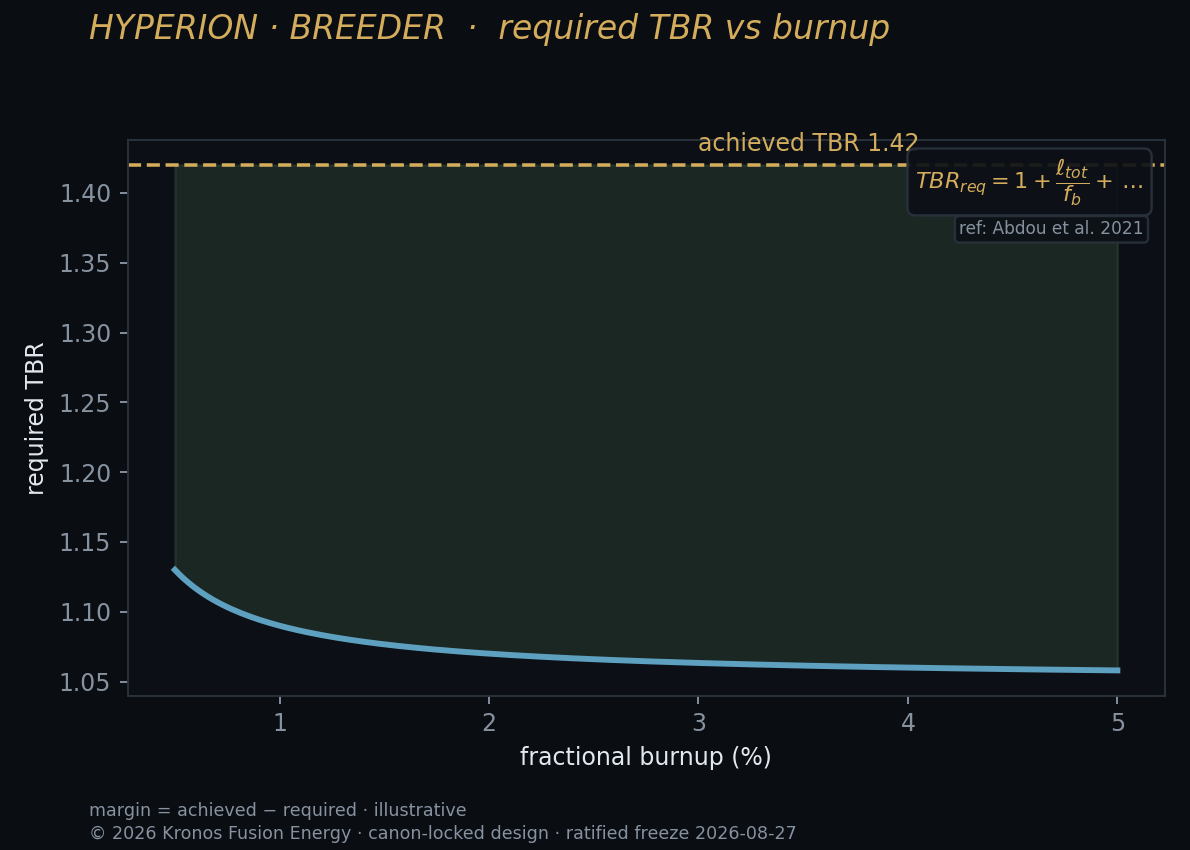
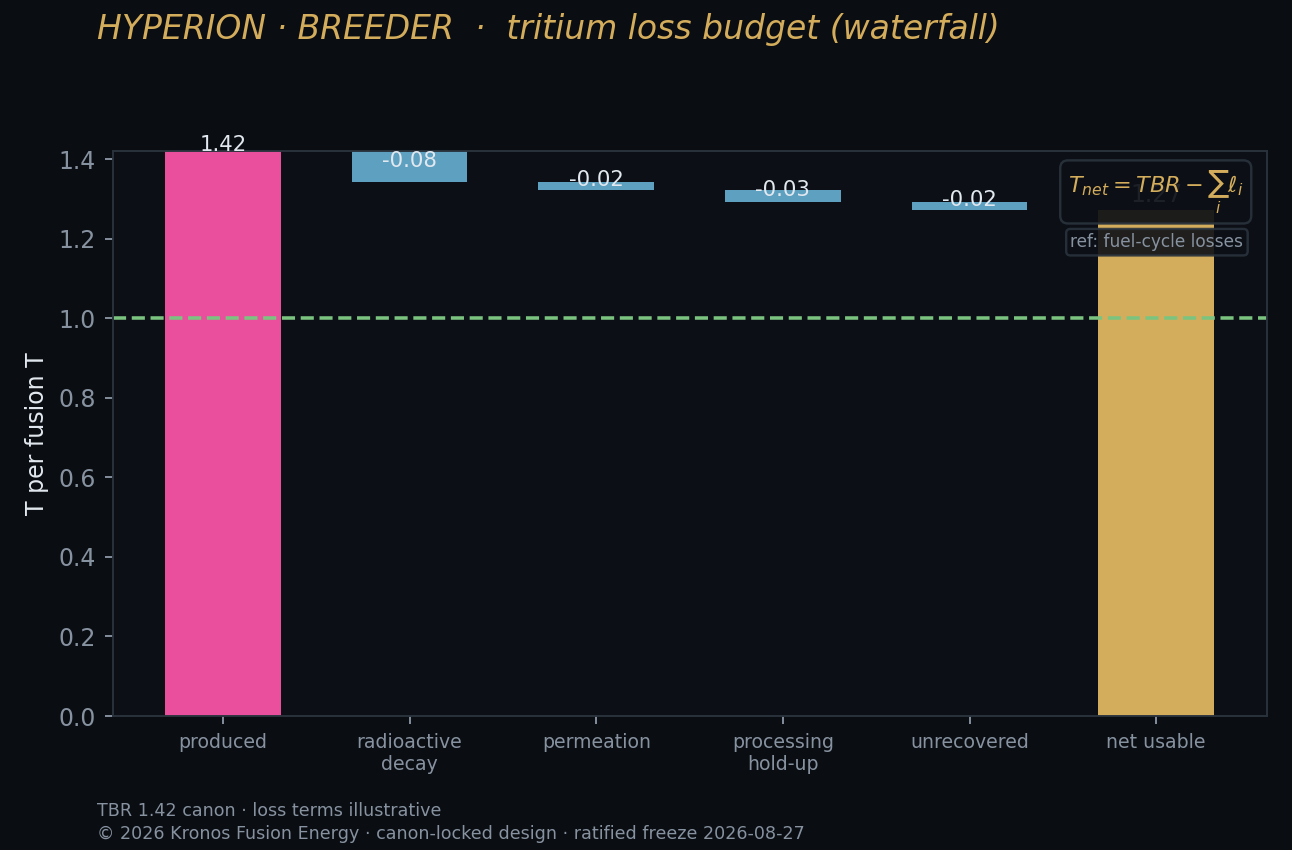
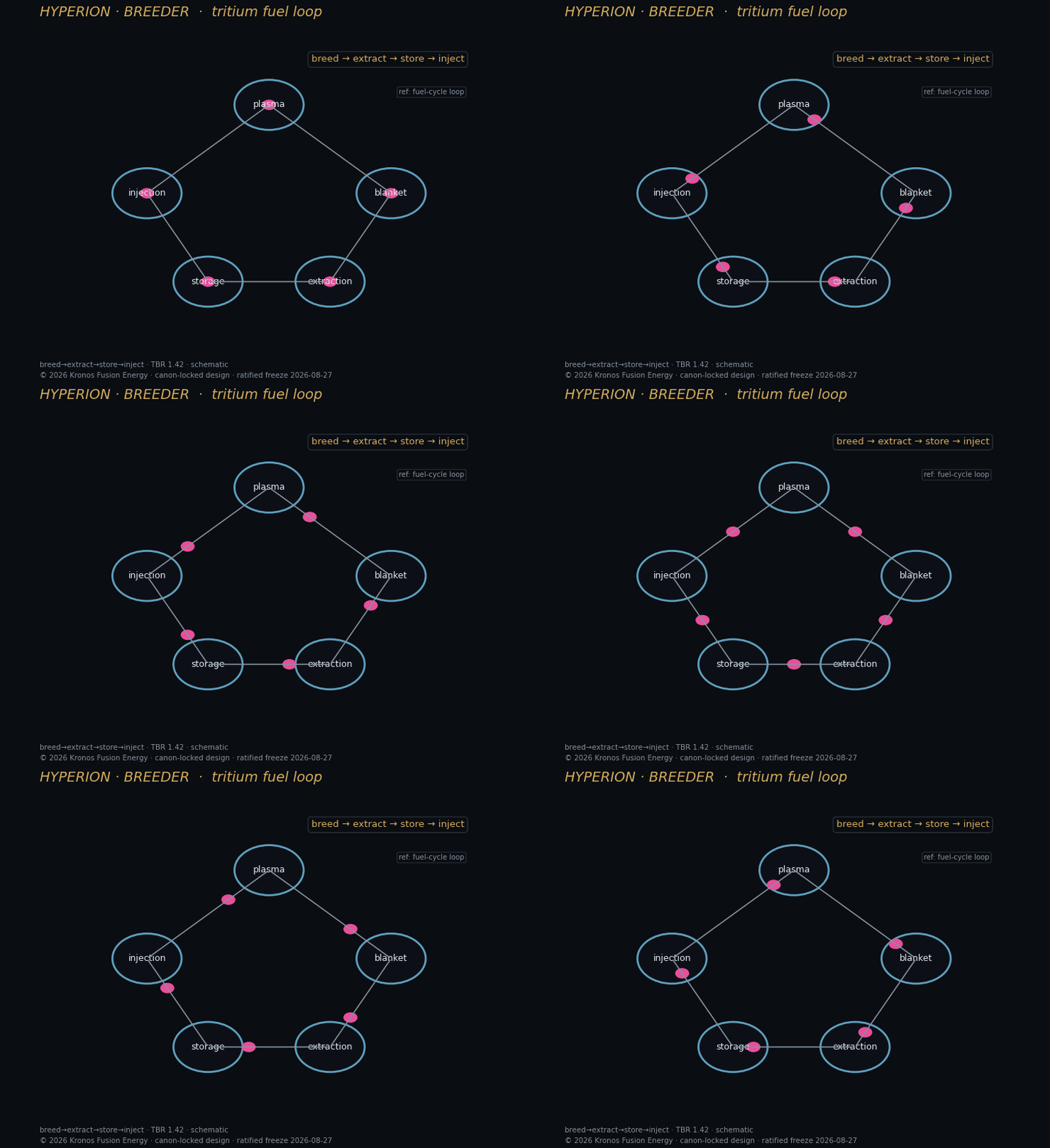
Tritium fuel cycle — breed-and-return balance, inventory evolution, breeding-ratio sensitivity and doubling time toward self-sufficiency.
E · Mirror physics
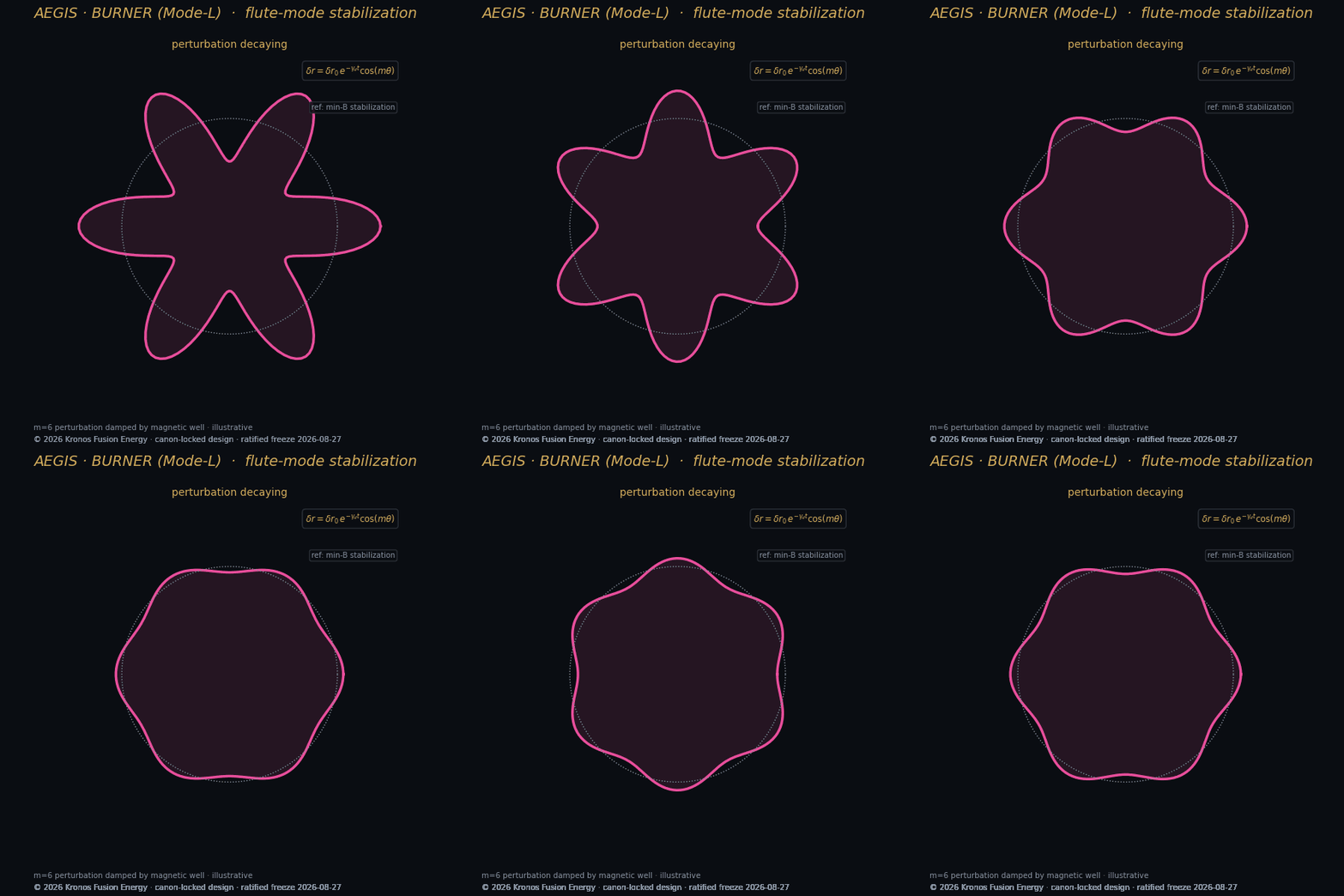
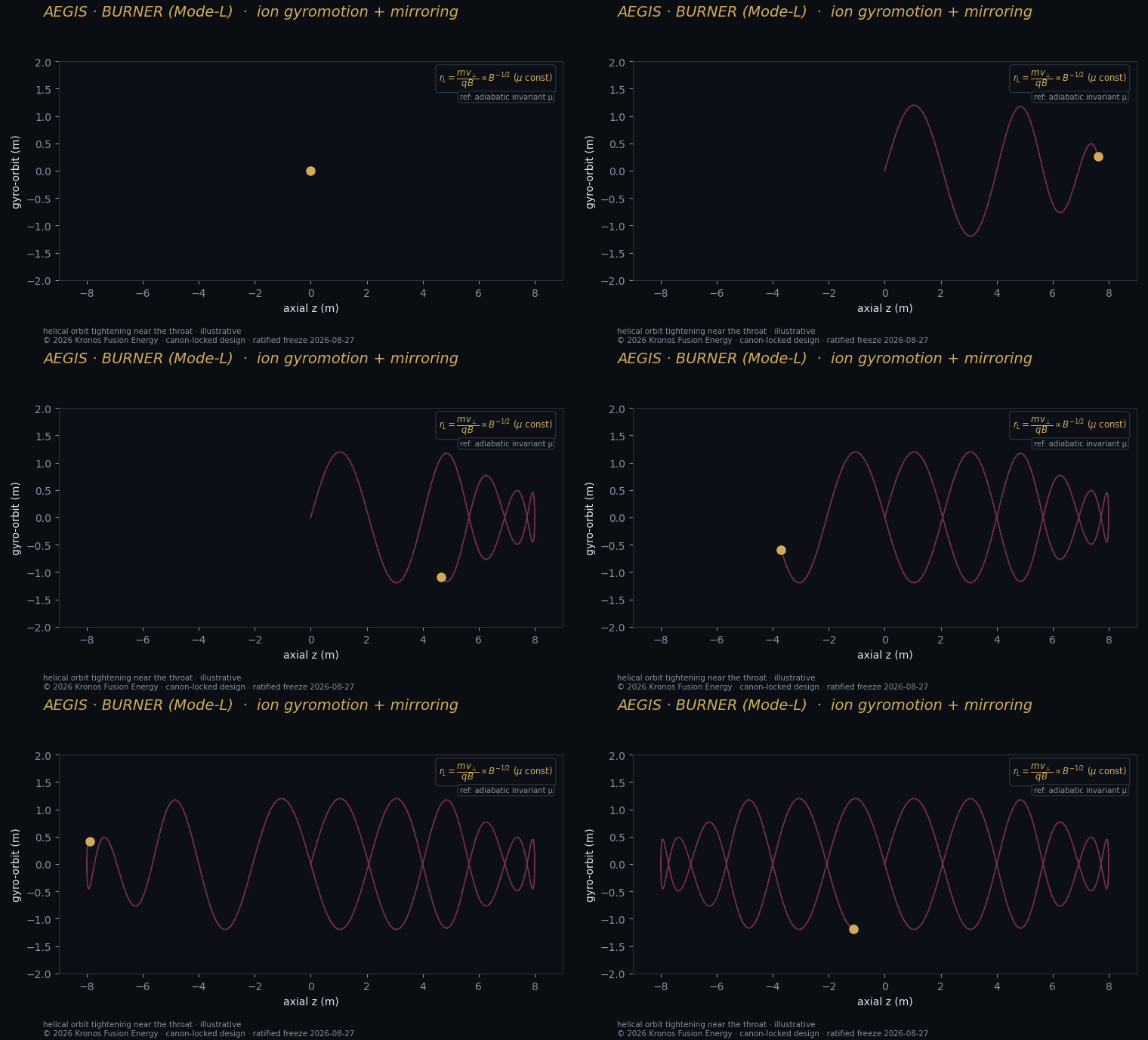
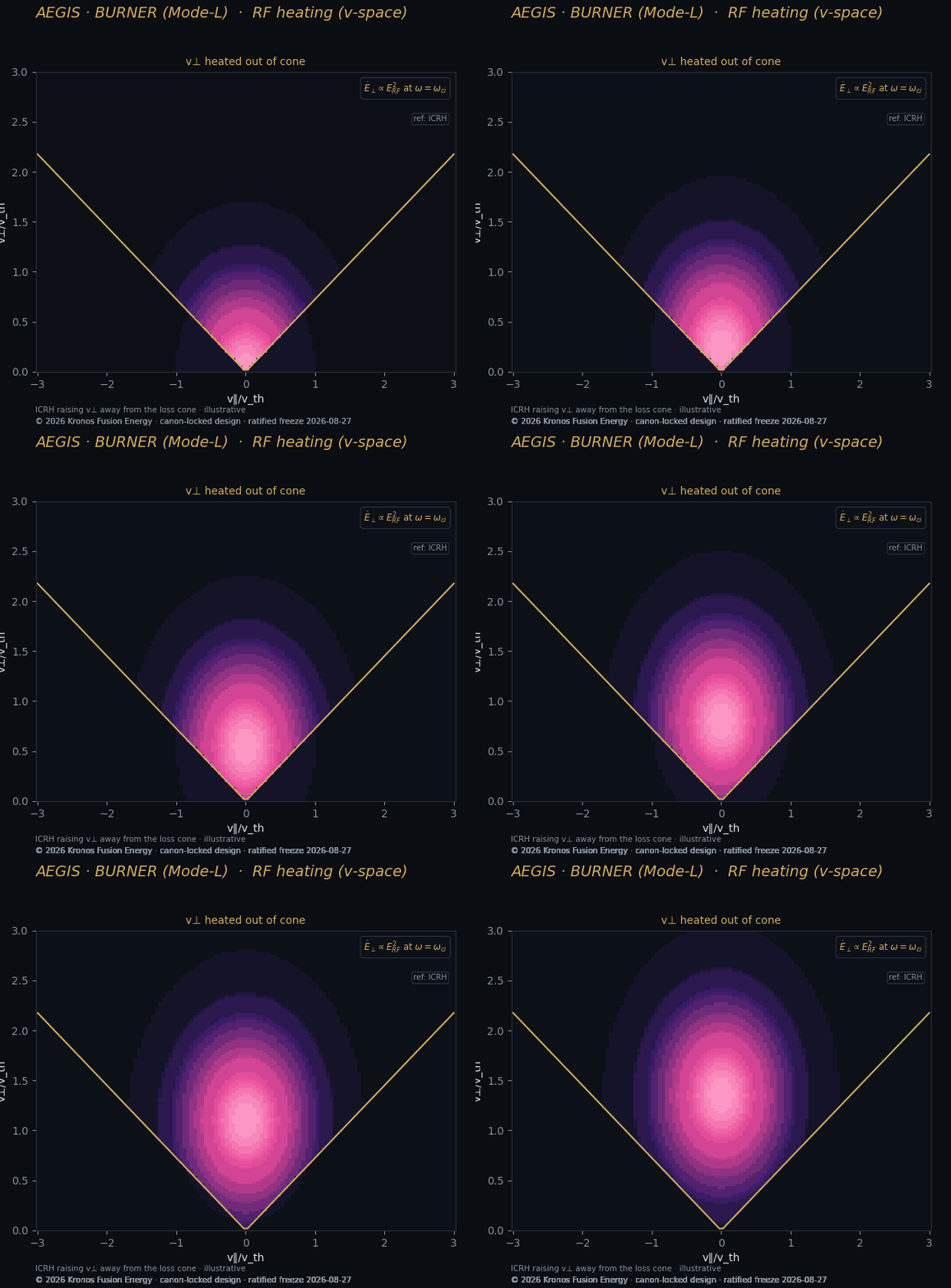
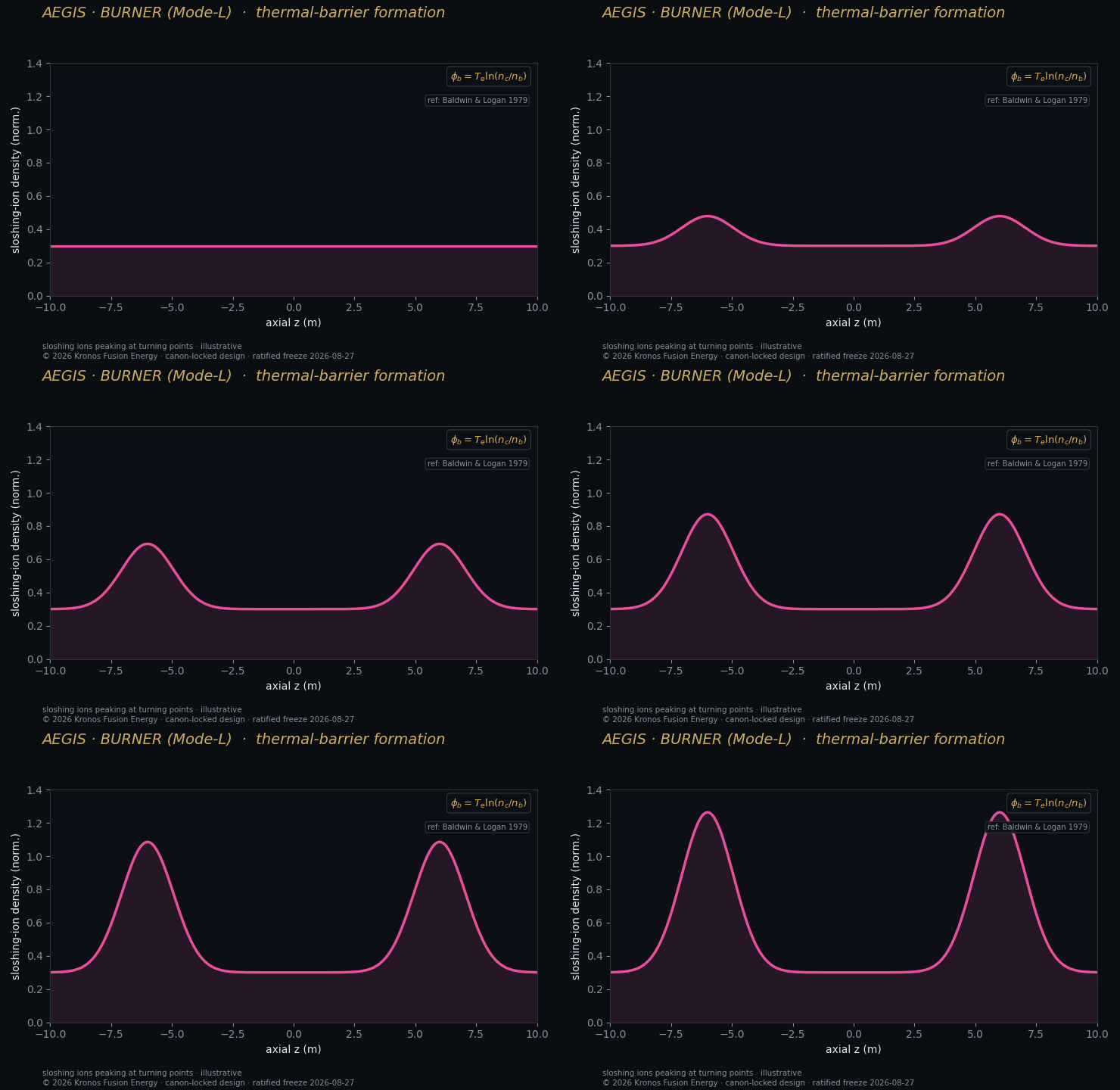
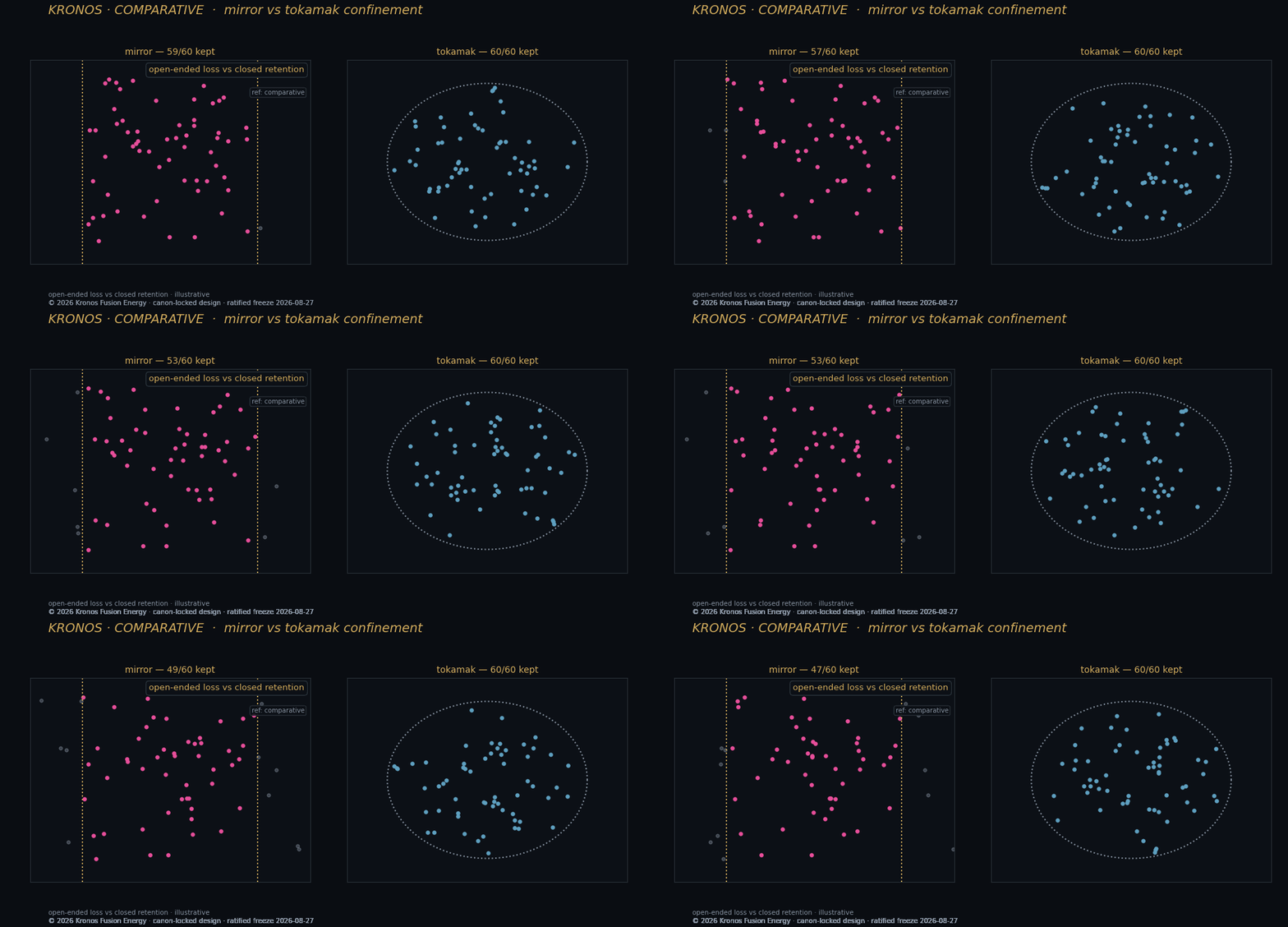
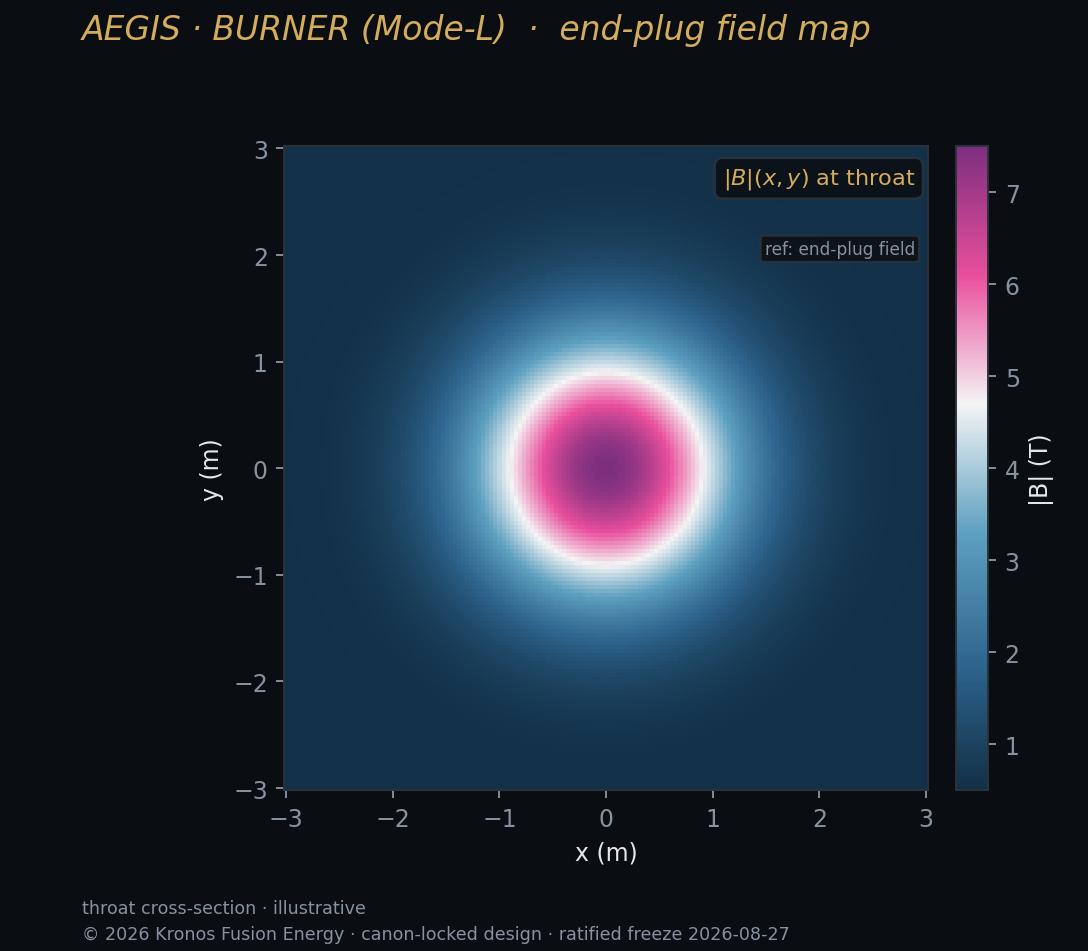
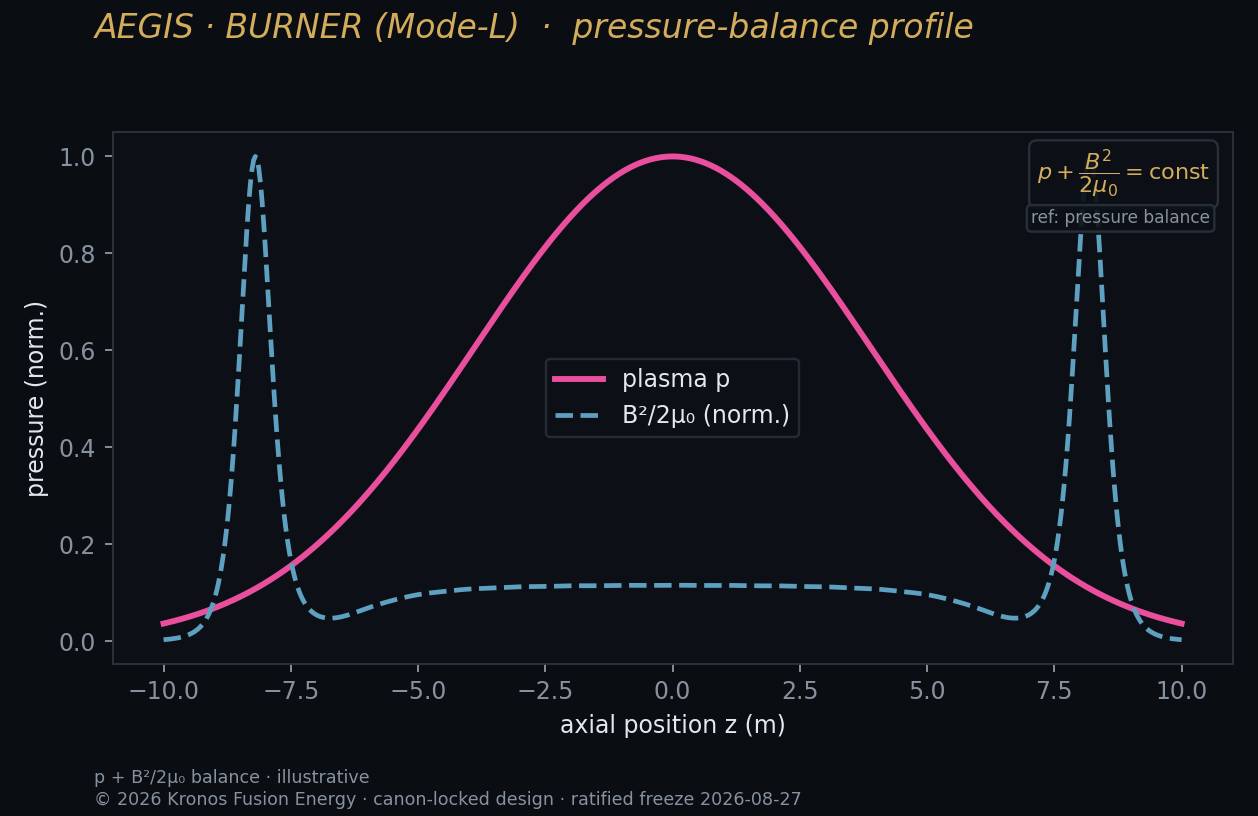
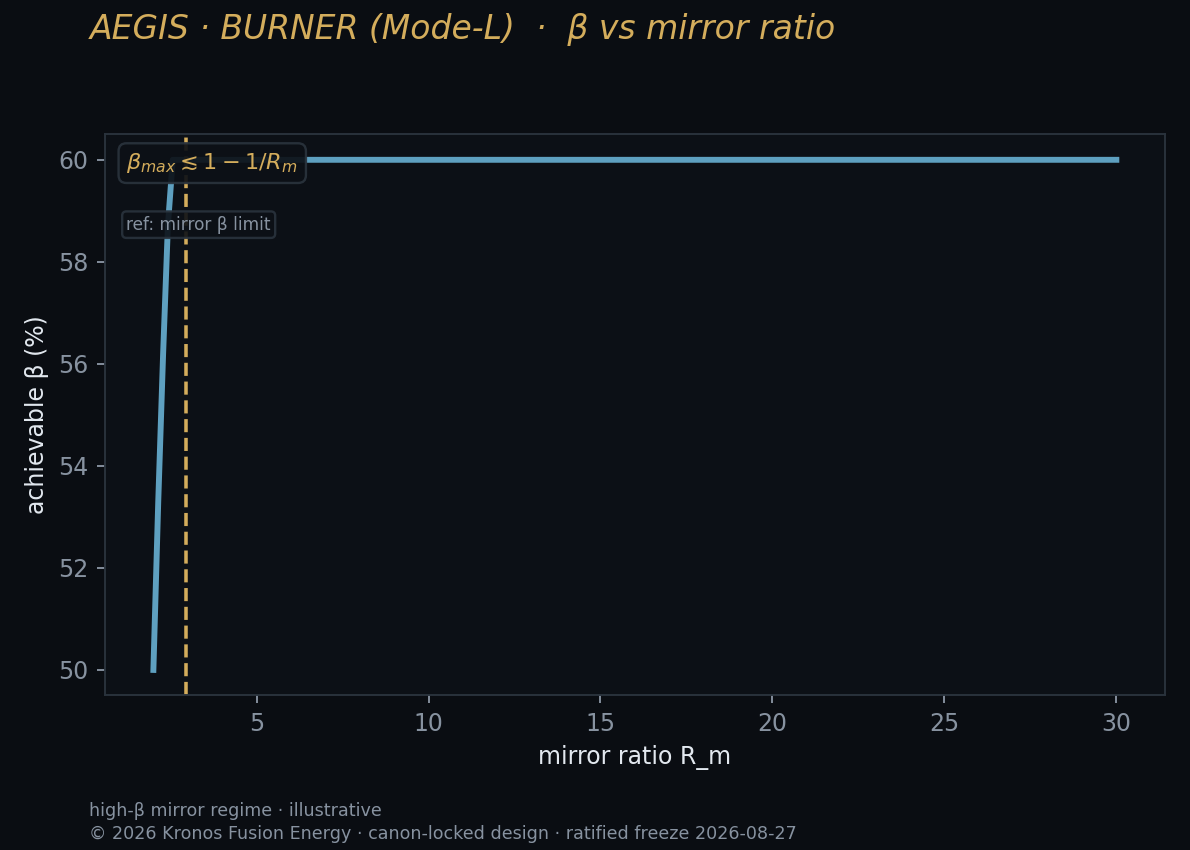
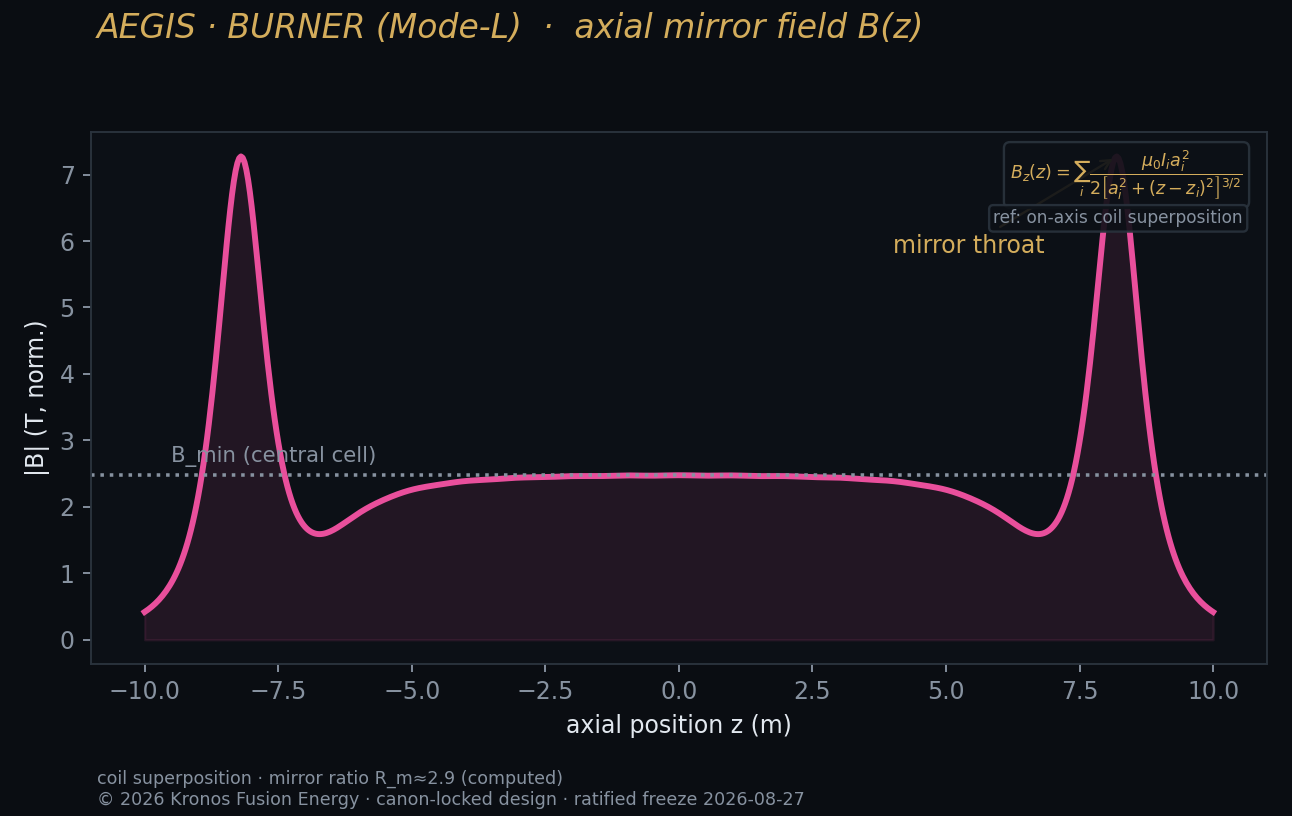
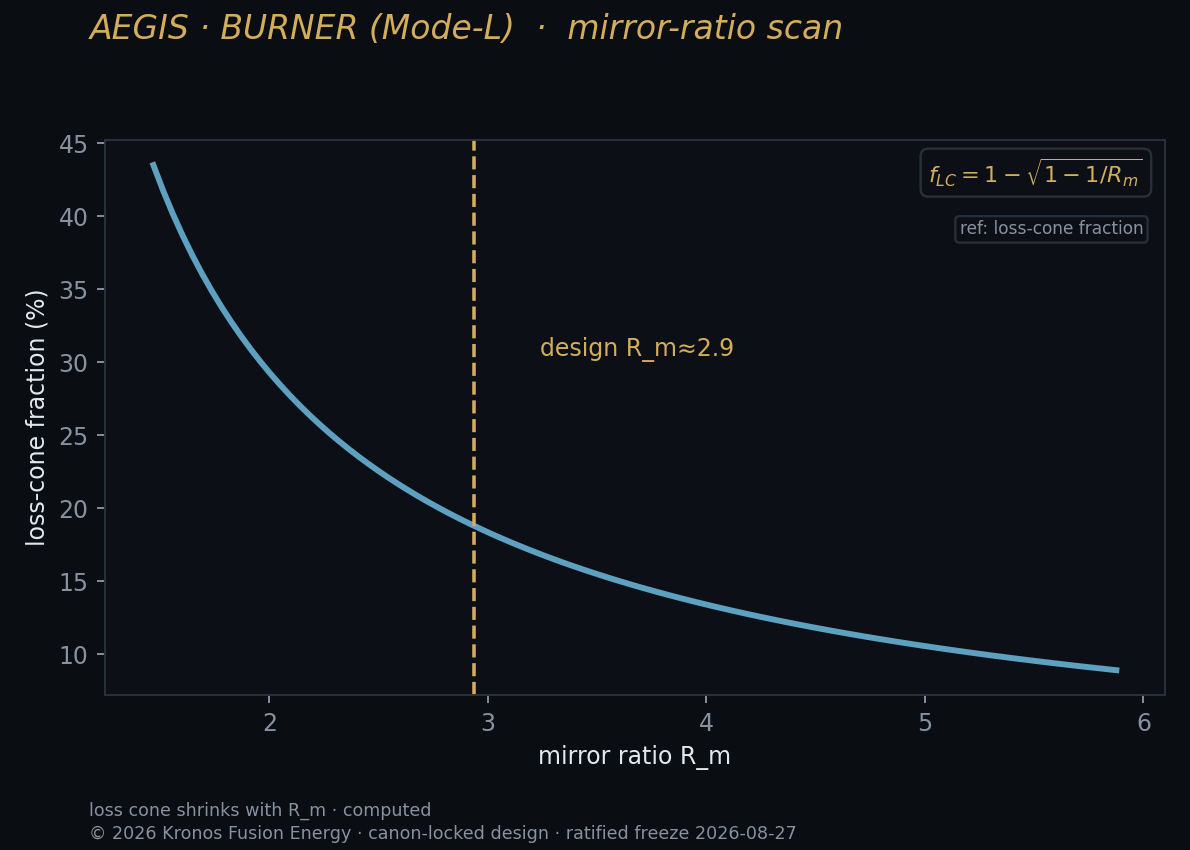
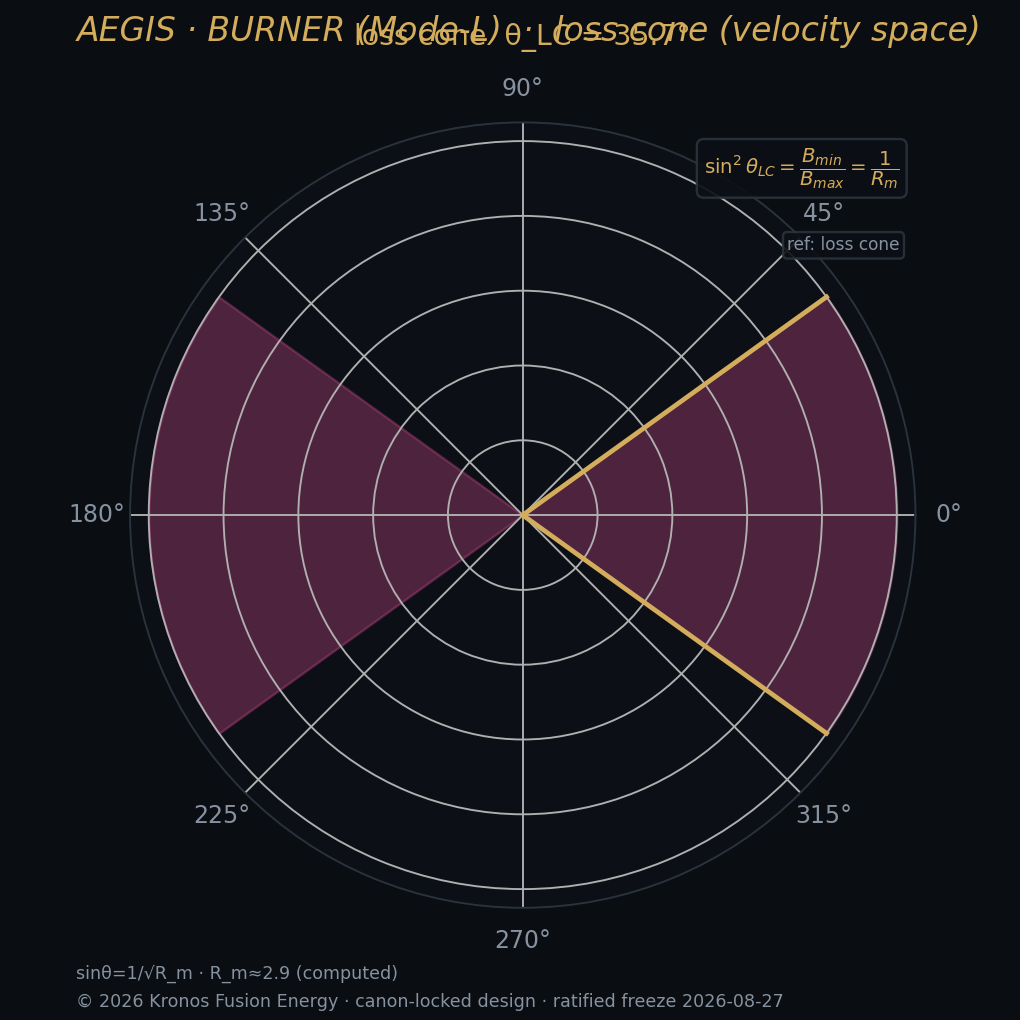
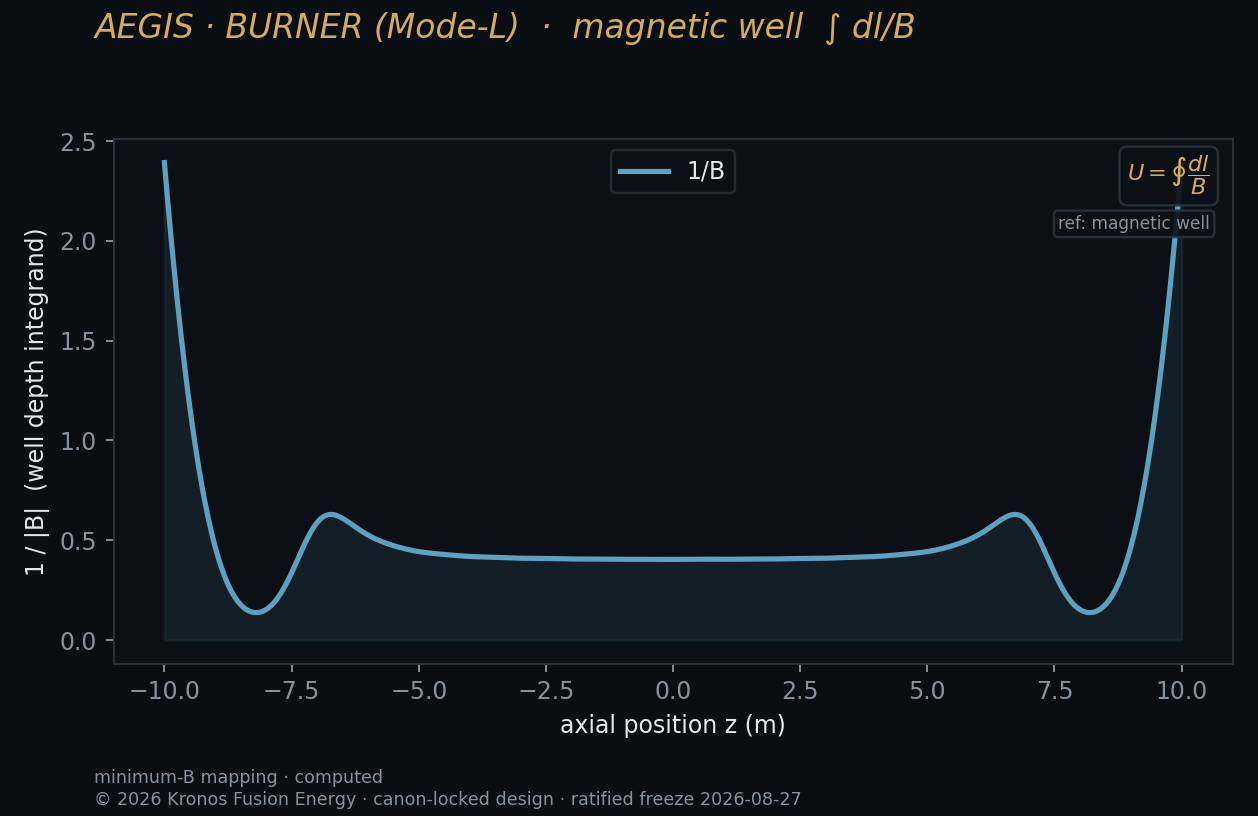
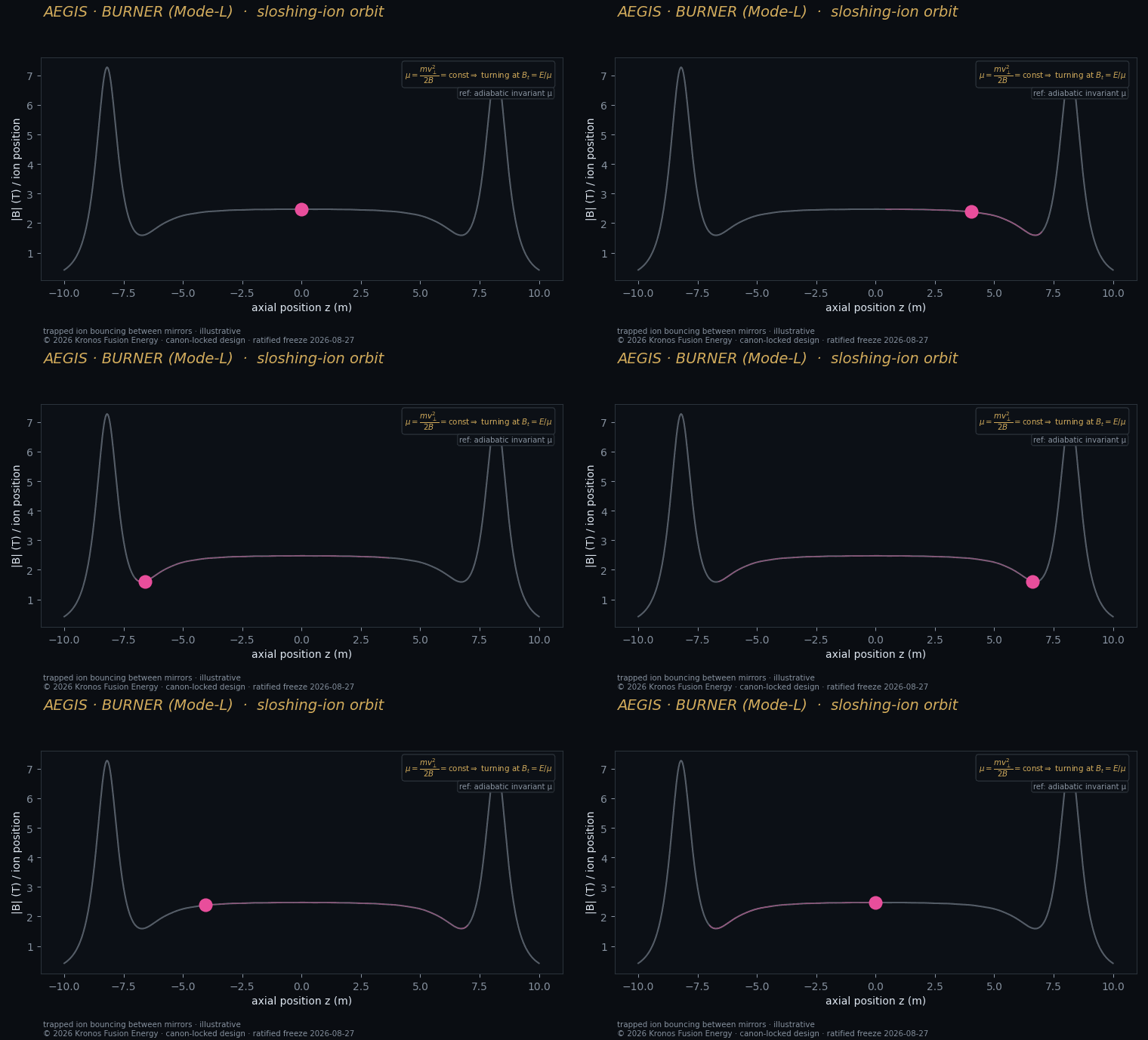
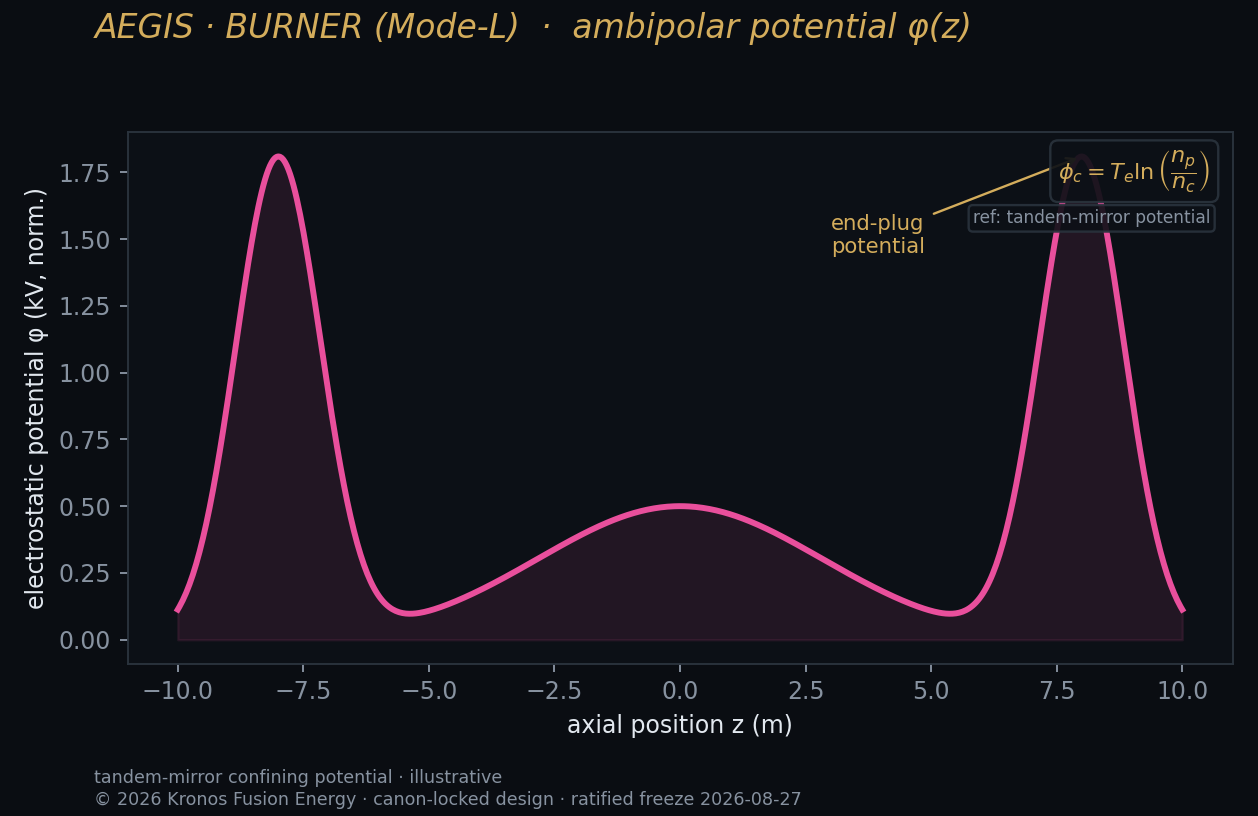
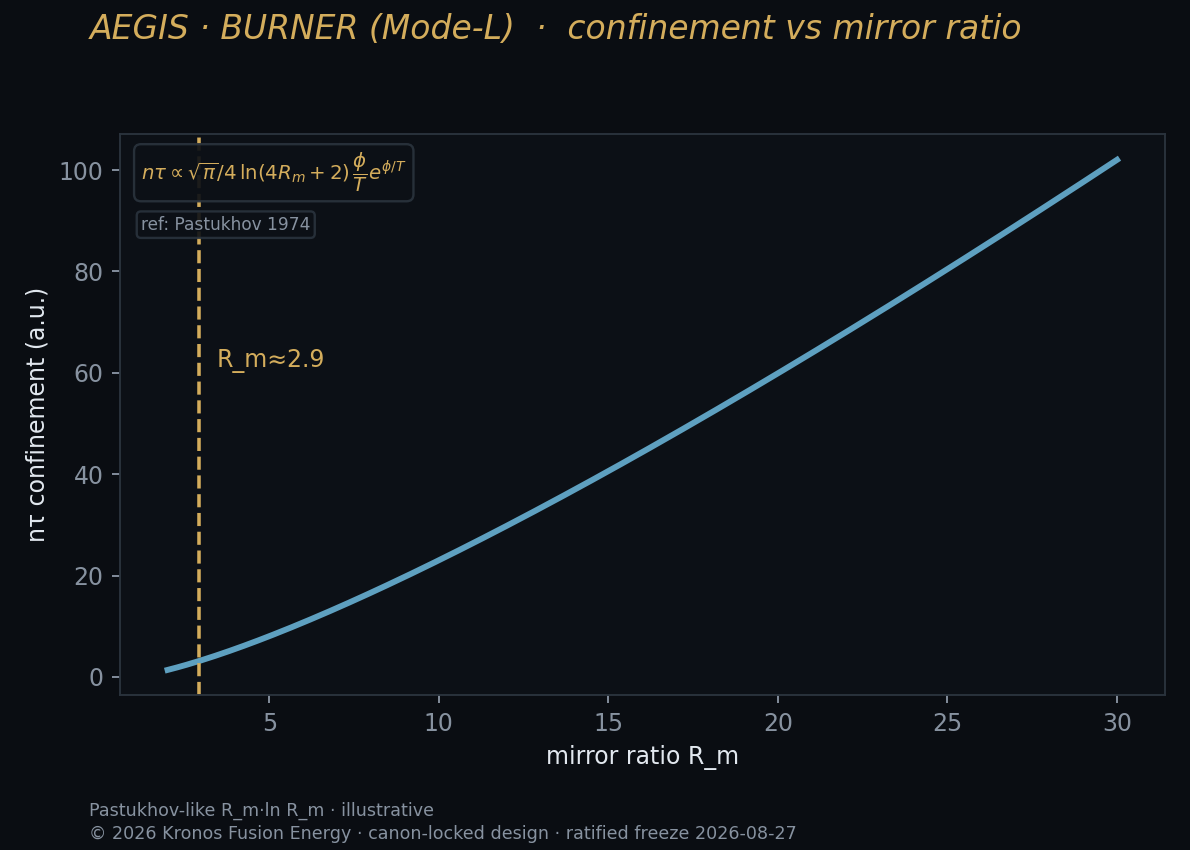
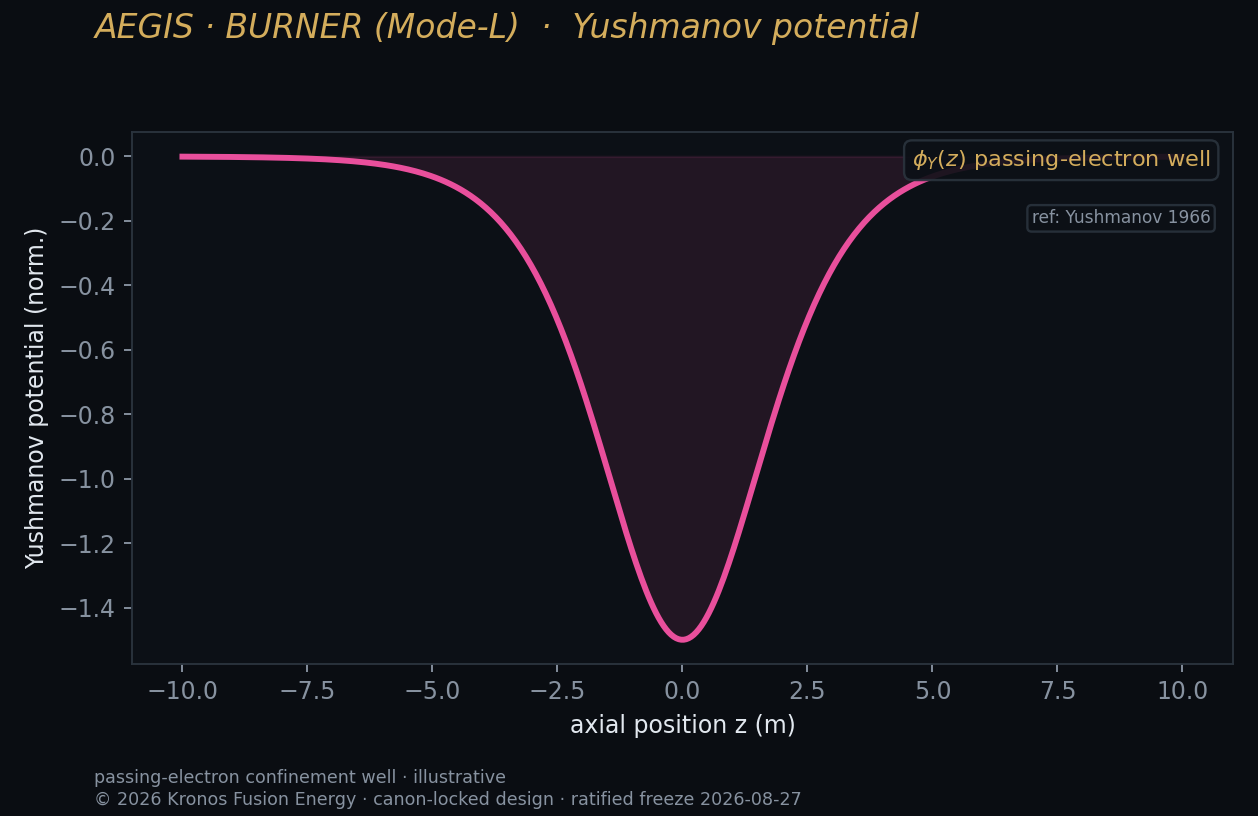
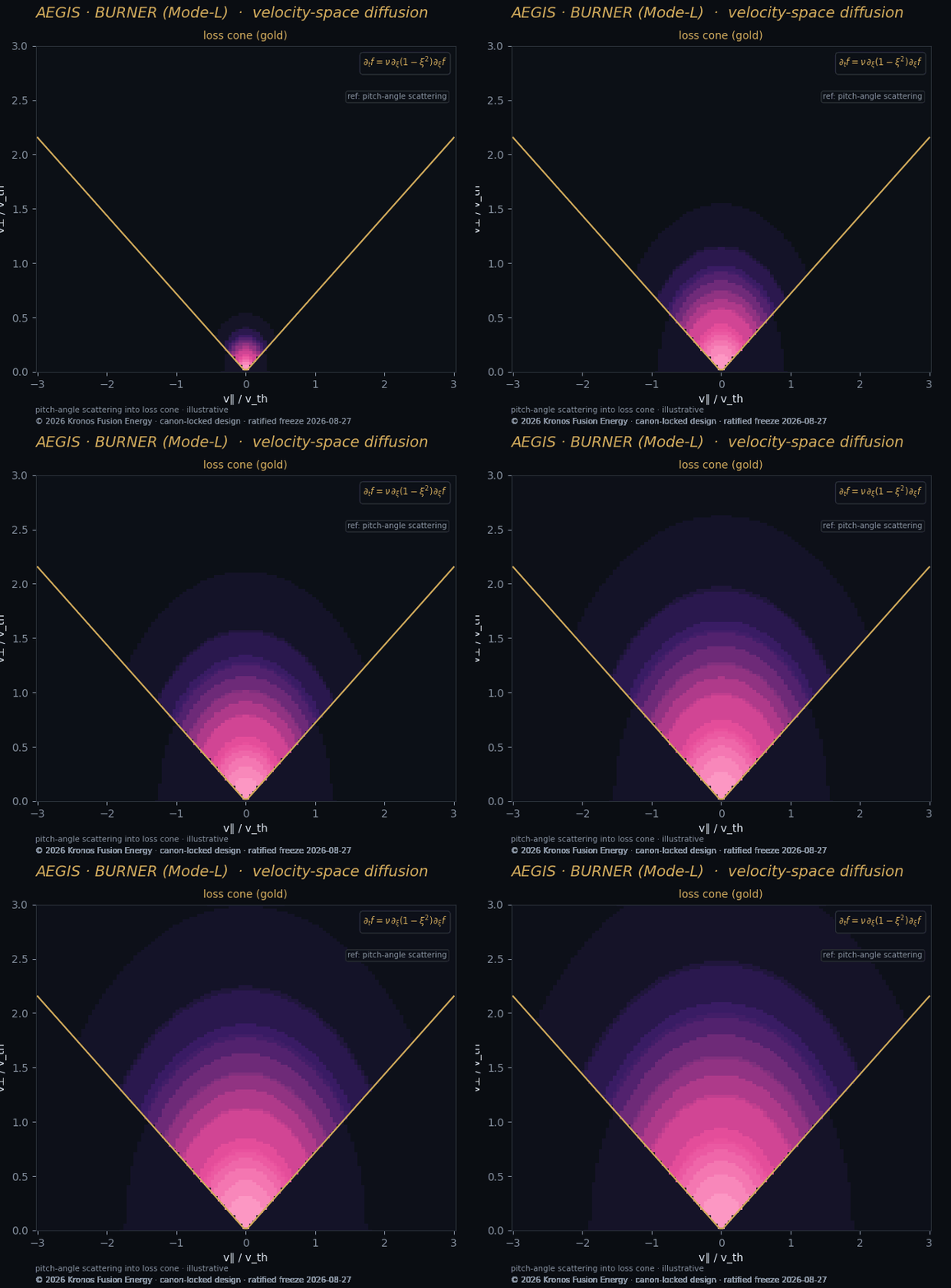
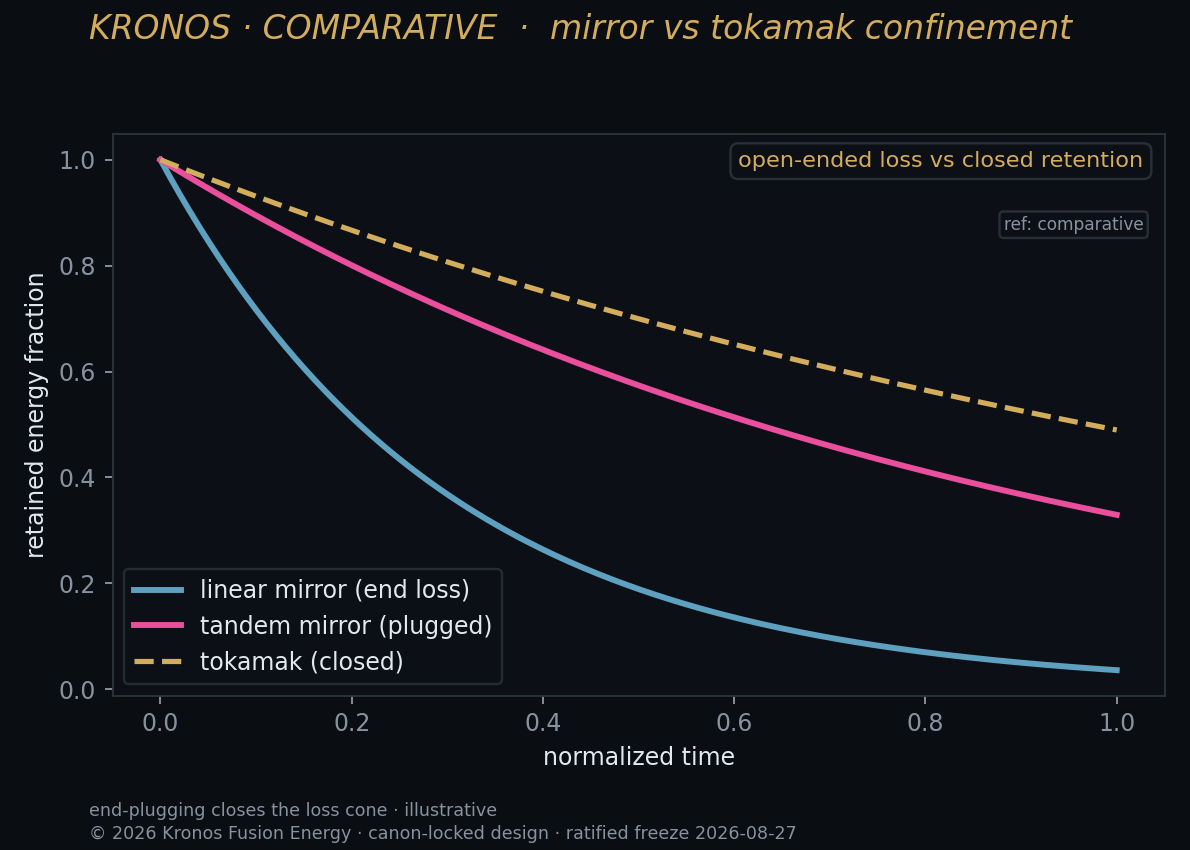
Magnetic-mirror physics — axial field profiles, mirror ratio, the velocity-space loss cone, magnetic well, sloshing-ion orbits and the ambipolar potential.
F · Direct conversion
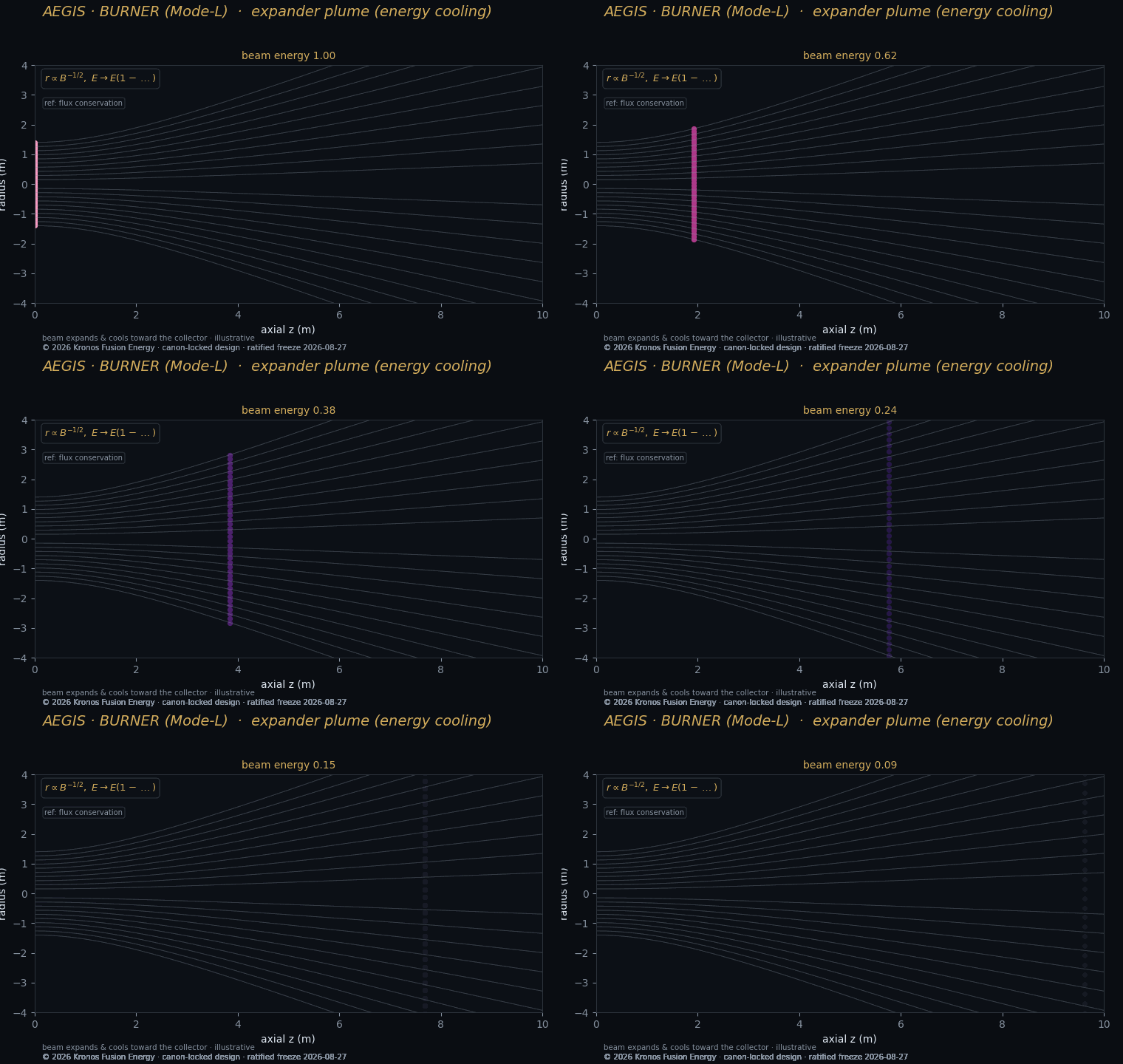
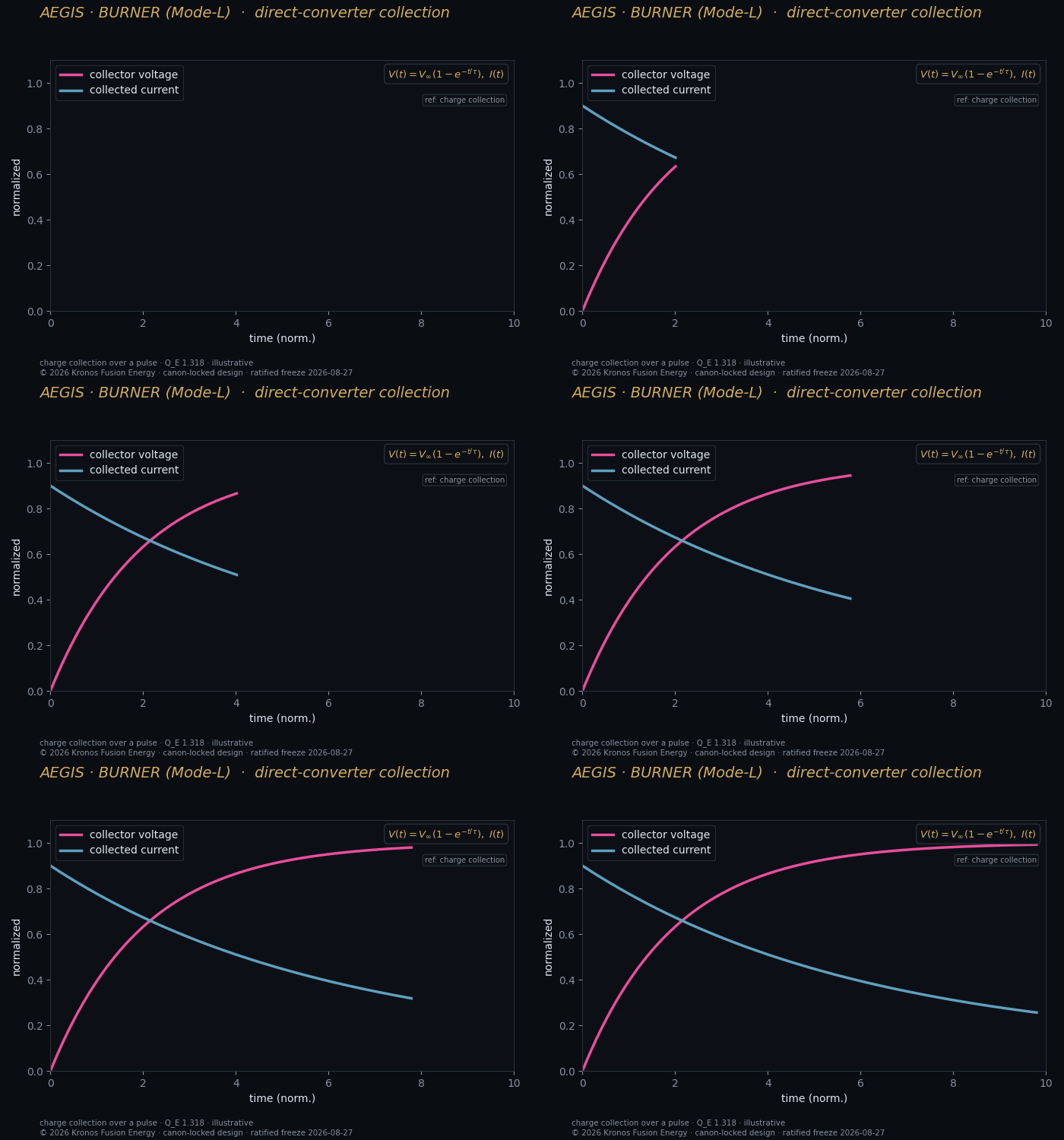
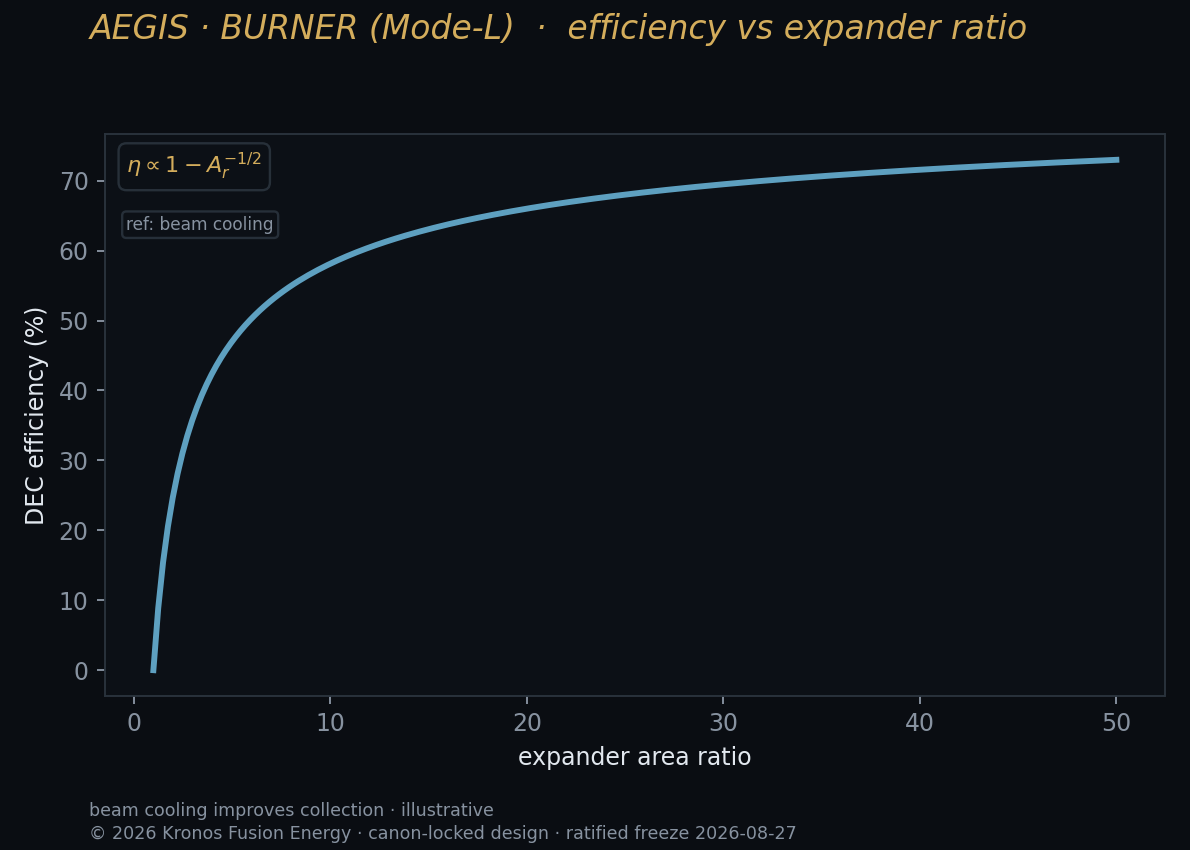
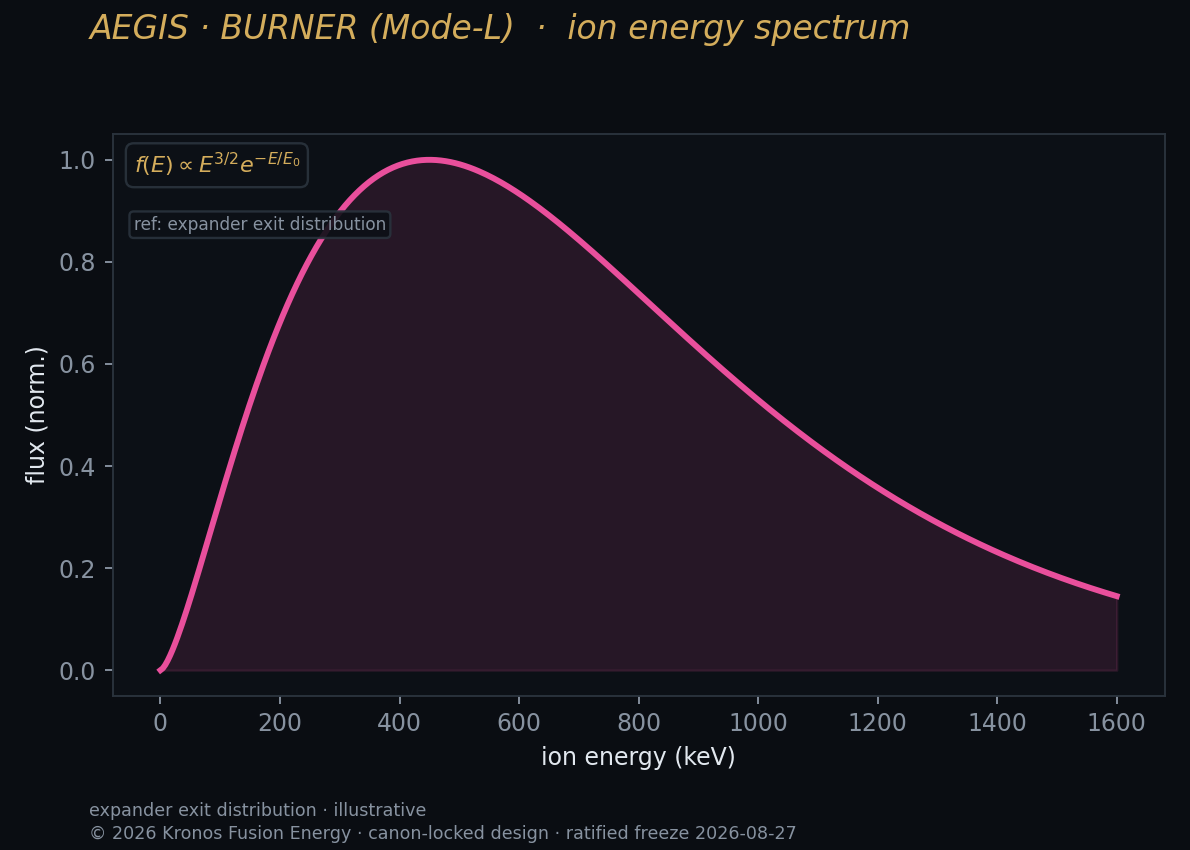
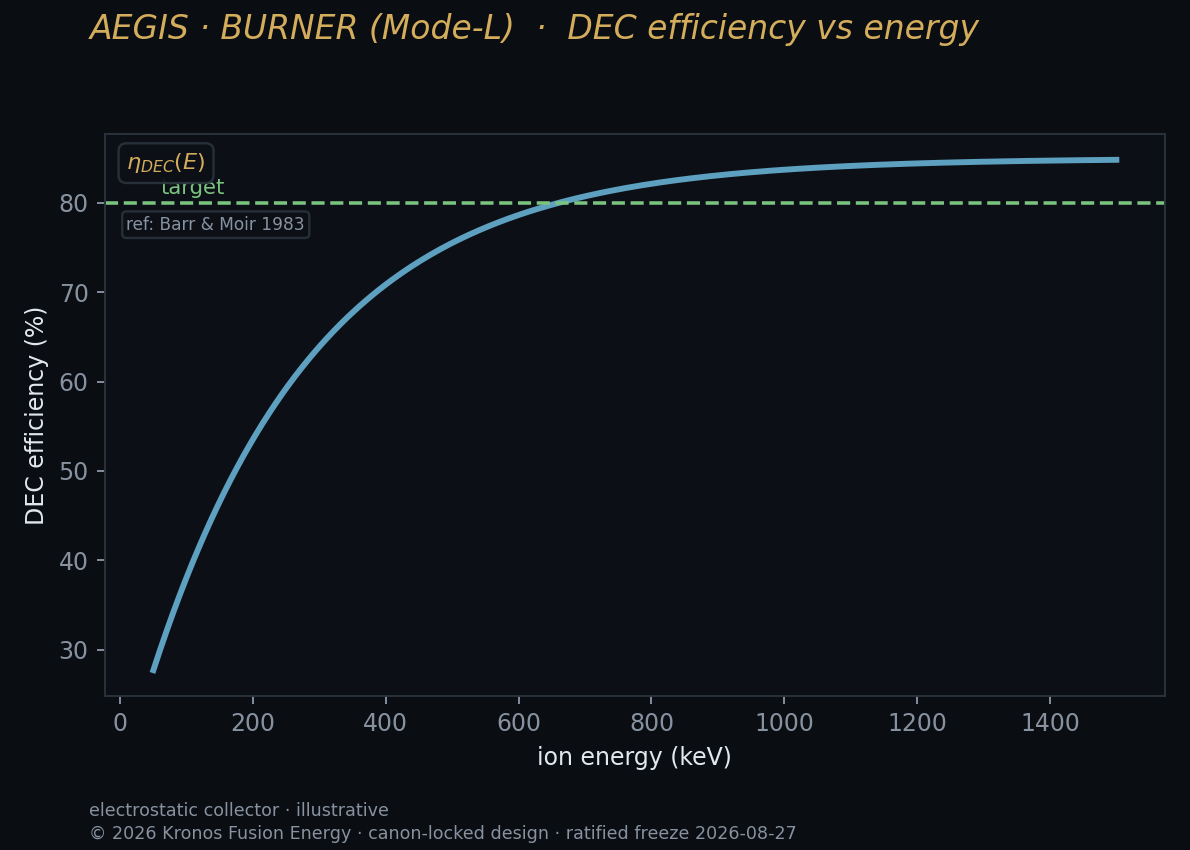
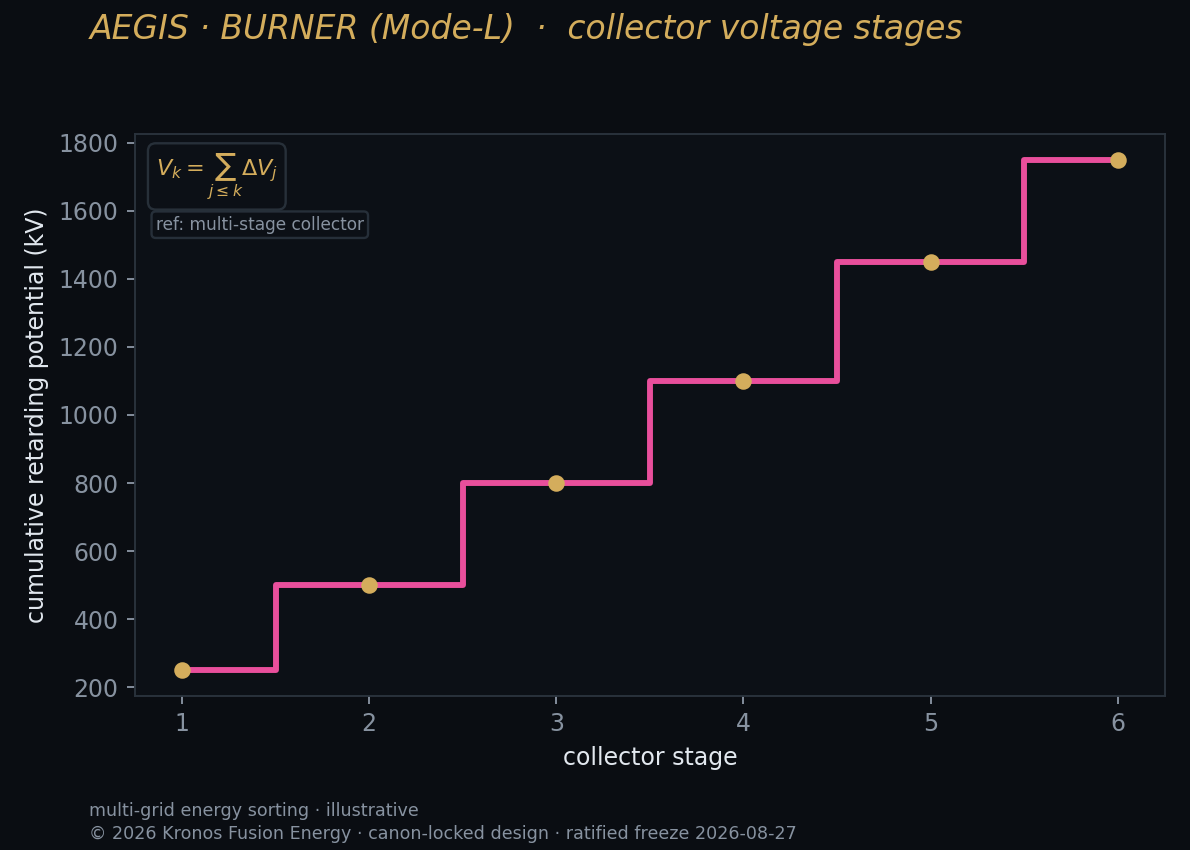
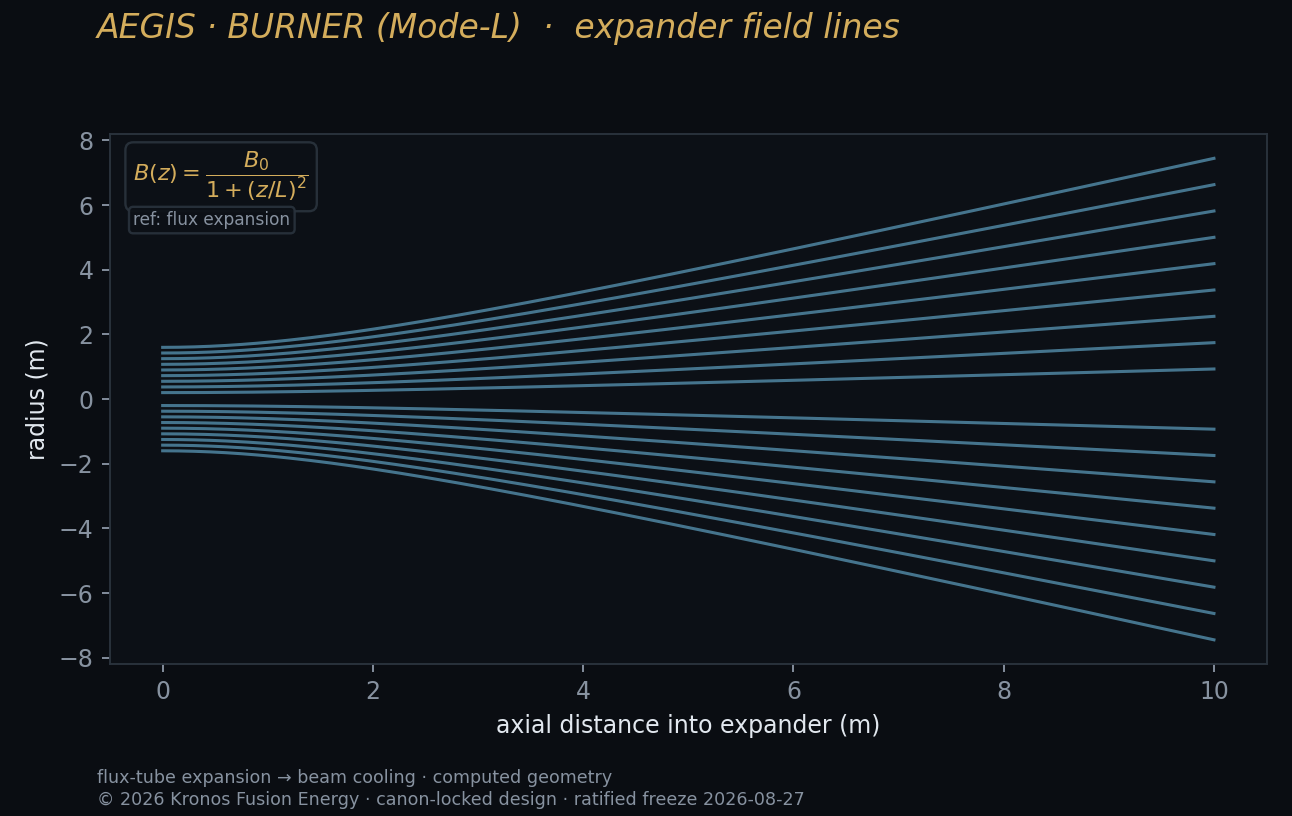
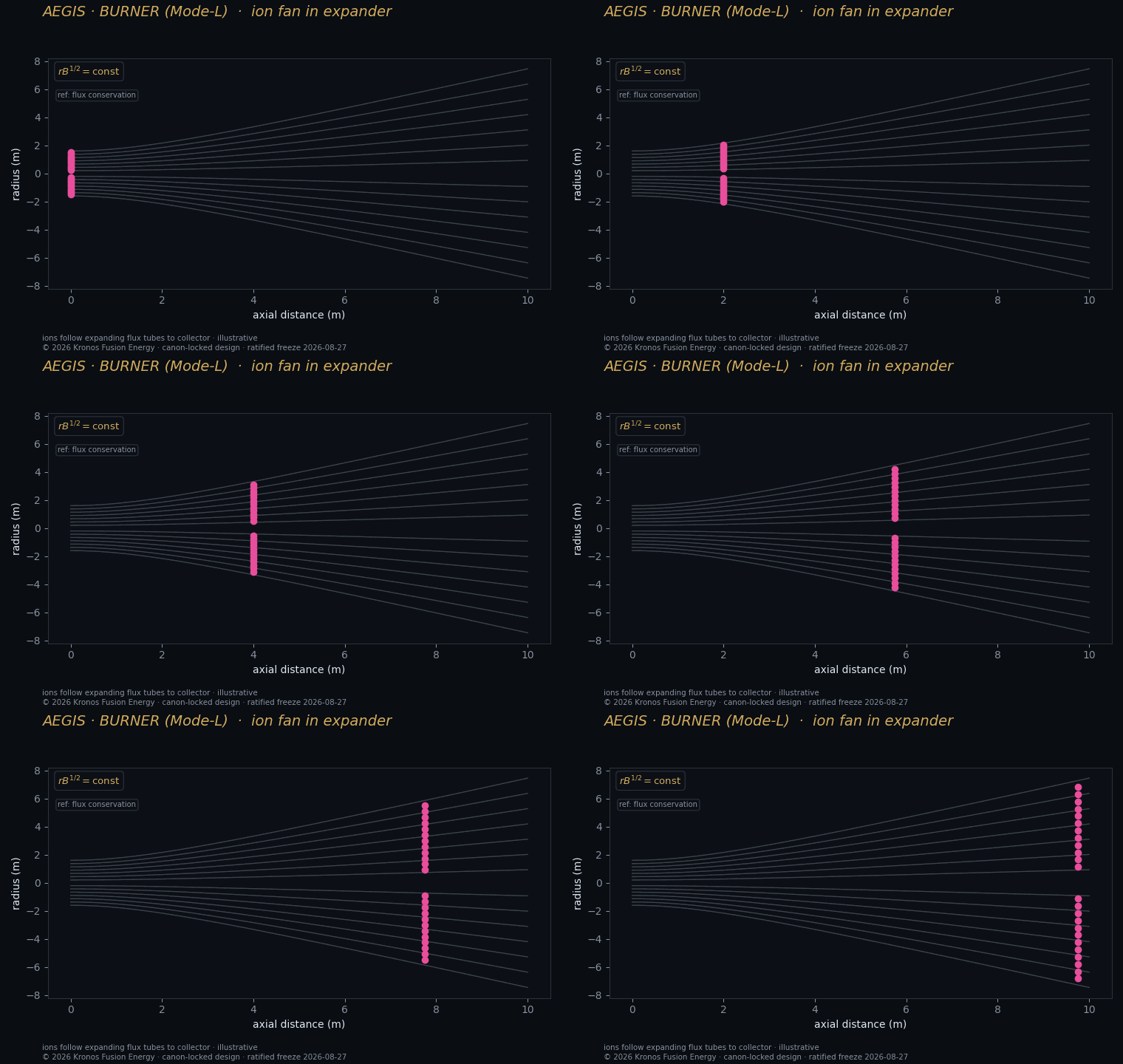
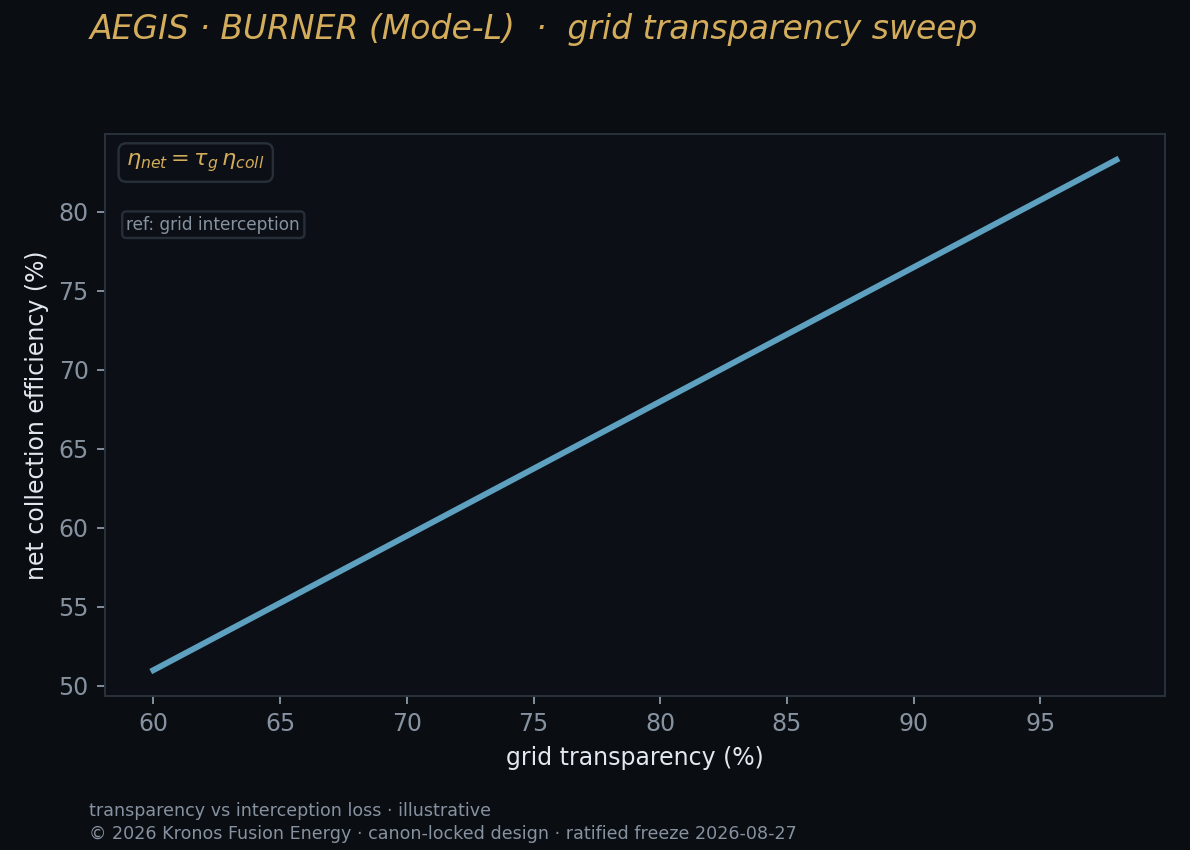
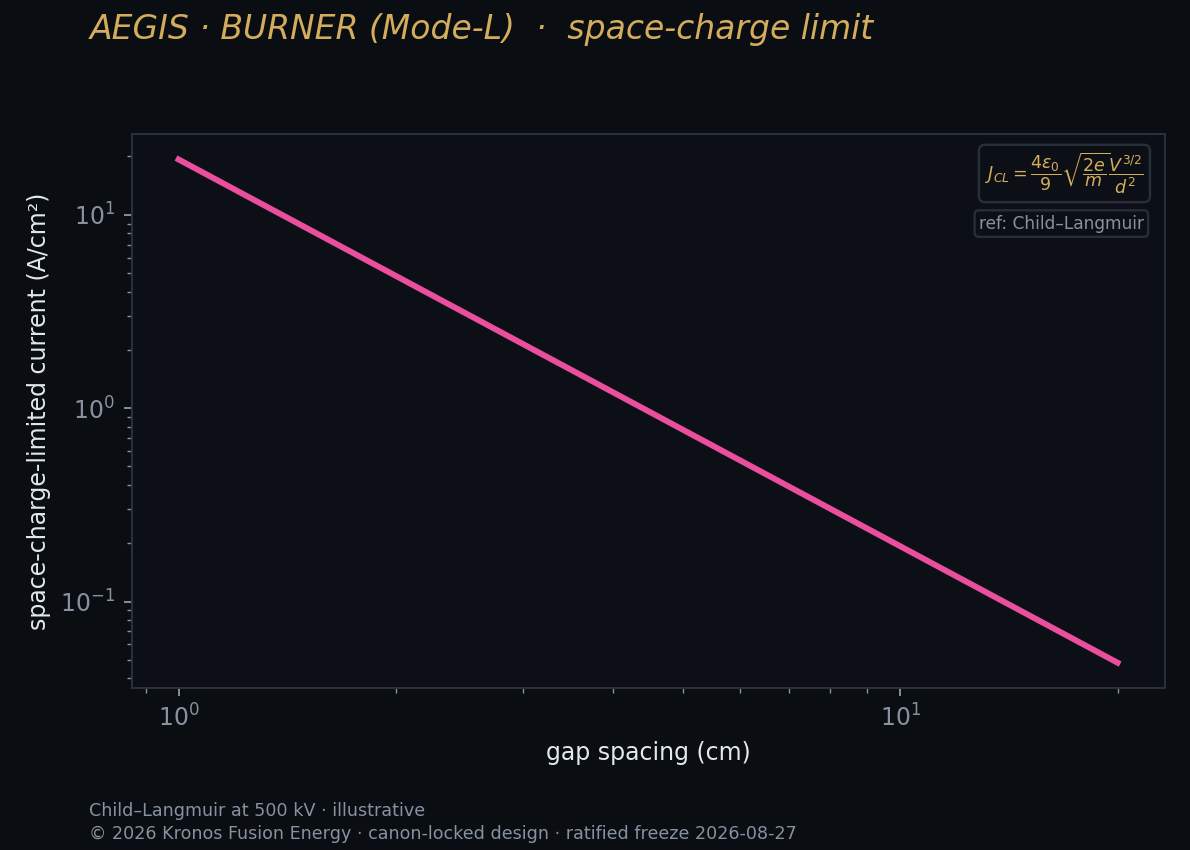
Direct energy conversion — ion energy spectra, collector efficiency, voltage stages and the expander that turns charged fusion products into electricity without steam.
G · Power balance
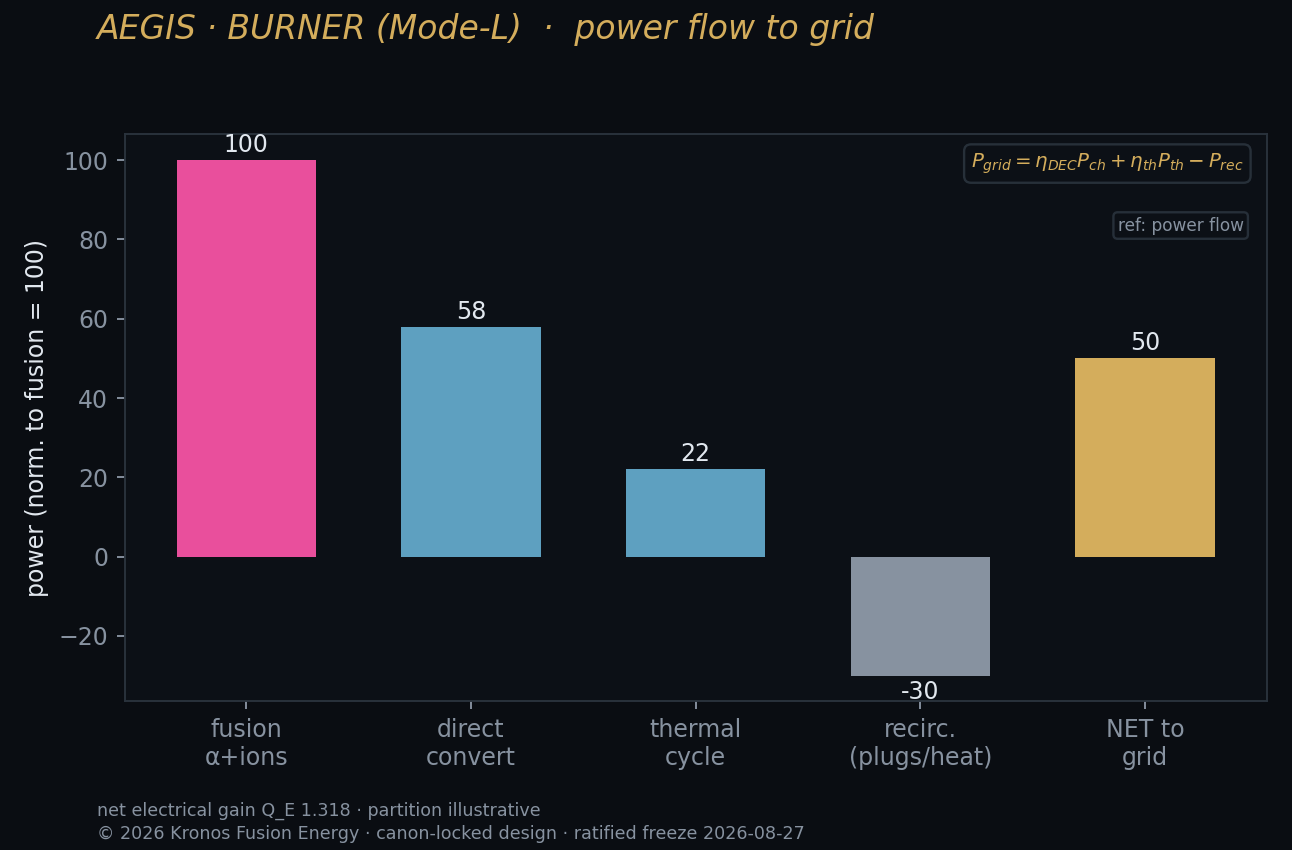
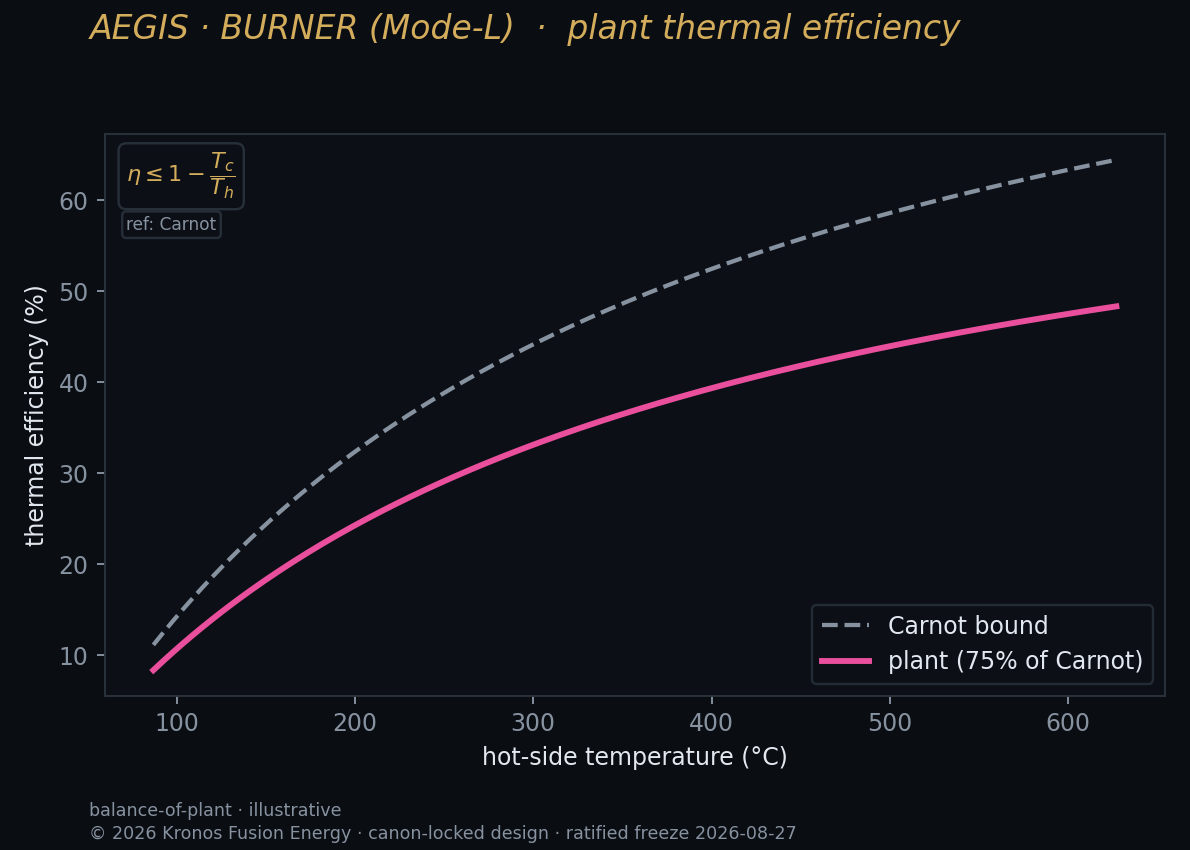
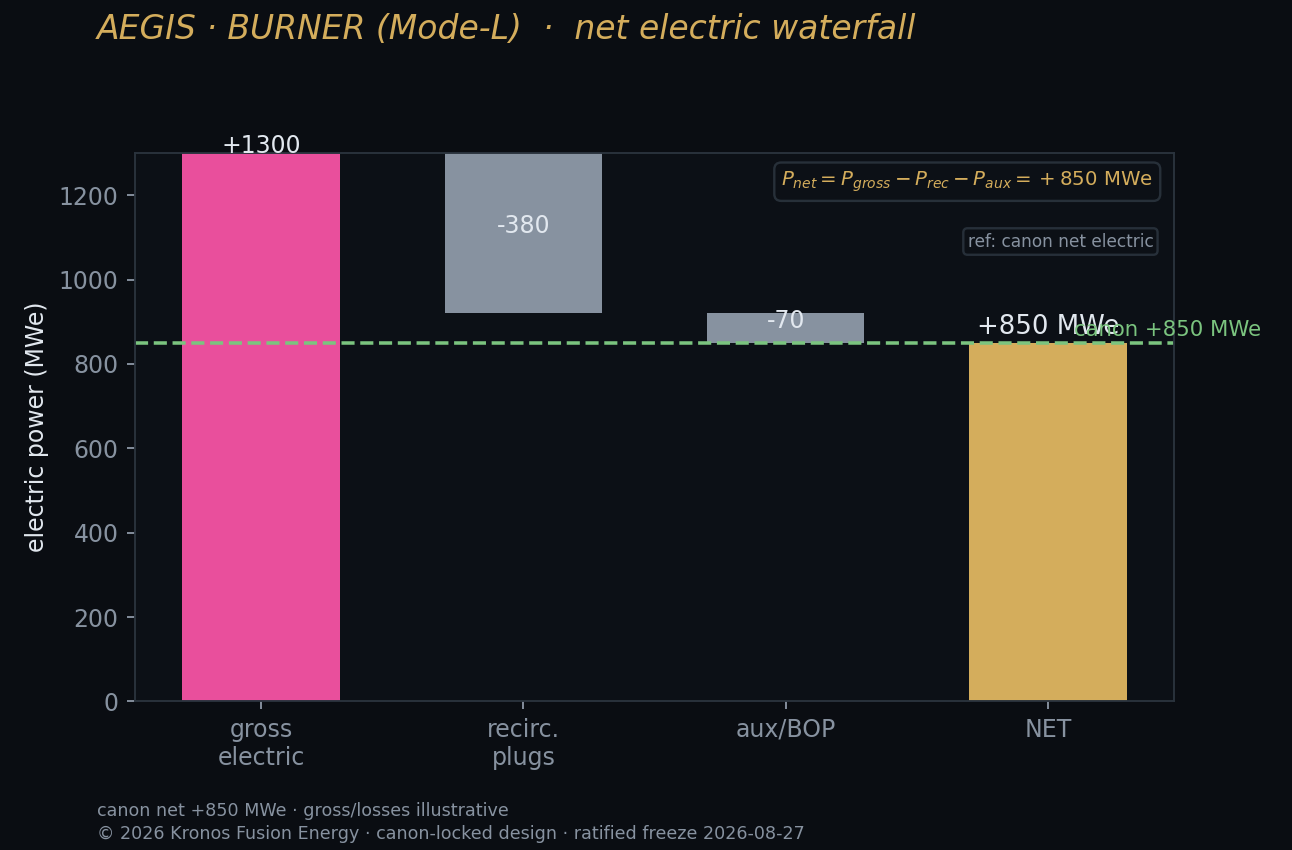
Power balance — energy Sankey diagrams, scientific and engineering gain, recirculating power and net electric output.
H · Materials & magnets
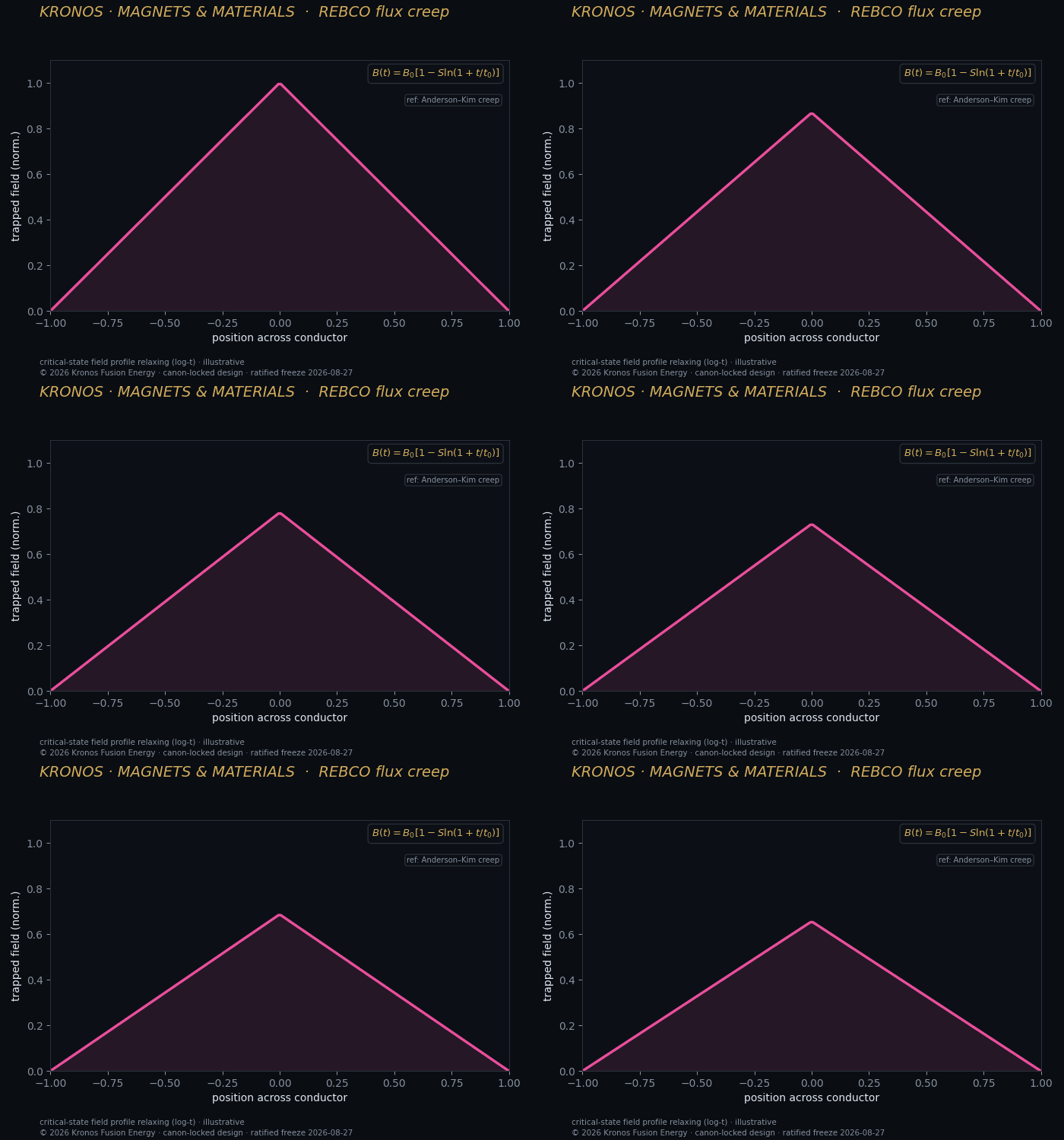
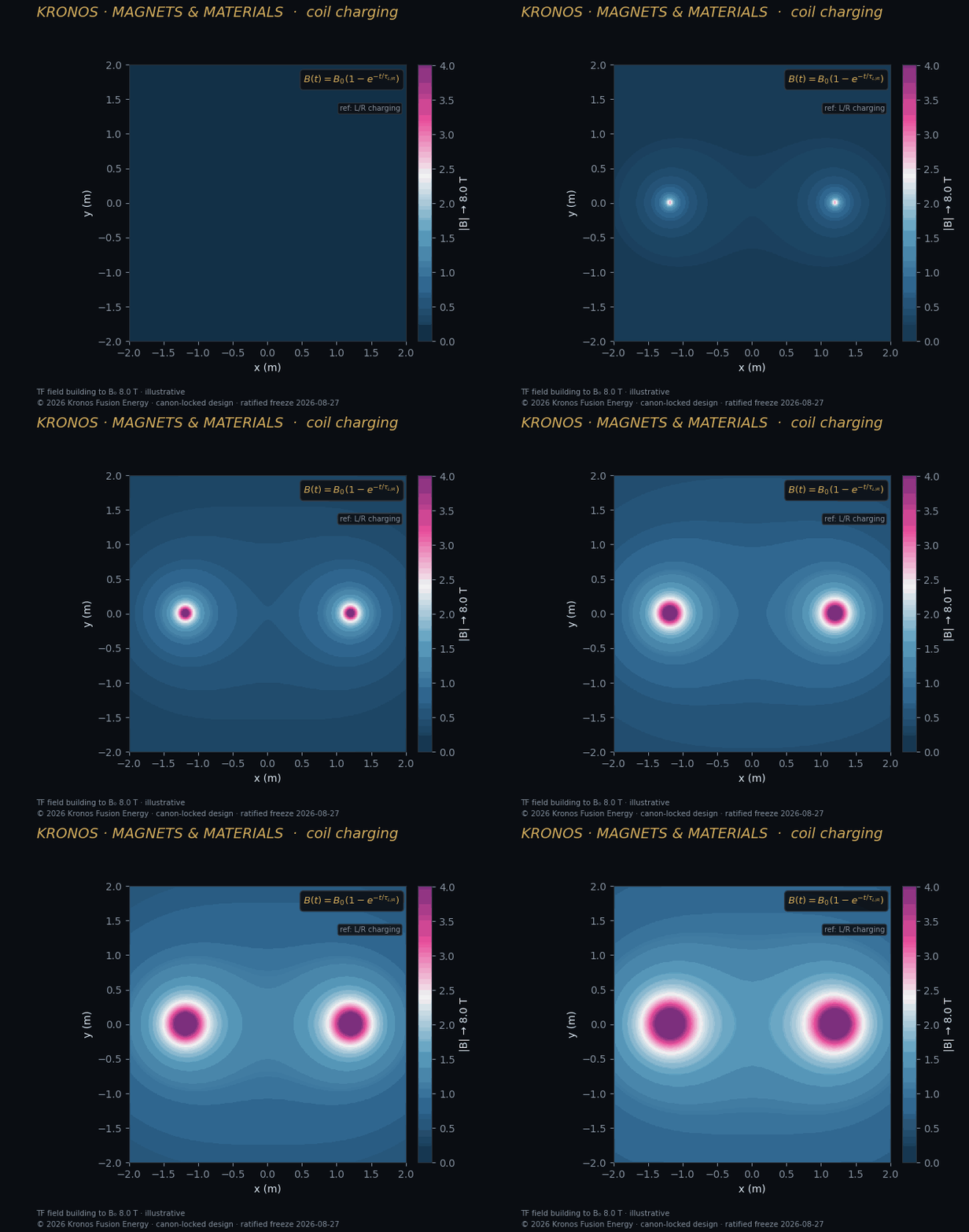
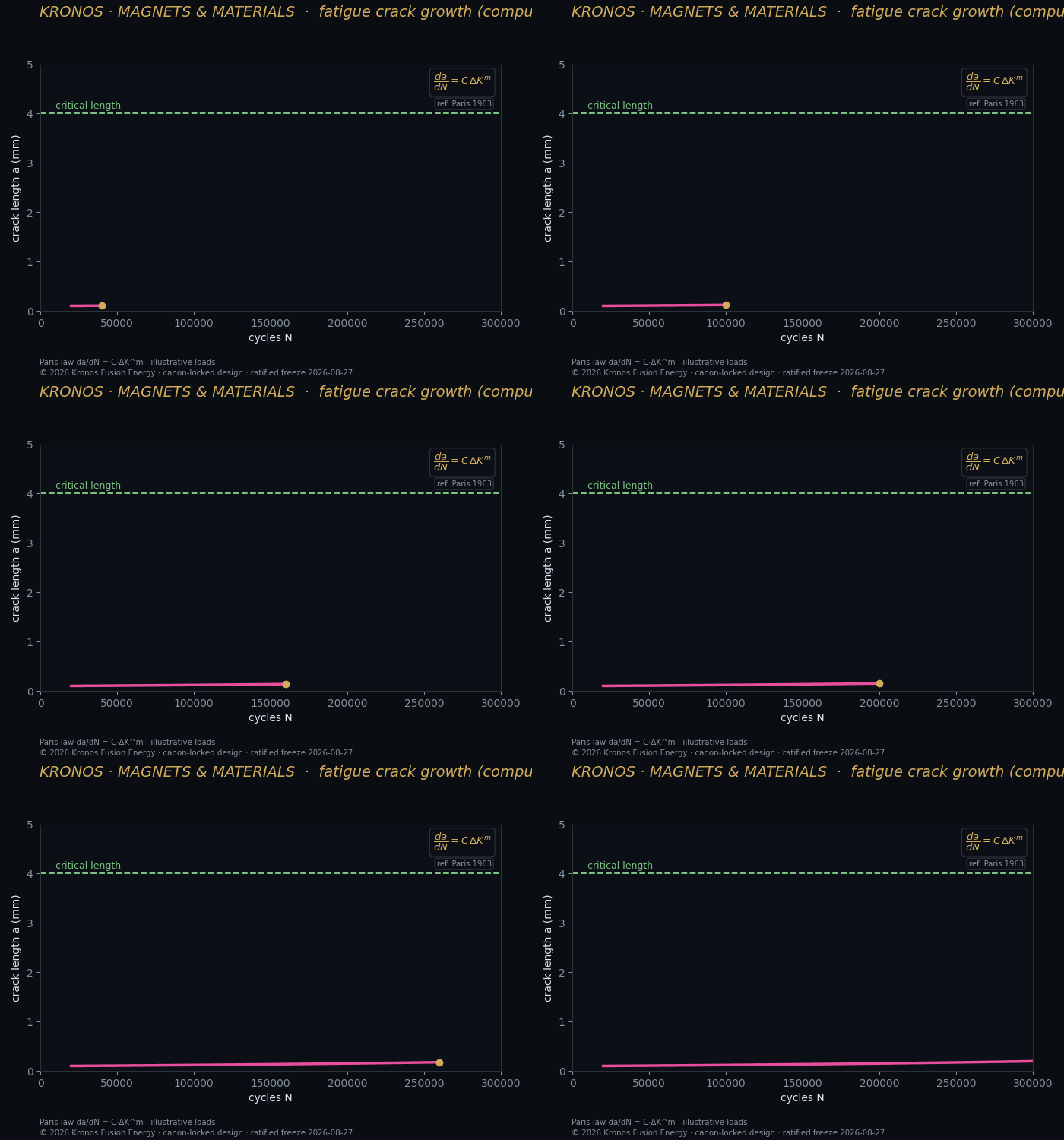
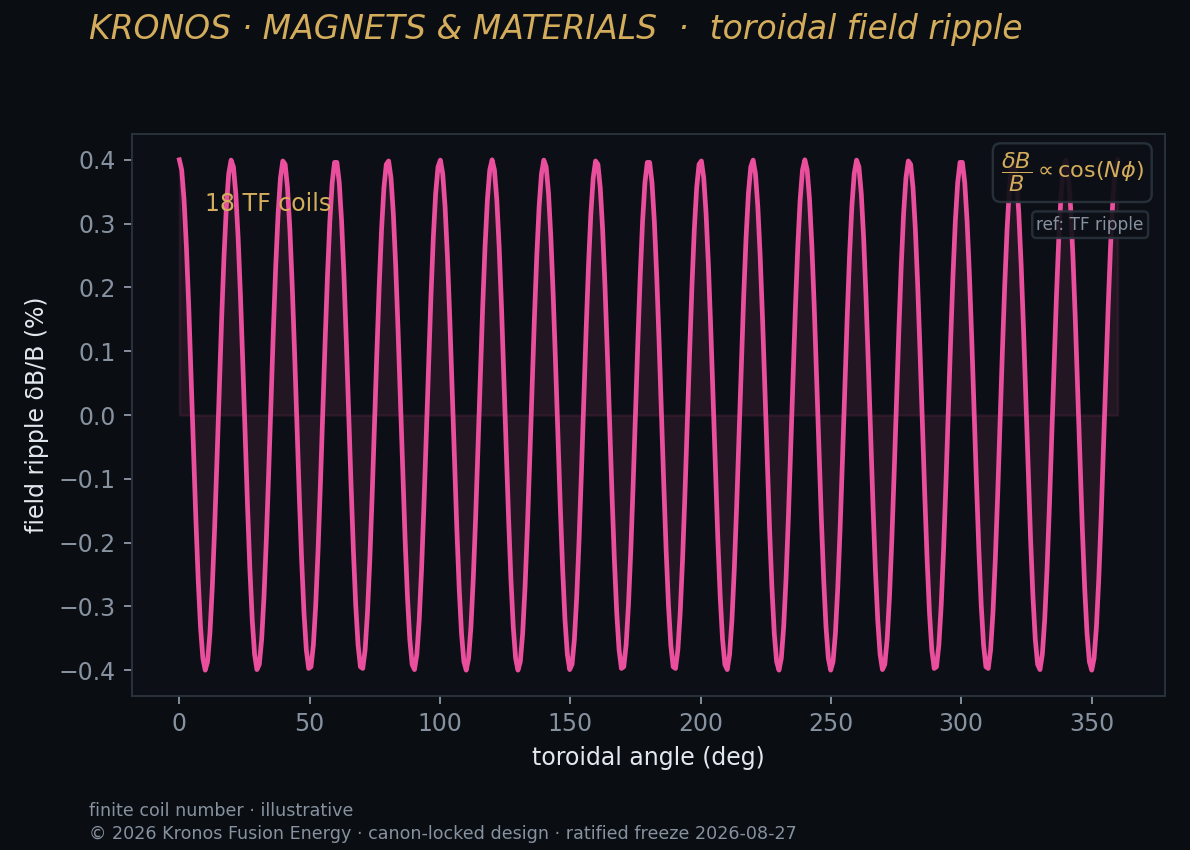
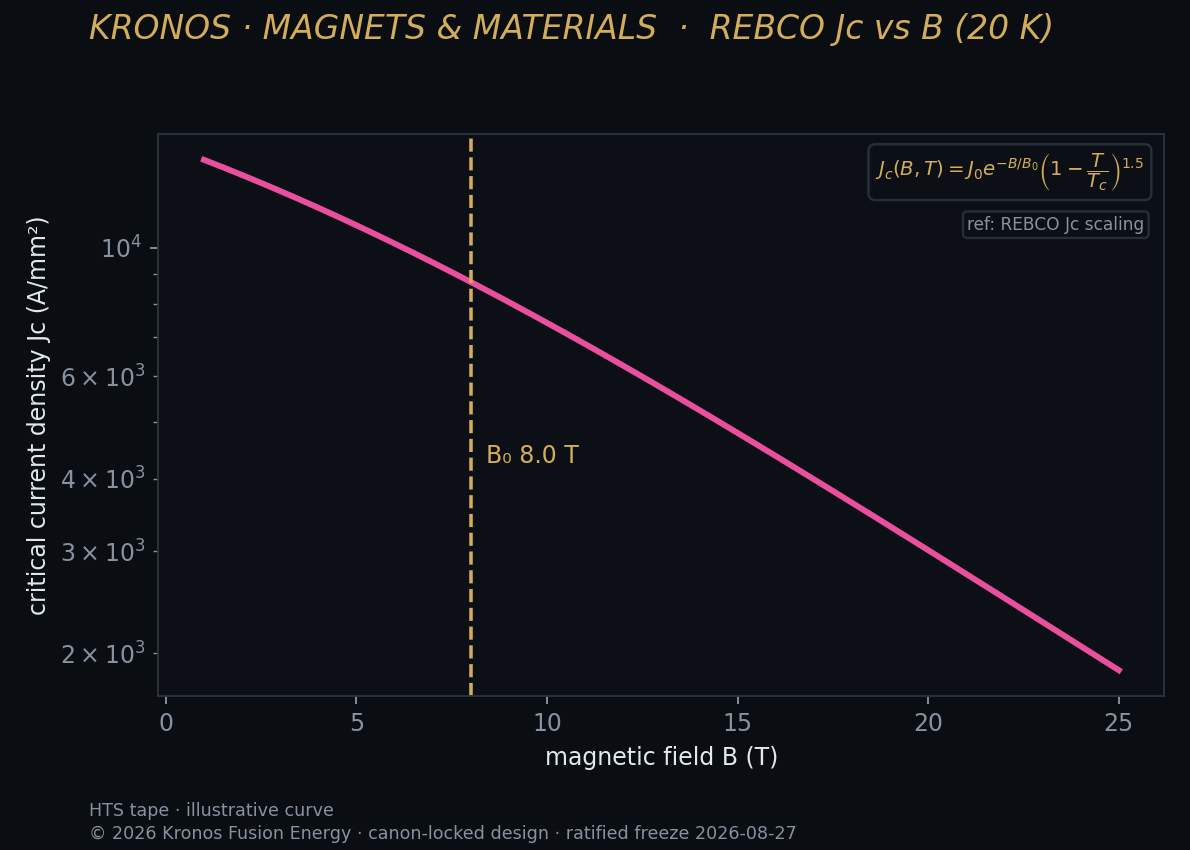
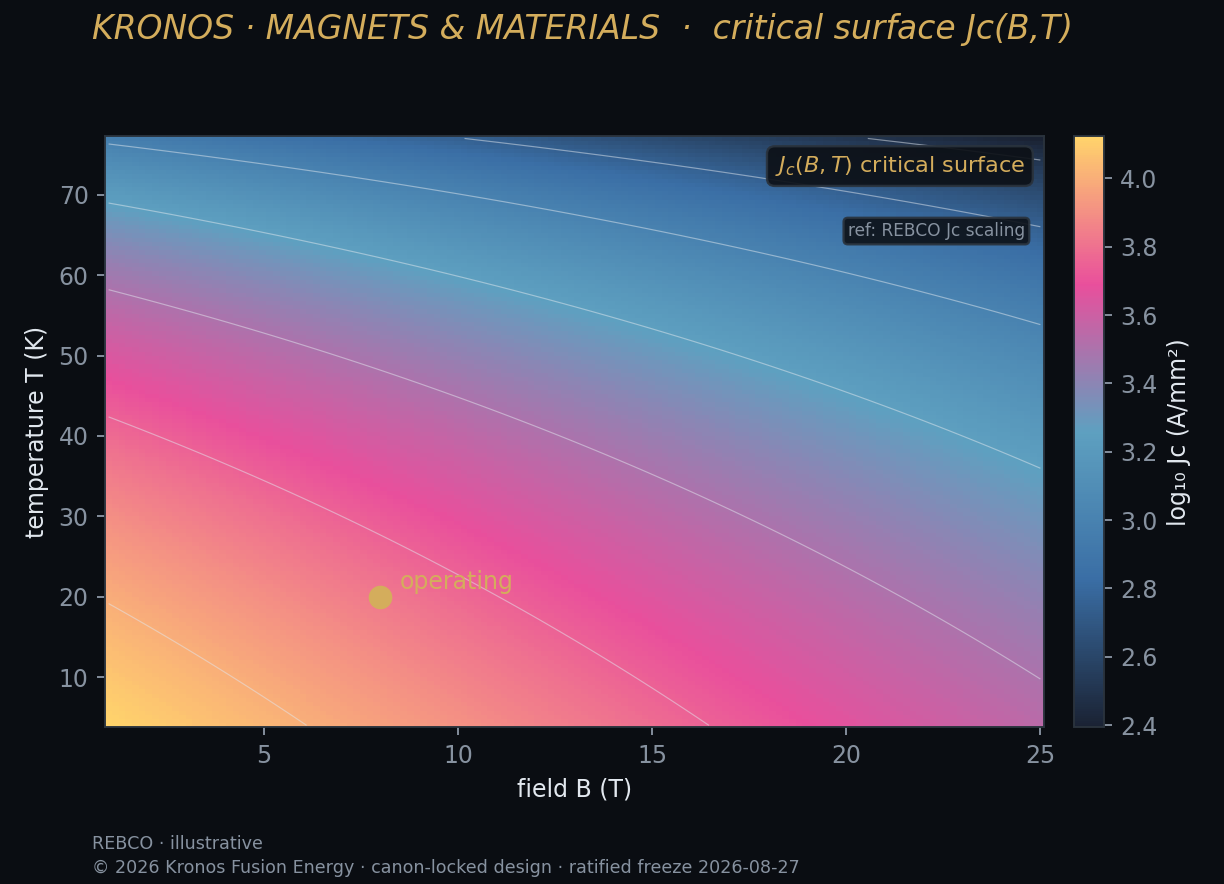
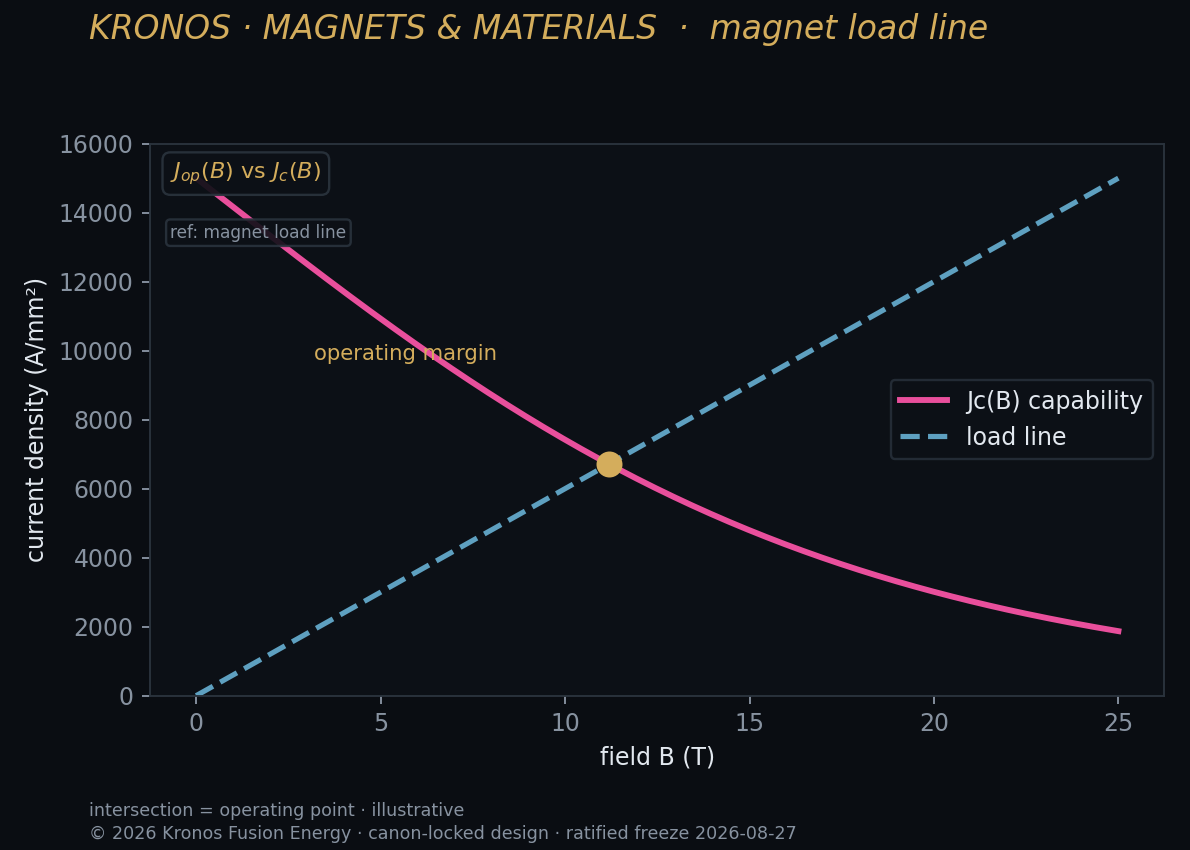
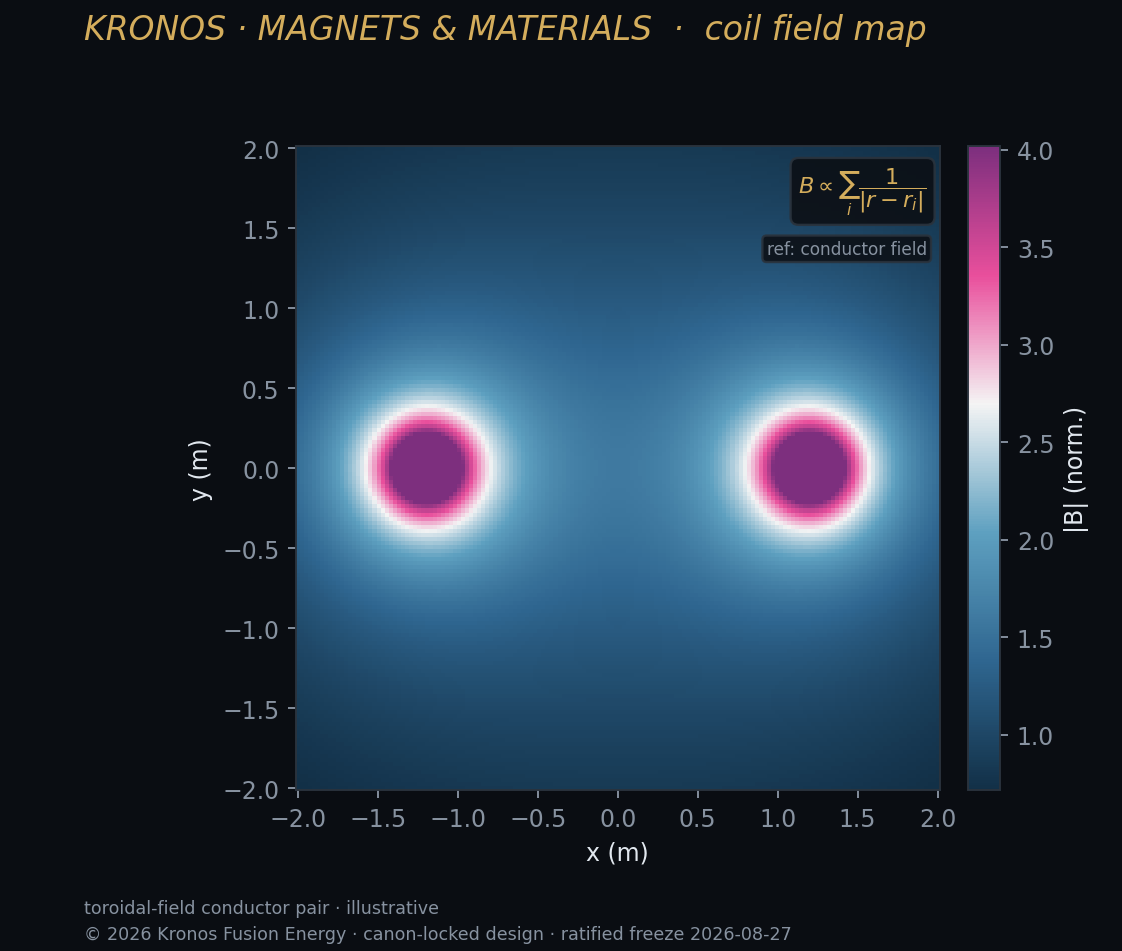
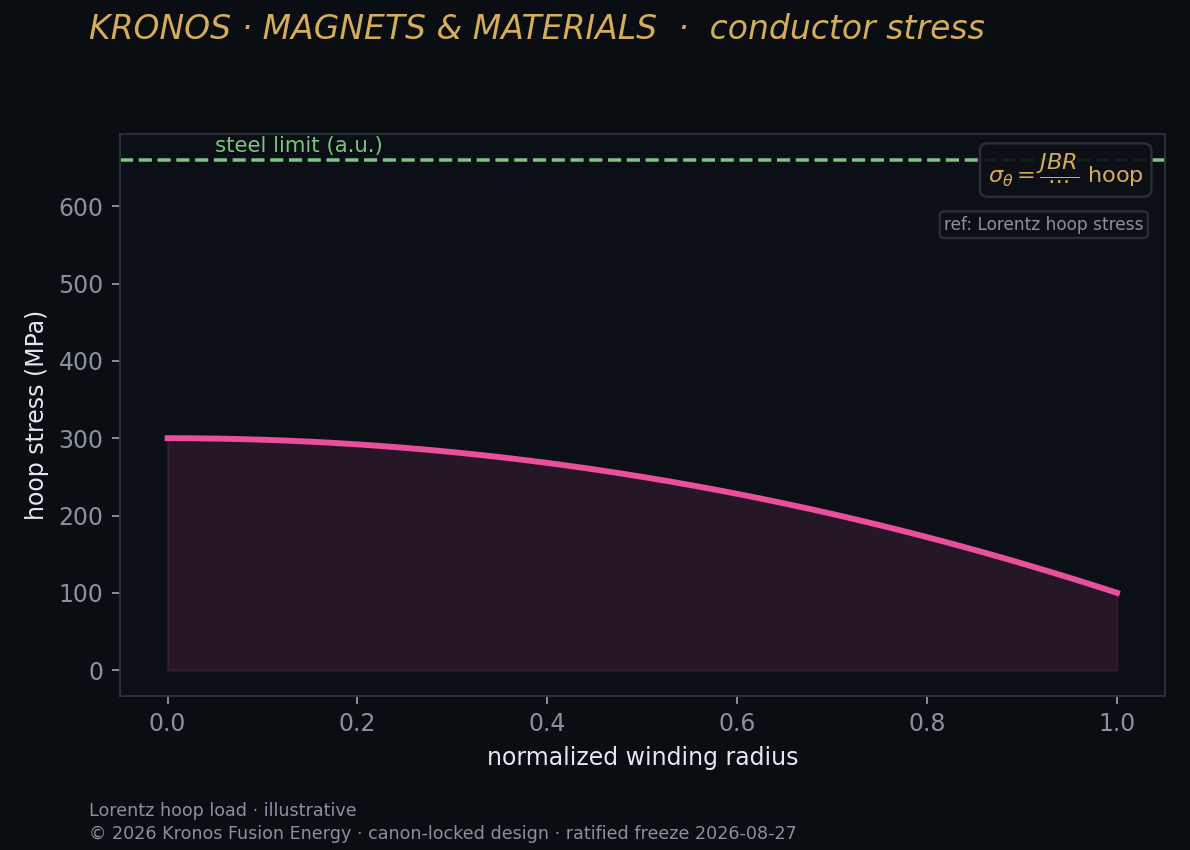
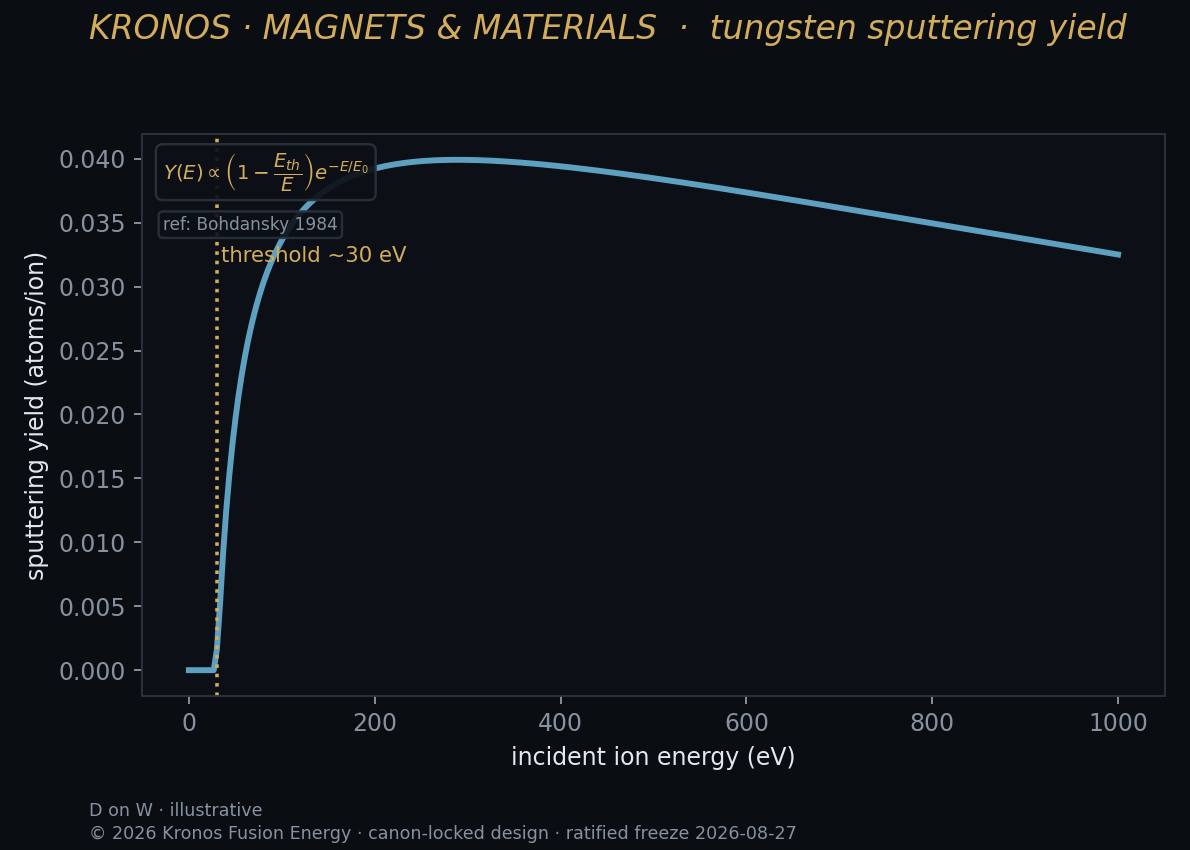
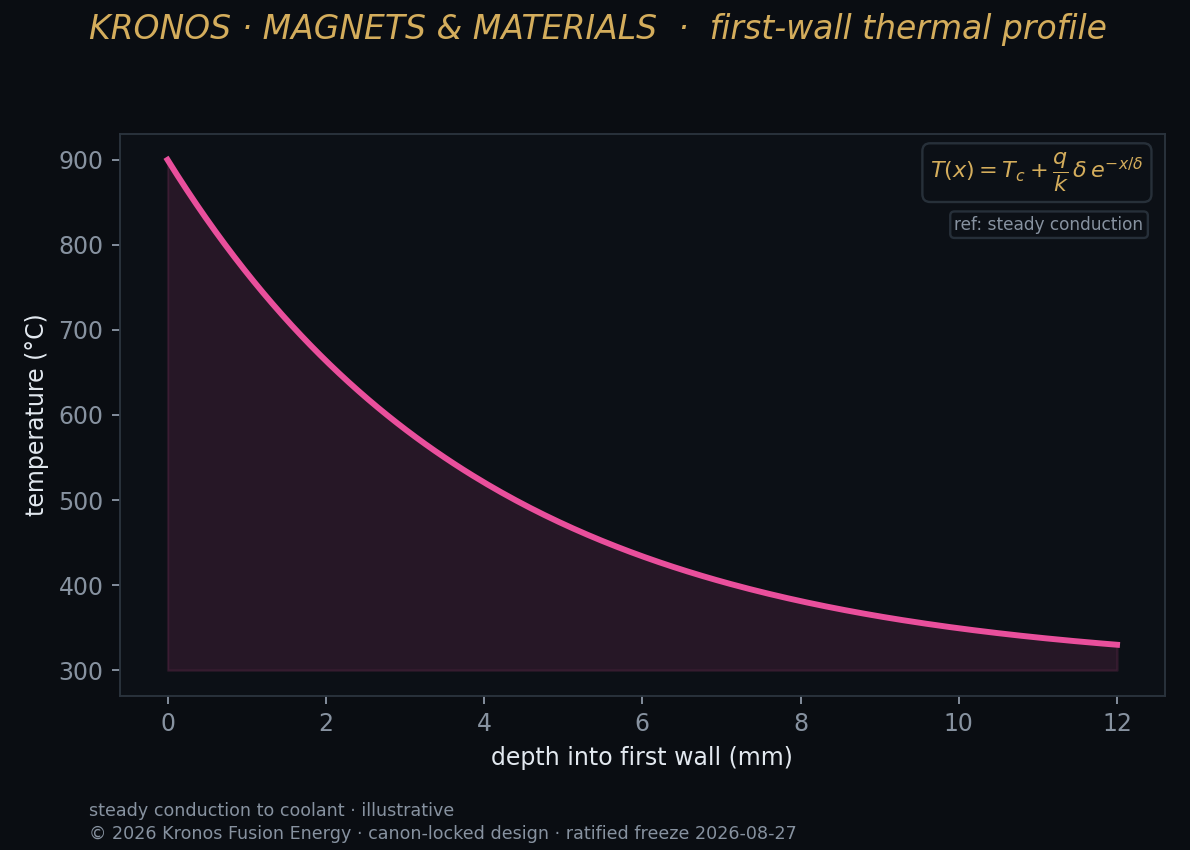
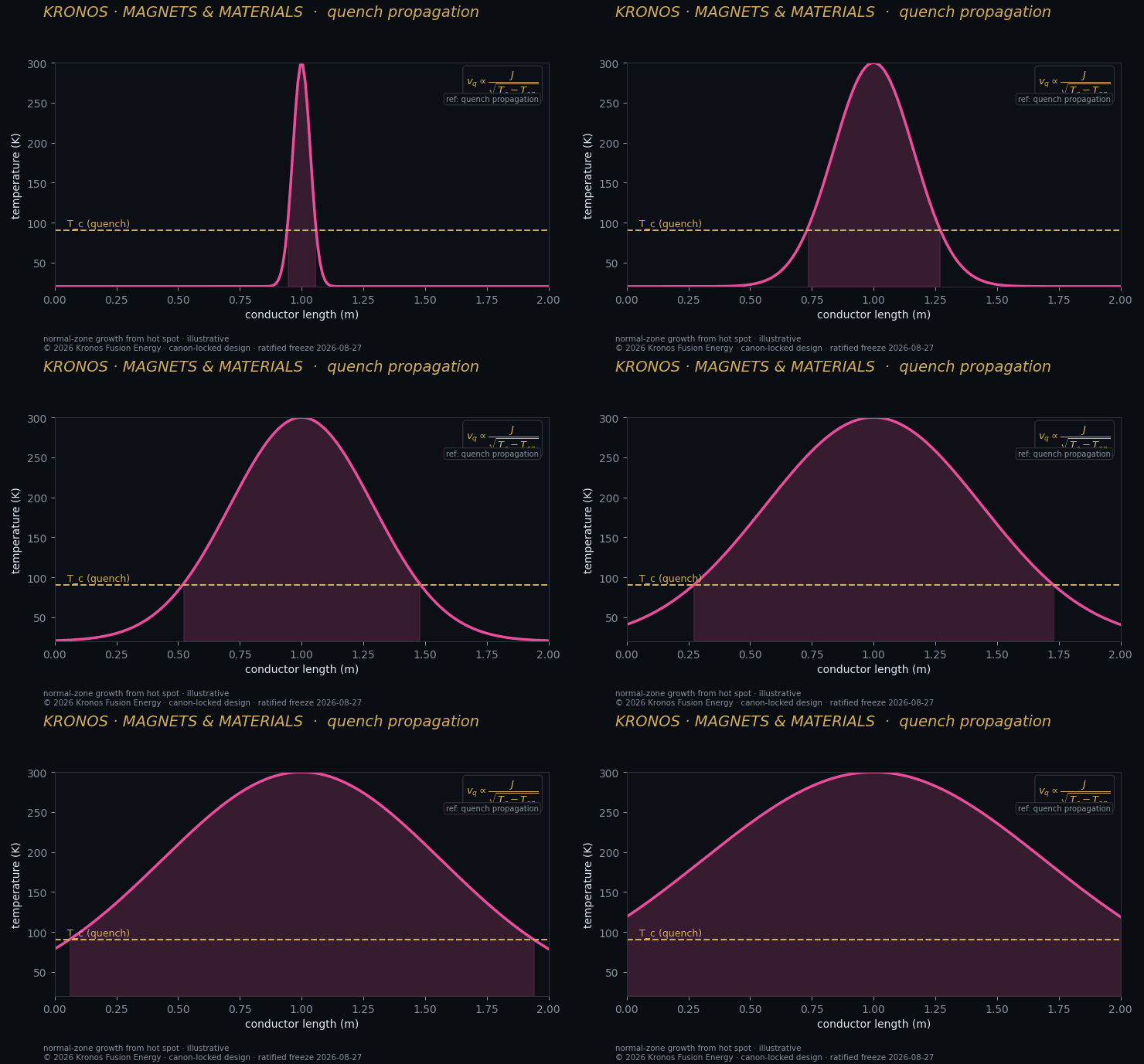
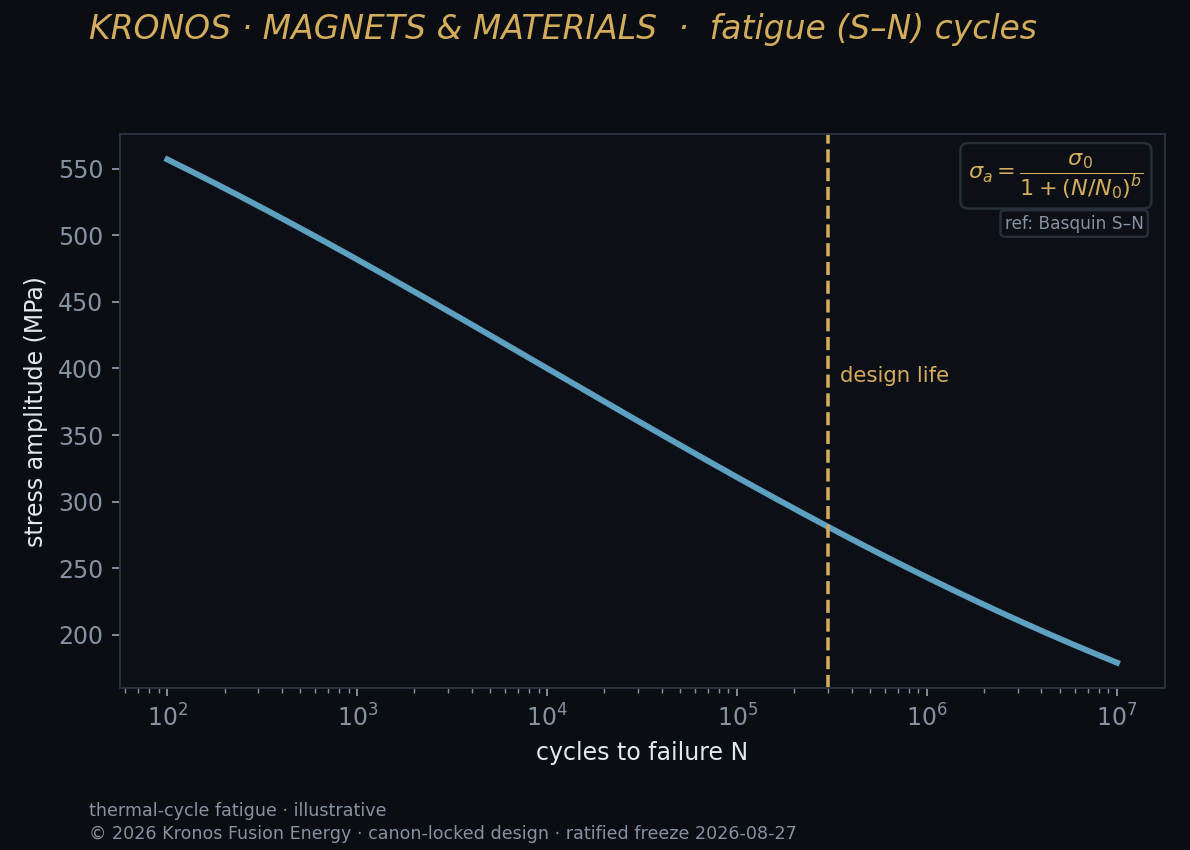
Materials and magnets — REBCO critical current, the critical surface, magnet load lines, structural stress, sputtering and quench behaviour.
I · Operations
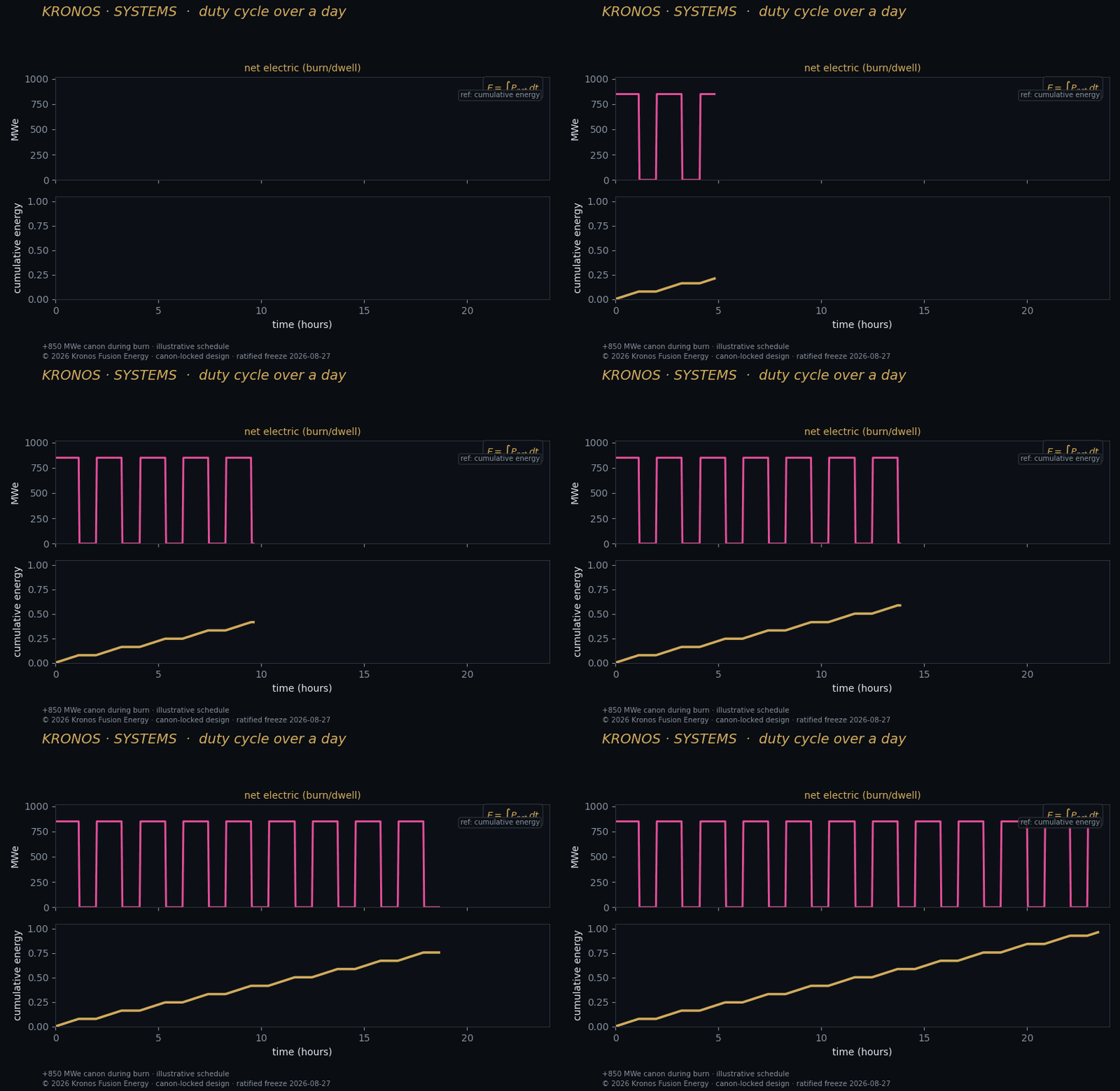
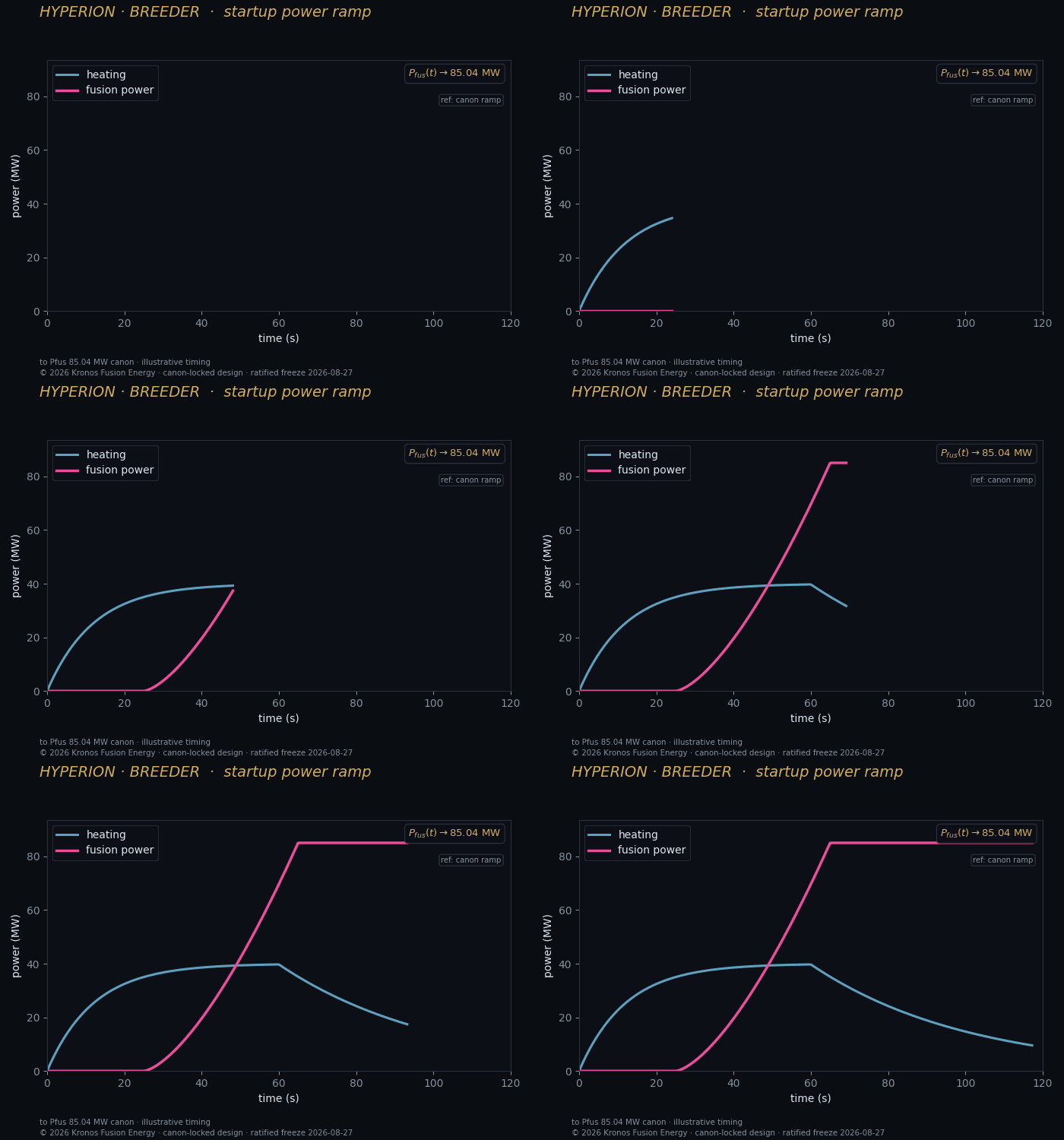
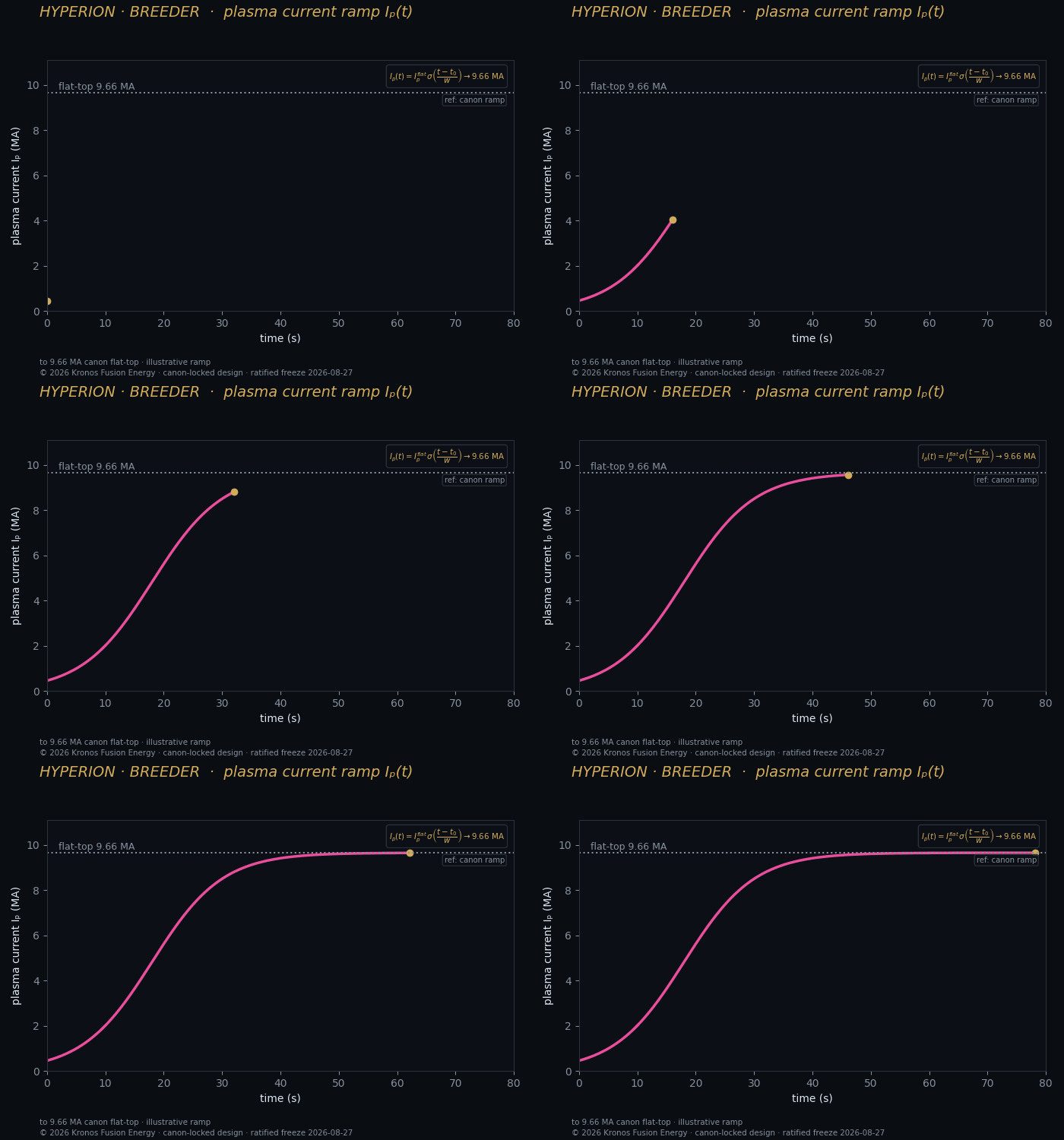
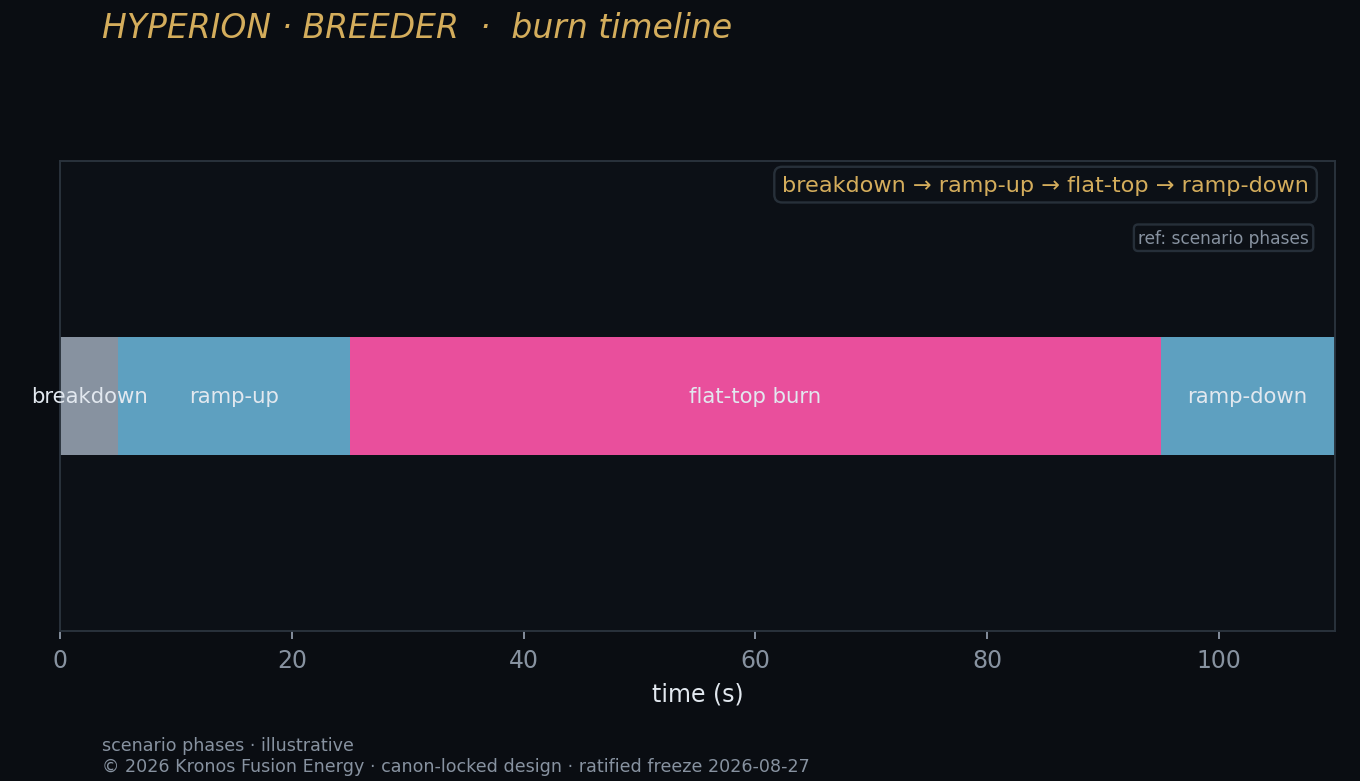
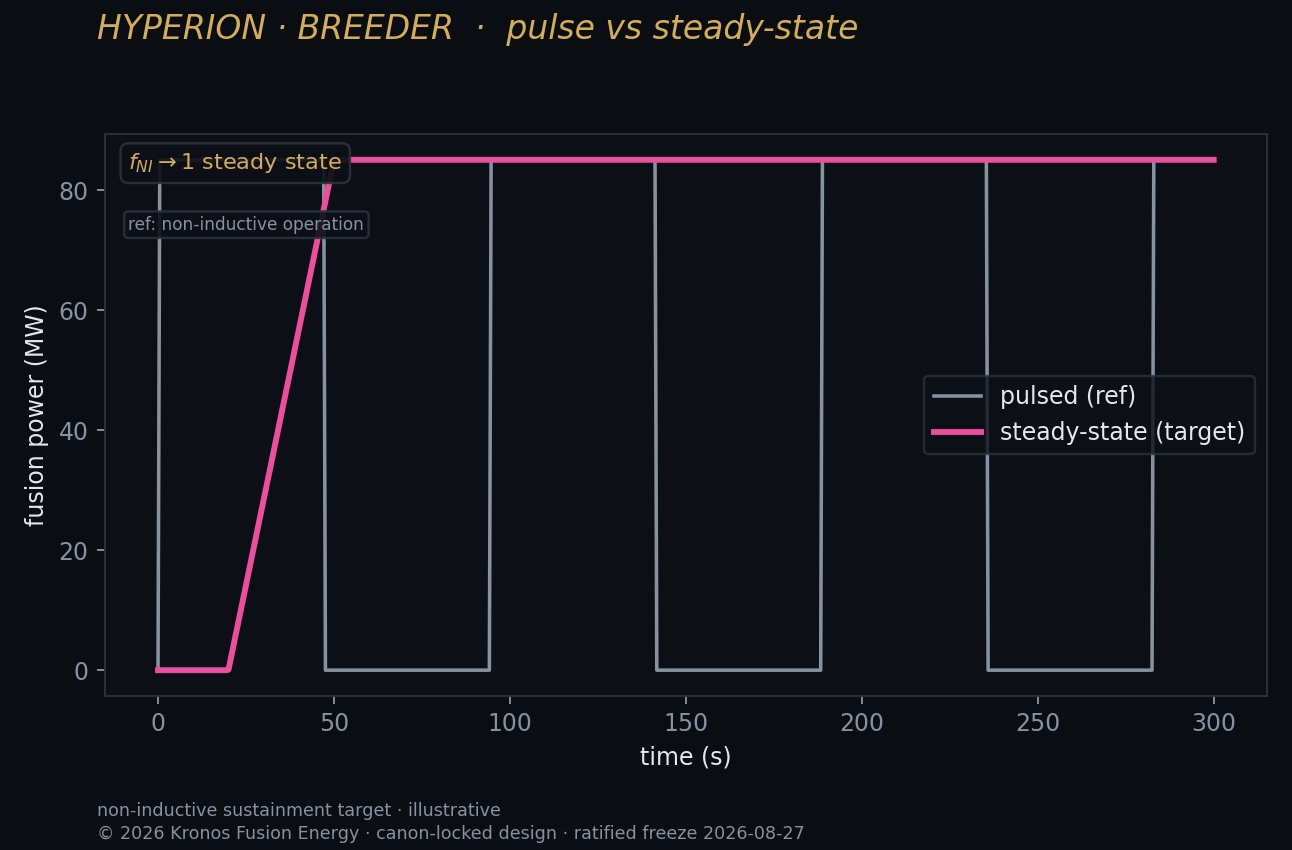
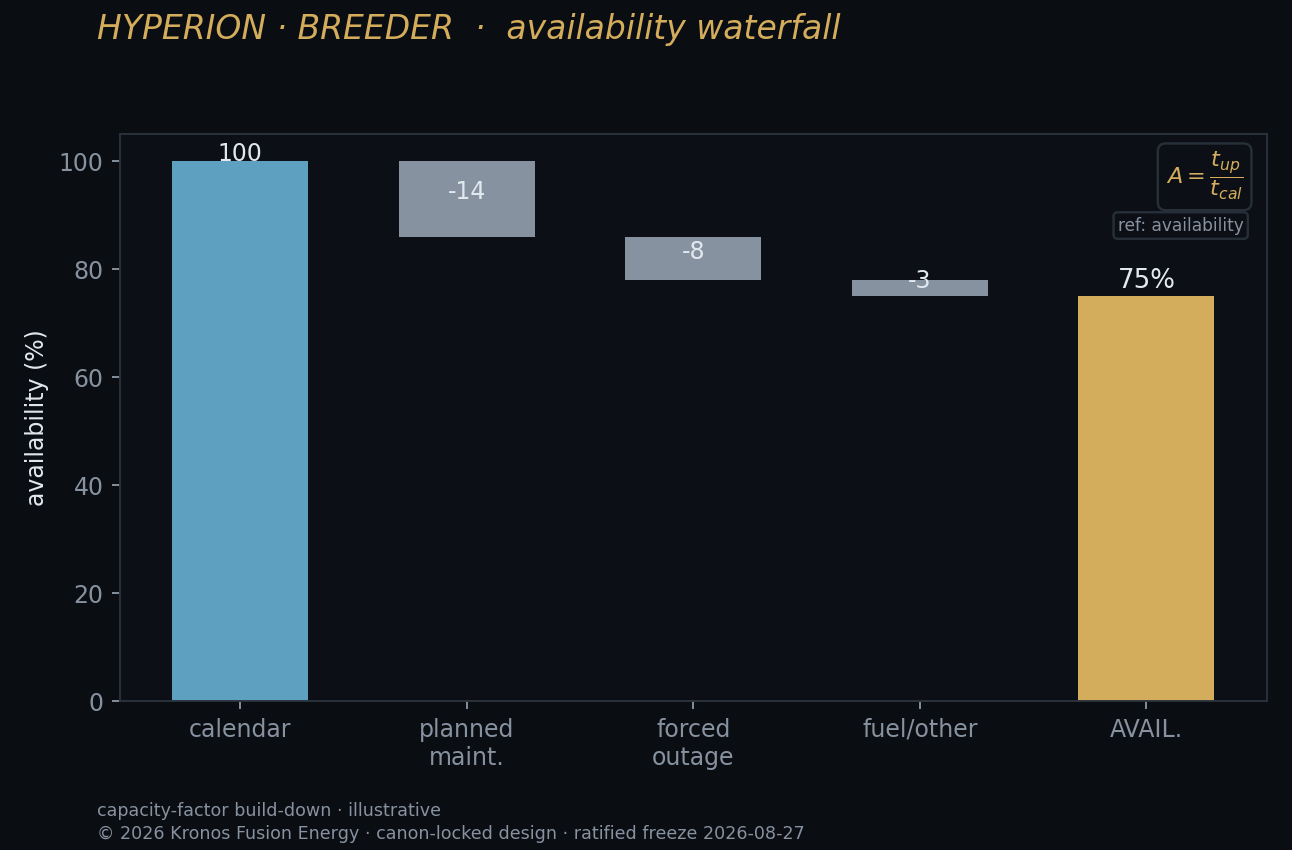
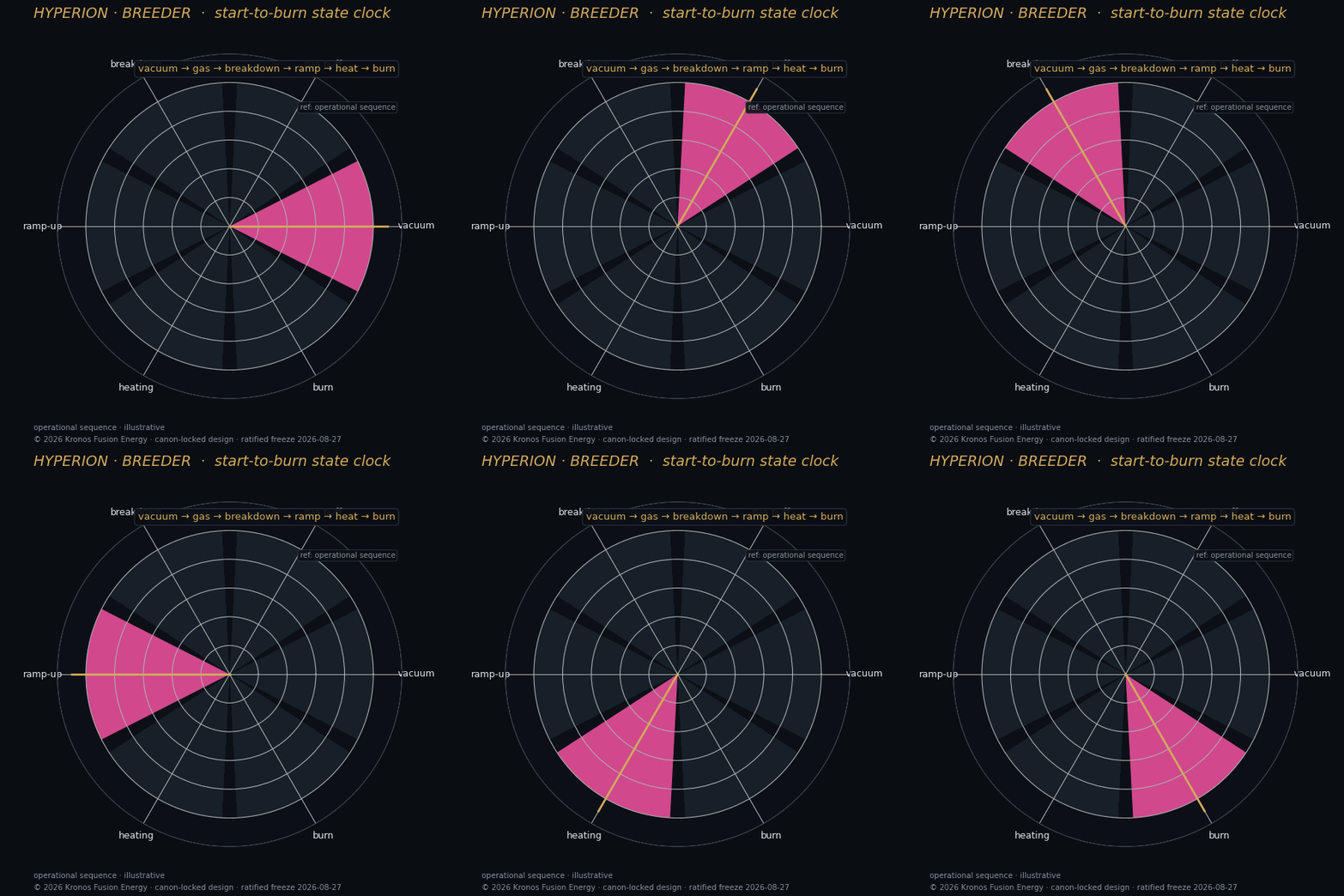
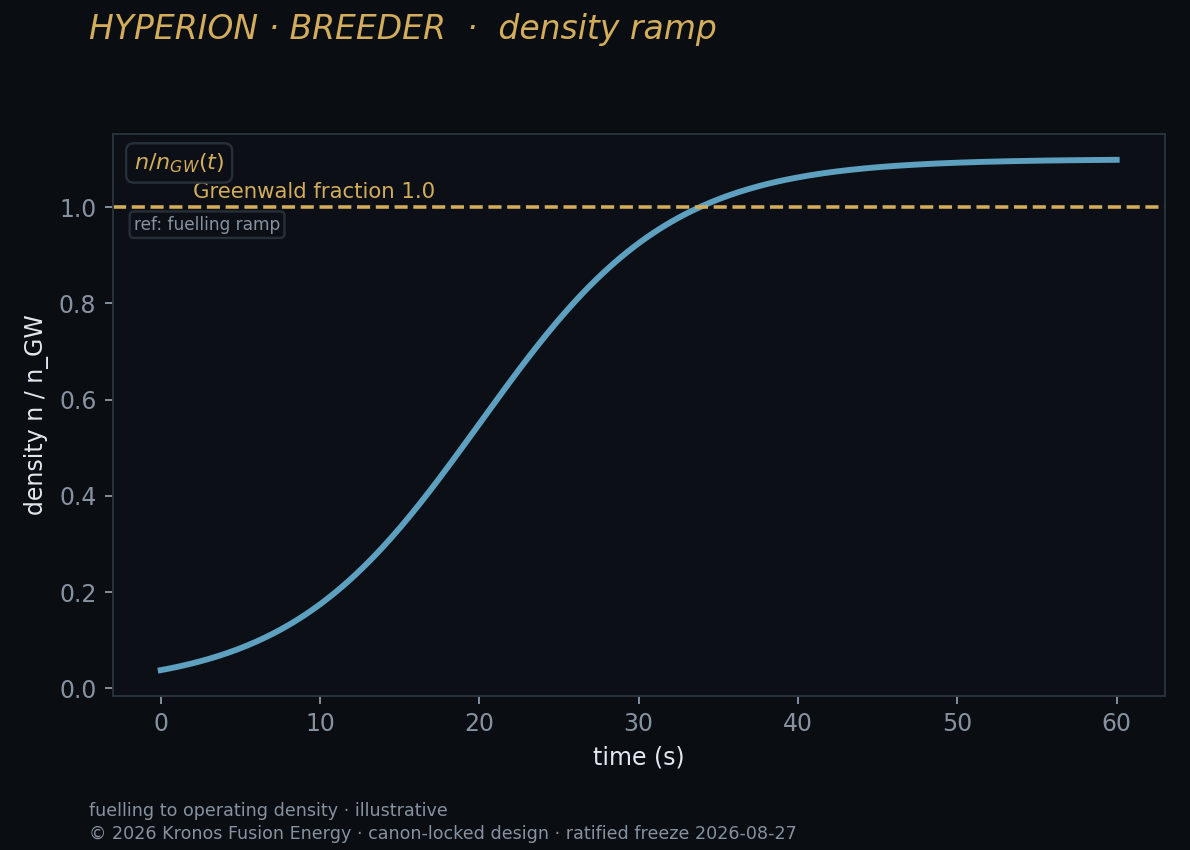
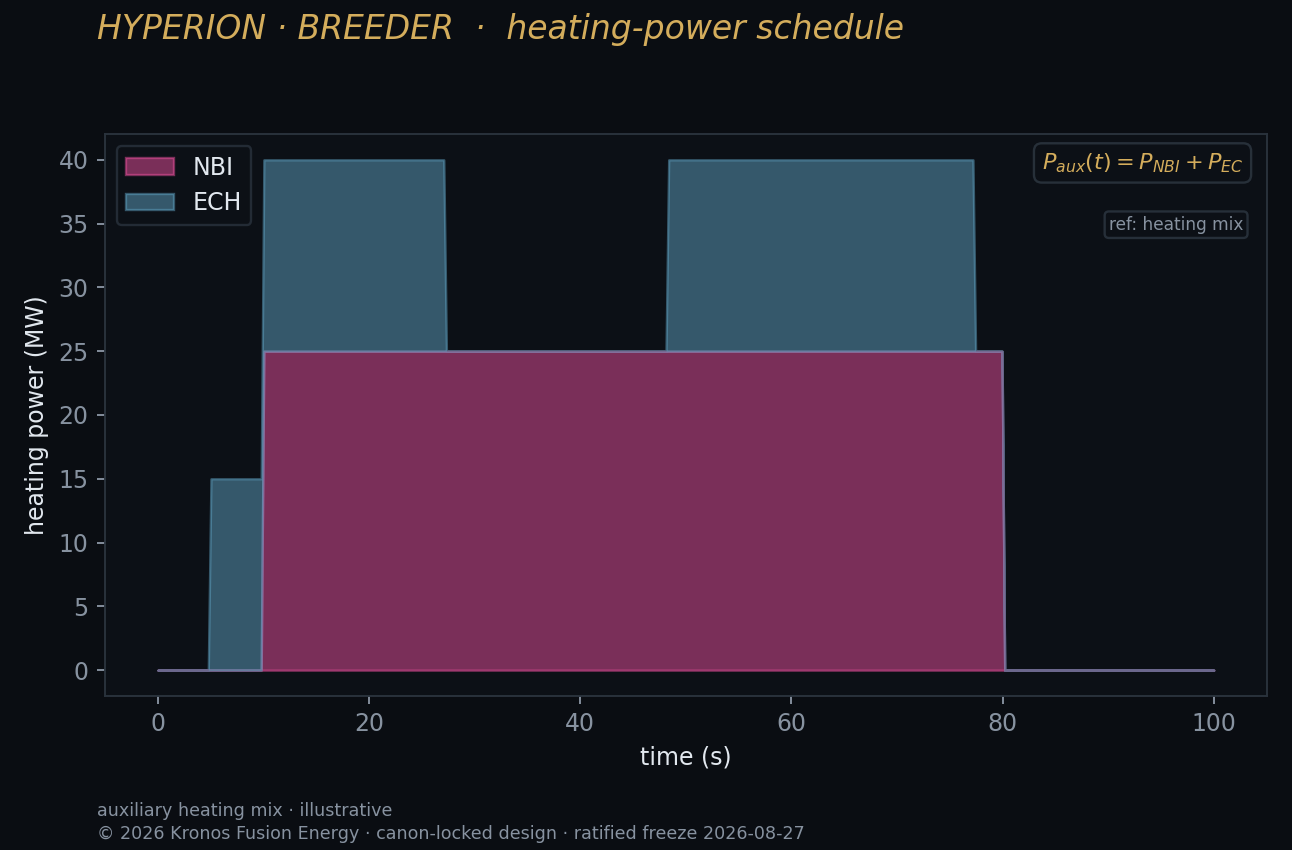
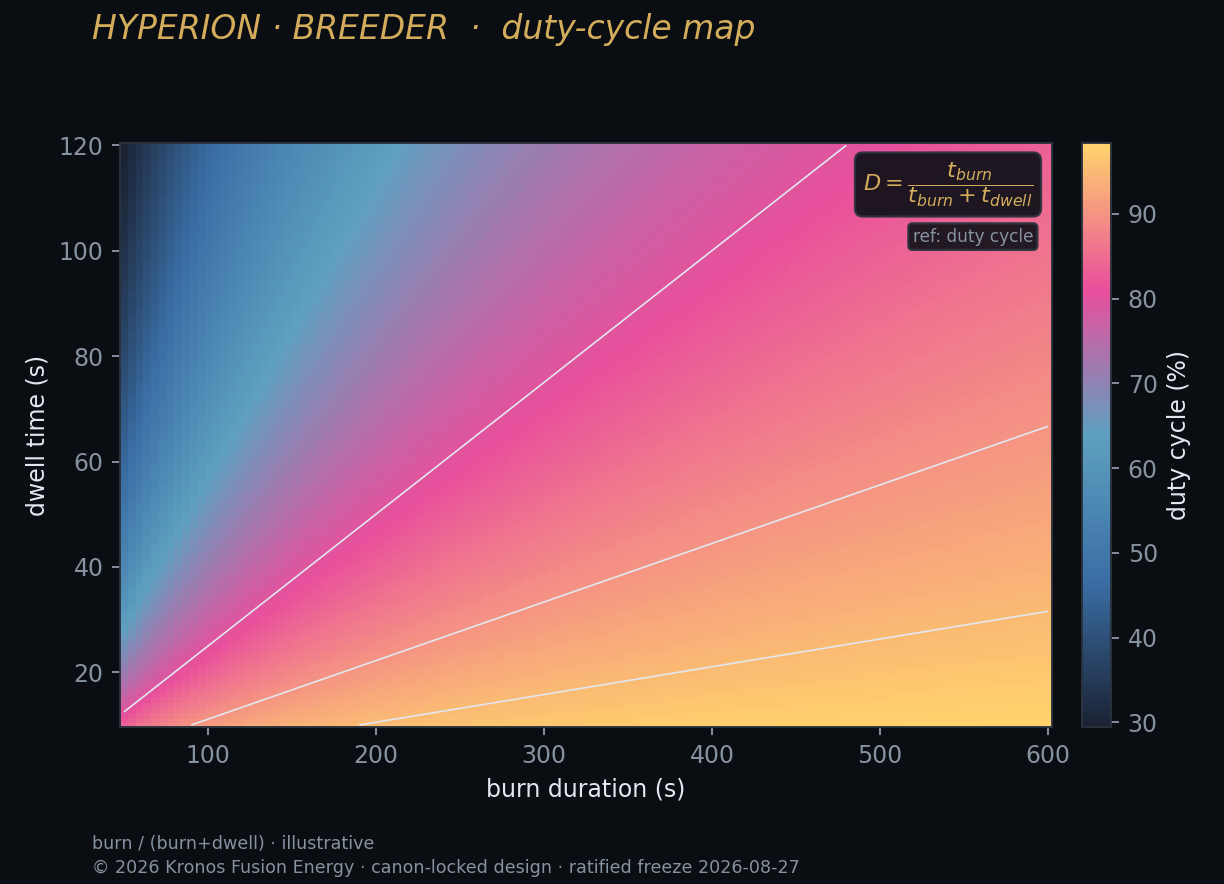
Operations — plasma current ramp, burn timeline and the cold-start-to-steady-burn sequence.
J · Comparative & scaling
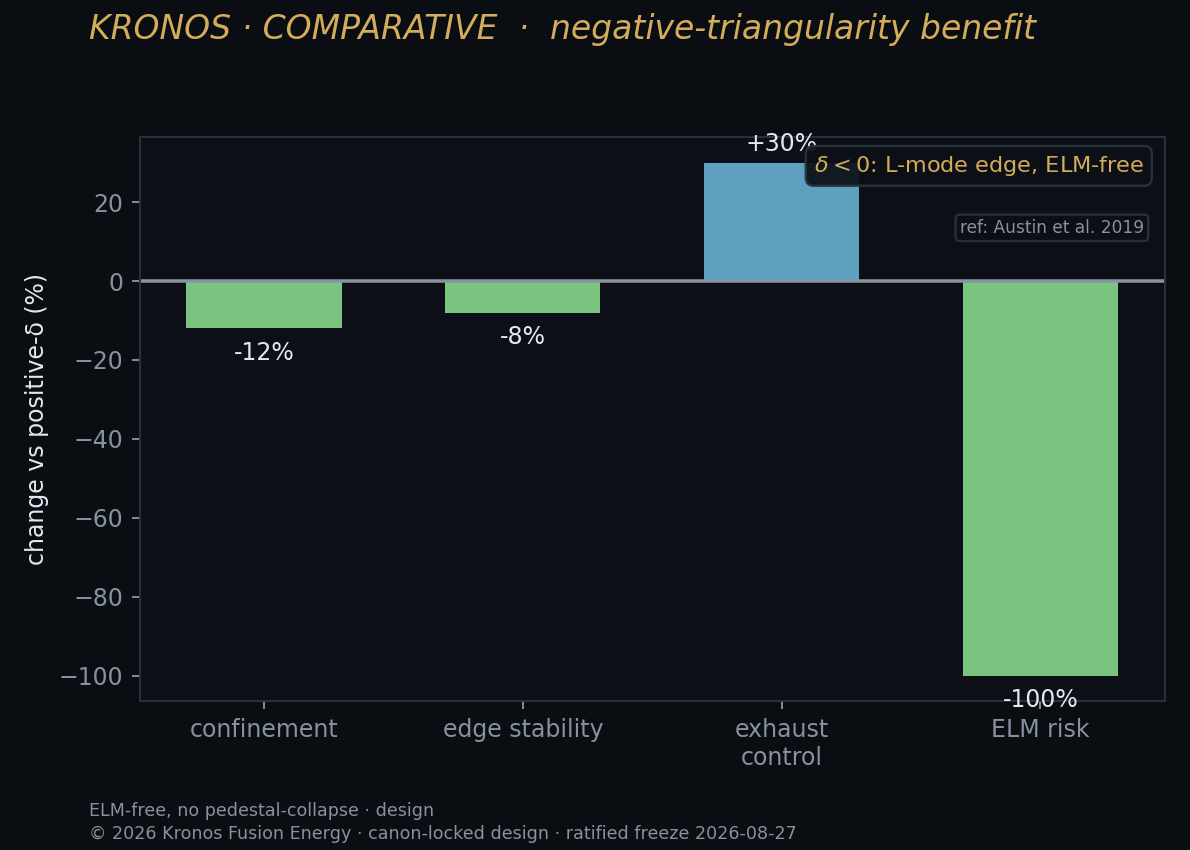
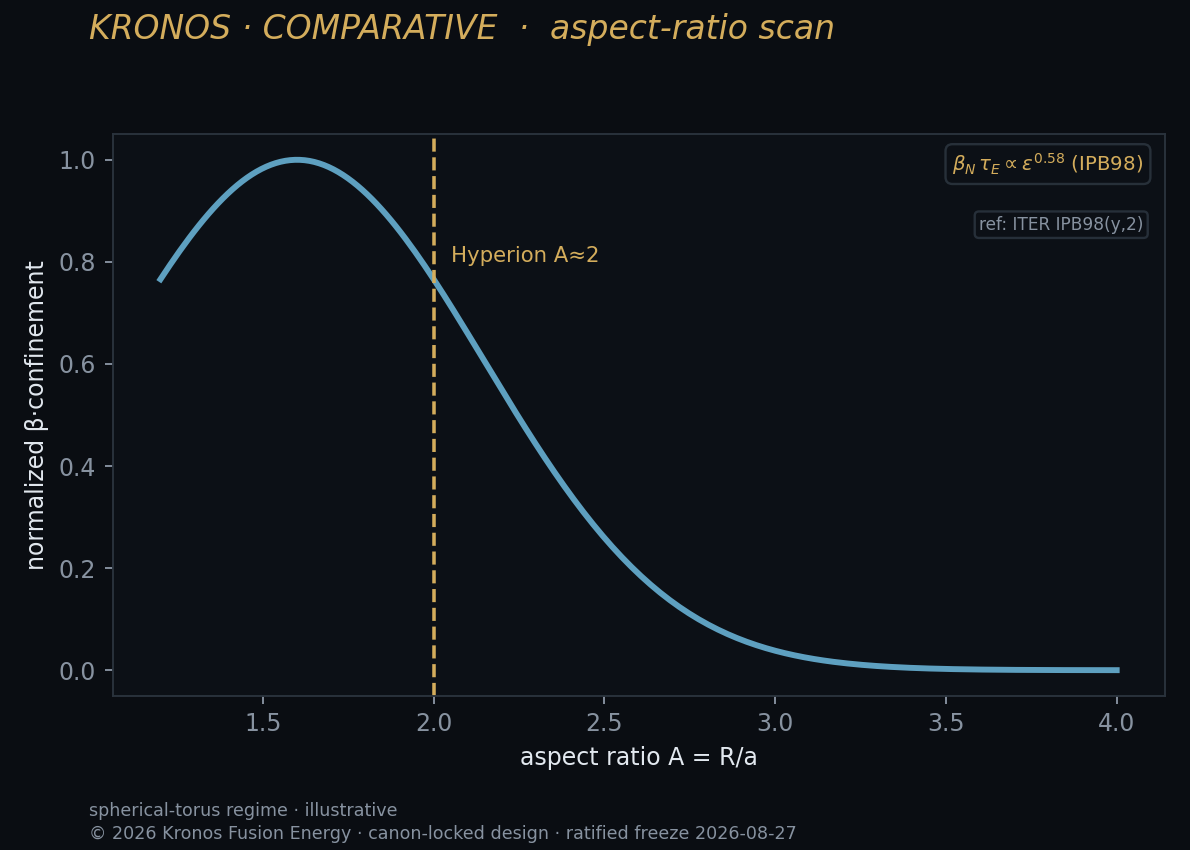
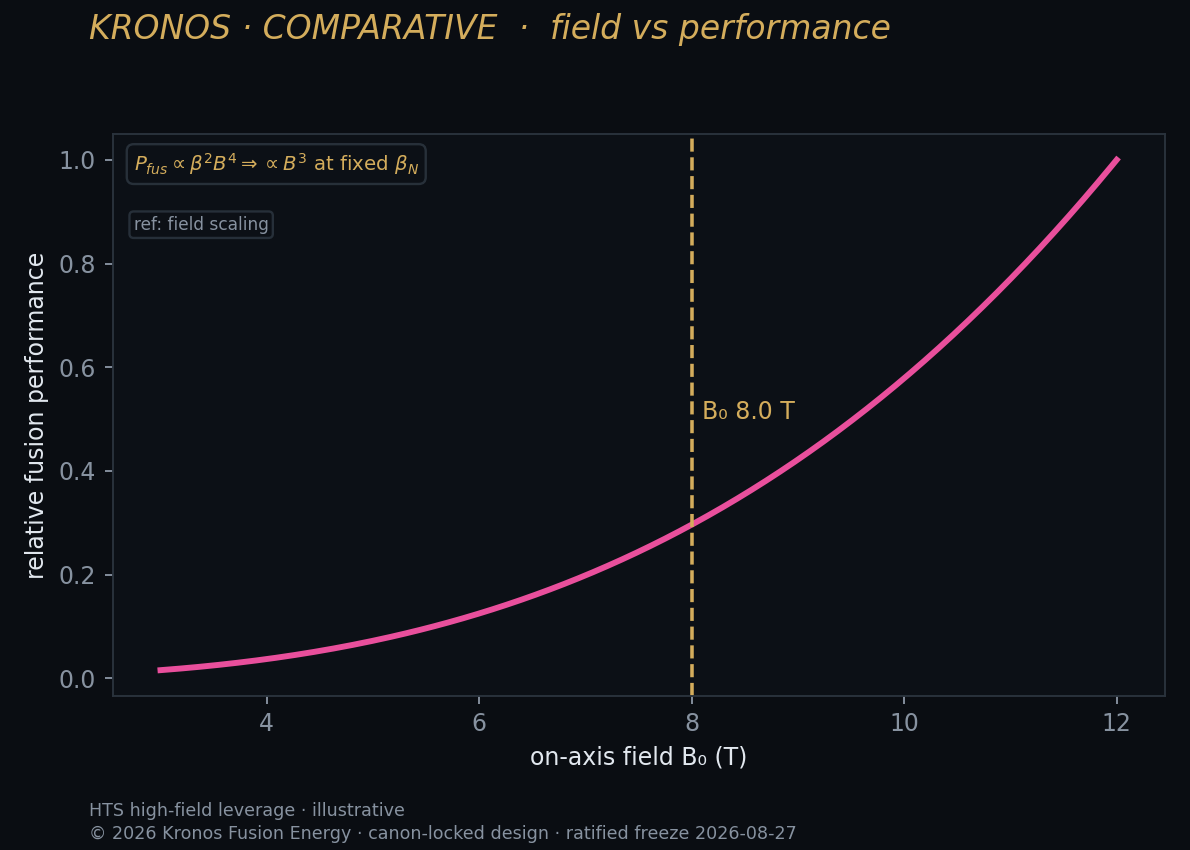
Comparative and scaling — fusion gain versus machine size, the negative-triangularity advantage and aspect-ratio scans.
K · Dynamic phenomena
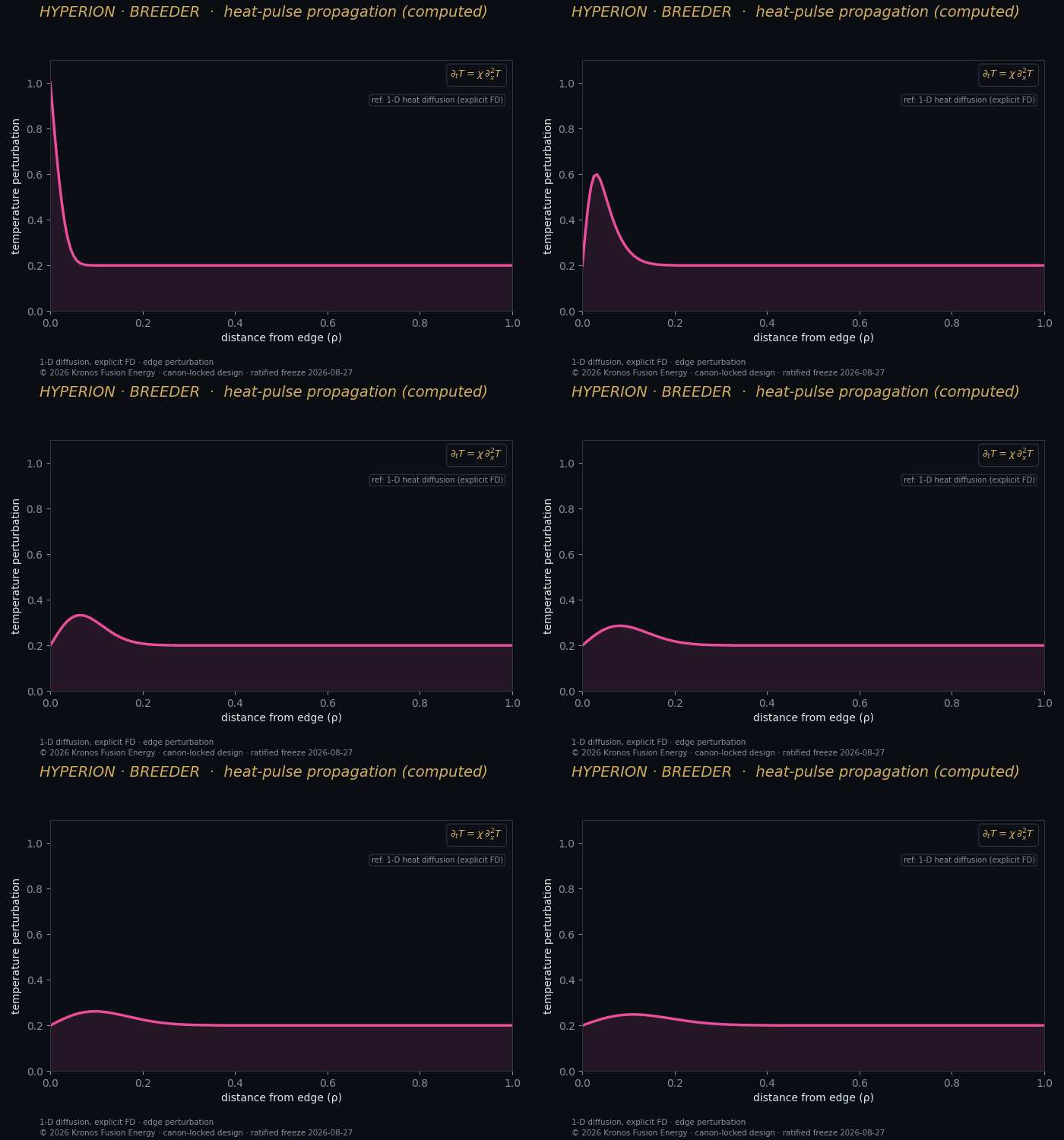
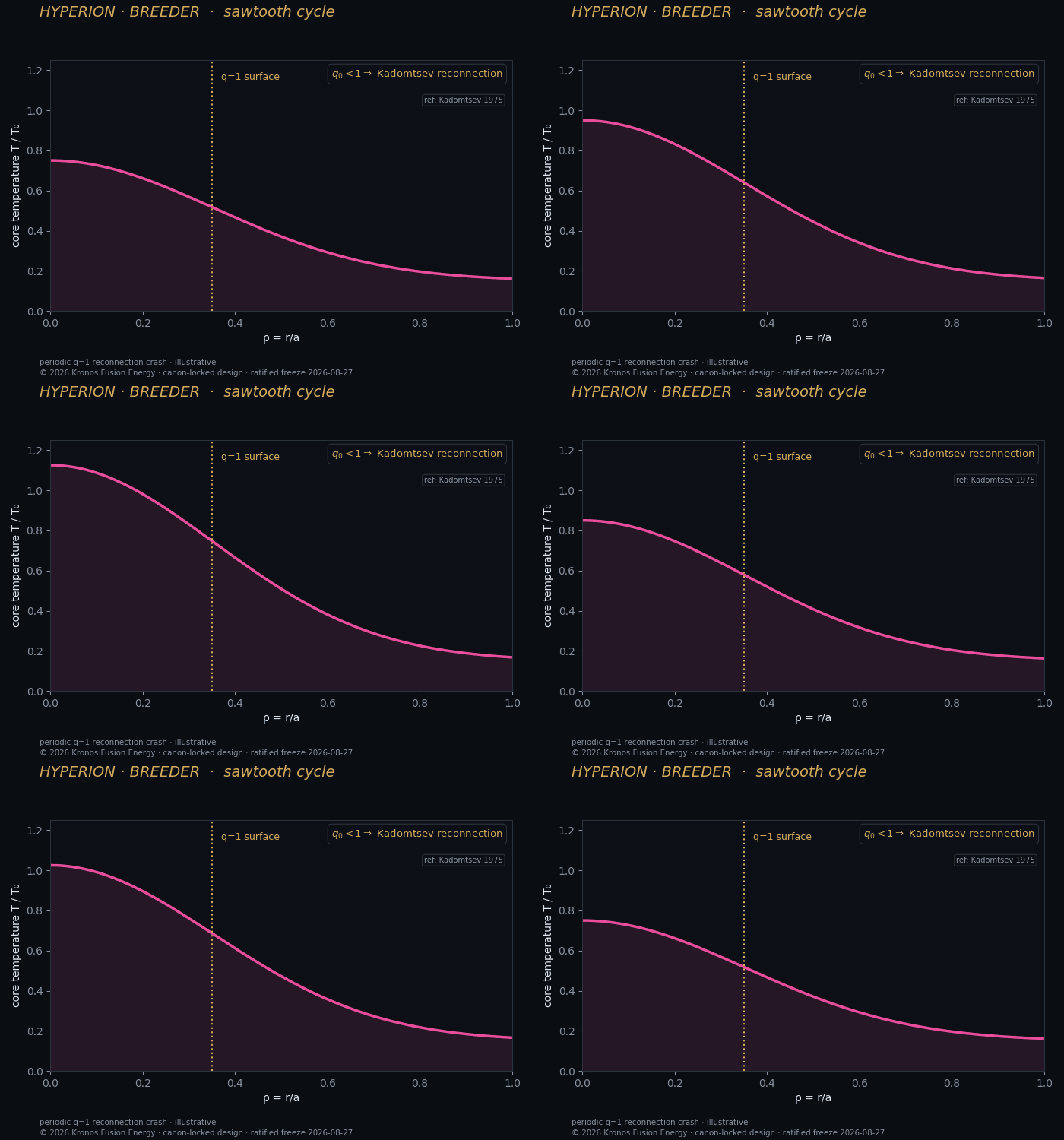
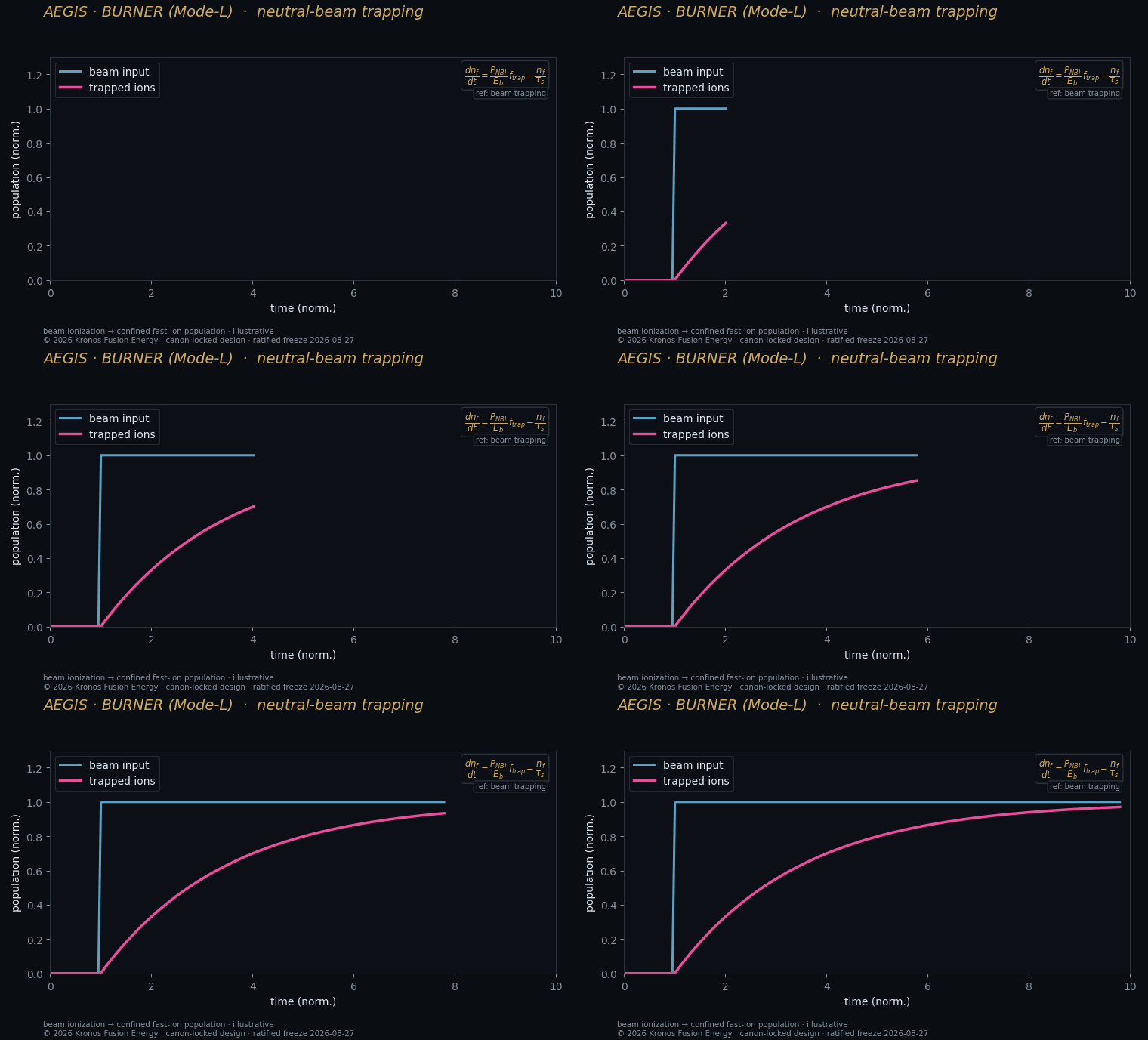
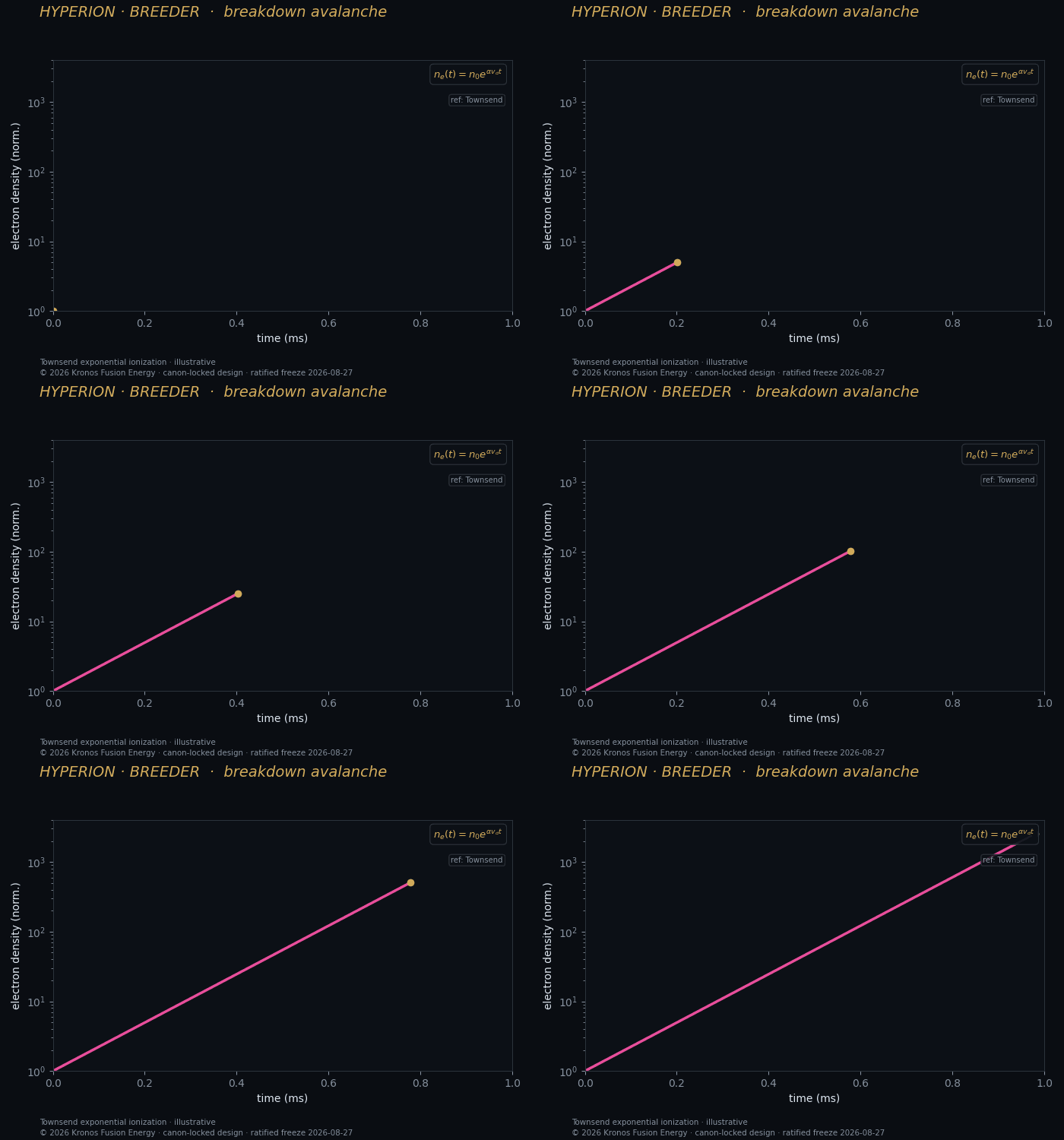
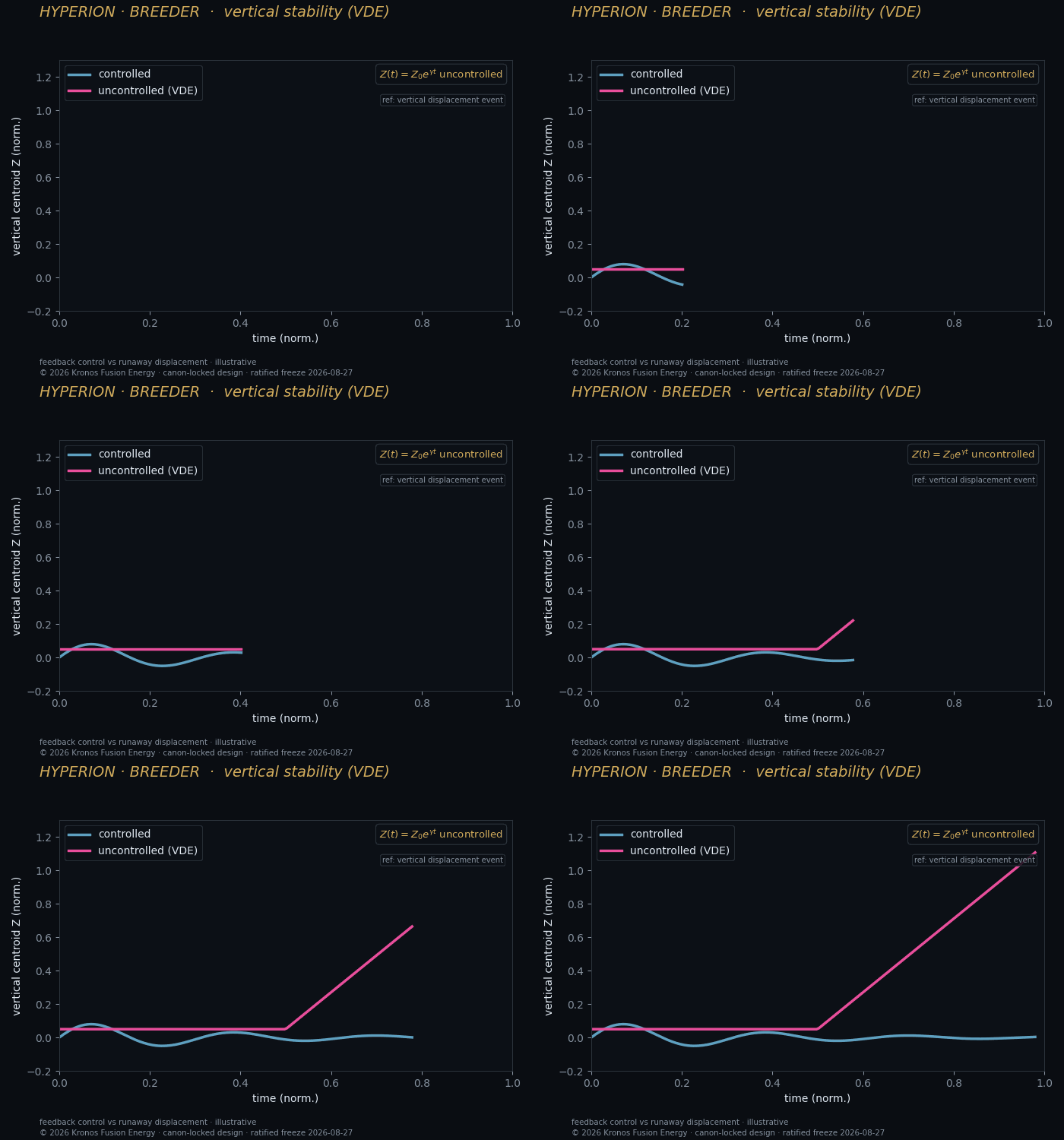
Dynamic phenomena — animated gyromotion, vertical displacement events, NBI trapping and heat pulses.